
A loose cable connection at the wall plate or a disconnected line in the building’s utility closet is the most common reason you’ll find a coax outlet not working apartment service. You can often fix this by checking for a tight connection at the wall, but if that fails, the issue is likely outside your unit.
Why your coax outlet isn’t working
This table ranks the reasons why your television or internet signal might be missing. You can perform basic physical checks yourself, but some issues require the building owner or a technician.
| Cause | How common | How to confirm it | Fix it yourself? |
|---|---|---|---|
| Loose wall connector | Very common | Wiggle the cable end | Yes |
| Disconnected utility box | Common | Check the main panel | Yes with care |
| Damaged wall cable | Occasional | Look for visible cuts | No |
| Faulty wall plate | Occasional | Unscrew to see wires | Yes with care |
| Service not activated | Rare | Call your provider | No |
| Building line failure | Rare | Test another outlet | No |
Most users mistake a loose connection for a service outage. If your cable spins freely at the wall, tighten it by hand until it resists. Don’t use pliers, as over-tightening can snap the delicate center pin inside the port.
If the signal remains dead after tightening, inspect the cable jacket for kinks or animal bites. A cable bent at an angle sharper than a soda can will often fail internally despite looking intact. If you find a sharp bend, replace the cable entirely.
Check your service status if you live in a multi-unit complex. If neighbors have signal but you do not, the issue is likely a disconnected port at the building’s central distribution panel. Never attempt to move wires in a locked utility closet, as you may accidentally disconnect another tenant’s service. Call your provider to request a technician for internal wiring faults.
Safety: Inside a mains-powered machine, the parts behind the outer cover can hold a dangerous electrical charge even after it has been unplugged — that’s why they sit behind a cover. Opening the housing, or testing or replacing anything behind it, is a job for a qualified technician, never a home repair.
Resolving a loose wall connection
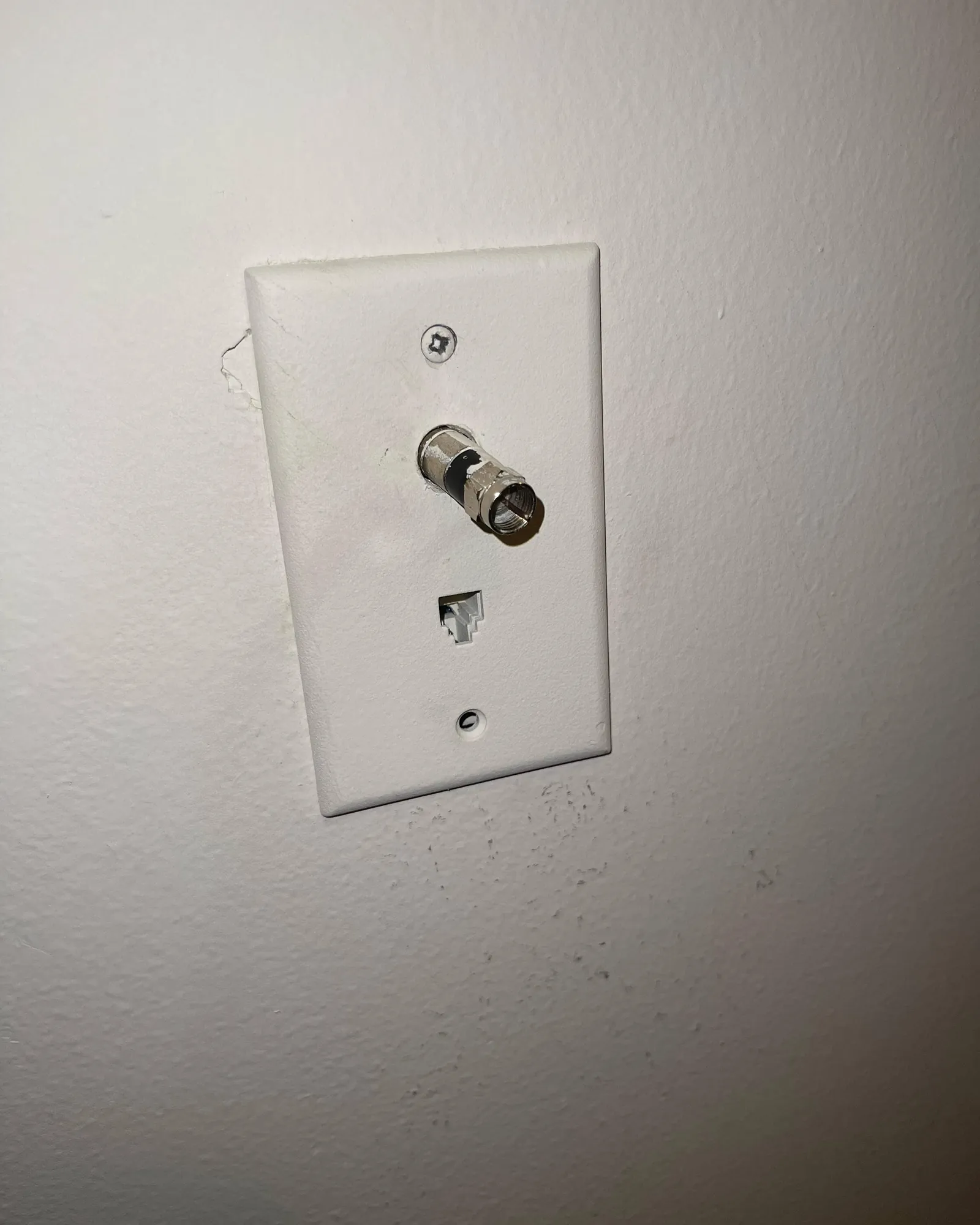
A loose connection is the most frequent culprit because cables move when furniture is pushed or when you clean behind your television. The metal threading on the connector must be screwed tightly onto the outlet to create a solid bridge for the signal. If the cable feels wobbly, the internal copper pin can’t make contact with the port, which prevents the data or video signal from reaching your device.
To test this, turn the outer metal ring of the cable connector clockwise until it’s finger-tight. Don’t use pliers or tools, as overtightening can snap the delicate internal pin. If the cable still feels loose, unscrew it completely and check the tiny copper wire sticking out of the center.
If it’s bent or broken, the cable itself is likely the problem and needs replacement. If the cable is fine, look into the wall port to see if the center hole is blocked or filled with debris. If you see dirt, gently blow it out with canned air.
If the connection remains dead after tightening, inspect the wall plate itself. If the plate is cracked or loose, the internal wiring may have detached. You can safely remove the screws on the plate to peek behind it, but never touch the wiring if it looks frayed or if you suspect it’s live.
If the cable behind the plate looks disconnected, it’s usually a simple push-fit, but if it’s damaged, you must contact your property manager to avoid a violation of building safety codes.
Checking the building utility panel
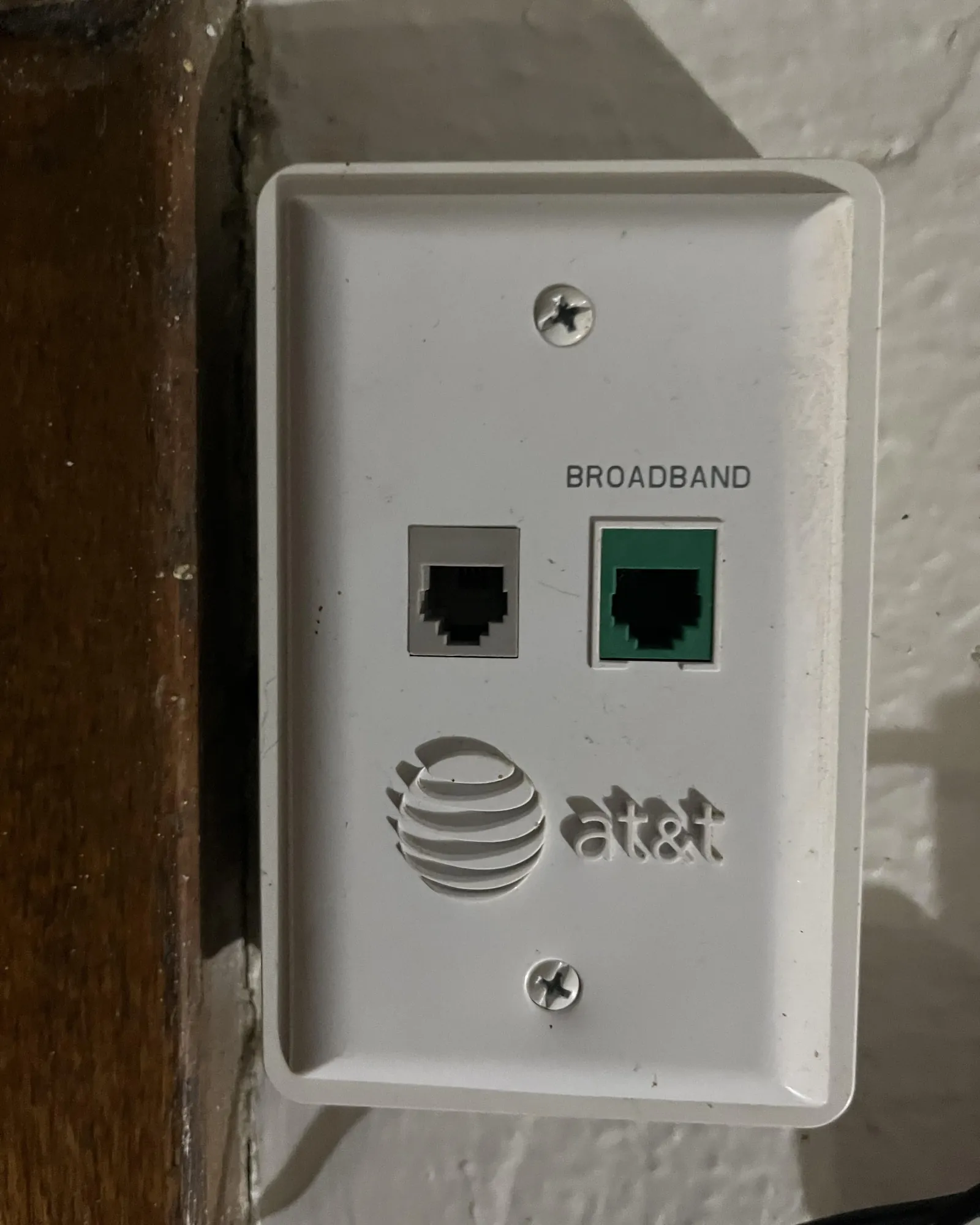
In many apartment buildings, every coax line runs to a central distribution box, often located in a hallway closet or the building basement. If your unit was recently vacated, the previous tenant’s connection might have been physically unplugged by a technician to prevent signal leakage. You can identify your line by looking for a label that matches your apartment number, though these labels are often faded or missing.
If you find the panel, look for a loose cable that matches the thickness of the one in your wall. If you see a cable hanging free near a splitter, it’s possible your line was disconnected. Only plug a cable back in if it’s clearly labeled for your unit. If the cables are unlabeled, don’t guess, as you might accidentally disconnect a neighbor’s service instead.
If you’re unsure, use a continuity tester. An inexpensive tool will confirm if the cable in your wall is the same one you’re holding in the basement. Without this verification, you risk triggering a service call for your neighbor, which often results in a technician fee charged to the building.
If the panel is locked or appears complex, stop immediately and ask your landlord to send maintenance. Never force a connector onto a port if it meets resistance, as bent pins can ruin the entire splitter.
Inspecting for cable damage
Cables hidden behind furniture or baseboards often suffer from physical stress. If a sofa has been pressing against the cable for a long time, the internal shielding may have collapsed. Look for sharp bends, kinks, or areas where the outer plastic casing is flattened or torn. A sharp 90-degree bend can break the internal wire without showing much damage on the outside.
Run your fingers slowly along the entire length of the cord. If you feel a soft spot or a sudden change in resistance, the internal copper conductors have likely snapped. If the cable feels warm to the touch, unplug it immediately and contact your landlord, as this indicates a dangerous electrical fault in the building’s wiring.
If you see physical damage, the cable must be replaced. In an apartment, you shouldn’t attempt to pull new wire through the walls, as this is a task for a professional contractor. If the damage is only on the short cable running from the wall to your device, simply swap it for a new one. If the damage is inside the wall, document the location and contact your property manager to request a repair.
Rare issues and professional help
- Service deactivation: If you moved in recently, your provider may have left the line “cold” at the street level, which requires a technician to visit and flip a switch.
- Splitter failure: If you use a signal splitter to connect multiple devices, the device itself may have died, which you can test by connecting the cable directly to your TV.
- Building-wide outage: If your neighbors are also missing their signal, the problem is a main line failure, which is outside your control.
- Wall plate corrosion: High humidity can cause the metal contacts to rust, preventing a clean connection.
If you have tried these steps and still have no signal, you need a professional. Don’t attempt to open electrical boxes or touch utility wiring if you aren’t trained, as you could cause a short circuit or damage the building’s infrastructure. Contact your ISP or landlord to schedule a technician who has the proper tools to test the signal strength at the source.
Repairs and service requirements
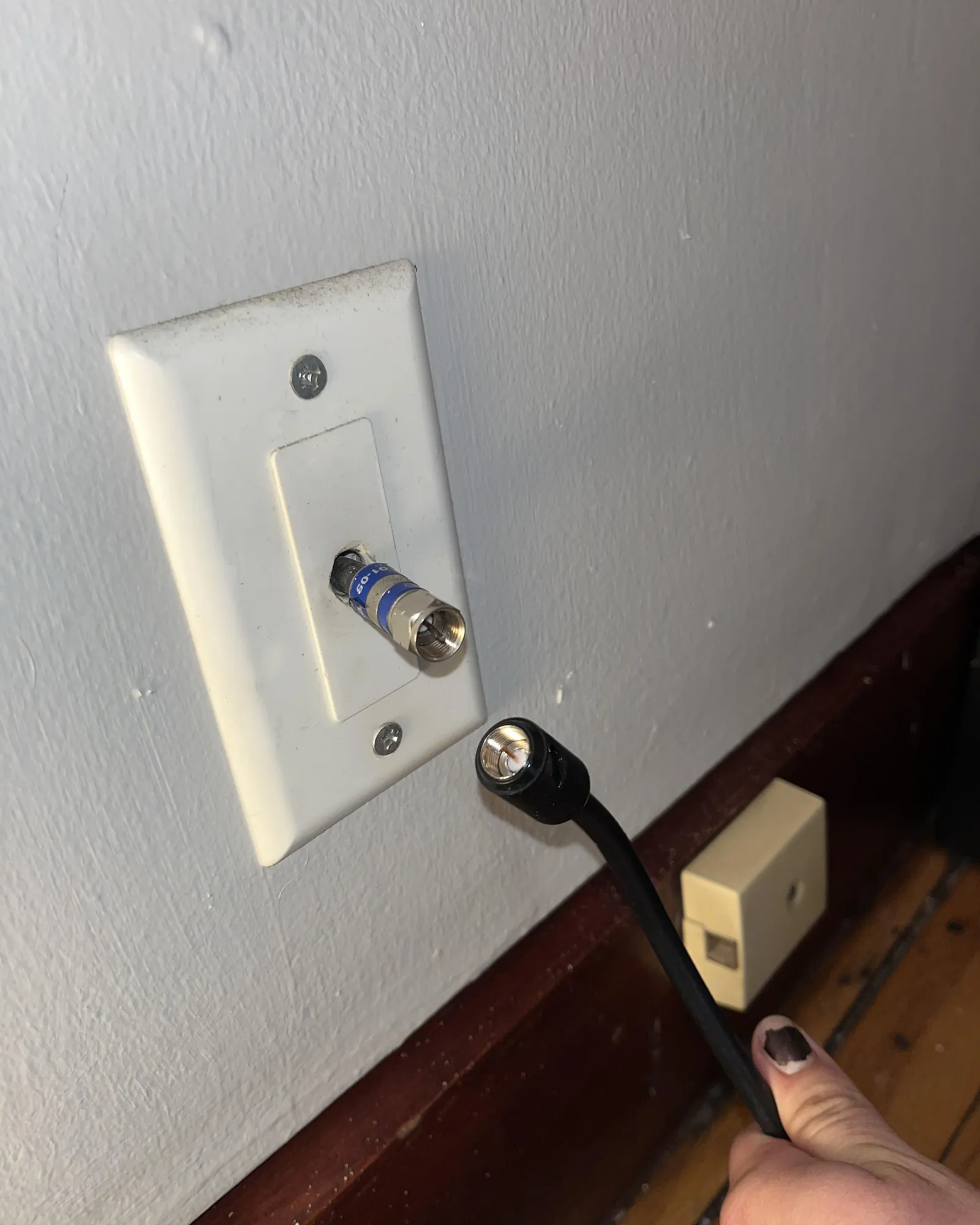
Fixing a coax issue usually requires nothing more than a fresh cable or a steady hand to tighten a connection. If you need to replace the patch cable running from the wall to your device, the cost is minimal, comparable to buying a basic kitchen accessory. You can find these cables at any electronics shop, and they’re usually sold by length. Always measure the distance from your wall to your device before shopping to ensure you get the right size.
If the problem is inside the wall or at the main utility box, the cost is significantly higher and involves professional labor. This situation is more like a plumbing repair, where you’re paying for a technician’s time and specialized equipment. If you’re a renter, you shouldn’t pay for these repairs yourself.
Always speak with your landlord first, as they’re typically responsible for the building’s infrastructure. If you call an internet provider directly, they might charge a fee if the technician finds that the issue is with the building’s wiring rather than the provider’s equipment.
Frequently asked questions
Can I use a different cable to test the outlet?
Yes, you should always test the outlet with a new, known-working cable first. A bad patch cable is a common reason for a lost signal, and replacing it’s the fastest way to rule out the simplest failure point. If the new cable doesn’t work, the issue is either with the wall port or the line coming into the building.
How long does it take for a technician to fix the line?
A professional repair usually takes 30 to 60 minutes once the technician arrives at your apartment. The time varies based on where the break is located and whether they need to access the building’s main distribution panel. If the wiring inside the wall is damaged, they may need more time to fish a new cable through the structure.
Is it safe to unscrew the wall plate?
It’s safe to unscrew the plate to look behind it, provided you don’t pull on any wires or touch any electrical outlets nearby. You’re only looking for a disconnected cable or obvious physical damage to the coax port. If you see any electrical wiring or feel unsure about the state of the cables, stop and leave the plate alone.
What happens if I disconnect the wrong cable at the panel?
If you disconnect the wrong cable, you’ll accidentally cut the internet or TV service for another apartment. This is why you should only touch cables that are clearly labeled with your unit number. If the cables aren’t labeled, it’s safer to leave the panel closed and ask your property manager to identify the correct line.
Does it matter if my cable is old?
Yes, old or low-quality cables can lose signal strength over time, especially if the internal copper shielding has degraded. A modern cable with proper shielding will provide a much more stable connection. If you have a very old cable, replacing it with a new one is a cheap way to ensure your signal is as strong as possible.
How do I know if the signal is reaching my apartment?
You can confirm if a signal is present by connecting a television directly to the wall outlet and running a channel scan. If the TV finds even a few local broadcast channels, the line is active and working. If the TV shows no signal at all, the issue is either a dead line or a problem with your specific service provider’s account.
Conclusion
Properly maintaining your coax connection starts with keeping the area behind your TV clear of heavy objects that could pinch the wire. If you move your equipment, always check the connection at the wall plate to ensure it remains tight. If you notice a sudden loss of signal after moving furniture, check for a bent cable first, as this is the most likely cause of the failure.
