
A boat’s hull is the watertight body of the vessel that provides buoyancy to keep it afloat and acts as a structural shell to protect passengers. It works by displacing water, which creates an upward force called buoyancy that pushes against the weight of the boat. Think of it like a hollow plastic cup placed in a sink; the air inside the cup keeps it on top because it pushes water out of the way.
Understanding the structure of a boat hull
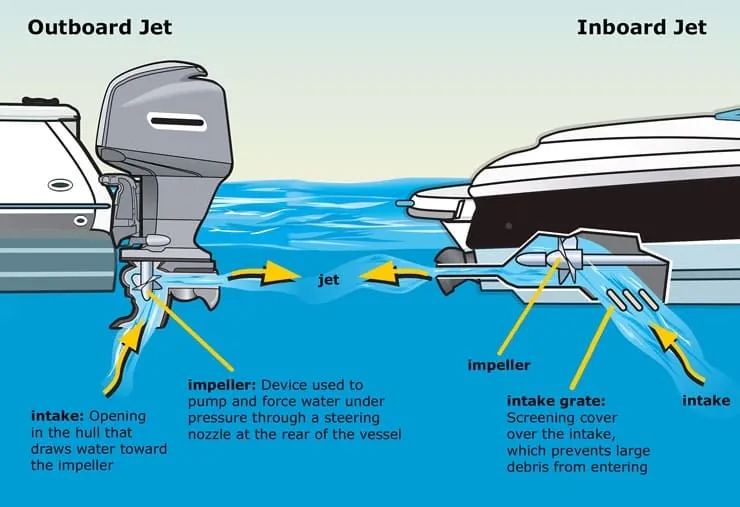
The design of a hull determines how the boat moves through the water and how stable it feels. Different shapes serve different purposes, ranging from fishing in shallow lakes to crossing deep, choppy oceans. You can identify the parts of a hull by looking at the exterior and interior framing of the boat.
| Part or input | What it does | What you notice when it goes wrong |
|---|---|---|
| Bow | Cuts through water | Boat pushes too much water |
| Stern | Supports the engine | Water enters through the transom |
| Keel | Keeps boat straight | Boat drifts sideways in wind |
| Chine | Provides lift and stability | The boat rolls or leans heavily |
| Rub rail | Protects side from impact | Scratches or dents on the side |
| Bilge | Collects water inside | Water pools under the floorboards |
Consult your owner’s manual to find the specific layout for your vessel, as these parts vary based on the manufacturer’s design.
How a boat hull moves through water
A hull operates by managing the flow of water around its surface while keeping the interior dry. This process relies on balancing weight and shape to ensure the boat stays upright and moves efficiently.
- The bow displaces water as it moves forward, creating a wave that moves away from the boat’s path. This usually happens within seconds of the engine starting.
- Water flows along the sides of the hull, providing lift that helps the boat rise higher in the water as speed increases, which typically occurs at 10 to 15 knots.
- The keel, a long structural piece along the bottom center, acts like a fin to keep the boat tracking straight instead of sliding sideways while moving forward.
- As the boat accelerates, the hull shape determines if it stays in the water or planes on top of it, which usually happens once the boat reaches a high speed.
- The stern sits low in the water to support the weight of the motor or rudder, ensuring that the propulsion system remains submerged during the entire trip.
- Throughout the journey, the hull maintains a seal against the outside water, preventing any leakage into the interior space where passengers and equipment are stored.
Why hull design affects boat safety
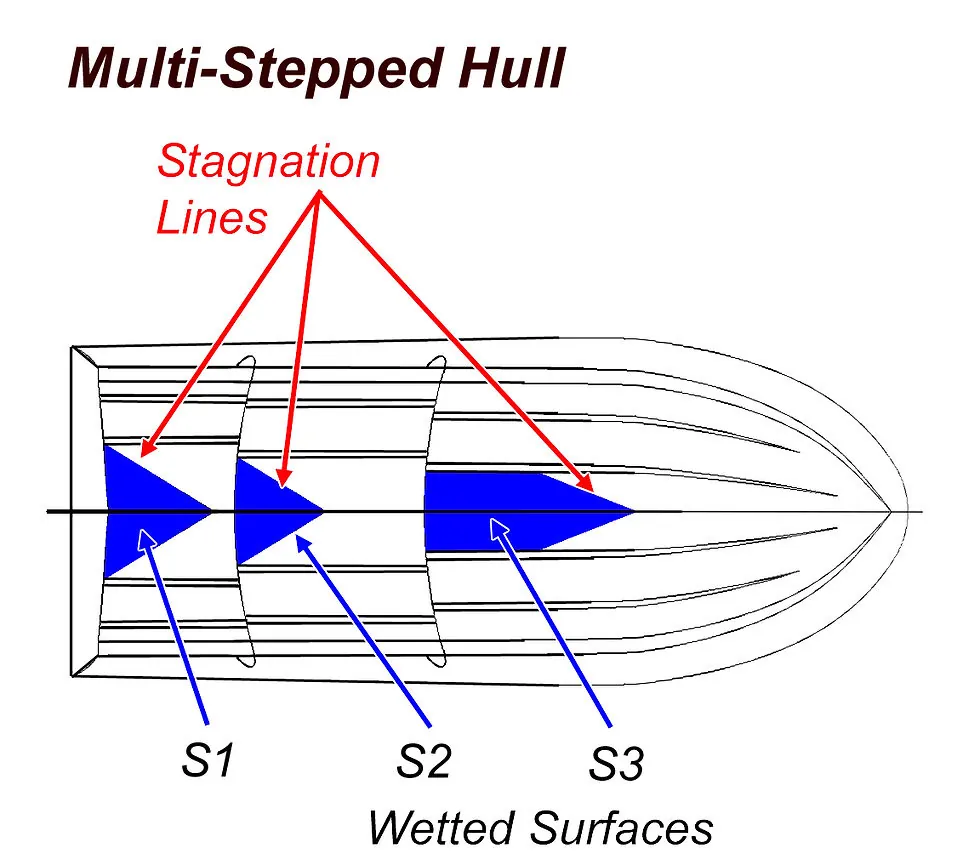
The primary job of a hull is to keep water on the outside, but its shape dictates how well it handles rough weather. A deep-V hull is designed to slice through waves, which reduces the impact felt by passengers. If a hull is too flat, it will slam hard against the water in choppy conditions. This happens because a flat surface can’t pierce the wave, so it hits the water with full force.
Stability is another factor linked to the shape of the hull. A wide hull provides more surface area on the water, making the boat feel steady when people move around inside. However, a wide hull often requires more power to reach higher speeds because it creates more drag. If you’re choosing a boat, you must decide between speed and stability.
Ignoring these design limits leads to a boat that sits too low, which makes it prone to taking on water over the sides. A hull that’s overloaded loses its ability to handle waves, creating a high risk of capsizing in open water.
Control and design limits
Things you can control
- Keep the hull clean to reduce drag and improve fuel efficiency.
- Check the hull for cracks or blisters before every trip.
- Distribute passenger weight evenly to keep the boat level.
- Apply anti-fouling paint to prevent growth on the bottom.
Fixed design limits
- The material of the hull, such as fiberglass or aluminum.
- The original shape of the hull bottom and sides.
- The maximum weight capacity set by the manufacturer.
If you find deep cracks or structural damage in the hull, you must stop using the boat immediately. Repairs to the structural integrity of a hull require professional marine training and specialized materials to ensure safety on the water.
Habits for better hull performance
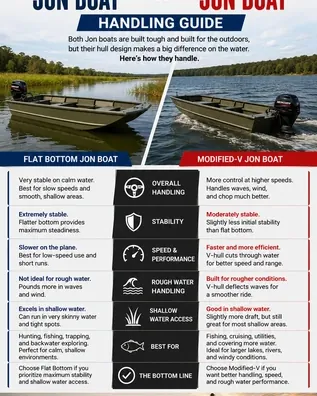
Maintaining the condition of your hull ensures that your boat remains safe and efficient for years. Regularly rinsing the hull with fresh water after use in salt water prevents corrosion and buildup that slows the vessel down. If you notice the boat feels sluggish, check the hull for marine growth or debris that might be catching the water.
Most owners should inspect the hull every time the boat is removed from the water, looking specifically at the seams and the transom area. If you store your boat on a trailer, ensure the rollers are positioned to support the weight of the hull evenly. Improper support can lead to permanent hull distortion over time. By keeping the exterior smooth and free of obstructions, you ensure that the water flows correctly as the designer intended.
Frequently asked questions
How often should I check my boat hull?
You should inspect the hull for cracks, leaks, or debris every time you pull the boat out of the water. A quick visual check after each trip helps you catch small problems before they become expensive repairs. If you keep the boat in the water, check it at least once a month.
Is it safe to patch a hole in the hull myself?
Small cosmetic scratches are safe to fix with marine-grade filler, but structural holes require professional repair. If the hull has a puncture that reaches the inner layers, don’t attempt a DIY fix. Contact a certified marine technician to ensure the repair meets safety standards for water pressure and integrity.
Does the hull material affect boat speed?
The material affects speed because it influences how smooth the surface is and how much the boat weighs. Fiberglass hulls are often smoother and lighter than older wooden hulls, which reduces drag. However, the shape of the hull is much more important for speed than the material it’s made from.
What happens if I overload the hull?
Overloading the hull causes the boat to sit lower in the water, which reduces the distance between the gunwale and the water surface. This makes the boat unstable and increases the chance of water splashing over the sides. Always check the capacity plate for the maximum weight the hull can support.
How long does a boat hull last?
A well-maintained hull can last for a long duration depending on the material and how it’s stored. Fiberglass hulls usually last longer than wood, but they can suffer from osmotic blistering if not protected. Check the manufacturer’s documentation for the expected lifespan of your specific hull construction and material.
Can I paint my boat hull with any paint?
You should only use marine-grade anti-fouling paint specifically designed for your hull material. Using the wrong paint can damage the gelcoat or cause chemical reactions that weaken the surface. Always check the label on the paint can to ensure it’s compatible with your boat’s specific hull type.
Conclusion
The hull is the most important part of your boat because it keeps you afloat and moving safely. Keep an eye on the hull’s condition and respect the weight limits set by the manufacturer to stay safe.
