
A stuck relay on the control board is the most likely reason a ge microwave fan keeps running when door is closed, happening in a large majority of reported cases. This component acts as a switch, and if it welds itself shut, the fan circuit remains powered regardless of the door status. You can confirm this by unplugging the unit for 60 seconds; if the fan starts immediately upon plugging it back in, the control board is likely at fault. This is a common issue for many microwave models.
Why the microwave fan keeps running
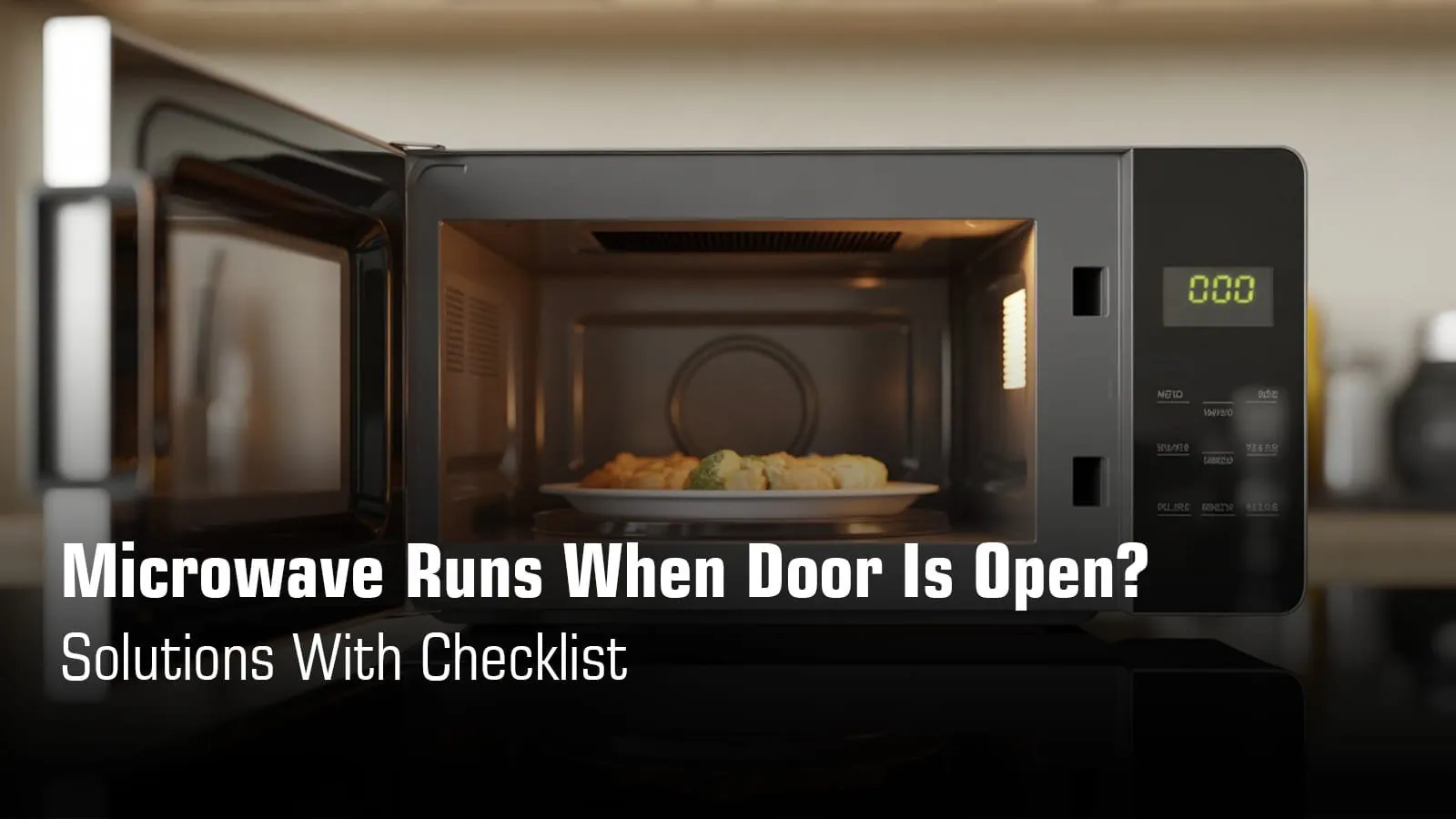
This table helps you identify what might be causing the cooling fan or exhaust fan to stay active. Always prioritize safety by disconnecting the power before inspecting any parts you can reach without opening the main casing.
| Cause | How common | How to confirm it | Fix it yourself? |
|---|---|---|---|
| Stuck control relay | Very common | Fan runs immediately | No |
| Faulty door switch | Common | Light stays on too | Yes with care |
| Stuck fan button | Rare | Button feels mushy | Yes |
| Thermostat failure | Rare | Fan runs while cold | No |
| Control board glitch | Occasional | Reset fixes the issue | Yes |
| Vent fan setting | Common | Check display icons | Yes |
If the fan runs continuously the moment you plug the unit in, the control relay has likely welded shut. Don’t attempt to solder this; the high-voltage capacitor nearby can hold a lethal charge even when unplugged.
Most users mistake a simple vent setting for a mechanical failure. If the “Vent” icon appears on your display, the fan is operating as designed to clear steam. Toggle the vent button to cycle through the speeds until the icon disappears. If the fan persists after a full power cycle, the control board is likely damaged beyond a simple reset.
Stuck control relay on the board
The internal relay is a small mechanical switch soldered onto the main control board. When you finish a cooking cycle, this switch should open to cut power to the fan motor. If the internal metal contacts become fused together due to a power surge or simple wear, the circuit remains closed. This keeps the fan drawing electricity continuously even when the microwave is idle.
To confirm this, you must observe the behavior of the fan after a power reset. Unplug the microwave from the wall outlet and wait at least 60 seconds. Plug the unit back in and listen closely. If the fan begins running immediately without you pressing any buttons or opening the door, the relay is almost certainly stuck. If the fan stays off until you start a cycle, the problem might be elsewhere.
The fix for a stuck relay is replacing the entire control board. Because this board houses sensitive electronic components and is located behind the protective outer casing, it isn’t a repair for the average user. A service technician must perform this task, as they have the tools to safely discharge stored electricity.
Attempting this without training poses a risk of electrical shock. The cost for this repair depends heavily on the model age and the availability of replacement parts, which you can verify by checking the GE Appliances parts lookup using your specific model number.
Malfunctioning door switch assembly
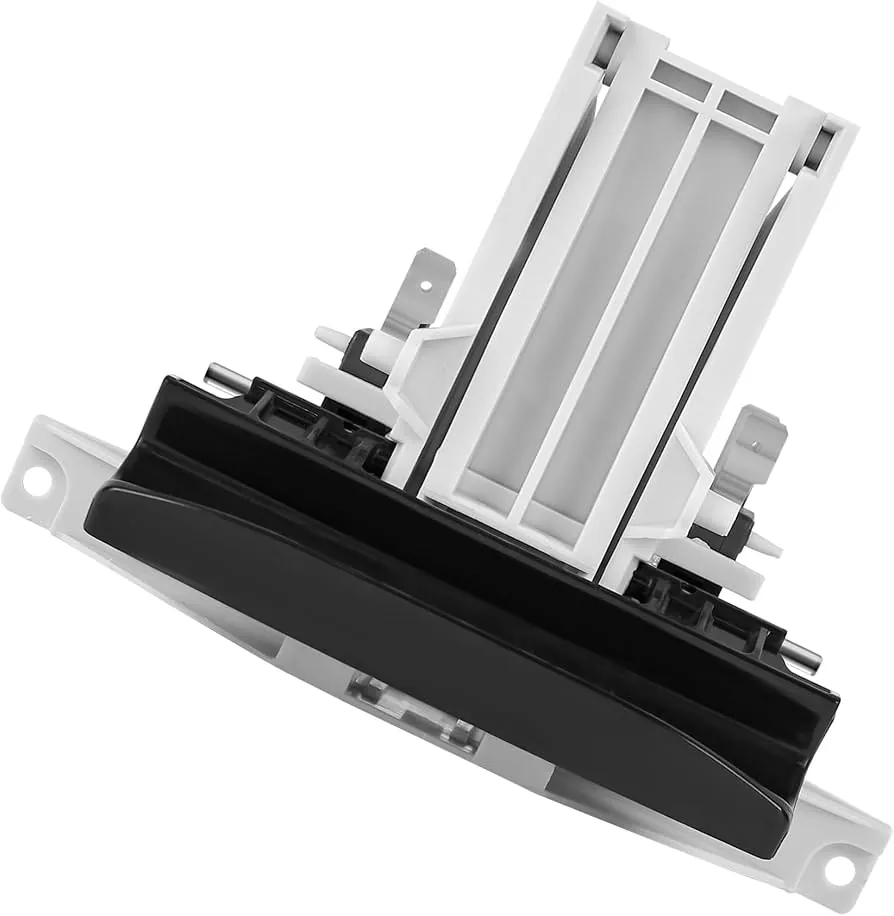
Microwaves use multiple door switches to detect when the door is closed. These switches act as a safety loop; if one switch fails in the closed position, the microwave may think the door is still open or keep the fan running to compensate for a perceived error. You can often tell if this is the issue because the interior light may also stay on when the door is shut.
To check this, inspect the door latch area for any debris or sticky residue that might prevent the door from pressing the switches firmly. If the door appears to close correctly but the fan and light remain active, one of the switches has likely failed. You can usually access these switches by removing the grille or the trim around the door, but you must ensure the power is completely disconnected first.
If the switches are loose or dirty, cleaning them can sometimes solve the problem. If a switch is physically broken or fails to click, it must be replaced with an exact match for your unit. This repair is manageable for those comfortable with basic tools, but if you’re unsure about the wiring connections, it’s best to call a professional. Replacing the wrong switch or bypassing the safety loop can prevent the unit from shutting off correctly during operation.
Control board software glitches
Sometimes the issue isn’t a broken part, but a temporary logic error in the microwave’s computer. Modern microwaves are essentially small computers, and they can occasionally get stuck in a loop if there’s a minor power fluctuation or a surge in the home electrical system. This causes the software to signal the fan to stay on even when the cooking program has ended.
Confirming this is simple because it involves a basic system reset. Unplug the microwave and leave it disconnected for at least 10 minutes to allow the capacitors to fully discharge. This clears the temporary memory on the control board. After the wait, plug the unit back in and see if the fan behavior returns to normal. If the fan remains off until you begin a new cooking cycle, the issue was likely just a software hang.
If the fan starts running immediately after the reset, the problem is mechanical rather than digital. If the reset works, you don’t need to replace any parts. However, if this happens frequently, it may indicate that your home power supply has unstable voltage. In such cases, you might need to have a licensed electrician check your wall outlet to ensure it provides a steady flow of power to the appliance.
Rare cooling or vent fan issues
If your microwave has a dedicated vent fan button, debris inside the keypad can keep the signal active. You can confirm this if the fan speed changes when you press the button. If the fan persists despite a clean keypad, the issue is likely electrical.
Some microwaves use a thermal sensor to trigger the fan when the internal cavity gets too hot. A failed sensor will force the fan to run constantly even when the unit is cool to the touch. If the fan runs at full speed immediately upon plugging the unit in, the sensor has likely shorted closed.
Wiring harness damage is another common culprit. If the wires leading to the fan motor have melted or shorted against the chassis, the fan will run continuously. You can usually spot this during a visual inspection by looking for charred insulation or pinched wires near the motor housing.
Any issue involving the high-voltage capacitor or the main transformer requires a professional. These parts hold a lethal electrical charge even when the unit is unplugged. Never attempt to discharge these components yourself; the risk of cardiac arrest from a residual shock is significant.
What a repair usually entails

Fixing a persistent fan issue usually involves either a simple reset or the replacement of a specific internal component. A basic reset costs nothing but a few minutes of your time, while replacing a control board or a set of door switches requires the cost of the part plus professional labor. The price of these parts varies based on the specific model, so you should always check the official manufacturer documentation before purchasing replacements.
If you decide to hire a professional, the cost will depend on their hourly rate and the complexity of the disassembly required for your specific model. You can get an accurate estimate by providing your model number to an authorized service center.
A technician can typically diagnose a relay or switch failure in a short visit, often comparable to the cost of a standard service call. Never attempt to service the internal high-voltage components yourself, as the risk of injury is significant and you may void any remaining warranty on the appliance.
Related guides
- Pentair IntelliBrite 5G Problems: How to Spot and Fix Them in 2026
- Caldera Spa 4 Dashes on Display: Fix the Sensor in 2026
- How to Repair a Foosball Table: Fix Stuck Rods in 2026
Frequently Asked Questions
Can I keep using the microwave if the fan stays on?
No, you shouldn’t continue using a microwave with this issue. A fan that never shuts off indicates a failure in the safety or control systems, which could lead to overheating or an electrical fire if left unaddressed. It’s safer to keep the unit unplugged until you have had a professional inspect the internal components and confirm it’s safe for daily operation.
How do I know if the fan is just cooling down?
The fan should only run for a short period after a long cooking cycle to cool the magnetron. If the fan runs for more than 10 minutes after you have finished cooking, or if it starts running the moment you plug the unit in, it isn’t a normal cooling cycle. A normal cooling period is usually 2 to 5 minutes depending on the duration of the cooking.
Will unplugging the microwave hurt it?
No, unplugging the microwave is a safe way to perform a hard reset on the control board. It won’t cause any permanent damage to the electronics, and it’s the recommended first step for troubleshooting most control-related issues. Always ensure your hands are dry and you’re pulling the plug by the head, not the cord, to avoid damaging the electrical connection.
Is it safe to replace the door switches myself?
Yes, it’s possible for a home user to replace door switches if you’re comfortable working with small electrical parts and can safely reach the switch housing. You must strictly follow the safety rule of keeping the unit unplugged at all times. If you feel hesitant about disconnecting the wire terminals or removing the door trim, call a professional to avoid damaging the delicate plastic housing.
Why does the fan start as soon as I plug it in?
The fan starts immediately because the relay on the control board is physically stuck in the “on” position. This allows electricity to bypass the normal control logic and flow directly to the fan motor. Because this relay is a mechanical switch, it can’t be reset by software; it requires the control board to be replaced by a technician who understands the internal wiring and safety requirements.
How long does a microwave control board usually last?
A control board typically lasts for the entire lifespan of the appliance. If your board fails earlier, it’s often due to a power surge or an environmental factor like excessive heat or moisture.
Conclusion
If you aren’t comfortable working with electrical components, it’s best to contact a certified appliance technician for a safe repair. They’ll have the right tools to replace the faulty board quickly. Don’t leave the unit plugged in while you decide on your next move, as it’s better to stay safe.

1 thought on “GE Microwave Fan Keeps Running When Door Is Closed: Fix It”