
A complete guide to capacitors explains how these components store and release electrical charge in circuits, from tiny ceramic discs to large electrolytic cans. This guide covers how they work, where they fit, how to pick values, and what to watch for when replacing them.
What a capacitor actually is
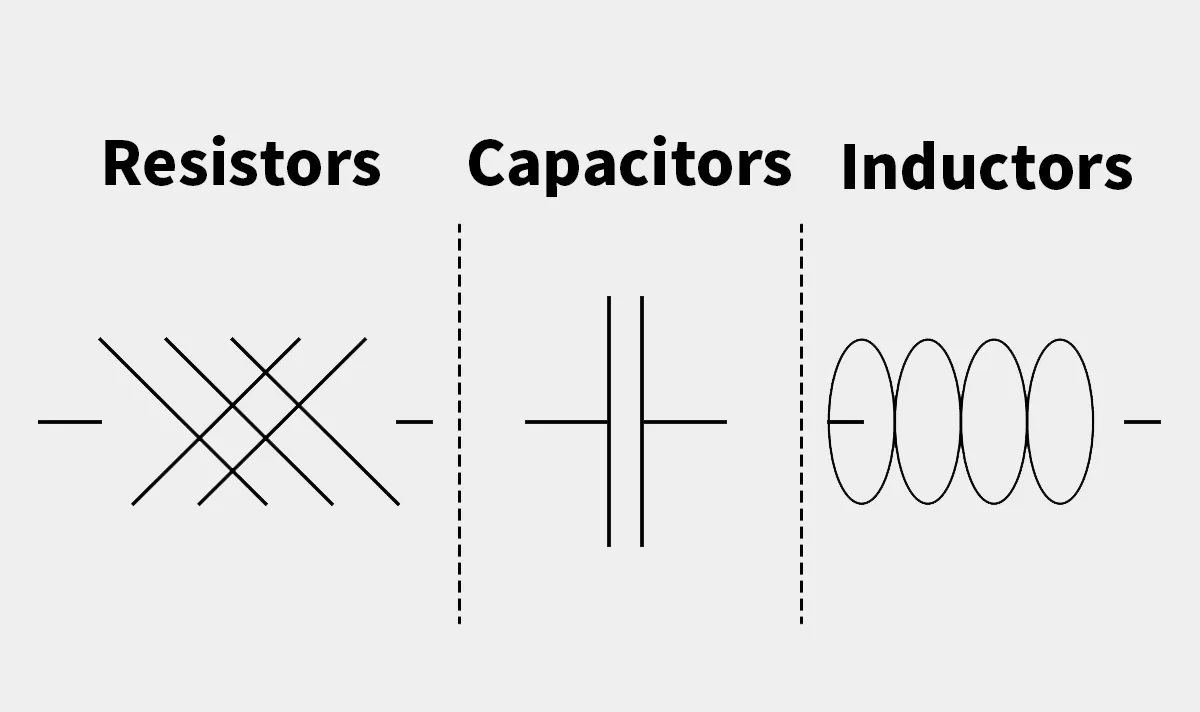
A capacitor is a simple part made of two conductive plates separated by an insulating material called a dielectric. It stores electrical energy in an electric field between those plates and releases it back into the circuit when needed. You’ll find capacitors in power supplies, audio gear, motor starters, and timing circuits, where they smooth out voltage, filter signals, or bridge short gaps in power. They come in many forms — ceramic, film, electrolytic, tantalum — each suited to different jobs.
A common misconception is that a capacitor works like a small battery; it does not, because it stores energy electrostatically rather than chemically, limiting how much total energy it can hold. Capacitance is measured in farads, but most parts you’ll handle are rated in microfarads or picofarads. If you need exact values for a specific part, check the manufacturer’s datasheet rather than guessing.
A complete guide to choosing capacitors
- Identify the job — smoothing, filtering, coupling, timing, or starting a motor.
- Read the required capacitance from the circuit diagram or the old part’s markings.
- Pick a voltage rating at least 20% higher than the circuit’s maximum voltage.
- Match the dielectric type to the application — ceramic for high frequency, electrolytic for bulk storage.
- Check polarity if the part is electrolytic; the stripe marks the negative lead.
- Confirm the physical size and lead spacing fit the board or chassis.
- Solder in place, observing correct orientation, and test before powering up fully.
The single judgement call that separates a good result from a bad one is voltage rating. A capacitor with too low a rating can fail, leak, or burst when the circuit runs at its normal peaks, so never choose based on capacitance alone. If the job involves mains voltage or high stored energy, have a qualified technician handle it, because charged capacitors can deliver a dangerous shock even after the device is unplugged.
Common values and ratings at a glance
| Situation | What to use | How long it lasts | What to watch for | | Power supply smoothing | Electrolytic, high µF | Years until it dries out | Bulging or leaking case | | Signal coupling | Film or ceramic | Very long | Polarity on electrolytics | | High-frequency decoupling | Ceramic, small value | Very long | Voltage rating under spikes | | Motor start | Non-polarized start capacitor | Shorter under heat | Correct µF and voltage | | Audio signal path | Film or quality ceramic | Very long | Avoid cheap electrolytics |
These figures assume normal room temperature and a circuit running within its design limits. Heat is the biggest enemy, especially for electrolytics, so parts near hot components age faster. If you’re unsure of a value for your specific board, check the equipment manufacturer’s service manual.
Details that separate good results from bad ones
Experienced builders prepare by discharging old capacitors before touching them, because a charged part can bite even after power is off. They work in the right order: value first, then voltage rating, then physical fit, never the other way around. Partway through, they check polarity marks against the board silkscreen, since reversing an electrolytic can destroy it the moment power is applied.
They also leave cheap general-purpose parts out of audio signal paths and high-heat areas, where they fail sooner. These are specific, checkable habits, not vague advice. If you’re replacing a part, note the old one’s markings before you desolder it, because a wrong guess on voltage or capacitance can damage the circuit.
Problems you might notice and how to fix them

| What you notice | What it usually means | What to do first | | Bulging or leaking top | Electrolytic has dried out or failed | Replace with same µF and equal or higher voltage | | Hum or noise in audio | Coupling or filter capacitor failing | Test or replace the suspect part | | Circuit dead after power-on | Shorted capacitor across rails | Find the short before installing a new part | | Motor won’t start | Start capacitor lost capacitance | Replace the motor capacitor |
Each cause here is one I am certain of; where the cause is unclear, the fix is to test the part with a capacitance meter or replace it with a known-good unit. Never probe a powered circuit unless you know exactly where the dangerous points are.
Limits and rules that matter
Voltage rating is a hard limit, not a suggestion. Exceeding this threshold causes the internal dielectric to rupture, which often results in a catastrophic short circuit. If your circuit operates near the component’s limit, select a part with a voltage rating at least 50% higher than the maximum expected peak to account for transient spikes.
Capacitance tolerance varies by type, so a part may measure anywhere within its printed tolerance band; verifying the actual value is a job for a technician.
Temperature ratings matter too. A capacitor rated for 85 °C will fail prematurely in a hot enclosure. For every 10 °C increase above the rated temperature, the expected lifespan of an electrolytic capacitor is cut in half. Where a job involves mains voltage, stored energy, or equipment under warranty, use a professional.
Keeping capacitors working after installation
Keep the equipment cool and dry, since heat dries out electrolytics and humidity corrodes leads. Check power supplies in older gear for bulging or leaking parts, and replace anything that looks suspect before it damages the board.
How often you need to do this depends on use, so watch for the sign itself — a swollen case, leaked residue, or a change in performance — and act when you see it. If you need specific service guidance for your equipment, the owner’s manual is the authority.
When a capacitor isn’t the right answer
If the circuit needs energy stored for hours rather than fractions of a second, a battery is the correct choice, not a capacitor.
If the voltage is far beyond any common capacitor rating, the design itself needs rethinking by an engineer.
Swapping in a higher-voltage part often means a physically larger one that won’t fit the board.
If you’re repairing a device under warranty, opening it and swapping parts can void that protection. Contact the manufacturer or an authorised service centre first.
Capacitors also fail where precision matters.
Batteries hold steady. If your timing circuit depends on an exact charge rate, a standard ceramic capacitor will shift your intervals.
Frequently asked questions
Can a capacitor store power like a battery?
No. A capacitor stores energy electrostatically rather than chemically, so it can’t store enough total energy to replace a battery for long-term power.
Why does my capacitor bulge?
It usually means the electrolyte inside has broken down or the part has been overvoltaged or overheated, and it should be replaced.
How long does a capacitor last?
It varies by type and temperature; electrolytics often last several years under normal conditions, while ceramics can last much longer. Heat is the main factor that shortens life, so check the manufacturer’s rating for your part.
Is it safe to touch a capacitor after unplugging a device?
No, not always. Large capacitors can hold a dangerous charge after power is removed, so discharge them properly or let a technician handle it.
What happens if I connect an electrolytic capacitor backwards?
It can fail quickly, leak, or even burst, so always match the polarity marks to the board before soldering.
How do I read the value on a capacitor?
Look for the printed number in microfarads or picofarads, plus any voltage and tolerance markings; if the marking is unclear, check the manufacturer’s datasheet.
Conclusion
Capacitors are small parts with a big job, and choosing the right one comes down to matching value, voltage, type, and polarity to the circuit. When in doubt about a high-voltage or mains-powered job, hand it to someone qualified.

1 thought on “A Complete Guide to Capacitors: How They Work and Replace”