
Gelatinization is the fundamental physical process where starch granules absorb water and swell under the influence of heat, transforming raw, indigestible starch into a thickened, palatable state. This phenomenon occurs when the crystalline structure of starch molecules—specifically amylose and amylopectin—breaks down in the presence of moisture and thermal energy. As the temperature rises, hydrogen bonds holding the starch granules together weaken, allowing water to penetrate the internal matrix. This interaction is the cornerstone of culinary science, dictating the texture of everything from silky sauces to fluffy rice and structured baked goods. Understanding this transition allows home cooks and food scientists alike to manipulate the viscosity and mouthfeel of various dishes with precision.
Key Takeaways
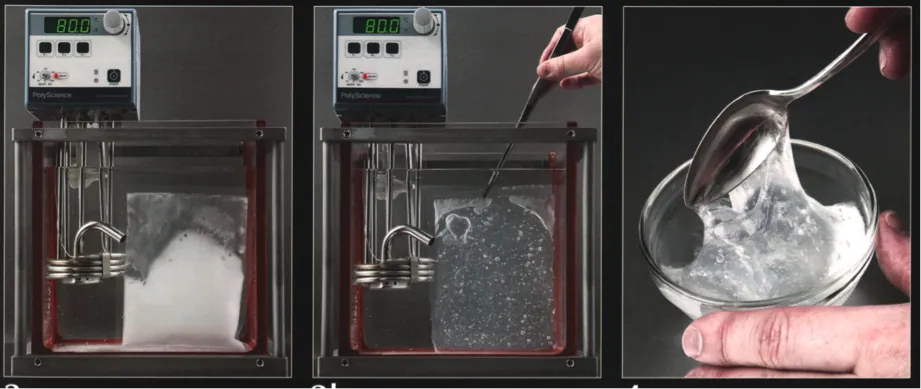
- Starch granules require both water and heat to initiate the swelling process that leads to thickening.
- The temperature range for gelatinization varies by source; wheat starch begins thickening at a lower heat than potato starch.
- Over-stirring or excessive heat can cause granules to collapse, resulting in a thinned texture or loss of viscosity.
- Adding fats or sugars can delay the gelatinization process by competing for available moisture or coating granules.
- Cooling thickened starches often leads to retrogradation, where molecules realign to form a firmer, gel-like structure.
The Science of Starch and Heat
At the molecular level, starch exists as stored energy in plants, organized into dense, semi-crystalline granules. When these granules are suspended in cold water, they remain intact and settle at the bottom of the container.
As you apply heat, the kinetic energy causes the starch chains to vibrate, eventually disrupting the organized structure. This molecular reorganization allows water molecules to move inside the granule. As water enters, the granule expands significantly, increasing the viscosity of the surrounding liquid. This is the precise moment when a thin slurry turns into a thickened sauce.
Why Does Starch Thicken Liquids?
The thickening effect is primarily driven by the leaching of amylose molecules from within the starch granule into the surrounding liquid. Once these chains are free, they create an intricate, web-like network that traps water molecules, effectively immobilizing the fluid.
The size and concentration of the granules determine how much thickening occurs. Larger granules, like those found in potato or tapioca, swell rapidly and create a translucent, high-viscosity paste. Smaller granules, such as those in rice or corn, require higher temperatures and often produce a more opaque, stable texture.
| Starch Source | Typical Thickening Temp | Clarity of Result |
|---|---|---|
| Cornstarch | 145°F – 165°F | Translucent |
| Wheat Flour | 150°F – 175°F | Opaque |
| Potato Starch | 135°F – 155°F | Very Clear |
| Rice Starch | 155°F – 180°F | Opaque |
How Does Temperature Affect Gelatinization?
Each botanical source of starch has a distinct “gelatinization range,” which is the specific temperature window where the granules reach their maximum swelling capacity. If the temperature is too low, the starch remains raw and powdery, failing to thicken the liquid.
Conversely, if the heat is too intense or applied for too long, the swollen granules can rupture completely. This structural collapse causes the starch network to disintegrate, leading to a sauce that was once thick suddenly becoming watery and thin. Consistent, moderate heat is essential for maintaining the integrity of the gelatinized matrix.
The Role of Amylose and Amylopectin
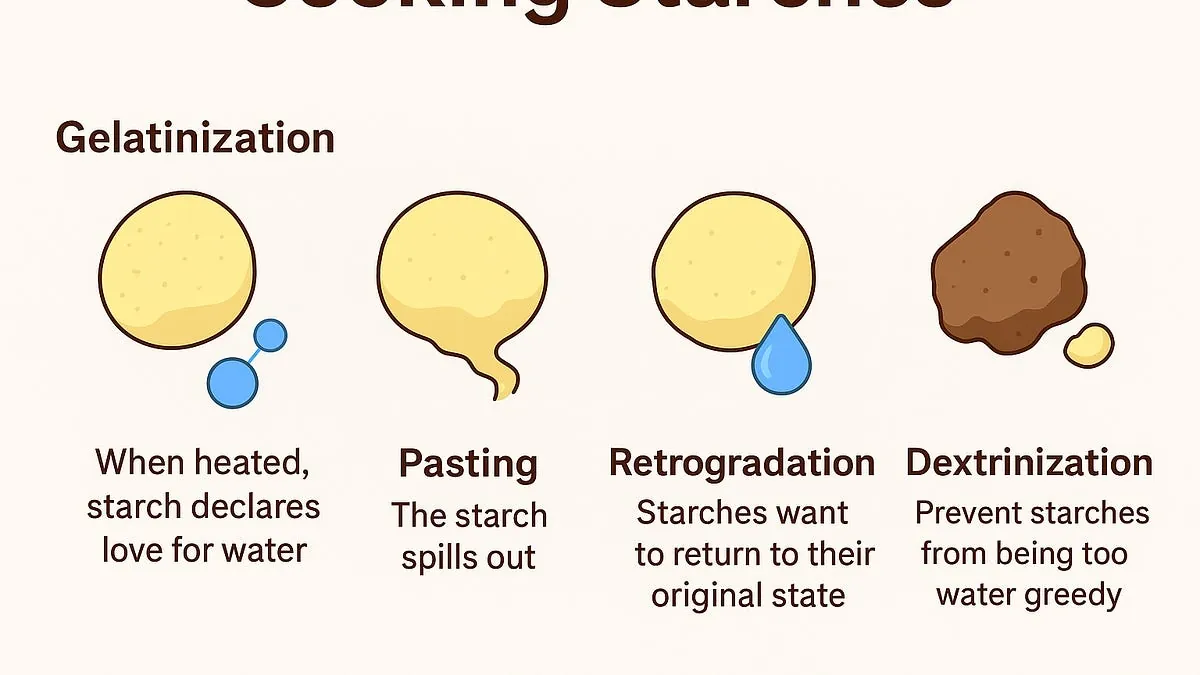
Starch is composed of two primary glucose polymers: amylose and amylopectin. Amylose consists of long, linear chains, while amylopectin is highly branched. The ratio of these two molecules dictates the behavior of the starch during and after heating.
High-amylose starches, like those found in specific varieties of corn, tend to form firm, rigid gels upon cooling. In contrast, high-amylopectin starches, such as waxy corn or tapioca, produce a cohesive paste that remains soft and resists gel formation. Understanding this balance is critical when choosing a thickener for a delicate custard versus a hearty gravy.
Factors That Inhibit Starch Swelling
Several ingredients common in the kitchen can interfere with the way starch granules absorb water. Sugar, for example, is highly hygroscopic; it competes with starch for moisture, effectively delaying the swelling process and requiring a higher temperature to achieve the same level of thickness.
Similarly, fats can coat the starch granules, creating a hydrophobic barrier that slows down water penetration. This is why many classic recipes, such as those documented by Oregon State University Extension, recommend mixing starch with cold liquid or fat before heating to prevent clumping and ensure an even distribution of granules throughout the mixture.
What is Retrogradation?
Retrogradation is the secondary phase of starch behavior that occurs as a thickened mixture cools. As the temperature drops, the amylose and amylopectin molecules begin to realign and form new, tighter hydrogen bonds. This process expels trapped water, a phenomenon known as syneresis or “weeping.”
You have likely seen this in refrigerated puddings or sauces that have developed a layer of liquid on the surface. While some retrogradation is desirable for the structure of bread or firm jellies, it can be detrimental to the creamy texture of a sauce or soup that has been stored in the refrigerator.
Troubleshooting Common Thickening Issues
Even with a clear understanding of the science, problems can arise during the cooking process. If your sauce is lumpy, it’s usually because the starch granules didn’t disperse properly before heating, causing them to clump together and trap pockets of raw, dry starch inside. If your sauce is too thin, you may not have reached the necessary temperature to fully hydrate the starch, or you may have added too much liquid for the amount of starch used.
| Problem | Potential Cause | Immediate Fix |
|---|---|---|
| Lumpy Texture | Improper dispersion | Strain or whisk vigorously |
| Thin Consistency | Insufficient heat | Increase temperature slowly |
| Grainy Mouthfeel | Over-cooking/Rupture | Add more starch slurry |
| Watery Surface | Retrogradation | Reheat and whisk in |
How to Properly Use Starches
To achieve the best results, always aim for a controlled environment. When using cornstarch or arrowroot, create a slurry with cold water before adding it to a hot liquid. This prevents the outer layer of the starch from gelatinizing instantly while the center stays dry.
If you’re using flour, such as in a roux, you must cook the flour-fat mixture for several minutes to remove the raw, pasty flavor before adding your liquid. This toasting process also alters the starch structure slightly, resulting in a more stable and flavorful thickening agent.
Related guides
Frequently Asked Questions
Why does my sauce get thin after sitting?
This is typically caused by over-cooking or the presence of high-acid ingredients. Excessive heat causes the swollen starch granules to burst and collapse, losing their ability to trap water. Alternatively, acidic ingredients like lemon juice or vinegar can break down the starch chains during the cooking process. To prevent this, add acidic components at the very end of the cooking cycle, just before serving the dish.
Can I reheat a thickened sauce?
Yes, but you must do so gently. Rapid boiling can cause the starch network to break down further, leading to a loss of viscosity. Use low heat and stir continuously to ensure the sauce warms evenly without reaching a point where the granules rupture. If the sauce becomes too thin upon reheating, you can whisk in a small amount of additional starch slurry to restore the desired thickness.
What is the difference between starch and flour?
Flour contains both starch and proteins like gluten. While the starch provides thickening power, the proteins can add structure and opacity. Pure starches, such as cornstarch or potato starch, are more potent thickeners and produce a clearer, more translucent result. Flour is better suited for gravies and stews where a heartier, more opaque texture is desired, whereas pure starches are ideal for delicate sauces, pie fillings, and glazes.
How do I prevent starch from clumping?
Clumping occurs when the outside of a starch particle gelatinizes before the inside can hydrate. To avoid this, always mix your starch with a cold liquid to create a smooth, lump-free slurry before incorporating it into a hot base. If you’re using a roux, slowly whisk the liquid into the fat and flour paste. The goal is to ensure each granule is surrounded by liquid before the temperature rises.
Conclusion
Mastering the mechanics of heat and starch is the single most effective way to elevate your cooking from following recipes to understanding the architecture of food. By controlling the temperature, managing the concentration of starches, and respecting the influence of other ingredients, you can achieve the perfect consistency in every dish. Start by experimenting with a simple cornstarch slurry in a clear broth to observe the visual transformation firsthand.
