
For most pool owners, the jandy vs hayward debate comes down to whether you need a simple, reliable system or advanced automation features. Hayward wins on durability and parts availability, while Jandy leads in smart home integration.
How Jandy and Hayward pumps compare
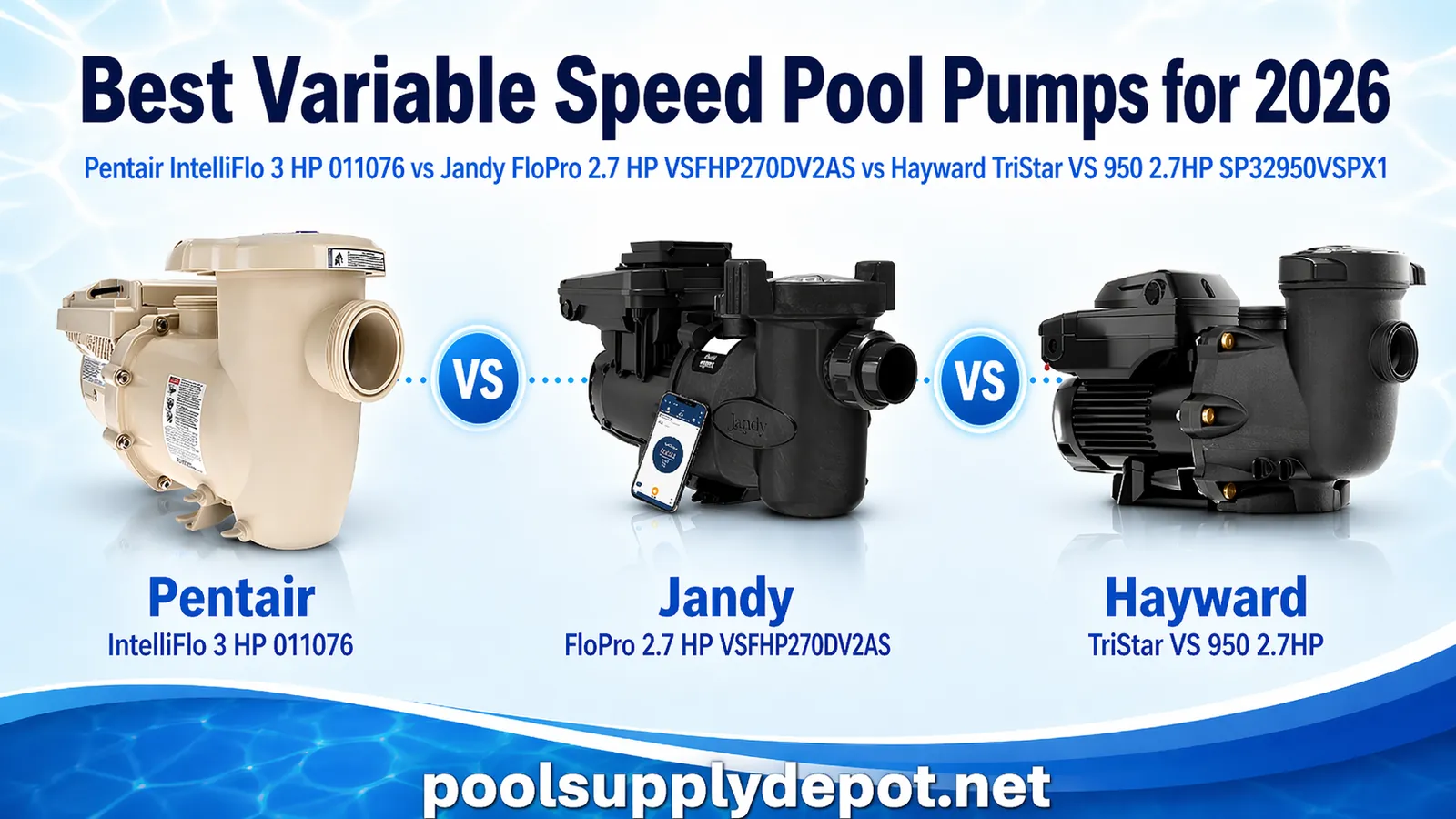
Choosing between these two giants can feel overwhelming because both make excellent gear. You need to look past the marketing and see how they actually perform in real pools. The table below breaks down the core differences in their most popular products like pumps, filters, and heaters. It helps you see which brand fits your budget and skill level without guessing.
| Method | How long | Effort | Cost | Best for | | :— | :— | :— | :— :— | | Hayward ProSeries | 10-15 years | Low | Medium | Owners who want simple, rugged gear that lasts | | Jandy Z-Series | 8-12 years | Medium | High | Tech lovers who want app control and quiet runs | | Generic Parts | 5-8 years | High | Low | DIYers on a tight budget with older systems | | Custom Hybrid | Varies | Very High | Variable | Complex setups needing mixed brand compatibility |
Hayward pumps are known for their durable thermoplastic or aluminum motor housings that resist corrosion in pool environments. They often run louder than Jandy but rarely fail under heavy use. Jandy focuses heavily on variable speed technology and seamless connection to their AquaLink app. This makes them easier to program but sometimes harder to fix if the electronics go bad.
Generic parts are cheap but lack the warranty support of the big names. A hybrid setup might save money upfront but creates headaches when troubleshooting errors later. Most experts suggest sticking to one brand for your entire system to avoid compatibility issues.
Installing a Jandy variable speed pump
This method works best if you already have a Jandy controller or plan to buy one soon. The process takes about two hours for a standard single-speed replacement. First, turn off the power at the breaker and drain the water from the pump housing completely.
Remove the old pump by disconnecting the plumbing unions and unscrewing the mounting bolts. Clean the surface where the new unit will sit to ensure a perfect seal. Place the new Jandy pump and connect the plumbing using Teflon tape on all threaded joints.
Next, wire the unit according to the diagram inside the cover, matching the voltage settings carefully. Power up the system and set the desired flow rate using the digital display panel. Program the daily schedule to match your filtration needs and energy goals.
This system excels at saving electricity by running slowly for longer periods. It also integrates perfectly with other Jandy devices for automated chemical balancing. The main weakness is that the circuit board can be sensitive to power surges. You should install a surge protector nearby to prevent costly electronic failures during storms.
Setting up a Hayward Super Pump system
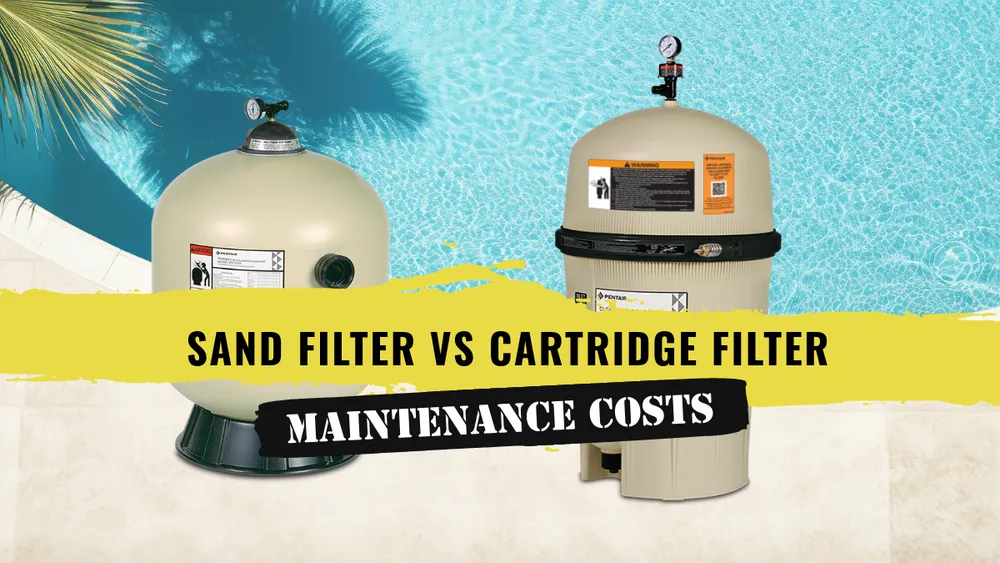
This approach suits homeowners who prefer proven mechanical simplicity over high-tech features. Installation usually takes ninety minutes if the plumbing lines up correctly. Start by shutting off the power and removing the old motor and wet end assembly.
Inspect the O-rings and replace any that look cracked or brittle before installing the new unit. Mount the new Hayward pump securely to the pad and reconnect the suction and return lines. Ensure all clamps are tight to prevent air leaks that hurt performance.
Connect the electrical wires to the terminal block, making sure the ground wire is secure. Turn the power back on and prime the pump by opening the air relief valve. Adjust the speed dial or timer switch to your preferred operating cycle.
These units are known for handling debris better than most competitors in dirty environments. They also offer lower initial purchase prices compared to top-tier variable speed models. The downside is that they can’t communicate with smart home systems easily. You’ll miss out on remote monitoring unless you add expensive third-party controllers later.
Choosing a hybrid or alternative path
Some pool owners mix brands to get the best features from each side. You might use a Hayward filter for its durability but pair it with a Jandy heater for its efficiency. This works only if you understand how the pressure gauges and flow rates interact between different manufacturers.
Matching the gallons per minute rating on your pump to the maximum flow rate of your filter is essential. Exceeding that limit forces water through the media too fast, pushing debris straight back into the pool.
Another option is buying a generic variable speed pump that mimics the high-end specs for less money. These alternatives often lack the robust software updates and long-term support of the major brands. If you choose this route, verify that the warranty covers the entire system, not just individual parts.
Generic pumps also rely on basic timers rather than communicating directly with your automation panel. A name-brand drive will automatically reduce its speed when the heater fires up to protect the heat exchanger. Without that signal, a cheaper motor might push water too fast and trigger a high-limit shutdown.
The trade-off here is clear: you save money now but risk higher maintenance costs later. A mismatched system can cause cavitation or poor filtration if the flow rates don’t match exactly. Always check the manufacturer’s compatibility charts before buying any non-matching components.
Cavitation sounds like marbles rattling inside the pump housing because air bubbles are collapsing against the impeller. It can damage seals and the impeller quickly if left unchecked.
If your pool has complex lighting or cleaning robots, stick to one ecosystem to avoid glitches. For simple residential pools, a single brand usually provides the smoothest operation year after year.
Which one should you use?
If you’re in a hurry, pick Hayward because their parts are available at almost every local store. You won’t wait days for a shipment when something breaks, and repairs are straightforward for any technician. When you’re doing this for the first time, choose Jandy if you want an easy-to-use app interface.
Their guided setup wizards help beginners avoid common wiring mistakes and programming errors. If you want the best possible result whatever it takes, go with a full Jandy system. The integration between their pumps, heaters, and cleaners offers unmatched convenience and energy savings.
The trade-off always comes down to immediate cost versus long-term flexibility. Hayward saves you cash today but limits your ability to automate the future. Jandy requires a bigger investment now but pays off in reduced labor and energy bills later.
Think about how long you plan to keep the pool before deciding. A short-term owner might prefer the lower entry price of Hayward. A long-term resident will likely appreciate the advanced controls of Jandy more. Your decision shapes your daily routine for the next decade.
Rules that apply whichever way you choose
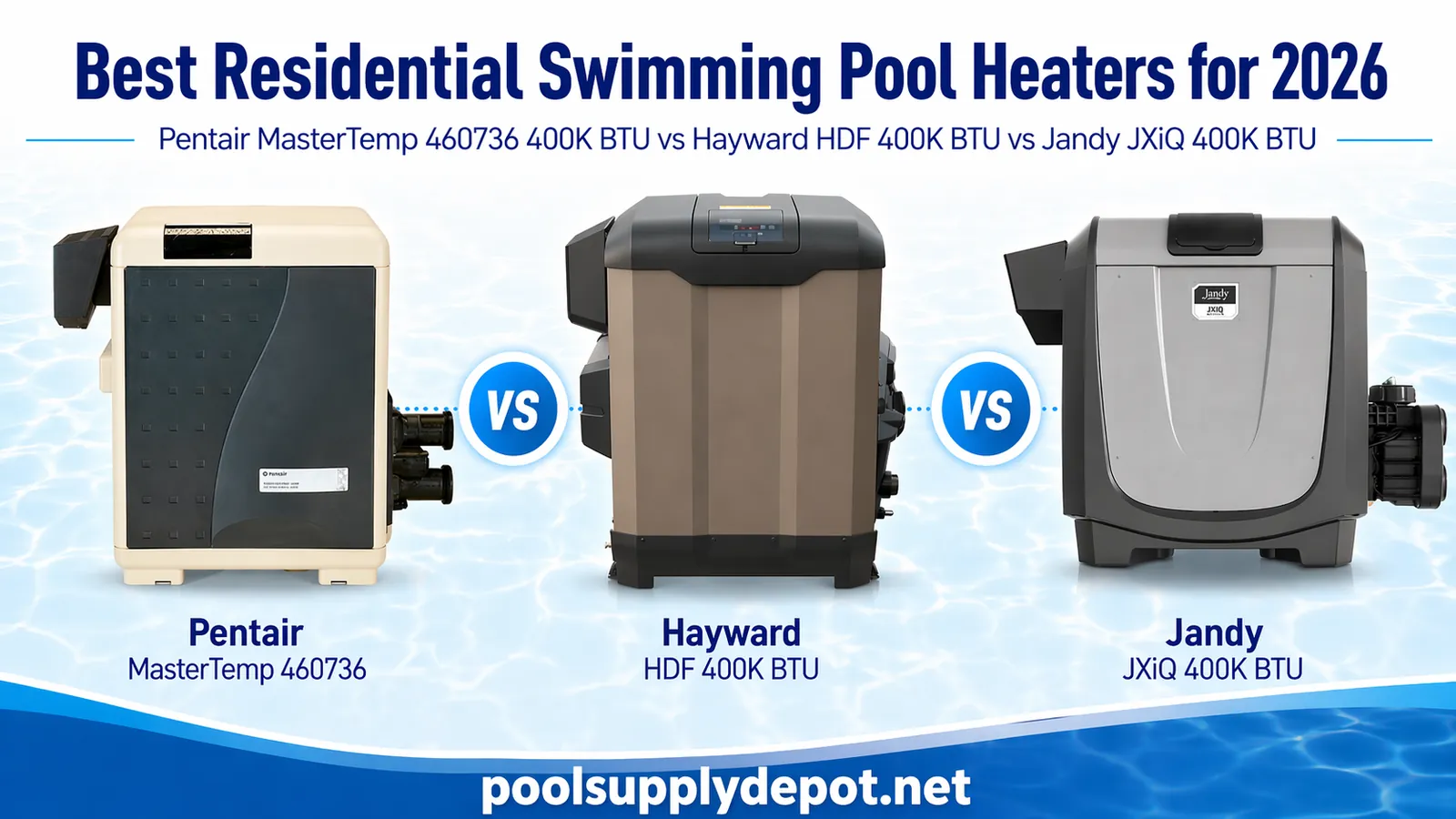
Regardless of the brand you select, proper installation determines the lifespan of your equipment. Always follow the National Electrical Code guidelines for outdoor pool wiring to ensure safety. Check your local regulations regarding bonding and grounding requirements before starting work. Prepare the area by clearing debris and ensuring the pump pad is level and stable. This prevents vibration damage and reduces noise levels significantly over time.
Inspect the flow direction arrows on the pump housing to confirm correct water movement. Run the system for at least thirty minutes to check for leaks at every joint. Listen for unusual noises that might indicate trapped air or impeller issues.
At the end of the season, winterize the equipment properly to prevent freeze damage. Pool & Hot Tub Alliance publishes safety standards that cover these essential maintenance steps. Ignoring these basics can void your warranty and lead to premature failure. Stick to the manual instructions for your specific model to stay protected.
If your pump hums but doesn’t move water, shut it down immediately to avoid burning out the motor. A dry run can quickly damage seals and the mechanical shaft, costing hundreds in repairs that a simple prime could have prevented. When installing near a heater, maintain at least three feet of clearance between units to allow airflow and prevent overheating.
Use flexible conduit rather than rigid pipe where the line enters the ground; this absorbs soil shifting without cracking the wire insulation. If you hear a high-pitched whine during operation, check the suction side for a clogged skimmer basket before assuming the pump itself is failing. These small checks save hours of troubleshooting later.
Related guides
- 6 Best Pool Automation Systems for Easy Equipment Management in 2026
- 8 Best Smart House System Picks for Seamless Home Automation in 2026
- 6 Best Frog Leap Pool System Reviews for Clean Balanced Water in 2026
Frequently asked questions
Can I mix Jandy and Hayward parts?
Yes, you can mix them, but it depends on the specific part type. Pumps and filters often work together if the flow rates match. However, control boards and automation systems usually require all components from the same brand. Mixing electronics can cause communication errors and void warranties. Always check the compatibility list before connecting different brands.
Why is my Jandy pump making noise?
Noise usually means there’s an air leak or a worn bearing. Check the lid O-ring and the drain plugs for tightness first. If the sound persists, the impeller might be clogged with debris. A grinding noise often indicates the motor bearings are failing. Contact a professional if you hear loud screeching sounds.
How long does a Hayward pump last?
A standard Hayward pump typically lasts many years with good care. Variable speed models may last slightly less due to electronic complexity. Regular cleaning and proper sizing extend the life significantly. Neglecting maintenance can cut this time in half. Always replace the pump before it fails completely to avoid flooding.
Is it safe to use a Jandy heater in cold weather?
Yes, Jandy heaters are designed to operate safely in freezing conditions if winterized. The internal freeze protection feature activates automatically when temperatures drop. However, you must still drain the water if a hard freeze is expected. Never leave water inside the unit during sub-zero nights. Follow the manual for specific regional guidelines.
What happens if I ignore the error codes?
Ignoring error codes often leads to catastrophic equipment failure. The system shuts down to protect itself from overheating or low flow. Continuing to force operation can burn out the motor or heater core. Check the manual immediately to identify the specific fault code. Addressing the issue early saves money on major repairs later.
How often should I service my pool pump?
You should service your pump every three to six months depending on usage. Clean the strainer basket weekly to maintain proper water flow. Backwash the filter when the pressure rises by 8 to 10 psi. Lubricate O-rings annually to prevent drying and cracking. Consistent care keeps the system running efficiently all year.
Conclusion
Both brands offer reliable solutions for different types of pool owners. Your choice depends on whether you value rugged simplicity or smart technology more. Take time to assess your specific needs before spending your money. A well-chosen system will serve you well for many years to come.