
Building a home fitness space on a budget often begins with a search for secondhand gym equipment. Depending on the condition, brand, and complexity of the items, you can expect to pay anywhere from $50 to $2,500 for various pieces. Small items like dumbbells or resistance bands typically range from $10 to $150, while heavy-duty pieces like power racks or treadmills fall into the $300 to $2,500 range. Understanding how to source, inspect, and safely transport these items is essential for creating a reliable workout environment without overspending.
Key Takeaways
- Prioritize solid steel construction for long-term durability in racks and benches.
- Always test electronic consoles on cardio machines before completing any purchase.
- Check for structural integrity and rust in weld points on all metal frames.
- Verify space requirements and weight capacities before committing to heavy gear.
- Budget for professional transport or have a vehicle capable of heavy loads.
Why Buy Used Fitness Gear?
Choosing pre-owned equipment is an effective way to acquire commercial-grade machines at a fraction of their original retail price. Many gyms upgrade their inventory every few years, liquidating high-quality gear that still has years of life left. This allows you to access professional-level tools like Olympic bars or heavy-duty cable machines that might otherwise be cost-prohibitive. Furthermore, buying used is an environmentally conscious decision that keeps bulky metal and plastic out of landfills.
Financial Benefits
The primary driver for most buyers is the significant cost savings. High-end brands like Rogue Fitness or Life Fitness often retain their functional value even after years of use. By purchasing these items second-hand, you avoid the heavy depreciation that occurs the moment a new piece of equipment is unboxed. You can often find deals at 40% to 70% off original retail prices if you’re willing to clean or minorly refurbish the items yourself.
Where to Find Quality Gear
Finding reliable sources requires a combination of local searching and digital monitoring. You should look for platforms that allow you to inspect items in person before handing over any money.
| Source Type | Best For | Risk Level |
|---|---|---|
| Gym Liquidations | Commercial racks and plates | Low |
| Local Online Marketplaces | Small weights and benches | Medium |
| Specialty Fitness Resellers | Refurbished cardio machines | Very Low |
| Estate Sales | Older, sturdy cast iron | Low |
Trusted Marketplaces and Liquidators
Focus your search on platforms that emphasize local pick-up. This reduces the risk of shipping damage and allows you to confirm the item matches the description. Check Facebook Marketplace, Craigslist, and specialized fitness equipment liquidators in your region. When searching, use specific keywords like “Olympic plate set,” “power rack,” or “commercial treadmill” to filter out low-quality residential gear that may not survive heavy use.
Essential Gear for Home Gyms
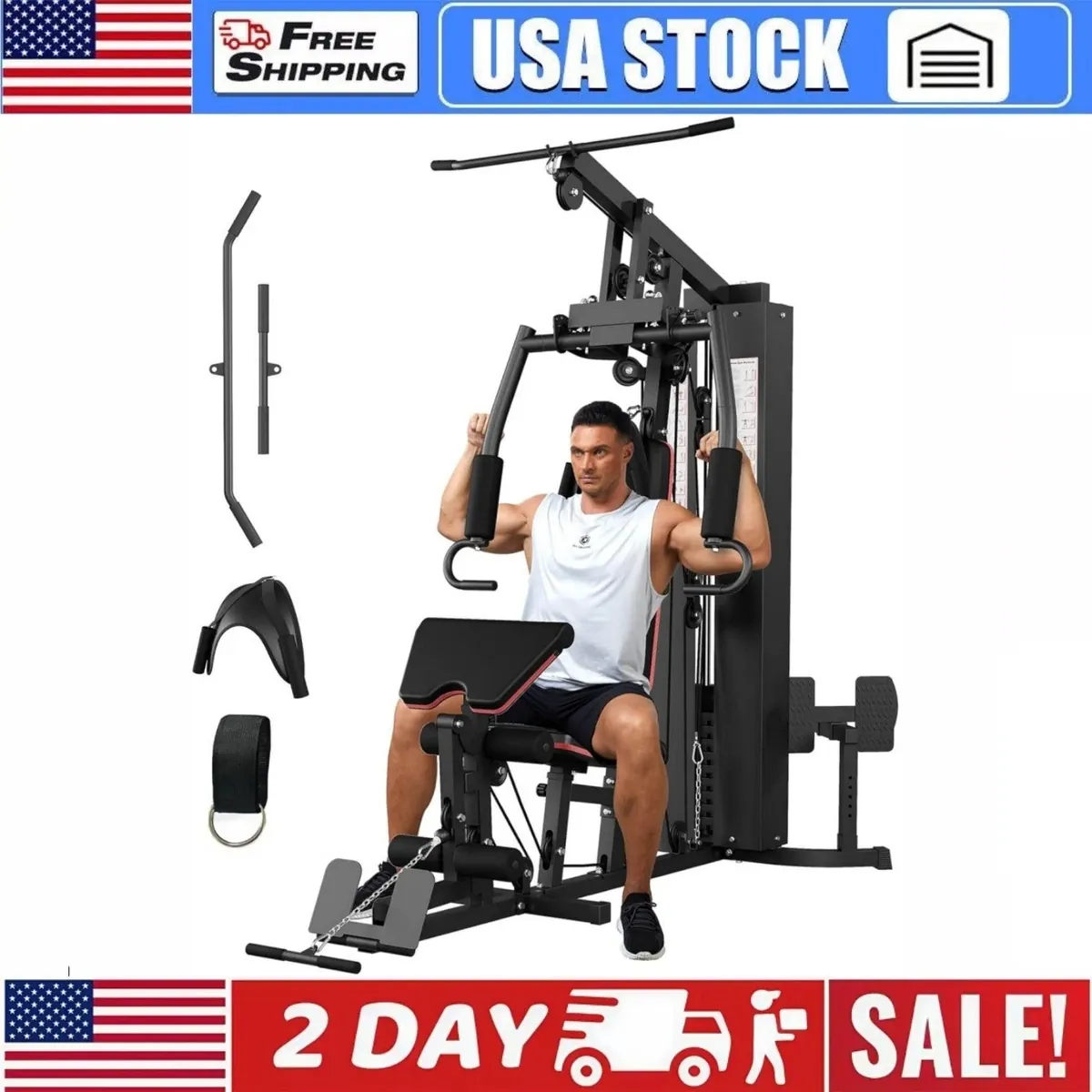
Not all equipment is created equal. When building a gym, focus on items that provide the most versatile training options for your specific goals. Strength training staples are generally safer to buy used than complex cardio machines because they lack moving internal parts that fail over time.
Strength Training Equipment
- Olympic Barbells: Look for “knurling” that isn’t too worn down.
- Cast Iron Plates: These are virtually indestructible and hold their value.
- Power Racks: Ensure they’re made of 11-gauge steel for maximum stability.
- Adjustable Benches: Check the locking mechanisms and upholstery condition.
- Dumbbells: Rubber-coated or hex styles are excellent for home use.
How to Inspect Secondhand Gym Equipment
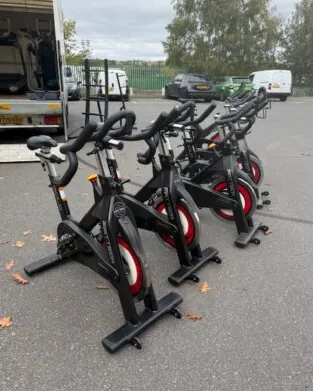
Before you finalize any transaction, you must conduct a thorough physical inspection. If the seller refuses to let you see the item in person, move on to the next listing. The Consumer Product Safety Commission maintains a database of recalled products that you should cross-reference against any brand or model number you encounter to ensure the equipment meets current safety standards.
Checking Structural Integrity
Warning: Never purchase any metal equipment that shows signs of deep, flaky rust or stress fractures at the weld points. These indicate structural weakness that could lead to catastrophic failure under load. Always perform a “shake test” on racks and benches to ensure they don’t wobble. If the equipment has moving parts like pulleys or cables, inspect them for fraying or excessive wear that could snap during a heavy set.
Common Cardio Machine Issues
Cardio equipment is more complex than strength gear because it relies on electronics, motors, and belts. Buying a used treadmill or elliptical requires extra diligence. If a machine has a digital console, turn it on and cycle through every program to ensure the motherboard is functional. Listen for grinding noises from the motor, which often indicate worn-out bearings that are expensive to replace.
Cardio Inspection Checklist
- Treadmill Belt: Check for fraying at the edges or signs of slipping.
- Console Display: Ensure all buttons respond and the screen is clear.
- Incline Motor: Test the incline function through its full range of motion.
- Power Cord: Check for exposed wires or signs of overheating at the plug.
- Resistance Levels: On bikes and ellipticals, ensure the resistance actually increases.
Logistics of Moving Heavy Gear
Transporting heavy gym equipment is often the most overlooked part of the process. A standard sedan is rarely sufficient for a power rack or a full set of bumper plates. You’ll likely need a truck or a large van. If you’re buying a commercial-grade machine, realize that these units are often bolted to the floor or require partial disassembly for transport.
Planning Your Move
Pro Tip: Always bring a set of basic tools—wrenches, screwdrivers, and an Allen key set—when you go to pick up your equipment. You may need to disassemble the item on-site to get it into your vehicle. If you’re moving heavy plates, bring a sturdy dolly or a cart to save your back and prevent damage to your flooring. Ensure you have moving blankets or straps to secure the load.
Cleaning and Maintenance Basics
Once you bring your new gear home, perform a deep cleaning before use. Gym equipment harbors sweat, skin cells, and bacteria. Use a mild disinfectant and a microfiber cloth to wipe down all surfaces. For metal parts, a light coat of WD-40 or a silicone-based lubricant can help prevent future rust and keep moving parts like cable pulleys running smoothly.
Long-Term Care Strategies
- Regular Inspections: Check all bolts and nuts every three months to ensure they remain tight.
- Lubrication: Keep guide rods on selectorized machines lubricated for smooth operation.
- Rust Prevention: Keep the equipment in a climate-controlled area to avoid oxidation.
- Upholstery Care: Use leather conditioner on vinyl benches to prevent cracking.
- Cable Maintenance: Replace frayed cables immediately to prevent snapping accidents.
Troubleshooting Common Problems
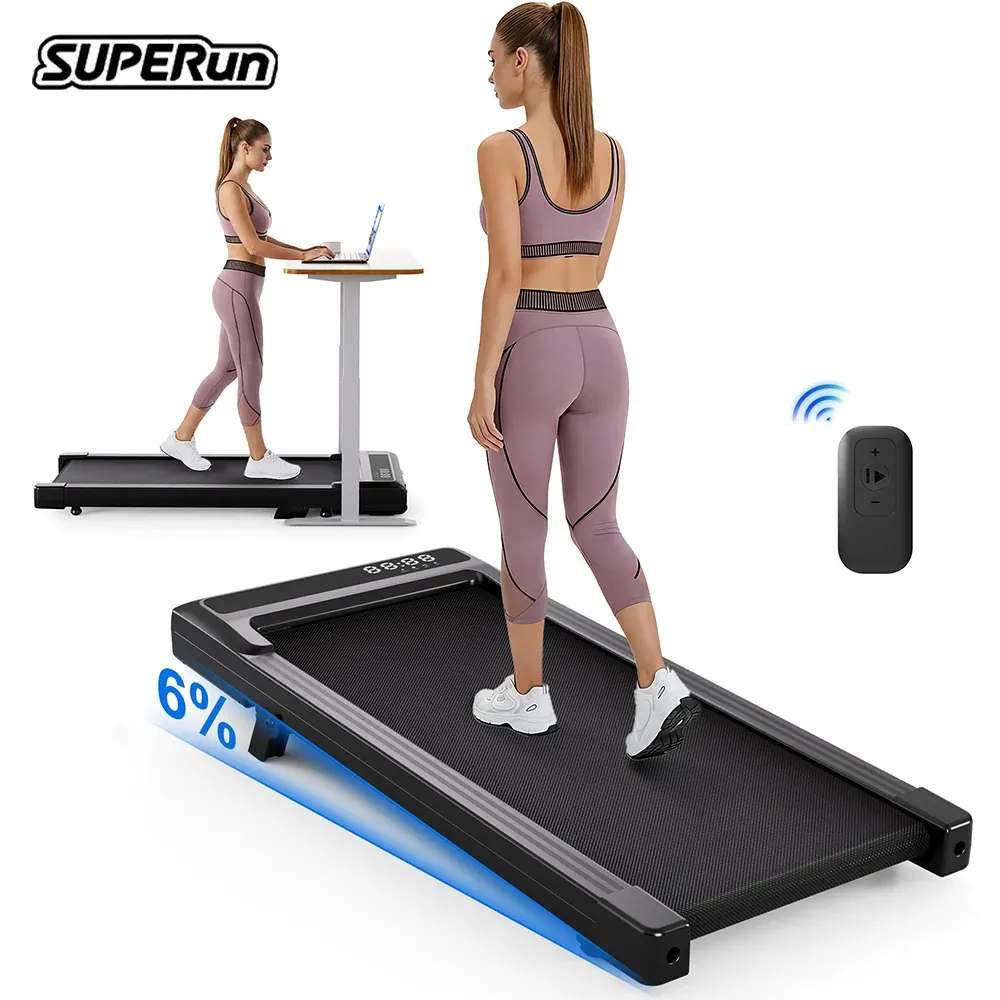
If you encounter an issue with your used gear, don’t panic. Many problems are easily fixed with a few parts or a bit of grease. If a treadmill belt slips, it usually just needs to be tightened or centered using the adjustment bolts at the rear of the deck. If a bench is wobbly, check the floor levelers; sometimes the floor is uneven, and the equipment just needs a small shim to become perfectly stable.
Quick Fix Guide
- Squeaky Pulleys: Apply a small amount of silicone lubricant to the wheel axle.
- Loose Bolts: Use a torque wrench to tighten all hardware to the manufacturer’s specs.
- Stiff Resistance: Clean the magnetic or friction brake surface with rubbing alcohol.
- Stuck Pins: Use a wire brush to remove debris from selectorized weight stacks.
- Flickering Screen: Check the internal cable connections inside the console housing.
Related guides
Frequently Asked Questions
Is it safe to buy used gym equipment?
Yes, provided you inspect it thoroughly. Focus on simple, mechanical items like racks, bars, and plates, which rarely fail. Avoid electronics-heavy cardio machines unless you can verify they’re fully functional. Always check for structural rust, weld cracks, or frayed cables before agreeing to buy, and search for the brand online to ensure the specific model hasn’t been subject to a safety recall.
How do I know if the price is fair?
Start by checking the original retail price of the new version of the item. A good rule of thumb for used equipment in decent condition is 40% to 60% of the current market price for a new unit. If the item is rare or highly sought after, like specific powerlifting bars, expect to pay closer to 75% of the retail value.
Can I transport a treadmill in a car?
Most treadmills are too large for standard passenger cars. They’re heavy, awkward, and often require being kept upright to protect the motor and deck. You should use a pickup truck, a cargo van, or a small utility trailer. Always secure the treadmill with heavy-duty ratchet straps to prevent it from shifting during transport, as the frame can be easily bent or damaged.
What tools do I need for pickup?
Bring a comprehensive tool kit. This should include an adjustable wrench, a set of metric and imperial Allen keys (hex keys), a socket wrench set, and a screwdriver. You should also bring heavy-duty moving blankets to prevent scratching your vehicle and the equipment, as well as bungee cords or ratchet straps to ensure everything is securely fastened during the drive home.
How do I clean secondhand gear?
Use a hospital-grade disinfectant wipe or a solution of water and mild soap to sanitize all touchpoints, such as handles, grips, and seats. For metal frames, wipe down with a damp cloth and dry immediately to prevent rust. If the equipment has vinyl upholstery, use a gentle leather or vinyl cleaner to remove grime without drying out the material.
Conclusion
Acquiring your own equipment is a significant milestone in your fitness journey. Start by clearing a dedicated space, measuring your ceiling height, and identifying the specific pieces that align with your primary training goals. Once you have your list, begin monitoring local listings daily to catch the best deals before they disappear. Take your time, inspect every item carefully, and enjoy the process of building a gym tailored to your needs.
