
Common phoenix arms hp22 problems include failure to feed, light primer strikes, and issues with the safety engagement mechanism. These malfunctions often stem from the pistol’s small design, which requires specific ammunition and regular maintenance to cycle reliably. Because the firearm uses a blowback action, it’s sensitive to dirt buildup and the power level of the rimfire cartridges used during operation.
Typical Phoenix Arms performance issues
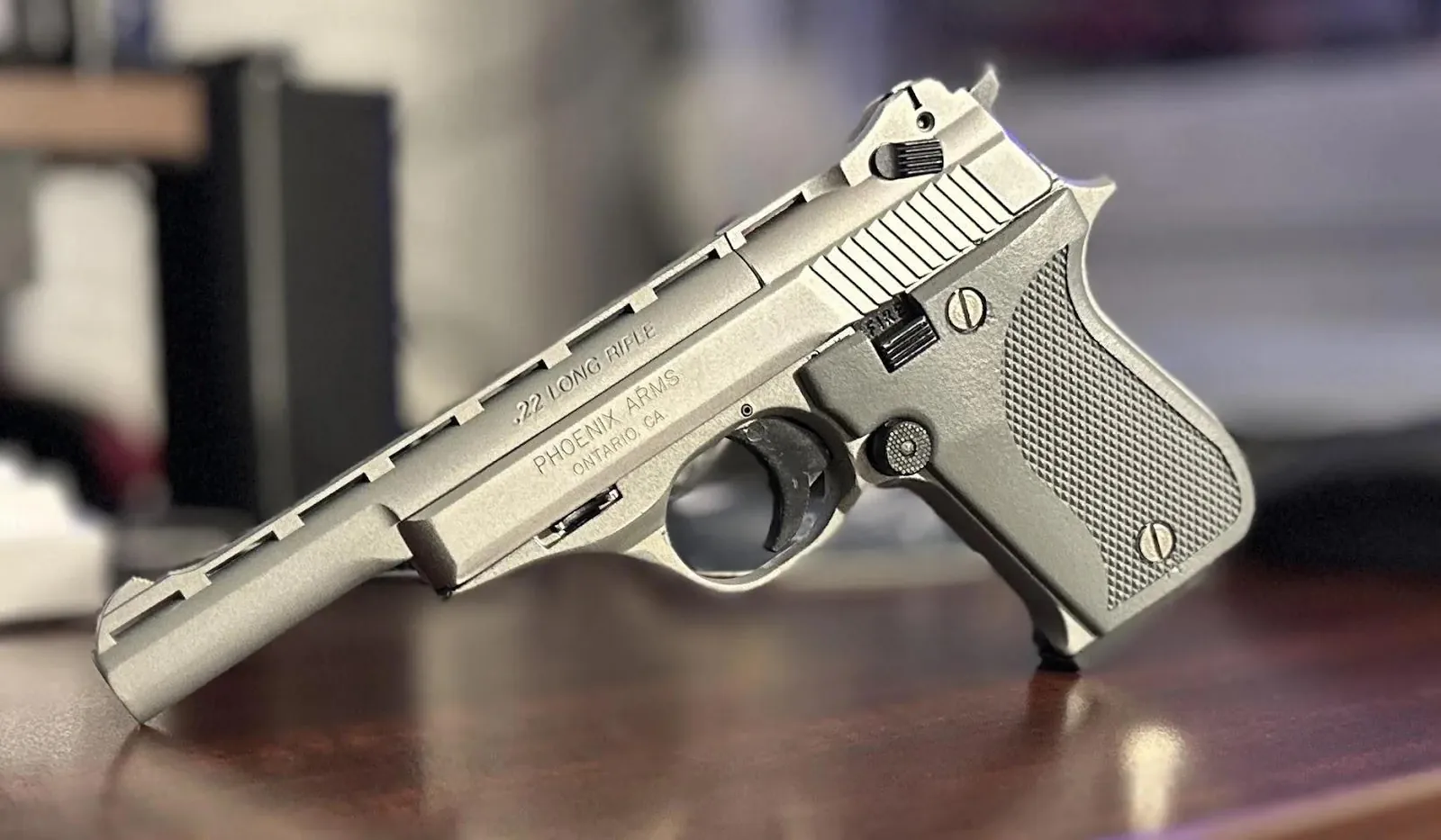
The following table outlines the mechanical issues frequently reported by owners of the Phoenix Arms HP22. These points represent the most common areas where the internal components fail to function as intended during standard firing cycles.
| Issue | Best for Identifying | Common Cause |
|---|---|---|
| Failure to feed | Troubleshooting jam causes | Dirty feed ramp |
| Light primer strikes | Checking firing pin | Weak recoil spring |
| Safety engagement | Testing manual locks | Debris in slide |
| Magazine drop | Inspecting catch spring | Worn release button |
Most malfunctions occur within the first 200 rounds as the slide assembly breaks in. If you experience frequent stovepiping, check the extractor claw for carbon buildup. A clean extractor should snap firmly against the casing rim.
If the slide fails to return to battery, apply a single drop of light, synthetic firearm lubricant to the rails. Don’t over-oil, as excess fluid traps grit and accelerates wear on the sear. If the magazine drops during firing, replace the catch spring immediately. A weak spring costs you reliability and risks accidental discharge during a jam. If the firing pin strikes are off-center, the slide is likely loose; consult a gunsmith before firing further.
Magazine feeding issues
The HP22 often struggles to feed cartridges from the magazine into the chamber because the feed lips are sensitive to slight bends. If the magazine is loaded to its full capacity of 10 rounds, the extra pressure can cause the slide to drag or the nose of the bullet to hang on the feed ramp. You should check the magazine lips for any signs of metal fatigue or bending if you notice consistent jams.
- Consistent failure to feed often occurs when using low-velocity ammunition that lacks the energy to push the slide back fully.
- Keeping the feed ramp polished and free of lead buildup helps the bullet slide into the chamber without catching on the edge.
- If the magazine spring feels weak after 500 rounds, it may need to be replaced to maintain proper upward pressure on the cartridges.
- Always ensure the magazine is seated firmly until you hear an audible click from the release catch.
When the slide fails to return to battery, it’s usually because the recoil spring has lost its tension over time. A common mistake users make is over-oiling the slide rails, which attracts carbon and creates a thick sludge that slows down the action. Use only a thin layer of synthetic lubricant to keep the metal parts moving smoothly without trapping debris inside the firing mechanism.
Light primer strikes
Light primer strikes happen when the firing pin doesn’t hit the rim of the cartridge with enough force to ignite the priming compound. This is frequently linked to a buildup of firing residue inside the pin channel, which acts as a cushion and absorbs the energy of the hammer strike. If you experience this, you must field strip the slide to clean the channel thoroughly.
- Ensure the firing pin moves freely when you press the rear of the slide with a small tool.
- Avoid dry firing this pistol frequently, as the firing pin can strike the edge of the chamber and deform the metal over time.
- If the hammer spring is damaged, the force of the strike will be insufficient regardless of how clean the firing pin channel is.
- Check the ammunition brand, as some rimfire brands have harder casing rims that require a stronger strike than others.
If you find that the firing pin is chipped or broken, you must stop using the firearm immediately. You can view the official safety instructions provided by the manufacturer to understand the correct maintenance schedule and part replacement intervals for your specific model.
Safety mechanism failure
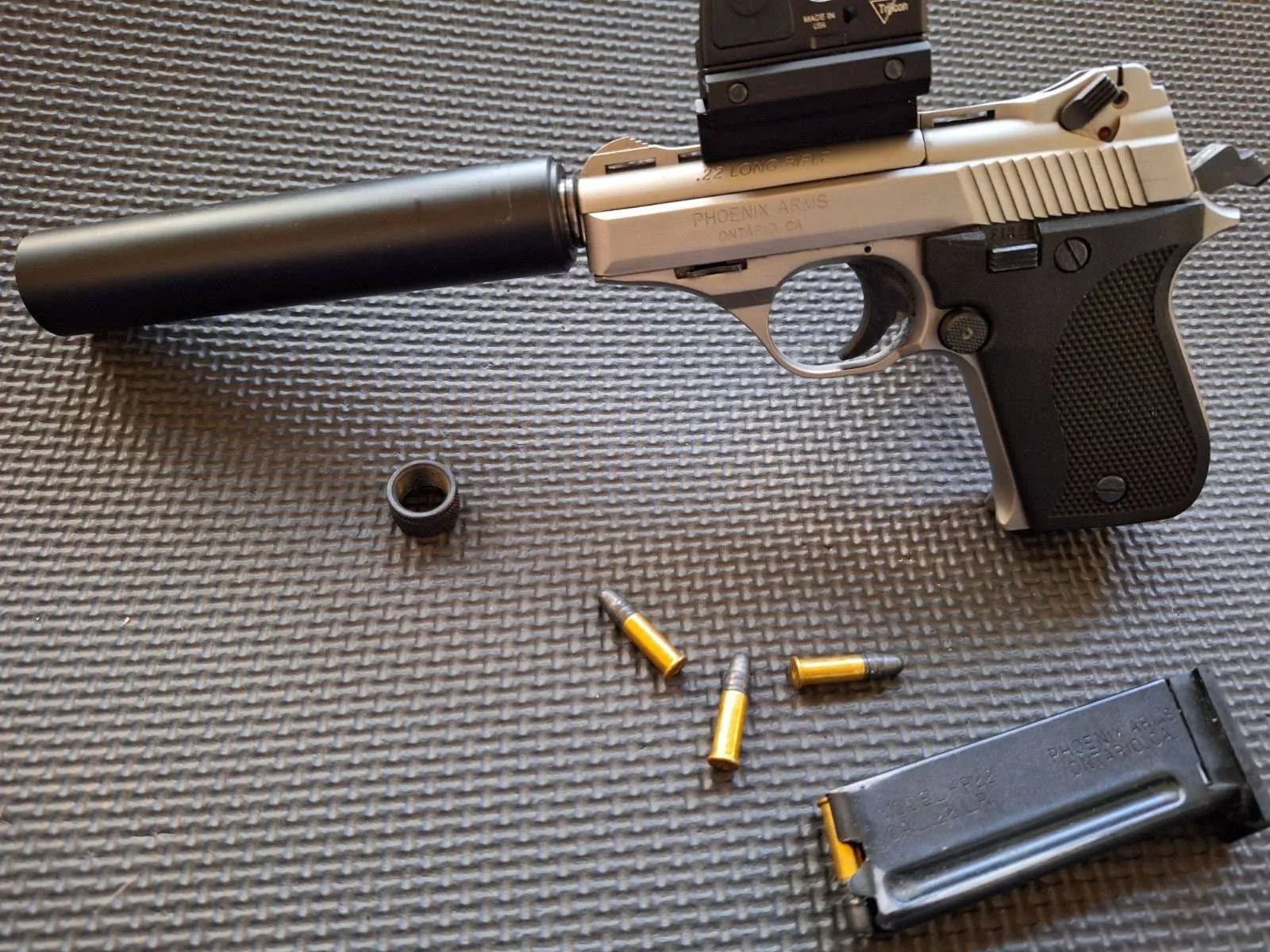
The safety on the HP22 blocks the hammer and the slide, but it can become stiff if grit gets into the frame. This safety isn’t for the inexperienced, as it requires a specific sequence of movements to engage and disengage without forcing the lever. If you find the safety lever is stuck, don’t use excessive force, as the internal plastic or metal components can easily snap under pressure.
- The safety must be fully pushed into the “on” position to prevent the hammer from falling when the trigger is pulled.
- Debris in the frame cutout can prevent the safety from moving into the locked position, creating a false sense of security.
- Always keep the chamber empty when you aren’t actively using the firearm at a range to ensure total safety.
- If the lever feels loose, the internal detent spring may have slipped out of its track during a cleaning session.
This item isn’t for those who want a low-maintenance firearm, as the small parts require frequent inspection. If you aren’t comfortable taking the slide off to inspect the safety detent, take the pistol to a qualified gunsmith. Never attempt to modify the safety lever yourself, as this can create a dangerous condition where the firearm may discharge unexpectedly.
Frame and slide wear
The frame of the HP22 is made from a zinc alloy that’s softer than steel, meaning it can show wear faster than larger handguns. The slide rails are the most common point of failure for this material, especially if the pistol is fired with high-velocity ammunition that exceeds the design limits. If you see deep grooves or cracking on the frame rails, the pistol has reached its service limit.
- Avoid using “stinger” or high-velocity rounds, as the extra pressure can crack the alloy frame after only a few hundred shots.
- Inspect the slide rails every 100 rounds for signs of peening or metal displacement caused by the slide hitting the frame.
- The life of the frame varies based on the total round count and the type of lubricant used during operation.
- If the slide begins to feel “gritty” even after a deep cleaning, the rails may be worn down to the point of structural failure.
Other mechanical concerns
Slide release failure often stems from a bent spring, but check the lever’s pivot pin first. If the pin has walked out of the frame, the lever loses the leverage needed to drop the slide. Tap it flush with a nylon punch before assuming the spring is damaged.
Trigger reset issues usually point to a broken return spring. Don’t attempt to bend the existing wire to force a reset. This metal is brittle and will snap under tension, potentially locking the trigger group during a live string.
Fixed sights on the HP22 lack windage screws, forcing you to hold off-center. At 15 yards, aim six inches to the left of your target if your grouping hits consistently right.
Deciding which Phoenix Arms HP22 problems to address
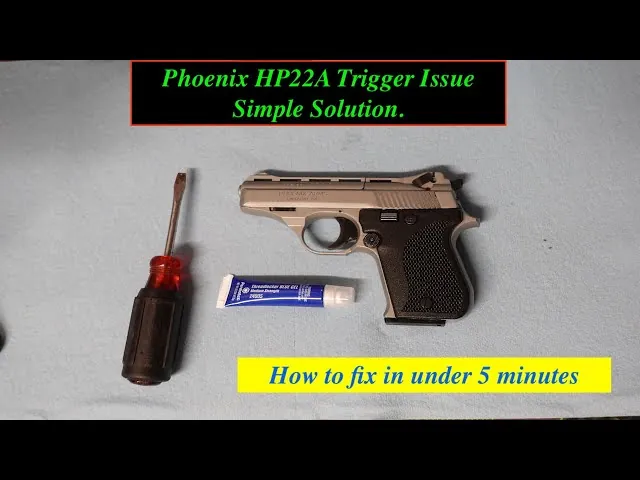
You can decide which problem to address by looking at the primary symptom you see during your range session. If the pistol fails to cycle or fire, look at the firing pin channel and the recoil spring. If the magazine drops out or fails to feed, look at the magazine catch and the feed lips. These two areas cover the vast majority of malfunctions reported by users.
Never attempt to solve these issues with a single fix. They involve distinct mechanical systems that require unique tools and specific cleaning solvents. The firing pin channel must be kept completely dry and free of any oil or grease.
If you notice sluggish slide movement, replace the recoil spring first. If the rounds nose-dive into the ramp, inspect the magazine feed lips for deformation. If the slide locks back prematurely, check the slide stop spring tension instead of the magazine catch.
Related guides
- Aqua Genie Skimmer Problems: 3 Common Causes and Fixes in 2026
- Why Is My Pool Cloudy? 8 Common Causes and Quick Fixes in 2026
- Pentair Globrite Problems: Top 10 Issues and Complaints in 2026
Frequently asked questions
Can I fix a light primer strike myself?
Yes, you can fix this by cleaning the firing pin channel with a solvent and a nylon brush to remove built-up carbon. If the firing pin still fails to strike the rim, the hammer spring may be weak or the firing pin itself may be worn down. If cleaning doesn’t resolve the issue, take the firearm to a gunsmith to check the spring tension.
How often should I clean my hp22?
You should clean the firearm after every 50 to 100 rounds to prevent the buildup of lead and carbon that causes jamming. Because this pistol has a small, tight action, even a small amount of residue can cause the slide to stick. If you notice the slide moving slower than usual, it’s time for a thorough cleaning of the rails and chamber.
Is it safe to shoot high-velocity ammo?
No, it isn’t safe to use high-velocity or hyper-velocity ammunition in this firearm. The zinc alloy frame is designed for standard-velocity .22 LR cartridges, and using more powerful rounds can cause the frame to crack near the slide rails. Always check your ammunition box for the velocity rating and stick to standard loads to prevent damage to the frame.
What happens if the frame cracks?
If the frame cracks, the firearm is no longer safe to operate and must be retired from use immediately. A cracked frame can lead to the slide coming off the rails during firing, which creates a significant risk of injury to the shooter. There’s no repair for a cracked zinc alloy frame, so you should contact the manufacturer for guidance on disposal.
Does it matter which magazine I use?
Yes, it matters because using a magazine from a different model or an aftermarket brand that isn’t dimensionally identical will cause feeding failures. Always use factory-original magazines specifically marked for the HP22 to ensure the feed lips and release notch are in the correct position. If the magazine doesn’t lock in securely, don’t attempt to force it into the frame.
Why does the slide not lock back?
The slide usually fails to lock back because the slide stop lever or the magazine follower is worn down. When the magazine is empty, the follower should push the slide stop lever up into the notch on the slide. If the lever doesn’t engage, check the follower for damage or see if the slide notch has been rounded off by repeated use.
Conclusion
Start by unloading the firearm and checking the chamber to ensure it’s completely empty. If you continue to see malfunctions after a deep cleaning and using fresh, standard-velocity ammunition, the internal components have likely reached their service limit. At this point, the most responsible action is to stop using the firearm and consult with a professional gunsmith to determine if a safe repair is possible or if the unit should be replaced.
