
Capacitors store electrical energy quickly and release it just as fast, making them essential for stabilizing power in electronics. The advantages and disadvantages of capacitors depend on whether you need instant bursts of power or long-term storage. They last longer than batteries but hold far less total energy. This makes them perfect for smoothing voltage spikes but useless for running a device for hours. You’ll choose them when speed matters more than capacity.
Comparing capacitor types
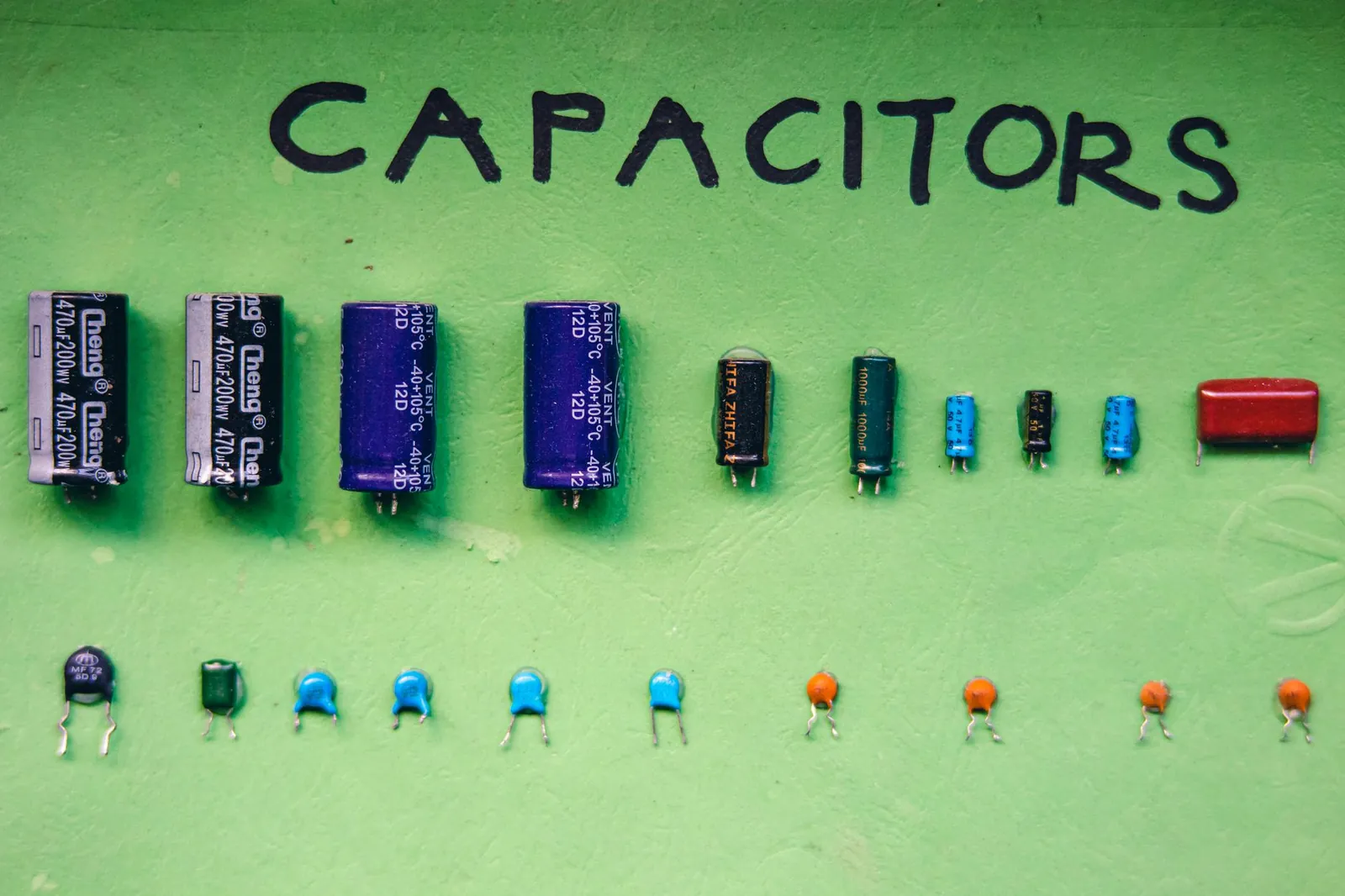
You must pick the right type because no single capacitor works for every job. Some handle high heat, while others offer huge storage in tiny spaces. The table below shows how the three most common types stack up against each other. Check your device’s schematic to see which one fits your circuit.
| Method | How long | Effort | Cost | Best for |
|---|---|---|---|---|
| Ceramic | Decades | Low | Low | High-frequency noise filtering |
| Electrolytic | 5-10 years | Medium | Low | Power supply smoothing |
| Film | 20+ years | High | Medium | Audio and precision timing |
Ceramic capacitors are small and cheap but lose capacity under voltage stress. Electrolytic ones store more power but can dry out and fail over time. Film capacitors are stable and reliable but take up much more board space. You trade size for stability with film, and cost for lifespan with electrolytic. Choose ceramic for simple digital circuits where space is tight.
Using ceramic capacitors
Ceramic capacitors are the workhorses of modern electronics. They’re tiny, cheap, and handle high frequencies well. You’ll find them in almost every digital device, from phones to laptops. Their main job is to filter out noise and stabilize voltage rails.
- Identify the required capacitance value in microfarads (µF) or picofarads (pF).
- Check the voltage rating; it must exceed the maximum peak voltage of the circuit.
- Place the capacitor as close as possible to the power pin of the chip.
- Solder the leads securely, keeping the traces short to reduce inductance.
These components are excellent for high-speed switching applications because they have low internal resistance. They don’t polarize, so you can install them in any direction. This makes assembly faster and reduces the risk of installation errors. However, their capacitance drops significantly when you apply a DC voltage.
This effect, called DC bias, means a capacitor might act like one with much lower capacitance in use. If your circuit needs precise timing, ceramic may not be stable enough. A technician must perform electrical measurements to verify performance.
Installing electrolytic capacitors
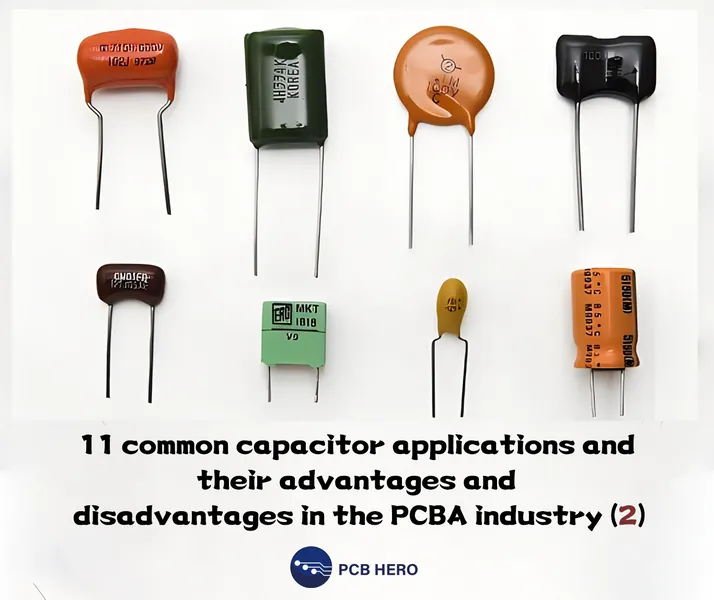
Electrolytic capacitors offer high capacitance in a small package. They’re ideal for power supplies where you need to smooth out ripples. You’ll often see them near AC-to-DC converters. They store enough energy to keep voltage steady during brief dips.
- Note the polarity stripe on the capacitor body; this marks the negative lead.
- Match the negative lead to the ground symbol on the circuit board.
- Ensure the voltage rating exceeds the maximum peak voltage of the supply.
- Leave some space around the component for heat dissipation and airflow.
These capacitors are cost-effective for bulk energy storage. They handle large currents well, making them standard in audio amplifiers and motor drives. But they have a limited lifespan. The liquid electrolyte inside can evaporate, especially in hot environments. This causes the capacitor to bulge or leak, potentially damaging nearby parts. If you’re building a device that must run for an extended period without maintenance, avoid standard aluminum electrolytics. Look for solid polymer types instead, though they cost more.
Applying film capacitors
Film capacitors use plastic film as the dielectric material. They’re known for high stability and low loss. You’ll find them in audio equipment, power inverters, and precision timing circuits. They don’t suffer from the aging issues that plague electrolytic types.
- Select the film type, such as polyester or polypropylene, based on frequency needs.
- Verify the voltage rating matches your circuit’s maximum swing.
- Mount the capacitor securely to prevent vibration-induced failure.
- Connect the leads with minimal strain to avoid breaking the internal foil.
These components maintain their value over time and temperature changes. They’re non-polarized, so installation is straightforward. Their self-healing property allows them to survive minor voltage spikes without permanent damage. This makes them very reliable for critical applications. The downside is their size.
A film capacitor with the same capacitance as an electrolytic one can be ten times larger. They’re also more expensive per microfarad. If space is limited, you might struggle to fit them on a compact board. For high-power audio crossovers, though, their clarity is unmatched.
Choosing the right capacitor
Your choice depends on what your circuit must do. If you’re in a hurry and need a quick fix for a noisy signal, grab a ceramic capacitor. It’s easy to find and simple to install. You don’t need to worry about polarity, which saves time during prototyping.
If you’re doing this for the first time, stick to electrolytic capacitors for power projects. They’re forgiving and widely available. Just remember to check the polarity before powering up. Reversing them can cause them to pop, which is a messy lesson to learn. Most beginners make this mistake, costing them a new power supply unit.
When you want the best possible result whatever it takes, use film capacitors. They offer the lowest distortion and highest stability. This matters in high-fidelity audio or precision measurement tools. You pay more and use more space, but the performance is superior. The trade-off is clear: you sacrifice size and cost for reliability and precision. If your device sits in a hot car, film lasts longer. If it fits in a watch, ceramic is the only option.
Safety and handling rules

Always discharge a capacitor before touching its leads. Large capacitors can hold a dangerous charge even after the power is off. This shock risk is real and can cause injury. Use a resistor to drain the energy safely rather than shorting it with a screwdriver. Shorting creates sparks and can damage the component or the tool.
Check the voltage rating carefully. Using a capacitor with a lower voltage rating than the circuit requires will lead to failure. The component may explode or leak corrosive fluid. Ensure the voltage rating provides an adequate safety margin above the circuit’s maximum operating voltage. This buffer ensures longevity and safety under load spikes.
Inspect for physical damage before installation. Look for bulging tops or leaked electrolyte on electrolytic types. These signs mean the component is dead and shouldn’t be used. For ceramic types, check for cracks. A cracked ceramic capacitor can short out and cause a fire. If you’re unsure about the condition, replace it. It’s cheaper than replacing the whole board.
Store capacitors in a cool, dry place. Humidity and heat degrade the materials over time. Electrolytic capacitors have a shelf life; if they sit unused for years, they may need reforming before use. This involves slowly applying voltage to rebuild the oxide layer. Consult the manufacturer’s datasheet for specific reforming procedures.
Frequently asked questions
Can I replace a capacitor with a higher voltage rating?
Yes, you can usually use a higher voltage rating. It adds a safety margin and often improves lifespan. Ensure the physical size still fits on your board. Don’t go too high, as very high-voltage caps may have different internal structures that affect performance in high-frequency circuits.
Why do capacitors fail over time?
Electrolytic capacitors fail because the liquid electrolyte dries out. Heat accelerates this process. Ceramic capacitors can crack due to mechanical stress or thermal shock. Film capacitors rarely fail but can degrade if exposed to extreme humidity. Always check the operating temperature range in the datasheet.
How long do capacitors last?
Standard aluminum electrolytic capacitors last 2,000 to 10,000 hours at rated temperature. Solid polymer types last longer, often over 20,000 hours. Ceramic and film capacitors can last decades if not physically damaged. The actual life depends heavily on operating temperature and voltage stress. Check the manufacturer’s endurance rating.
Is it safe to touch a capacitor?
No, it isn’t safe if the capacitor is charged. Large capacitors in power supplies can deliver a painful or deadly shock. Always discharge them with a proper tool before handling. Small signal capacitors in low-voltage circuits are generally safe but can still sting if charged. Treat all capacitors as live until proven otherwise.
What happens if I reverse the polarity?
If you reverse an electrolytic capacitor, it will heat up rapidly. The internal pressure builds, causing the vent to open or the case to burst. This can leak corrosive acid onto your circuit board. In severe cases, it may explode. Always double-check the negative stripe against the board marking.
Can I use a capacitor as a battery?
No, a capacitor can’t replace a battery for long-term power. It stores far less energy. While it releases power quickly, it drains in seconds or minutes. Batteries store chemical energy for hours of use. Capacitors are for buffering and filtering, not for sustained energy delivery.
Conclusion
Ultimately, these components are your best bet when you need a quick energy boost rather than steady power. They won’t replace your batteries, but they’ll keep your circuits running smoothly. If you’re building a new project, try adding one near your power source to see how it stabilizes the flow.
