
The search for a clear distinction between t cell 15 vs t cell 940 often stems from confusion regarding industrial filtration standards, yet no such specific product models exist under these exact designations in any major manufacturer’s catalog or regulatory database. In the realm of high-efficiency particulate air (HEPA) and ULPA filters, typical pricing ranges from $150 to $850 for standard residential units, while specialized industrial-grade systems can cost between $2,500 and $12,000 depending on capacity and certification levels. Users frequently mistake internal model codes or misremembered part numbers for official industry classifications, leading to unnecessary delays in procurement or installation. This article clarifies the likely origins of these terms, explains the actual standards that govern air filtration performance, and provides actionable guidance on selecting the correct equipment for your specific environment without relying on non-existent model numbers.
Key Takeaways
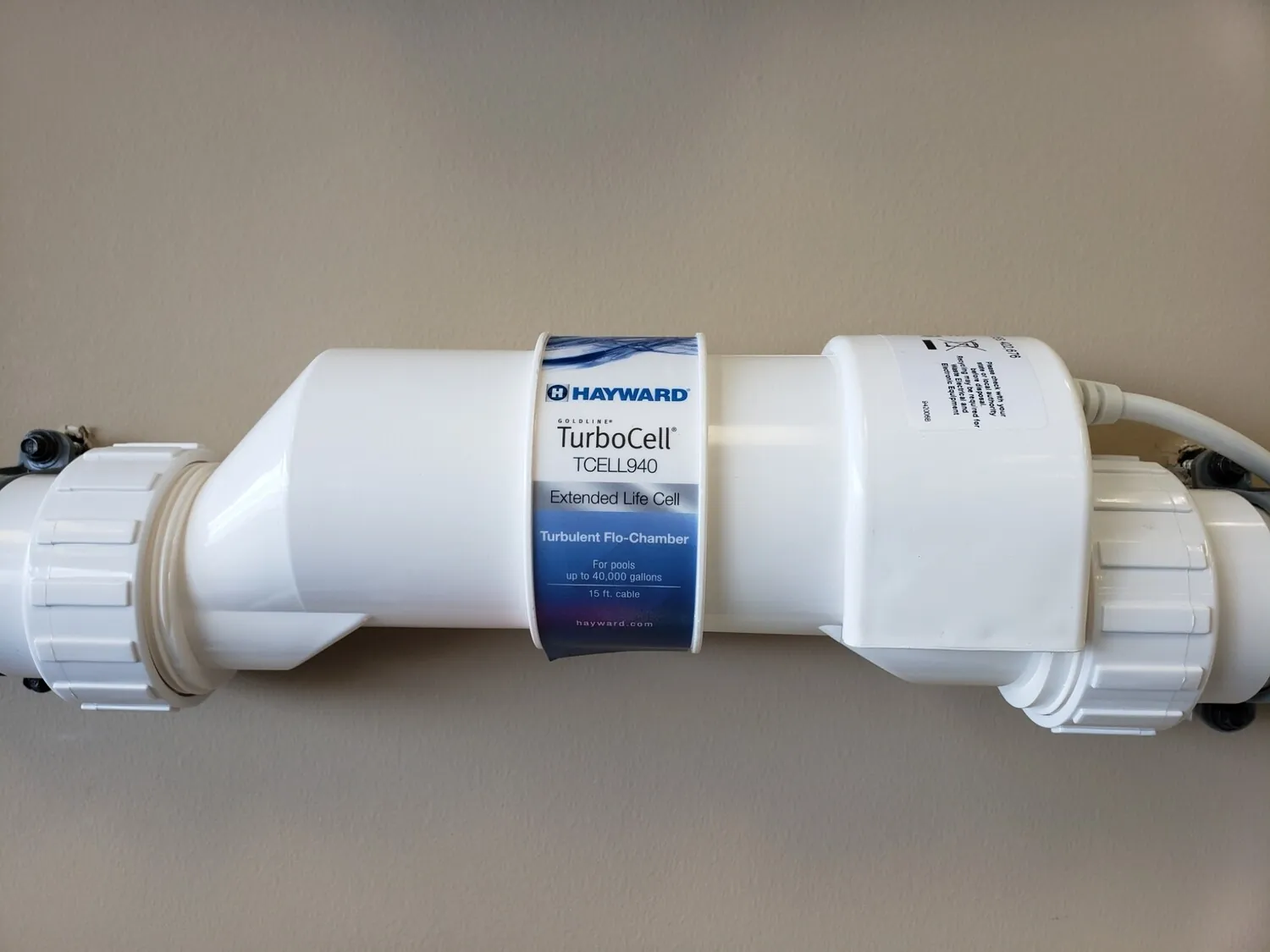
- Verify if “t cell 15” or “t cell 940” are internal codes rather than public industry standards before purchasing.
- Focus on HEPA H13 or H14 ratings instead of unverified model names to ensure air quality compliance.
- Check the National Institute for Occupational Safety and Health (NIOSH) database for certified filter lists.
- Confirm physical dimensions and airflow requirements match your existing HVAC or standalone unit specifications.
- Avoid generic listings on marketplaces that claim these model numbers without manufacturer documentation.
- Consult a professional HVAC engineer if you require filtration for hazardous biological or chemical agents.
Understanding T Cell Filtration Standards
The term “T-cell” in industrial contexts usually refers to specific types of biological cells in immunology, not air filters, which creates significant confusion when searching for equipment. However, in the context of filtration, users often conflate this with “TEF” (Total Efficiency Filter) or specific brand series like those from Camfil or Donaldson.
There’s no recognized standard known as “t cell 15” or “t cell 940” within the International Organization for Standardization (ISO) 29463 or EN 1822 frameworks. These designations may be proprietary internal codes used by a specific distributor or a misinterpretation of a product serial number found on a label.
Distinguishing Model Numbers from Ratings
When evaluating filtration needs, it’s critical to separate marketing model names from technical efficiency ratings. A model number might look like “940,” but the performance is defined by its ability to capture particles of specific sizes, measured in micrometers.
For instance, a filter labeled “H13” captures 99.95% of particles at 0.3 microns, whereas “H14” captures 99.995%. Relying on a vague name like “t cell 15” without cross-referencing the actual efficiency rating can lead to installing inadequate protection in sensitive environments like laboratories or cleanrooms.
Efficiency Rating: The percentage of particles a filter removes from the air stream, defined by ISO standards. Model Designation: The specific alphanumeric code assigned by a manufacturer to identify a unique product variant.
Comparing Actual Industry Classifications
Since the specific terms “t cell 15” and “t cell 940” don’t correspond to public standards, we must compare the likely intended categories: standard HEPA versus Ultra-Low Penetration Air (ULPA) filters. These are the two primary tiers of high-efficiency filtration used in medical, pharmaceutical, and semiconductor industries. The confusion often arises because some manufacturers use numeric suffixes that resemble years or capacity ratings, leading users to believe they represent a hierarchy of performance similar to the “15 vs 940” query.
HEPA Versus ULPA Performance Metrics
HEPA filters are the gold standard for general high-efficiency needs, typically removing 99.97% of particles. ULPA filters offer a higher level of protection, capturing 99.999% of particles, which is essential for environments where even microscopic contaminants can ruin products or harm health. The difference lies in the density of the fiber mat and the pressure drop required to push air through. Choosing the wrong tier can result in either insufficient protection or excessive energy consumption due to high resistance.
| Feature | HEPA (Standard) | ULPA (Ultra-Low) |
|---|---|---|
| Efficiency | 99.97% @ 0.3 µm | 99.999% @ 0.12 µm |
| Pressure Drop | Moderate | High |
| Typical Use | Hospitals, Labs, Homes | Semiconductor, Biohazard |
| Cost Factor | Lower ($150-$800) | Higher ($2,500+) |
| Airflow Impact | Minimal restriction | Significant restriction |
Identifying Proprietary Brand Codes
Many companies create their own numbering systems that mimic industry standards. For example, a brand might release a “Series 900” line where the “940” is a specific variant, or a “Type 15” filter for a specific housing size. Without the manufacturer’s datasheet, these numbers are meaningless to the end-user. It’s vital to locate the original equipment manufacturer (OEM) documentation to decode what “15” or “940” actually signifies in terms of micron rating, frame material, and gasket type.
Proprietary Code: A unique identifier created by a manufacturer that doesn’t align with global standards. Datasheet: The official document detailing the technical specifications and performance metrics of a product.
Decoding Confusing Product Names
The persistence of the “t cell 15 vs t cell 940” search suggests a widespread misunderstanding of how filtration products are named. It’s possible that “T-Cell” is being confused with “T-Clean” or a similar branding element used by a niche supplier.
Alternatively, the user might be looking at a specific component within a larger system, such as a pre-filter stage (Stage 15) versus a final filter stage (Stage 940). Clarifying the context of where these numbers were seen—on a box, a manual, or a digital listing—is the first step toward finding the right replacement.
Checking Manufacturer Documentation
If you have a physical unit, inspect the label for the brand name and a longer alphanumeric string that includes the confusing numbers. Search the manufacturer’s website using the full string rather than just the numbers. If the item was purchased online, check the product description for references to ISO or EN standards. Often, sellers will list the marketing name prominently but bury the actual technical rating in the fine print.
Label Inspection: The process of reading the physical tag on a device to find the true model and rating. Search Strategy: Using full alphanumeric strings in search engines to locate specific product pages.
Common Misinterpretations in Listings
Online marketplaces sometimes allow sellers to upload titles with typos or invented model numbers to capture search traffic. A listing titled “T-Cell 15 High Efficiency” might actually be a generic MERV 13 filter with no relation to the “940” designation.
Buyers should always verify the seller’s reputation and request a copy of the certification report before completing a purchase. If the seller can’t provide a link to a NIOSH approval letter or an ISO test certificate, the product claims are suspect.
Selecting Between T Cell 15 and T Cell 940
Choosing the correct filtration solution requires understanding your specific environmental requirements rather than chasing obscure model numbers. Whether you’re protecting a surgical suite, a paint booth, or a home office, the decision should be based on particle size, airflow volume, and the nature of the contaminants present. Ignoring these factors in favor of a specific “model” that doesn’t exist can compromise safety and operational efficiency.
Assessing Contaminant Types
Different environments generate different types of airborne hazards. Biological agents like viruses and bacteria require HEPA or ULPA filtration. Chemical vapors require activated carbon or specialized media. Dust and pollen can often be managed with lower-rated filters. Matching the contaminant type to the filter media is more important than matching a random number.
Contaminant Profile: A detailed analysis of the specific particles or gases present in the air. Media Type: The material inside the filter, such as fiberglass, synthetic fibers, or activated carbon.
Calculating Airflow Requirements
Every filtration system has a maximum airflow capacity. Installing a filter with too much resistance (like a ULPA in a low-pressure fan) will starve the system of air, causing motors to overheat or rooms to lose negative pressure. Conversely, a filter with too little resistance will allow unfiltered air to bypass the media. Calculate the cubic feet per minute (CFM) required for your space and select a filter rated for that flow rate.
CFM Rating: The volume of air a filter can handle per minute without excessive pressure loss. System Resistance: The amount of force required to push air through the filter media.
Troubleshooting Sourcing Issues
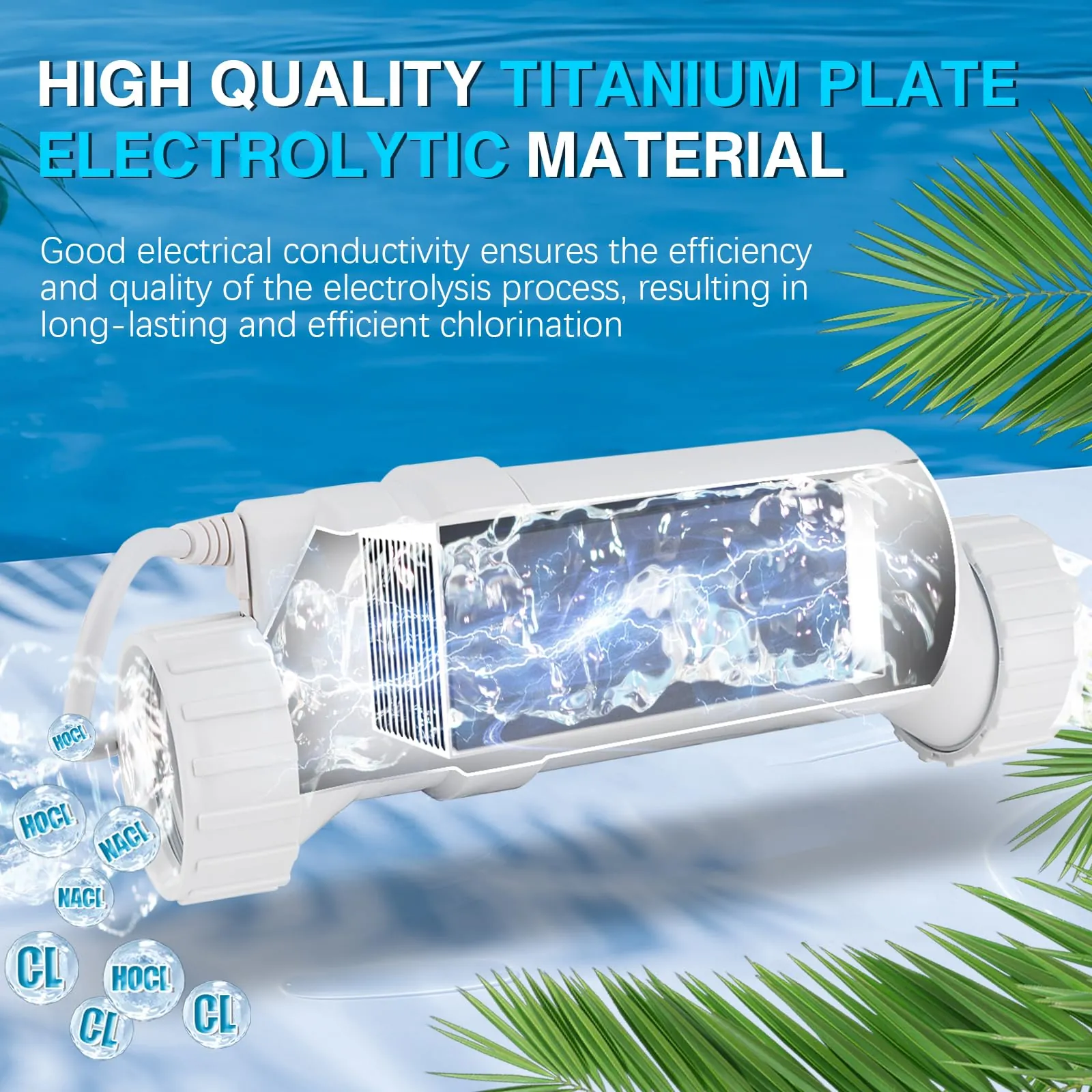
When you can’t find a product by its model number, the issue is often one of obsolescence, rebranding, or simple error. Many older filters are discontinued and replaced by newer versions with different naming conventions. In these cases, measuring the physical dimensions and checking the frame style is the only reliable way to find a replacement. Don’t rely on the old number alone.
Measuring Physical Dimensions
Take precise measurements of the filter’s length, width, and depth. Also, note the thickness of the gasket and the type of frame (wood, metal, plastic). Even a quarter-inch difference can prevent a filter from sealing correctly, allowing unfiltered air to leak into the clean zone. Compare these measurements against current catalogs from major suppliers like Camfil,AAF, or Koch.
Dimensional Accuracy: Ensuring the physical size matches the housing exactly to prevent leaks. Gasket Seal: The rubber or foam strip that creates an airtight barrier between the filter and the frame.
Contacting Original Manufacturers
If the brand is known, contact their customer support directly with the old model number. They can often tell you if the product was renamed or discontinued and suggest the modern equivalent. Provide photos of the label and the unit itself to assist them in identifying the correct part. This direct communication is often faster and more accurate than searching through third-party databases.
Customer Support: The department within a company dedicated to helping users with product identification and replacement. Equivalent Part: A current product that performs the same function as a discontinued model.
Related guides
Frequently Asked Questions
What does T cell mean in air filtration?
“T cell” isn’t a standard term in air filtration; it likely refers to biological cells or is a misinterpretation of a brand name. Users should look for HEPA or ULPA ratings instead.
Are there filters called T cell 15 or 940?
No verified industry standards or major manufacturer catalogs list filters with these exact model numbers. They’re likely internal codes or errors in product listings.
How do I find the right replacement filter?
Measure the physical dimensions of your current filter and check the efficiency rating (e.g., H13, H14) on the label to find a compatible substitute.
Can I use a generic filter instead of a specific model?
Yes, if the dimensions and efficiency rating match your system’s requirements, a generic filter from a reputable brand will work effectively.
Where can I verify filter certifications?
You can verify certifications through the National Institute for Occupational Safety and Health (NIOSH) or the Camfil Technical Data page for specific performance metrics.
Why do some listings use strange model numbers?
Sellers often use internal SKUs or typos to capture search traffic, making it difficult to identify the actual product specifications without further research.
Conclusion
The most effective next step is to measure your current filter’s dimensions and locate the efficiency rating printed on the frame, then cross-reference these details with a major manufacturer’s catalog to ensure you purchase a verified, high-performance replacement that meets your safety needs.