
You can resolve most performance issues when you how to reset a white rodgers thermostat by removing the batteries and flipping them to create a short circuit for ten seconds. This quick discharge clears the internal memory of the device, which often fixes minor display glitches or unresponsive buttons. This method is ideal for homeowners who notice their screen freezing or their heating cycles failing to start as scheduled.
Essential Items for Your Thermostat Reset
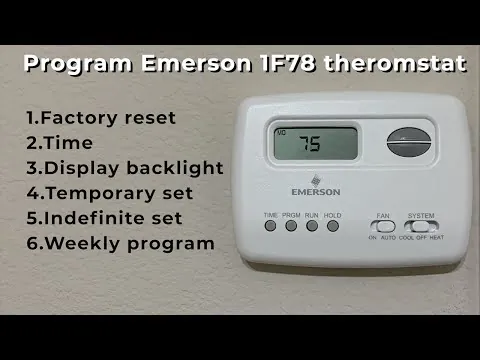
You don’t need specialized tools to perform this task, as most units are designed for simple user access. Having the right items nearby ensures you can complete the process safely without damaging the sensitive internal components of your wall unit.
- Fresh Batteries: Ensure you have two new AA or AAA alkaline batteries, depending on your specific model.
- Soft Cloth: A clean, dry microfiber cloth helps remove dust from the battery contacts.
- Small Flat-Head Screwdriver: Use this only if your unit is secured with a small locking screw on the bottom or side.
- Flashlight: This helps you see the battery polarity markings clearly inside the dark compartment.
- Owner’s Manual: Having your specific product documentation from Emerson is helpful if you need to check specific wiring or advanced settings.
You should never use rechargeable batteries in these units, as their voltage output often drops too low for the sensors to function correctly. If your thermostat is hardwired into your home’s electrical system, you might need to flip the circuit breaker instead of removing batteries. If you’re unsure about your home’s electrical layout, consult a licensed electrician rather than attempting to open the wall-mounted base plate.
Steps to Reset a White Rodgers Thermostat
-
Locate the battery compartment, which is usually found on the front or side of the thermostat faceplate. If you see a small screw at the base, remove it with a precision Phillips head driver before attempting to slide the cover off.
-
Pull the faceplate away from the wall base if your model lacks a dedicated battery door. If you feel significant resistance, stop immediately. Forcing the plate can snap the internal plastic clips or pull the low-voltage wiring loose from the wall terminals.
-
Remove the existing batteries from the unit completely. Don’t leave even one old battery in the chamber, as it may provide enough current to keep the volatile memory intact.
-
If your unit uses a coin-cell backup battery, you must remove that as well to achieve a true factory reset.
-
Remove the batteries again and wait for thirty seconds to ensure the processor has fully shut down. This pause is critical for resetting the logic board.
-
Reinsert the batteries in the correct orientation, checking the plus and minus signs inside the holder. If the screen remains blank, check the terminals for white, powdery corrosion. If you see heavy buildup, don’t attempt to scrape it off, as the chemicals are caustic. Contact an HVAC technician instead.
-
Replace the cover and wait for the display to light up. If the screen flashes or shows an error code, the unit is likely in its boot cycle. Wait two full minutes before attempting to program your schedule.
If your thermostat is hardwired to your HVAC system, turn off the power at the circuit breaker before performing these steps. This prevents a potential short circuit if a terminal wire happens to be loose behind the mounting plate.
Situations Affecting Your Reset
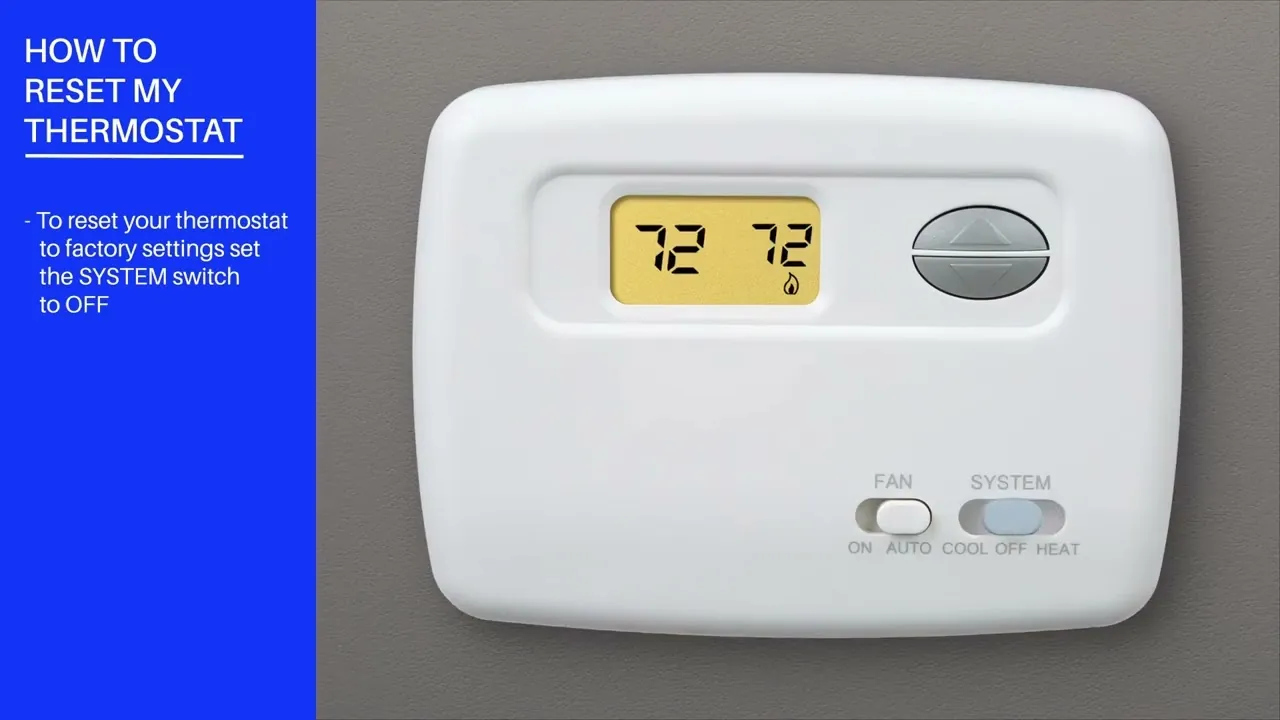
The complexity of your reset depends on whether your unit relies on internal batteries or your home’s main power supply. Always start with the simplest method before checking external power sources.
| Situation | Time Required | Key Difference | Watch For |
|---|---|---|---|
| Battery-only unit | 1 minute | No power cut needed | Correct polarity |
| Hardwired unit | 5 minutes | Need to kill breaker | System reboot time |
| Touchscreen model | 2 minutes | Sensitive to pressure | Screen calibration |
| Smart-enabled unit | 10 minutes | Needs Wi-Fi reconnect | App sync status |
If your device features a backup battery, remove it before cutting the main power. Failing to do this keeps the internal memory active, meaning the unit never truly clears its error logs. You can tell if the reset worked by checking for a blinking indicator light; a solid light suggests the device is still drawing power from a secondary source.
Most users mistakenly reset the entire house breaker when only the specific circuit for the device is required. This error costs you time, as you must then reset every digital clock and appliance on that main line. If the unit remains unresponsive after ten minutes, check the wiring terminals for oxidation.
A thin layer of corrosion often prevents a clean power cycle, even when the breaker is off. If you see white or green dust on the copper wires, clean them with a dry cloth before attempting the reset again.
Confirming a Successful Reset
A successful reset is indicated by the screen returning to its factory-default display, which is usually 70 degrees Fahrenheit. You’ll know the process worked if the flashing icons stop and the unit begins to respond to button presses again.
The most common quality problem is a “ghost” display, where parts of the numbers appear dim or flickering because the battery voltage isn’t strong enough to power the full LCD panel. This often happens because the unit is struggling to pull steady current from weak or mismatched batteries.
You can prevent this by always replacing all batteries at once, rather than mixing old and new ones. If you see a partial segment of a digit missing, have a technician test the cells for you. If any battery is faulty, the unit will fail to initialize the display logic correctly.
If the screen still looks distorted after a fresh set of batteries, the internal liquid crystal display may have reached the end of its functional life. In that case, the unit will likely require a full replacement rather than further troubleshooting.
This indicates a permanent hardware failure that no software reset can resolve.
Rules and Maintenance Standards
The standard for thermostat operation is set by the manufacturer to ensure safe communication with your furnace or air conditioner. Once you reset the device, you should check your specific programming schedule, as a hard reset often wipes all saved user data. You don’t need to save the settings to a cloud unless you’re using a smart-enabled version of the hardware.
If the unit continues to fail after a reset, the internal memory chip may be faulty. Check the display for a specific error code, as most modern units will flash a sequence like “E01” or “E02” to signal a sensor failure rather than a software glitch. If you see a code, refer to your manual before calling for service.
For any issues involving the wiring behind the wall or the control board on your furnace, you must contact a qualified HVAC technician. They have the proper tools to test the voltage levels safely without risking a short circuit.
If the thermostat screen remains blank despite fresh batteries, don’t attempt to bypass the wiring. Attempting to bridge these low-voltage connections yourself can destroy the furnace’s control board, a repair that’s significantly more expensive than the cost of a professional service call.
Alternative Methods for Troubleshooting
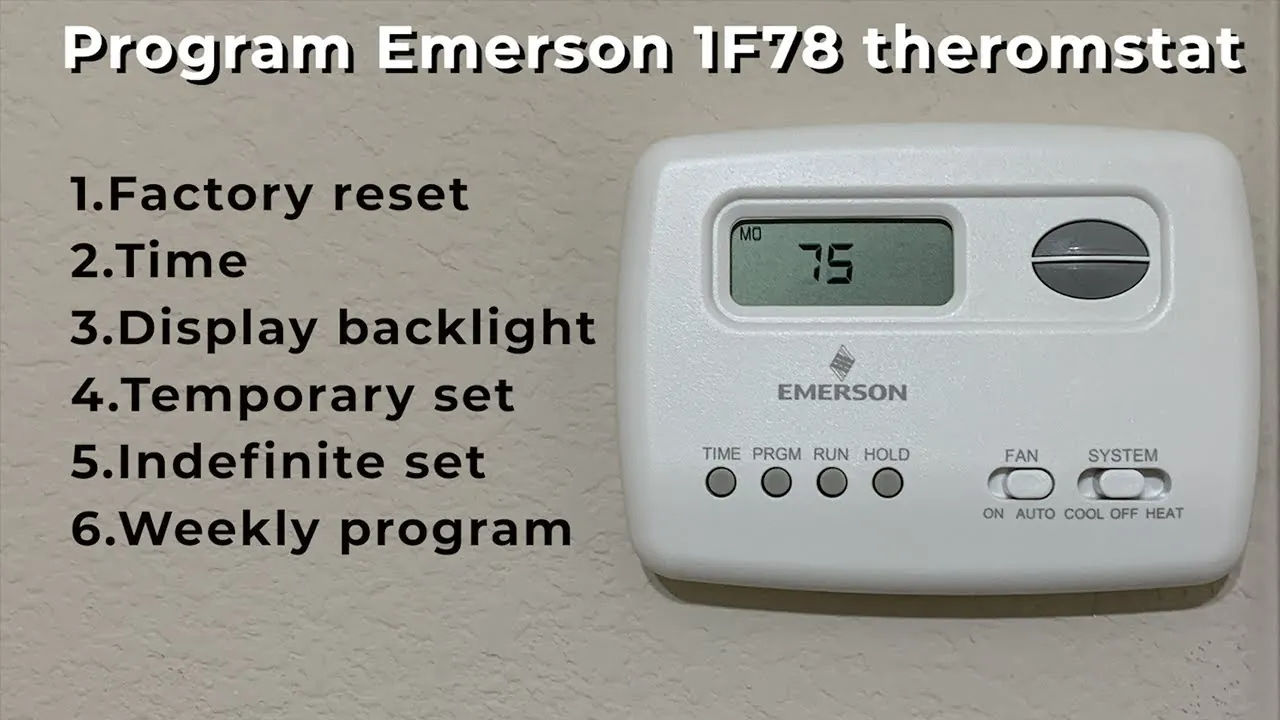
Checking the Circuit Breaker
If your thermostat has no batteries, the power comes directly from your home’s electrical panel. Locate your breaker box, find the switch labeled “Furnace” or “HVAC,” and flip it to the “Off” position for one minute. This acts as a master reset for the entire climate system and can resolve issues that a simple battery pull can’t reach.
Inspecting the Wiring
Sometimes the problem isn’t the software but a loose wire behind the faceplate. With the power turned off at the breaker, carefully remove the faceplate to ensure all colored wires are firmly seated in their terminals. If you see any frayed wires or signs of burning, don’t touch them and call a professional to perform the repair safely.
Using the Remote App
If you’re using a smart thermostat, the manufacturer often provides a “Restart” or “Reboot” function within their official mobile application. This software-based reset is much safer than physical intervention. It allows you to clear the unit’s cache and refresh the connection to your home network without needing to touch the physical hardware on your wall.
Related guides
Frequently asked questions
How long does it take to reset a white rodgers thermostat?
The process takes about one to two minutes for a standard battery-operated unit. If you need to flip your home’s circuit breaker for a hardwired model, allow for an extra few minutes to locate the panel and walk back to the thermostat.
Is it safe to reset my thermostat?
Yes, it’s safe to reset the device using the battery method, provided you don’t use tools to pry the casing open. If you’re dealing with a hardwired unit, ensure you turn off the power at the breaker to avoid any risk of electrical shock.
What happens if the screen stays blank after a reset?
The screen usually stays blank if the new batteries are dead or if they’re inserted in the wrong direction. If you have confirmed the batteries are fresh and correctly placed, the internal display board may be broken and requires a professional inspection.
How often should I reset my thermostat?
You should only reset the device when you notice it isn’t responding to your commands or the screen is frozen. There’s no need to perform this as a regular maintenance task, as it clears your saved temperature schedules and settings.
Can a reset fix a heating system that won’t turn on?
Yes, a reset can sometimes fix a system that won’t start if the issue is a software glitch in the thermostat’s processor. If the heat still doesn’t turn on after a reset, the problem is likely in the furnace itself or the wiring, which requires a technician.
Will a reset erase my saved schedules?
Yes, a full reset will return the device to its original factory settings, which includes deleting any custom heating or cooling schedules you have programmed. You’ll need to re-enter your preferred times and temperatures after the unit restarts.
Conclusion
If your screen remains blank or the temperature doesn’t adjust after this, it’s time to check your furnace’s power switch or the circuit breaker. Don’t worry if it still won’t cooperate; you’ll likely need a professional to inspect the wiring. They’ll help you get your home comfortable again in no time.
