
A blown thermal fuse is the most common reason you’ll find your miele vacuum not turning on. This safety device cuts power if the motor gets too hot, which often happens when the airflow is blocked by a full bag or a clogged hose. You can usually confirm this by checking if the unit starts after it cools down for 30 to 60 minutes. If it stays silent, the fuse has likely tripped permanently and requires professional attention.
Why your Miele vacuum isn’t turning on
| Cause | How common | How to confirm it | Fix it yourself? |
|---|---|---|---|
| Overheated motor | Very common | Wait for it to cool | Yes |
| Clogged hose | Common | Check for blockages | Yes |
| Full dust bag | Common | Inspect bag indicator | Yes |
| Tripped breaker | Occasional | Check home panel | Yes |
| Damaged power cord | Rare | Look for frays | No |
| Faulty power switch | Rare | Listen for click | No |
If the unit stops abruptly after 20 minutes of heavy use, unplug it and wait at least 30 minutes. If it restarts, you were likely pushing the machine beyond its airflow capacity.
A clogged hose often hides in the accordion folds. Stretch the hose fully and shine a flashlight through one end to spot debris shadows. If the suction remains weak after clearing, check the intake port where the hose meets the canister.
Many users mistake a full bag for a mechanical failure. If the indicator light stays red even after you empty the bag, the internal filter is likely saturated with fine dust.
A tripped breaker usually occurs when the vacuum shares a circuit with another high-draw appliance like a space heater. If the vacuum cuts out immediately upon activation, move it to a different outlet on a separate circuit.
Never attempt to repair a frayed power cord with electrical tape. Exposed copper wires pose a genuine fire risk and void your safety certification. If you see internal shielding, the entire cord assembly must be replaced by a qualified technician.
Motor thermal protection
The thermal protector is a safety switch designed to prevent the motor from burning out during heavy use. When the vacuum pulls air through a blockage, the motor works much harder than normal, causing the internal temperature to rise rapidly. If the temperature hits the limit set by the manufacturer, the machine shuts down to protect its internal components.
You can test this by leaving the vacuum unplugged in a cool room for at least 60 minutes. If the machine runs again after this rest period, the motor was simply too hot. To prevent this from repeating, always check your filters and bags when the suction feels weak.
Most users make the mistake of ignoring a high-pitched whine from the motor, which often precedes a thermal trip. Ignoring that sound forces the motor to draw excessive current, accelerating wear on the carbon brushes.
If the machine still doesn’t turn on after an hour, the thermal fuse may have failed completely. This is a permanent safety state that prevents fire hazards, and it can’t be reset by the user. If the vacuum smells like ozone or burning plastic, don’t attempt to bypass the fuse. That smell indicates that the insulation on the copper windings has already melted. In that case, the motor is beyond repair and requires a full replacement to operate safely again.
Airflow blockages
Airflow is essential for both cleaning performance and cooling the motor. When hair, dust, or small objects get stuck in the floor nozzle or the telescoping tube, the vacuum can’t move enough air to stay cool. This leads to the thermal protection system triggering, which makes it seem like the machine has died.
To check for a clog, disconnect the floor head and the hose from the main body. Shine a flashlight through the tube to see if you can spot any light at the other end.
If you see a dark spot, use a long, blunt object like a broom handle to gently push the debris out. Never use sharp metal tools, as these can puncture the hose or damage the internal seals. Once the path is clear, reattach the parts and try to power the unit on again.
If the motor cuts out within thirty seconds of starting, the blockage is likely deeper inside the primary intake filter rather than the hose. A vacuum that runs perfectly for five minutes before shutting down is signaling a heat-related safety trip, while an immediate stall usually indicates a mechanical obstruction.
Many users mistakenly assume that a visible path through the tube means the system is clear. However, a thin layer of fine dust caked onto the interior walls restricts airflow enough to cause overheating. If you feel the exterior casing becoming hot to the touch, stop immediately. Running the motor while blocked can permanently warp the plastic housing or fuse the internal wiring.
Dust bag and filter status
A full dust bag or a heavily clogged filter acts just like a blockage in the hose. It stops air from moving through the system, which causes the motor to heat up very quickly. Miele vacuums have a bag change indicator that shows you when the airflow is restricted. If this indicator is fully red, the machine is struggling to breathe and may have shut itself down.
Don’t wait for the indicator to turn solid red before acting. If you notice the vacuum’s pitch rising to a higher, strained whine, or if the suction feels noticeably weak on hard floors, the bag is likely at 80% capacity. Relying solely on the visual gauge often leads to motor strain because the indicator measures airflow resistance, not volume.
Check the bag compartment to see if the bag is full or if the fine dust filter is caked with dirt. If the bag is nearly full, replace it with a new one immediately. If the filter looks grey or blocked, tap it gently to remove loose dust or replace it according to the manual for your specific model.
If you vacuum fine particles like drywall dust or fireplace ash, ignore the indicator entirely. These materials clog the filter pores instantly, starving the motor of cooling air long before the bag appears full. In these cases, replace the bag and inspect the filter after every single use to prevent permanent thermal damage to the motor. Proper maintenance of these filters is the best way to keep the motor running at the right temperature.
Rare electrical issues
A tripped circuit breaker in your home panel might be the culprit if other appliances on the same line also stopped working. Check your breaker box for a switch flipped to the center position or the “off” side. Reset it once to see if the power returns. If it trips again immediately, stop; you likely have a short circuit that requires a professional electrician to prevent a fire.
Frayed or bent power cords cause intermittent power. Inspect the entire length of the cable for visible nicks, exposed copper, or dark heat marks. If you find damage, replace the cord entirely rather than using electrical tape. Tape can’t handle the high amperage these machines draw and will eventually melt or spark.
A broken power switch will feel loose or fail to give a crisp, tactile click when pressed. This indicates an internal mechanical failure where the contact points no longer bridge the circuit.
Internal wiring issues or a failed motor board are rare but possible if the machine is older or has suffered a heavy drop. If the machine smells like ozone or burning plastic, unplug it immediately. These internal electrical faults require a qualified technician. Never attempt to open the motor housing or the cord reel. These areas contain capacitors that hold a lethal charge even when unplugged, and they require specialized tools to reassemble safely.
What a professional repair involves
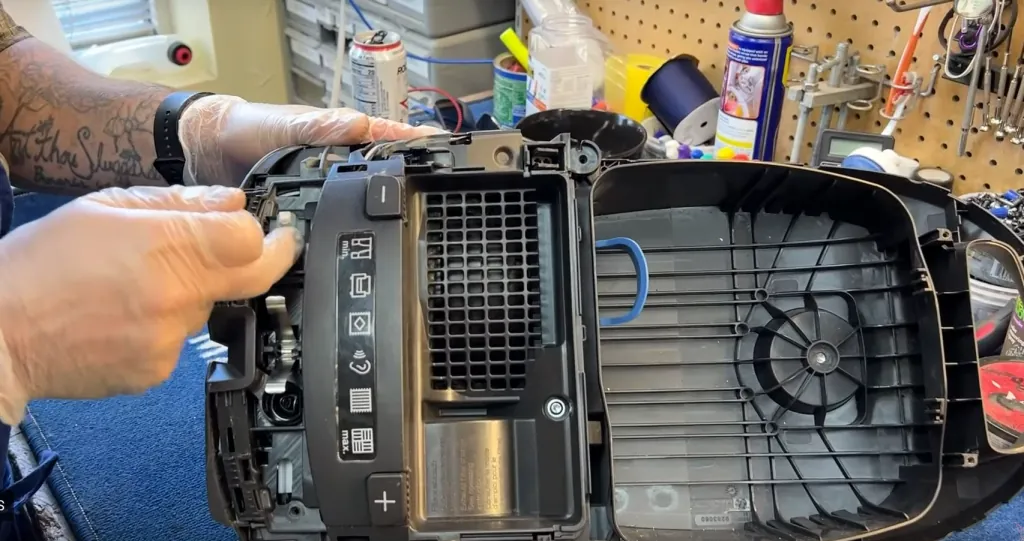
Fixing a vacuum that won’t turn on often involves replacing a specific internal component rather than the whole machine. If the thermal fuse has failed, a technician must open the casing to swap the part. This is a task that requires specific knowledge of the internal layout to avoid damaging the plastic clips or the delicate motor mounts. The cost of this work depends on the age of your unit and the price of the genuine replacement part.
You should always look for an authorized service center to ensure they use parts designed for your specific series. A simple repair is much cheaper than buying a new machine, but you must weigh the cost of parts and labor against the remaining life of your vacuum. You can usually find the model number on the bottom of the canister, which you should have ready when you call for a quote.
Related guides
- Best Pool Vacuums for Dead Algae in 2026
- 10 Best Vacuums for Apartment Owners: Our Top Picks in 2026
- 7 Best Vacuums for Berber Carpet to Prevent Snagging in 2026
Frequently Asked Questions
Can I use a different brand of bag?
No, you should only use bags designed for your specific model. Using the wrong bag can lead to poor filtration or blockages that restrict airflow, which triggers the thermal protection system and stops the motor from turning on.
Is it safe to use the vacuum if it smells like burning?
No, you should stop using the machine immediately if you smell burning. This often indicates that the motor is overheating due to a severe blockage or an internal mechanical failure that could lead to a fire hazard.
How long should I wait before trying to turn it on again?
You should wait at least 60 minutes for the motor to cool down. If the vacuum doesn’t start after this time, the thermal fuse may have tripped, and you’ll need to contact a service professional for assistance.
Does it matter if the outlet is loose?
Yes, a loose outlet can cause arcing and heat, which might trip the vacuum’s internal protection or cause the plug to stop making contact. Try plugging the vacuum into a different, known-working outlet to rule out an issue with your home’s electrical supply.
What happens if I keep trying to turn it on?
You risk damaging the motor permanently if you keep trying to force it to run while it’s overheated. The thermal protection system is a safety feature, and ignoring it can cause the motor windings to melt or short out.
How do I know if the cord is the problem?
The cord is likely the problem if you notice cuts, frays, or if the vacuum turns on only when you hold the cable at a specific angle. If you suspect damage to the cord, stop using the machine and take it to a professional, as a damaged cord is a significant shock and fire risk.
Conclusion
If your machine still won’t hum to life, don’t force it. It’s best to contact a local authorized service center to prevent further damage to the motor. They’ll have the right tools to get your cleaner working perfectly again, so you won’t have to worry about your floors staying dusty for long.
