
Bearings are mechanical components that reduce friction between moving parts, and a complete guide to bearings different types and their uses helps you choose the right one for your specific load and speed requirements. These parts support rotational or linear motion, ensuring machines run smoothly while minimizing wear. This guide covers the common designs, selection criteria, and maintenance practices required for long-term reliability.
Understanding mechanical friction reduction
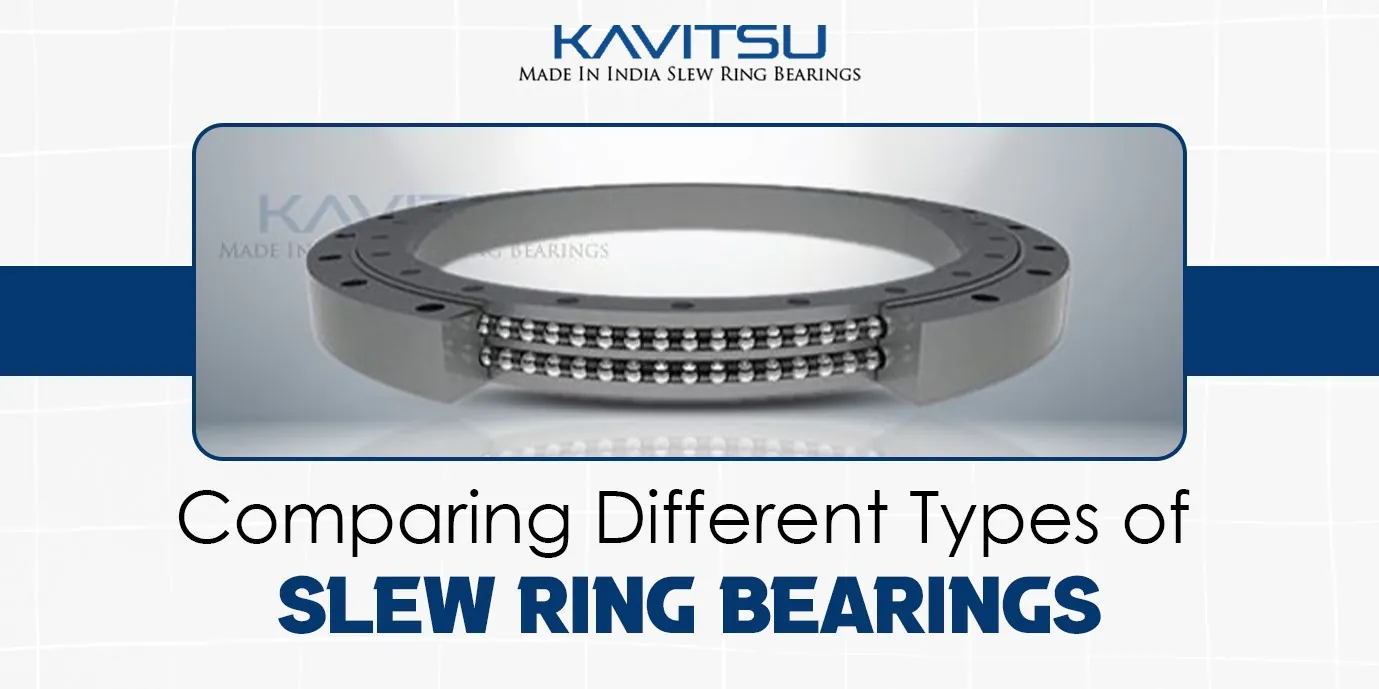
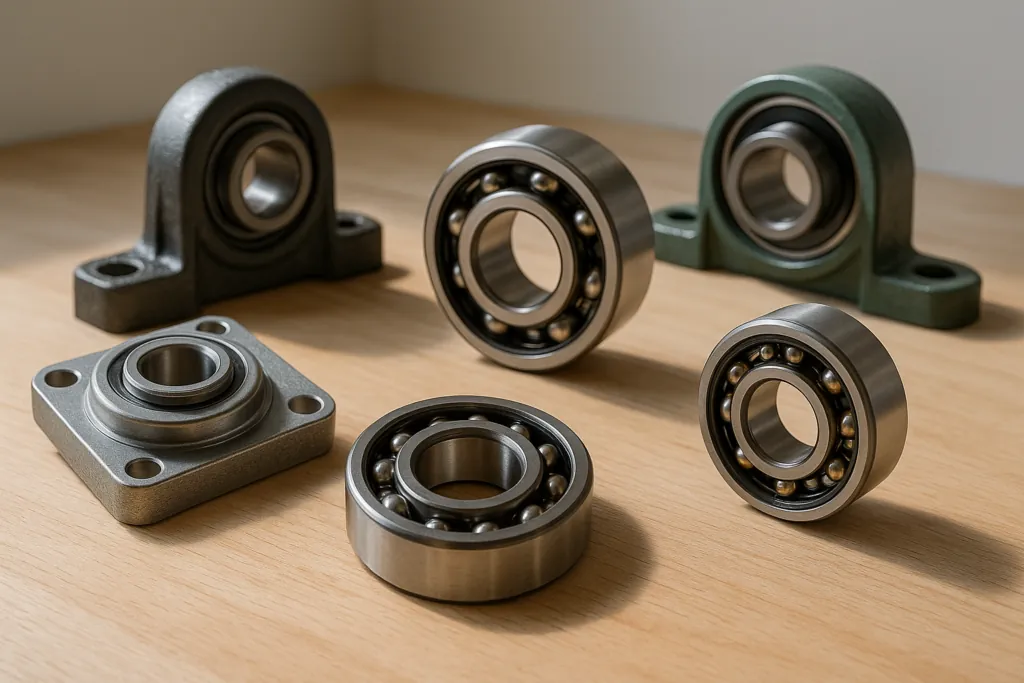
At its core, a bearing is a device that allows constrained relative motion between two parts, typically rotation or linear movement. They’re used in everything from household appliances like washing machines to heavy industrial equipment and automotive engines. People often assume that all bearings are the same, but the internal design varies greatly based on whether the load is axial, radial, or a combination of both.
The mechanical principle relies on rolling elements like balls or cylinders to separate moving surfaces. According to the International Organization for Standardization, these components must meet specific tolerance classes to ensure safe operation under high-speed conditions. If you choose a bearing with the wrong tolerance for your machine’s speed, it will overheat and fail prematurely.
Installing and replacing components
Replacing a bearing requires precision to avoid damaging the housing or the shaft. Follow these steps to ensure a proper fit:
- Clean the housing and shaft thoroughly to remove old grease and metal particles.
- Inspect the shaft for grooves or wear; if it’s damaged, the new bearing won’t seat correctly.
- Apply a thin layer of clean machine oil to the shaft to assist with sliding the bearing into place.
- Use a dedicated bearing press or a soft-faced mallet to apply force only to the inner ring if mounting on a shaft.
- If mounting into a housing, apply force only to the outer ring to avoid damaging the rolling elements.
- Check for smooth, silent rotation by spinning the part by hand before applying power.
If the bearing feels gritty or resists rotation, remove it immediately. For heavy industrial machinery, always follow the maintenance schedule provided by the equipment manufacturer.
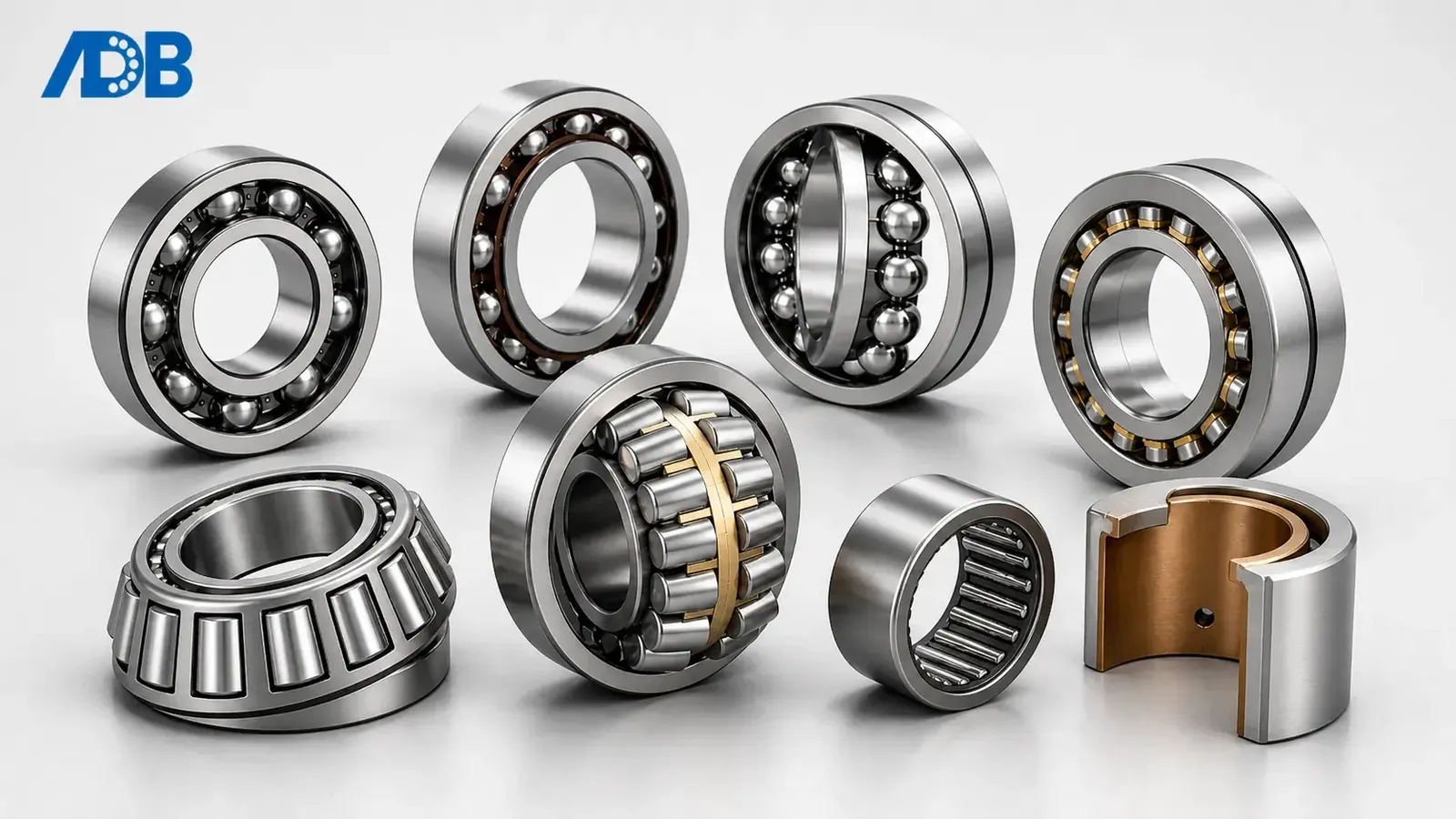
Comparison guide to different bearing types and their uses
| Situation | What to use | How long | What to watch for |
|---|---|---|---|
| High speed, low load | Deep groove ball | Long life | Excessive heat |
| Heavy radial load | Cylindrical roller | Very long | Alignment errors |
| High thrust load | Tapered roller | Moderate | Proper pre-load |
| Small space, high load | Needle roller | Short | Lack of lubrication |
| Oscillating movement | Spherical plain | High | Surface corrosion |
Achieving professional results
Experienced technicians prioritize cleanliness above all else. Even a tiny piece of dust inside a sealed bearing can cause it to vibrate or seize. When preparing for installation, keep all parts in their original packaging until the very last second. If you’re working in a dusty environment, build a temporary clean zone using plastic sheets.
Another detail is the orientation of the bearing. Many designs are directional, meaning they can only handle force from one side. Before you press the part into place, mark the outer ring with a permanent marker to indicate the load-bearing side. If you install it backward, the bearing won’t support the intended load path, leading to immediate binding or rapid failure.
Troubleshooting common mechanical issues
| What you notice | What it usually means | What to do first |
|---|---|---|
| Loud grinding noise | Lack of lubrication | Check for grease leaks |
| Excessive heat | Over-tightened fit | Re-check housing clearance |
| Visible wobbling | Worn shaft seat | Inspect the shaft diameter |
| Seized rotation | Debris contamination | Replace the bearing |
If you hear a grinding sound, verify the lubricant viscosity before adding more. If the heat persists after adjusting the housing, check the thermal expansion rate of your specific alloy. Most technicians fail here by ignoring ambient temperature shifts.
When you spot a wobble, measure the shaft diameter with a digital caliper. If the reading deviates by more than 0.05 millimeters, the seat is permanently compromised. Replacing the bearing alone won’t fix this; you must sleeve the shaft or replace the entire assembly.
If the rotation seizes, look for metal shavings in the race. Fine dust suggests external debris, while large flakes indicate structural failure. Clean the housing thoroughly before installing the replacement to prevent immediate re-contamination.
Regulatory standards and safety
Mechanical standards define how bearings are tested for fatigue and load capacity. The American National Standards Institute (ANSI) provides the framework for standardizing dimension and performance ratings across the industry. When selecting parts for critical systems, ensure the product documentation references these standards to guarantee quality. If you’re working on vehicle brakes or steering systems, improper installation can lead to a total loss of vehicle control; always consult a certified mechanic for these specific tasks.
Maintenance and long-term care
Proper maintenance extends the life of your bearings significantly. Most standard bearings require re-lubrication at intervals defined by the equipment’s duty cycle. If you notice a change in the sound of the machine, it’s usually a sign that the grease has dried out or become contaminated. To restore performance, clean the old lubricant out using a solvent before applying the manufacturer’s recommended grease. Don’t overfill the cavity, as too much grease causes the bearing to run hot and fail.
When to avoid standard bearings
Standard rolling-element bearings aren’t suitable for every application. If your machine operates in a vacuum or extreme temperatures, standard lubricants will evaporate or solidify, requiring specialized dry-film coatings instead.
If the machine experiences constant, high-impact shocks, standard ball bearings will crack. In these cases, you should switch to heavy-duty bronze bushings or specialized spherical roller bearings.
A common mistake is assuming that speed ratings are universal. If your application exceeds 10,000 RPM, standard steel cages often fail due to centrifugal force. You must upgrade to machined brass or phenolic cages to prevent catastrophic cage fracture.
If your environment involves caustic chemicals or saltwater, choose 316 stainless steel or ceramic hybrids. Standard 52100 chrome steel will corrode within days, leading to premature seizure. Always check the manufacturer’s technical manual to see if your specific operating conditions require a non-standard part.
Related guides
Frequently asked questions
Can I reuse a bearing after removing it?
No, you should rarely reuse a bearing after it has been pressed off a shaft. The force required to remove it often causes microscopic damage to the races or rolling elements, leading to a very short remaining lifespan.
How do I know which size I need?
You can identify the correct size by reading the etched number on the side of the old bearing. If the number is worn off, use a digital caliper to measure the inner diameter, outer diameter, and width in millimeters.
Is it safe to wash bearings with water?
No, you must never use water to clean bearings. Water causes immediate rust on the precision-ground surfaces, which will ruin the bearing within hours; use a dedicated parts cleaner or isopropyl alcohol instead.
Why is my new bearing making a clicking sound?
A clicking sound usually means the bearing isn’t seated fully or the housing is slightly out of round. Check that the bearing is pressed all the way into the seat and that the shaft isn’t bent.
How long should a high-quality bearing last?
A high-quality bearing can last for thousands of hours, provided it stays clean and properly lubricated. The exact lifespan depends on the load, speed, and environmental conditions, which you can find in the manufacturer’s specification sheet for that part number.
What happens if I use the wrong grease?
Using the wrong grease can cause the internal components to break down or seize due to chemical incompatibility. Always cross-reference the grease type with the bearing manufacturer’s recommendations to ensure they’re compatible for your temperature range.
Conclusion
Choosing the right bearing for your project ensures that your machinery remains reliable and efficient. By following the installation steps and maintenance intervals, you prevent costly breakdowns and keep your equipment running for years.
