
You can find buyers for your used workout equipment by checking local online marketplaces and specialized fitness resale shops. These platforms offer the best chance to reach buyers in your area who can arrange their own pickup. If you have bulky items like power racks or treadmills, local sales are usually faster and cheaper than shipping them across the country. Always check your local safety requirements for selling electrical goods to ensure you’re compliant with local laws.
Quick guide to where to sell used workout equipment
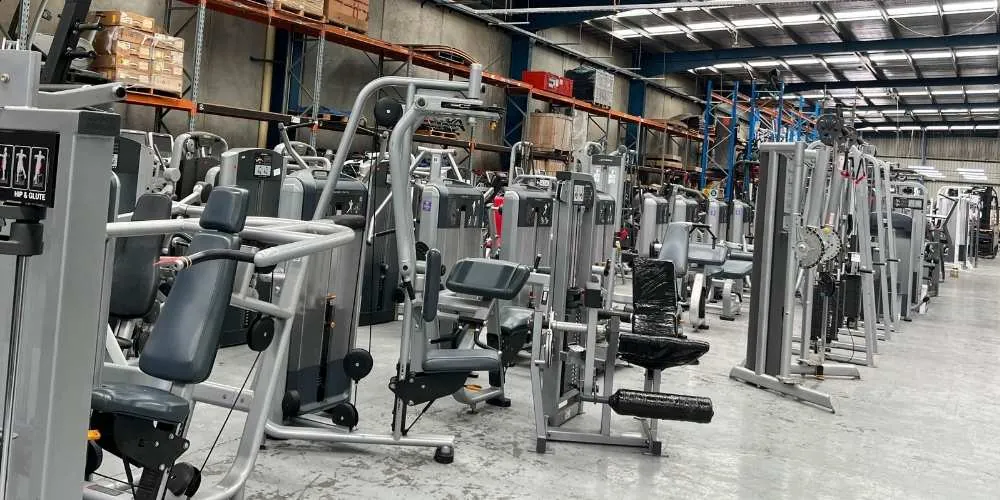
Use platforms like Facebook Marketplace or Craigslist for heavy items like benches and squat racks. Local buyers avoid shipping costs, which often exceed the value of bulky steel.
Clean your equipment thoroughly with a mild disinfectant to improve its resale value. Rust spots or chalk residue suggest neglect and force buyers to negotiate downward.
Take at least 5 clear photos from different angles to show the condition of the gear. Include close-ups of any frayed cables or worn upholstery, as transparency prevents wasted trips for both parties.
Price your items at 50% to 60% of the original retail price for a quick sale. If your gear is brand-name or barely used, list it at 70%, but drop the price by 10% if it sits for more than a week.
Meet buyers in a public, well-lit place if you’re selling small items like dumbbells. Avoid bringing strangers to your home unless the item requires a test drive.
Check the Consumer Product Safety Commission website to ensure your equipment isn’t currently under a recall notice. Selling recalled gear creates significant liability.
Why local sales are best for fitness gear
Selling heavy gym equipment locally is almost always the smartest path because these items are expensive and difficult to ship. A standard treadmill can weigh over 200 pounds, which makes the cost of freight shipping higher than the value of the machine itself. By listing your gear locally, you shift the burden of logistics to the buyer. Most buyers prefer to inspect the equipment in person before they hand over any cash.
Local buyers also save you from the stress of packaging. You don’t need to worry about finding boxes, bubble wrap, or shipping labels that can handle heavy metal parts.
When you sell on a local platform, the transaction ends the moment the buyer loads the gear into their vehicle. This saves you hours of work and keeps your shipping costs at zero. If you try to ship large items, you might find that the shipping company fees eat your entire profit margin.
If your item weighs more than 50 pounds, don’t offer shipping. The cost of packaging materials and freight insurance will often exceed the final sale price. If you’re selling a bench or rack that breaks down into smaller pieces, include a photo of the disassembled parts. This proves to the buyer that the item will actually fit inside their sedan or SUV.
Pricing strategy is the main driver of how fast your items move. If you set the price too high, the listing will sit for weeks without any serious inquiries. Most buyers look for a significant discount compared to buying new gear from a store.
If you’re selling a brand-name item that’s still in excellent condition, you can aim for 60% of the original price. If the item shows heavy wear or is an older model, you should start at 40% to attract interest.
You should always be honest about the condition of the metal and the moving parts. If a cable machine has frayed wires or a treadmill belt skips, mention these issues clearly in your description. This builds trust and prevents wasted time when a buyer shows up and decides the item isn’t what they wanted. Taking clear photos of any rust or scratches helps manage expectations before the buyer arrives at your home.
Where the strategy changes
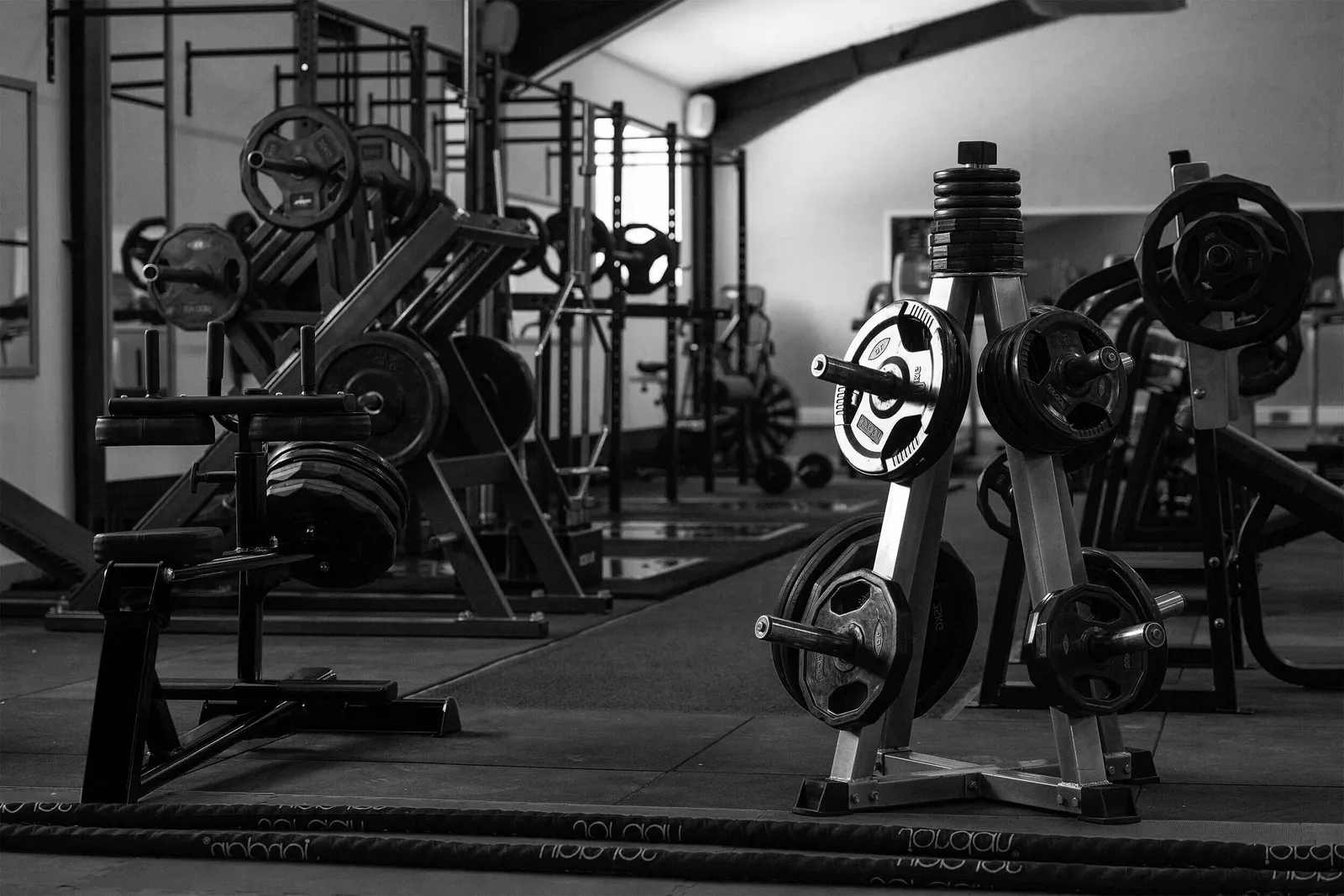
The best method depends on the weight and the type of equipment you’re trying to move.
| Situation | What changes | What to do instead |
|---|---|---|
| Small items | Shipping is cheap | List on national sites |
| Commercial gear | High resale value | Contact local gym owners |
| Damaged items | Value is very low | List for free pickup |
| Rare brands | Target audience is small | Join niche fitness groups |
| Heavy machines | Shipping is impossible | Use local classifieds only |
If your item weighs over 150 pounds, stop using national shipping platforms immediately. The freight costs will exceed the resale value, leaving you with a net loss. Instead, require local pickup only and insist the buyer brings a truck and a partner.
If you’re selling high-end commercial gear, don’t use consumer marketplaces. These platforms attract bargain hunters who will lowball your price. Reach out to local boutique gym owners directly. They prioritize reliability over a discount and often have the logistics to move heavy machines.
When listing damaged items, be precise about the specific mechanical failure. If the motor is dead, disclose it in the first sentence. You’ll save hours of back-and-forth communication with buyers who expect a functional machine. If you ignore this, you risk a negative reputation that prevents future sales.
How to sell your equipment properly
Inspect every piece of equipment for loose bolts or hairline cracks in the frame. Tighten all hardware using a standard wrench set to ensure the item is structurally sound. If you find rust, sand it down to bare metal and apply a rust-inhibiting primer before touching it up with matching paint.
Clean the surfaces with a damp cloth and mild soap. Remove all sweat, chalk, and dust to make the gear look well-maintained. A clean machine signals to the buyer that the internal bearings and cables have been treated with equal care.
Write a detailed description including the brand, model name, and age. List the exact footprint in inches so the buyer can verify it fits their space. If the item is modular, specify which attachments are included.
Set a firm price based on local market research. If you need a fast sale, price your item 10% lower than the cheapest comparable listing. However, if your equipment includes premium upgrades or custom weights, add 15% to your base price to account for the added utility.
Screen buyers by asking for their pickup time and transportation method. If they lack a truck for a large rack, they aren’t a serious buyer. Don’t hold items for more than 24 hours without a digital deposit.
Agree on a safe meeting spot if you prefer privacy. A police station parking lot or a busy retail store is ideal for small exchanges. For heavy items, insist on a two-person pickup to ensure the buyer can safely move the load without damaging your property or hurting themselves.
The mistakes that ruin a sale
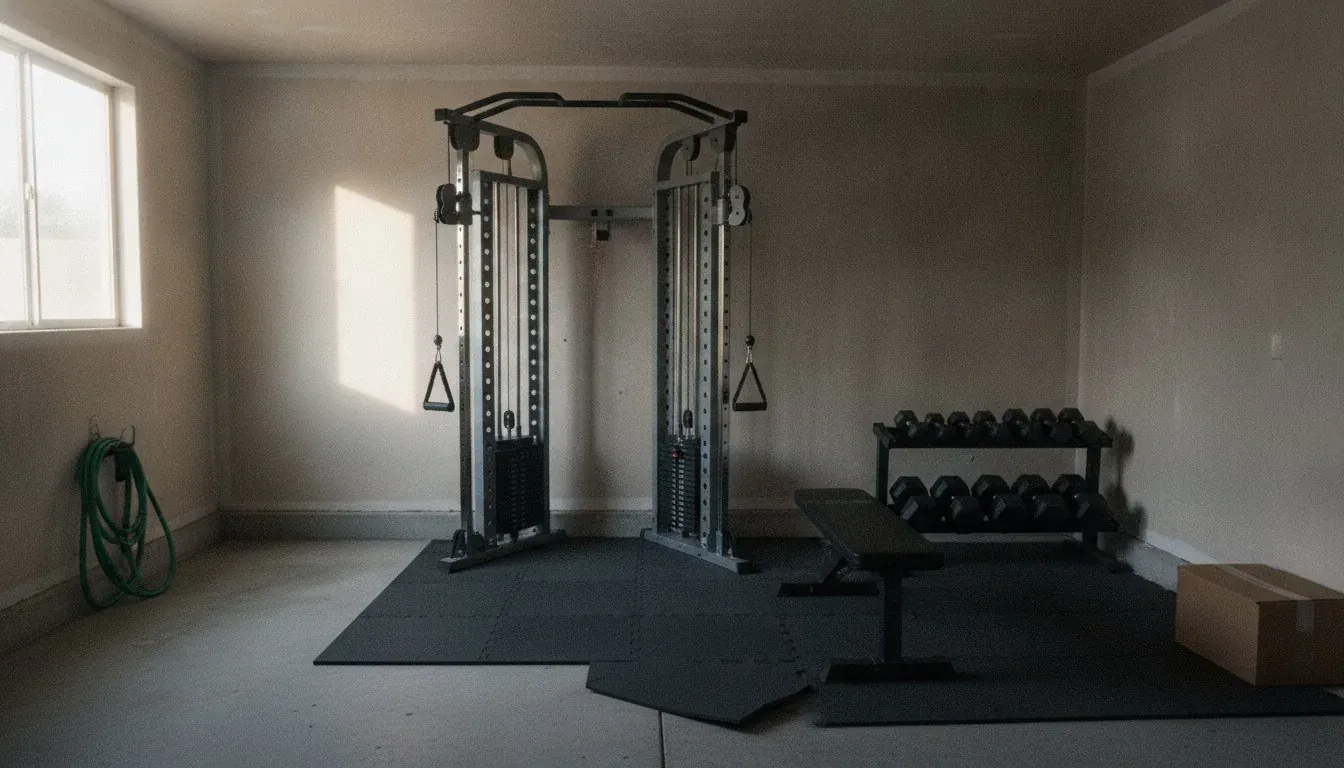
Forgetting to include the dimensions in the post means you’ll answer the same question repeatedly. Measure your item to the nearest half-inch and list the length, width, and height clearly at the top of your description.
Using stock photos instead of real pictures makes buyers suspicious that you don’t actually own the item. Always include at least four photos taken in natural light, showing the item from every angle and highlighting any existing wear.
Leaving the equipment dirty gives the impression that it wasn’t cared for, which lowers your bargaining power. A ten-minute cleaning session often increases the final sale price significantly compared to the effort required.
Pricing your item near the retail cost makes it impossible to compete with new items that offer warranties. If the item is used, cap your asking price at sixty percent of the current market value to ensure a quick, competitive sale.
Related guides
- 6 Types of Testing Equipment Used in Electrical Engineering
- What Is Nomex Honeycomb and What Is It Used For
- How Glulam Is Made and Used in Structural Applications
Frequently asked questions
Can I sell used weights to a local gym?
Yes, some local gyms buy used weights if they’re looking to expand their inventory or replace worn-out plates. You should call the gym manager directly to ask if they’re currently buying equipment. Most gyms prefer standard Olympic plates or high-quality dumbbells. If they aren’t buying, they might be able to recommend a local dealer who specializes in refurbished commercial fitness gear.
How long does it take to sell a treadmill?
Selling a treadmill usually takes between 1 and 3 weeks if the price is fair for the model year. The time to sell depends on the season, as demand often spikes in January and dips during the summer months. If your treadmill doesn’t sell within a month, you should lower the price by 15% or improve your photos to attract more attention.
Is it safe to sell gym equipment from my home?
It’s safe if you verify the buyer and communicate clearly before they arrive at your property. You should always ask for a phone number and confirm the pickup time shortly before they arrive. If you feel uncomfortable, ask a friend or family member to be present during the transaction. Never share your home address until you have confirmed the buyer is serious and ready to pick up the item.
Does it matter if I don’t have the original box?
It doesn’t matter for local sales because the buyer is inspecting the item in person. Most people buying used gym gear expect to see the item assembled or at least out of the packaging. You don’t need the original box to show the quality or the functionality of the machine. Focus on providing the original instruction manual if you still have it, as that adds real value.
What happens if the buyer finds a hidden defect?
The buyer will likely ask for a lower price or cancel the sale if they find a defect you didn’t disclose. You can avoid this by being completely transparent about the condition of the gear in your original listing. If you notice a minor issue, mention it upfront to save both parties time. Most buyers are reasonable if they know exactly what they’re getting before they travel to you.
Why do people prefer local sales over shipping?
People prefer local sales because they avoid the high cost and risk of shipping heavy equipment. Shipping a large item like a weight bench often costs more than the item is worth due to weight and size surcharges. When you sell locally, the buyer can inspect the item and take it home immediately. This eliminates the need for complex packaging and prevents damage during the long transit process.
Conclusion
Selling your used gear locally is the most efficient way to clear space and recover some of your investment. By taking clear photos, pricing your items fairly, and being honest about their condition, you’ll find a buyer quickly. Always prioritize safety during the meeting and ensure the buyer has the right tools to move the equipment, so the process remains smooth for everyone involved.
