
A typical pool takes 30 to 60 minutes to clean if you follow the right steps. The time required to clean a pool depends on three things: the size of your water, how dirty it is, and whether you use a robot or a manual hose. You can finish faster with a machine, but you need more time for heavy algae or debris after a storm.
The clock starts when you grab your tools and stops when the water looks clear again. If you skip checking the filter pressure or forget to vacuum the corners, you’ll just be delaying the next mess. This guide shows you the exact times for each step so you know what to expect before you start.
Who this guide serves best
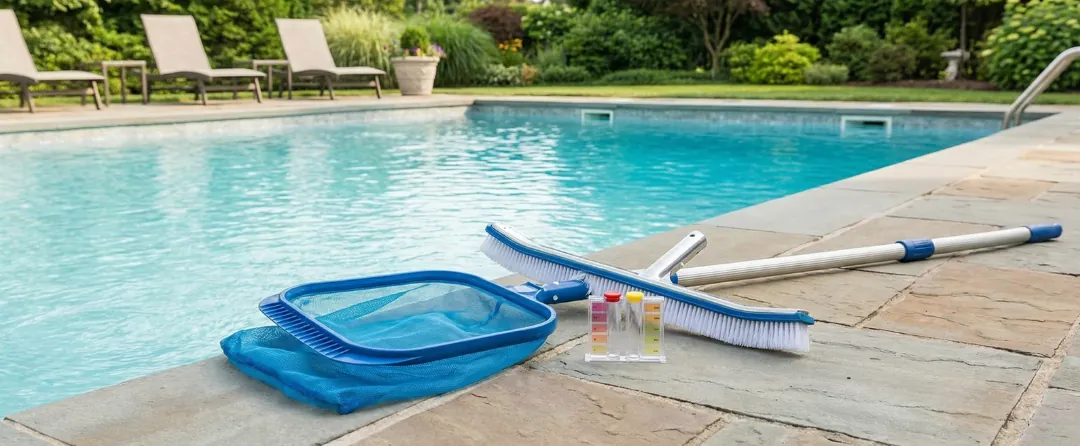
This page helps homeowners who own an in-ground or large above-ground pool and want a realistic schedule. You might have a small backyard oasis that needs weekly care, or a larger family pool that collects leaves every autumn. If you’re looking for a quick fix for green water without understanding the chemistry, this article explains why that doesn’t work.
We serve readers who already have basic tools like a skimmer, a brush, and a vacuum. If you’re a professional pool service manager needing commercial-grade efficiency tips, you should look at industry trade journals instead. This article focuses on the standard residential job where you do the work yourself on weekends.
You need to know your pool’s surface area to get accurate times. A 15-foot round pool takes less than half the time of a 20-by-40 rectangular one. We also assume your filtration system works correctly; if your pump is broken, cleaning the water won’t help until you fix the machine first.
What decides the cleaning time
The size of your pool sets the baseline for everything else. A small 10,000-gallon pool might take 20 minutes to skim and vacuum, while a massive 40,000-gallon pool could take over two hours. Measure your length and width to find the gallons, then check your equipment manual for the recommended flow rate.
The amount of debris changes the job from a quick tidy to a major cleanup. Light dust takes minutes, but thick layers of leaves or mud require extra steps like pre-filtering or using a leaf net first. If you wait too long between cleanings, the time needed doubles because dirt sticks harder to the bottom.
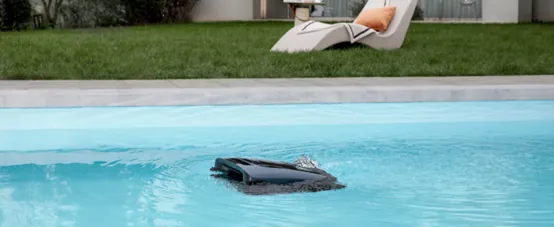
Your equipment type is the biggest variable people get wrong. A manual vacuum wand moves slowly and requires constant walking, adding 15 to 20 minutes per pass. An automatic robotic cleaner runs on its own for several hours; while some models only clean the floor, many also scrub walls and waterlines. A suction-side cleaner uses the pump’s power but slows down the whole system.
Water clarity affects how long you spend brushing. Cloudy water often means you need to run the filter longer or add chemicals before vacuuming. Clear water lets you see the dirt instantly, so you don’t miss spots and waste time going over the same area twice.
Step by step to clean your pool
- Skim the surface for leaves and bugs using a hand net for 5 to 10 minutes. Stop when the water surface is completely free of floating objects.
- Brush the walls and floor to loosen algae and dirt, spending about 10 minutes on a standard-sized pool. Watch for the water turning slightly cloudy as particles lift off the surfaces.
- Vacuum the bottom starting from the shallow end and moving deep, taking 15 to 20 minutes depending on pool size. Ensure the vacuum head glides smoothly without getting stuck on the return jets.
- Check the filter pressure gauge; if it is 8 to 10 psi higher than normal, backwash the filter for 2 to 3 minutes. Run the water until it comes out clear from the waste line.
- Test the water chemistry with test strips or a liquid kit, adjusting pH and chlorine levels as needed. Wait 30 minutes after adding chemicals before swimming or testing again.
- Run the pump for at least 8 hours to circulate the treated water and catch remaining fine particles. Turn it off only when the water looks crystal clear and the filter pressure stabilizes.
The final judgment call is knowing when to stop vacuuming. If the vacuum bag fills up halfway through the floor, empty it immediately; otherwise, you lose suction and miss the dirt. If the water stays cloudy after 8 hours of running, don’t keep vacuuming—check your chemical balance or filter media instead.
If your pool has severe algae growth or a cracked liner, stop here and call a professional. Trying to clean a damaged pool can spread contaminants or worsen the leak, costing you much more in repairs later.
Cleaning times by situation
| Situation | Action needed | Time required | What to watch for |
|---|---|---|---|
| Weekly light maintenance | Skim, brush, vacuum | 45–60 minutes | Filter pressure rising too fast |
| Heavy leaf fall | Netting, vacuum, backwash | 90–120 minutes | Clogged skimmer baskets |
| Green algae outbreak | Shock, scrub, vacuum | 3–5 hours total | Cloudy water returning quickly |
| Post-storm cleanup | Remove debris, rebalance | 60–90 minutes | pH dropping from rain acidity |
| Seasonal opening | Deep scrub, prime pump | 2–3 hours | Air locks in the lines |
| Robot cleaner setup | Place unit, set timer | 15 minutes (setup) | Unit getting stuck on stairs |
| Manual vacuum only | Walk entire floor | 45–75 minutes | Hose tangling on the ladder |
These times assume a standard 15,000-gallon pool with working equipment. Larger pools will need proportionally more time, while smaller ones may finish sooner. Always check your specific model’s manual for any unique requirements that change these estimates.
Signs of a thorough clean
Checking the filter pressure
Experienced cleaners watch the pressure gauge closely during the process. A healthy filter reads steady after backwashing, usually around 10 to 15 psi depending on the brand. If the needle climbs quickly while you vacuum, the filter is clogging, and you must stop and clean it again. Beginners often ignore this sign, leading to poor circulation and wasted energy.
Cartridge filters behave differently than sand or DE models here. Watch for a rise of seven to ten psi above your starting number. That specific jump means flow has dropped enough to stall your vacuum head against the floor.
A needle that flutters instead of climbing tells you something else entirely. Air is leaking into the pump basket lid or a suction line fitting. Vacuuming under those conditions pushes debris past the media instead of trapping it.
Spotting hidden dirt
Professionals look for “dead zones” where water doesn’t move well, like behind ladders or near returns. They brush these areas last to ensure no algae hides there. If you only vacuum the open floor, you leave pockets of dirt that bloom into full algae patches within days. A truly clean pool has no visible film on the waterline or dark spots on the tile.
Run your hand along the inside of the skimmer throat after finishing. Grit trapped in that narrow plastic channel means fine silt bypassed your vacuum hose during the job.
Check the main drain cover with a mask. Fine dust settles directly over those grates when the pump runs too slowly to pull it away.
Water should look identical at three feet deep as it does at the surface. Any haze lingering near the bottom means particles are still suspended from your brushing.
Common problems and fixes
| What you notice | What it usually means | What to do first | How to stop it happening again |
|---|---|---|---|
| Vacuum loses suction | Clogged skimmer or basket | Empty baskets and check hoses | Clean baskets before every use |
| Water stays cloudy | Wrong chemical balance | Test and adjust pH/chlorine | Balance water weekly |
| Algae returns fast | Low chlorine or poor flow | Shock treat and brush walls | Run pump 8+ hours daily |
| Vacuum gets stuck | Debris blocking the head | Clear the blockage manually | Use a leaf net first |
| Filter pressure spikes | Dirty filter media | Backwash or clean cartridge | Schedule regular maintenance |
| Air bubbles in return | Leaking suction line | Tighten fittings and check valves | Inspect seals seasonally |
| Streaks on glass walls | Hard water or scale | Scrub with acid wash carefully | Maintain proper calcium levels |
Always verify the cause before applying a fix. Adding more chemicals to a clogged filter won’t clear the water and can damage your equipment. If the problem persists after trying these steps, consult a certified technician.
Rules and safety limits
Local health departments often set rules for public pools, but private homes usually follow general safety guidelines. The Centers for Disease Control and Prevention recommends keeping chlorine between 1 and 3 ppm and pH between 7.2 and 7.8 CDC Pool Safety. These numbers prevent bacteria growth and eye irritation.
Never mix chlorine with other chemicals directly in the pool. Always add them separately and let the water circulate fully. Some states require barriers or alarms for pools deeper than 24 inches to protect children. Check your local municipal code for specific fencing or cover laws.
If you’re unsure about chemical handling, read the label on every bottle. Many products carry warnings about skin contact or inhalation risks. For complex issues like salt cell replacement or major plumbing repairs, hire a licensed contractor. Working with high-voltage pumps or gas heaters without training can cause serious injury or fire.
Test your water at least twice a week during peak summer months when heat and heavy use spike demand. If your chlorine reads zero after adding fresh doses, check your pH first; levels above 7.8 significantly reduce chlorine’s sanitizing power, though they don’t eliminate it entirely.
A common mistake is shocking the pool right before swimming, which can cause eye irritation and skin discomfort until chlorine levels drop to safe ranges. Wait until the level drops below 5 ppm before allowing anyone back in the water.
If your pump runs constantly yet pressure remains low, don’t force it by increasing speed. This usually signals a leak or a clogged filter that needs professional diagnosis. Ignoring this sign can destroy a $1,000 motor within days. When in doubt about electrical connections near water, shut off the breaker immediately and call an electrician rather than attempting a quick fix yourself.
Real costs of pool cleaning
Cleaning your pool costs mostly in time and electricity rather than supplies. Running a standard pump for 8 hours a day uses a modest amount of energy in many US regions. Over a month, this adds up to a noticeable expense in energy bills alone.
Chemicals vary by brand and water quality. A basic test strip pack is affordable and lasts a month, while liquid shock and algaecide represent a moderate monthly expense. Automatic cleaners require a significant upfront investment but save you 30 to 60 minutes of labor each week.
Labor is the biggest hidden cost if you hire someone. Professional services charge a substantial fee per visit for weekly maintenance. Doing it yourself saves money but demands consistency. If you miss a week, algae can grow, forcing you to buy expensive shock treatments and spend double the time cleaning.
Prices change based on fuel costs and chemical supply chains. Check current rates at local hardware stores or online retailers before buying in bulk. Never guess the dosage; under-dosing wastes money, and overdosing damages equipment.
Keeping your pool clean longer
Run your pump for at least 8 hours daily to keep water moving and filtered. Most manufacturers recommend splitting this into two 4-hour sessions, one in the morning and one in the evening. This prevents stagnation and keeps algae from settling.
Check the skimmer baskets every other day and empty them when full. A clogged basket stops water flow and makes the pump work harder. Brush the walls once a week to break up biofilm before it turns into stubborn algae.
Test your water twice a week using strips or a digital tester. Adjust chlorine and pH as soon as they drift outside the safe range. If you notice cloudiness, increase filtration time immediately rather than waiting for it to clear on its own.
Replace or clean your filter media according to the manufacturer’s schedule. Cartridge filters need rinsing every 1 to 2 months, while sand filters require backwashing when pressure rises 8 to 10 psi above normal. Ignoring these signs leads to poor performance and higher repair costs later.
When not to clean yourself
Don’t attempt to clean a pool with a broken pump or leaking liner. These issues require specialized tools and knowledge to fix safely. Trying to vacuum a cracked shell can push debris into the crack, making repairs harder and more expensive.
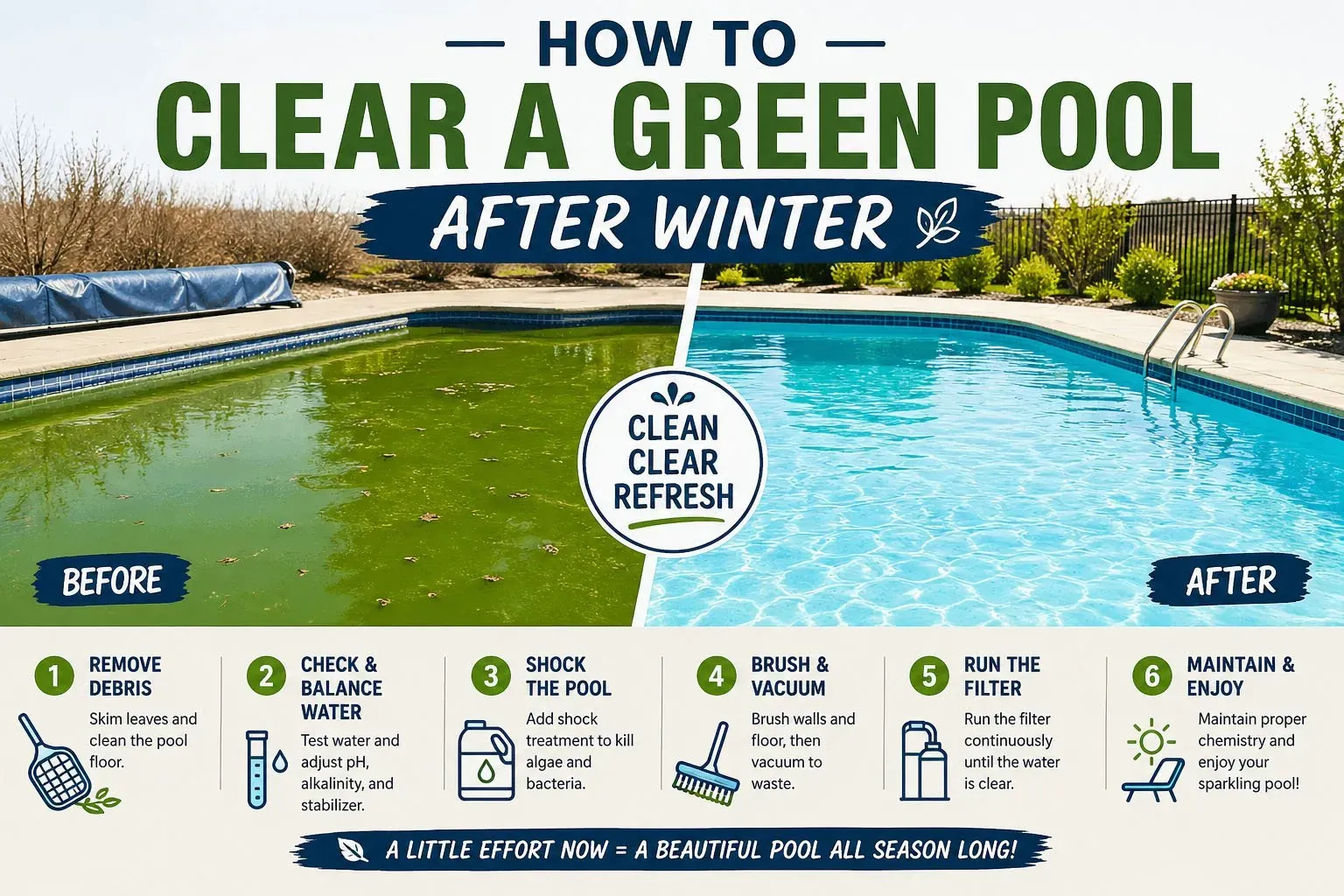
If the water is severely green or smells strongly of sulfur, stop and call a pro. High algae counts or bacterial blooms need precise chemical dosing that goes beyond simple shock treatment. Mishandling strong chemicals can cause burns or respiratory problems.
Black algae rooted in plaster needs a wire brush and targeted acid wash before any chlorine will reach it. Brushing mustard algae too aggressively releases spores back into the water column. You end up restarting the entire treatment cycle from scratch.
For pools with complex features like fountains, slides, or saltwater systems, get expert advice first. These setups have unique cleaning needs that standard guides don’t cover. A mistake here can void warranties or damage expensive components permanently.
Salt cells coated in calcium scale lose efficiency until the generator runs constantly without raising chlorine levels. Cleaning the cell according to the manufacturer’s instructions, often using a specific descaling solution or a very brief, controlled acid dip, can restore efficiency. Scrubbing them with anything abrasive destroys the protective coating.
Frequently asked questions
How long does it take to clean a small pool?
A small 10,000-gallon pool takes about 30 to 45 minutes to clean thoroughly. This includes skimming, brushing, and vacuuming with manual tools. Larger pools or those with heavy debris will need more time.
Can I clean my pool in under 20 minutes?
Only if you use a robotic cleaner and the water is already clear. Manual cleaning always takes longer due to walking and tool handling. Rushing the job often leads to missed spots and quicker recontamination.
Why does my pool stay cloudy after cleaning?
Cloudiness usually means unbalanced chemicals or a dirty filter. Check your pH and chlorine levels first, then backwash or clean the filter. If it persists, test for high calcium or phosphate levels.
Is it safe to swim right after cleaning?
Wait at least 30 minutes after adding chemicals before swimming. Chlorine needs time to distribute evenly and reach safe levels. Always follow the product label instructions for exact wait times.
What happens if I skip brushing the walls?
Algae builds up on walls faster than on the floor. Skipping this step means you’ll spend more time scrubbing later when the growth becomes thick and hard to remove. Regular brushing prevents this buildup entirely.
Does it matter which vacuum I use?
Yes, different vacuums suit different pool types. Suction-side units work well for floors, while robots handle walls better. Choose based on your pool shape and how much time you want to spend.
What to do next
Start by skimming the surface and checking your filter pressure today. Expect the water to look clearer within an hour of running the pump. If the pressure stays high or the water remains cloudy after 8 hours, stop and call a professional for help.
Don’t assume that adding more shock will fix persistent cloudiness if your filter is clogged. Pouring chemicals into a blocked system only wastes money and can damage your equipment further. Instead, inspect the pressure gauge; if it reads ten pounds per square inch above normal, backwash immediately before adding anything else.
If the water clears but turns cloudy again within two days, your circulation time is likely too short. Run the pump for at least eight hours daily during warm weather to ensure proper turnover. Skipping this step allows algae to regrow faster than you can treat it, forcing you to start the entire cleaning process over from scratch.