
Worm gearboxes are mechanical devices that reduce motor speed and increase torque by using a screw-shaped worm to drive a large gear wheel. This setup allows for high gear ratios in a very small space, which is why you see them in elevators and conveyor belts. Because the worm can only turn the gear and not the other way around, they naturally act as a brake to prevent back-driving.
Essential parts of a worm gearbox
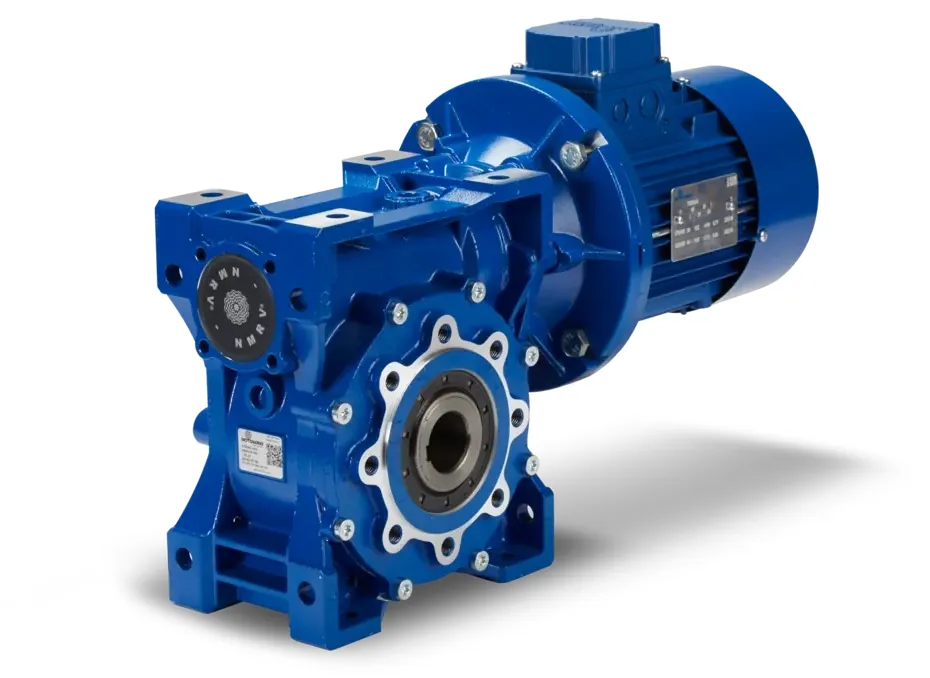
These systems rely on a few key components to move power from the motor to the output shaft. If you notice strange noises or heat, check your specific manual or the AGMA technical standards to see if your unit is operating within its rated design limits for load and temperature.
| Part or input | What it does | What you notice when it goes wrong |
|---|---|---|
| Worm shaft | Transfers rotation to gear | Vibration or loud grinding noise |
| Worm wheel | Receives torque for output | Excessive backlash or movement |
| Bearings | Support rotating shafts | High heat or metal particles |
| Seals | Keep oil inside unit | Visible oil leaks on floor |
| Lubricant | Reduces friction and heat | Gear teeth show rapid wear |
| Housing | Holds all parts aligned | Cracks or oil seeping out |
Most operators mistakenly ignore the thermal limits of the lubricant.
Check the oil color during your monthly inspection. If the fluid appears milky, water contamination has compromised the seals. If you find metallic shavings in the drain plug, the worm wheel is already failing due to misalignment.
Apply this rule: if the unit runs hot but shows no vibration, flush the system and replace the lubricant. In that case, stop the motor immediately to prevent a catastrophic housing fracture.
How a worm gearbox operates
The process of power transmission follows a specific path from the input source to the final load. This cycle happens continuously while the motor is running, provided the internal parts remain aligned and well-lubricated.
- The electric motor spins the input shaft, which is connected directly to the worm screw. This happens at high speeds, often reaching 1,750 rotations per minute on standard industrial motors.
- The threads of the worm screw push against the teeth of the gear wheel. This interaction forces the gear wheel to rotate much slower than the input shaft.
- Torque increases as speed drops due to the mechanical advantage provided by the gear ratio. This magnification depends on the ratio, which is stamped on the casing.
- The output shaft, attached to the center of the gear wheel, carries the increased torque to the machine. This shaft turns at the reduced speed determined by the gear ratio.
- Internal friction converts some energy into heat, which the housing dissipates into the air. If the housing feels hot to the touch, it’s working under a heavy load.
- The system stops when the motor cuts power. Because of the high friction between the worm and gear, the output shaft stays locked in place, holding the load steady.
Why gear failure happens
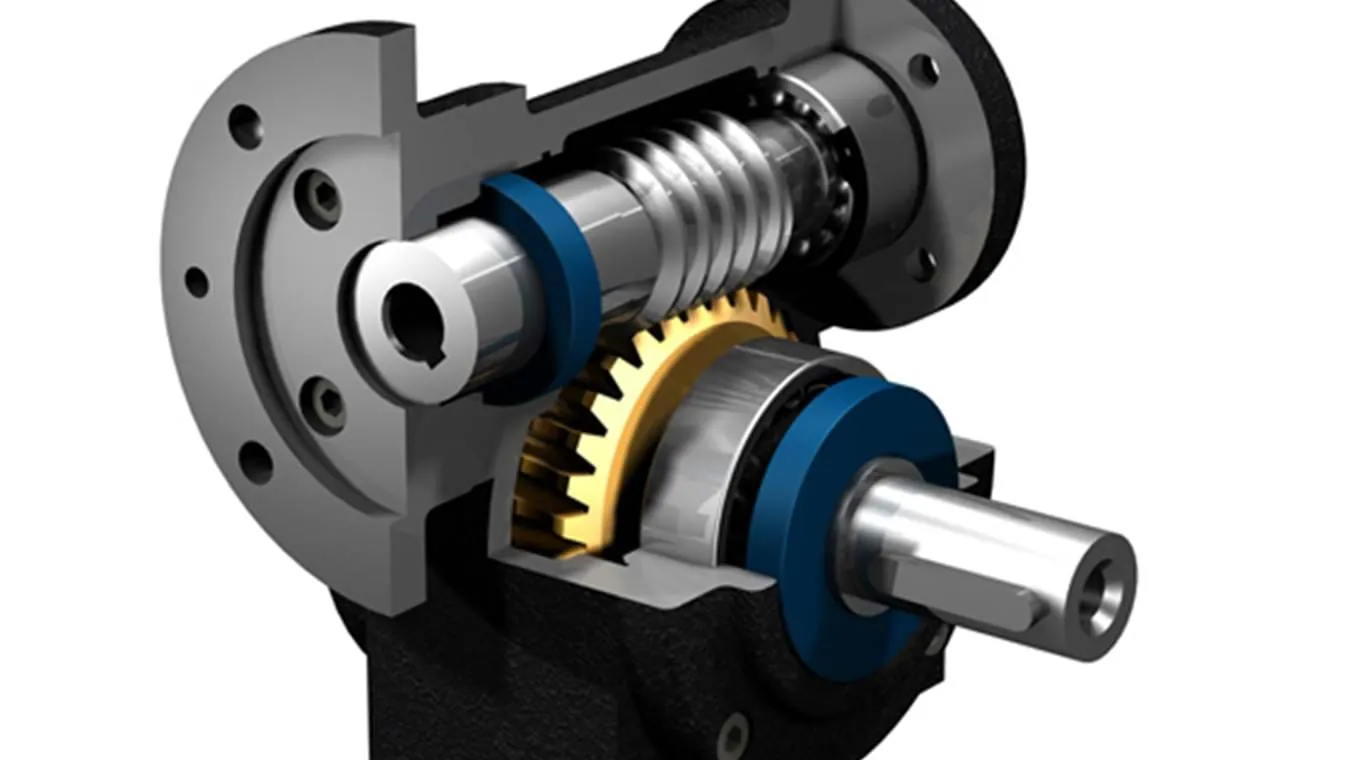
Worm gearboxes fail when the sliding contact between the worm and the gear generates too much heat or physical stress. Unlike other gear types, the teeth on these gears rub against each other rather than just rolling. This creates constant friction that wears down the metal surfaces over time. If the oil level drops or the wrong type of lubricant is used, the metal surfaces touch directly, causing rapid heat buildup and eventual seizing of the gears.
Another common issue is improper alignment of the shafts. If the worm isn’t perfectly centered on the gear wheel, it puts uneven pressure on the bearings. This leads to premature failure of the bearings or the housing seals. You’ll see this as oil leaking from the shaft seals or as a rhythmic thumping sound during operation.
If you force a gearbox to carry a load higher than its rating, the teeth can chip or break entirely. This usually happens when the motor is too powerful for the gearbox size. Always check the nameplate on your unit to confirm the maximum torque rating before attaching a new motor or increasing the load.
Controlling your gearbox performance
Things you can control
- Check the oil level monthly to ensure it stays within the sight glass.
- Monitor the housing temperature with an infrared gun during peak operation.
- Keep the exterior clean to help the housing release heat into the air.
- Tighten mounting bolts every six months to prevent vibration from loosening parts.
Things fixed by design
- The gear ratio is set by the number of teeth on the wheel.
- The efficiency limit is determined by the internal friction of the materials.
- The maximum torque capacity is locked by the strength of the metal teeth.
If you hear grinding or see metal shavings in the oil, stop the machine immediately. These signs mean the internal gears are damaged, and you need a professional technician to inspect the unit. Attempting to fix internal gears without proper training can lead to permanent damage or safety hazards if the unit fails under load.
Getting more out of it
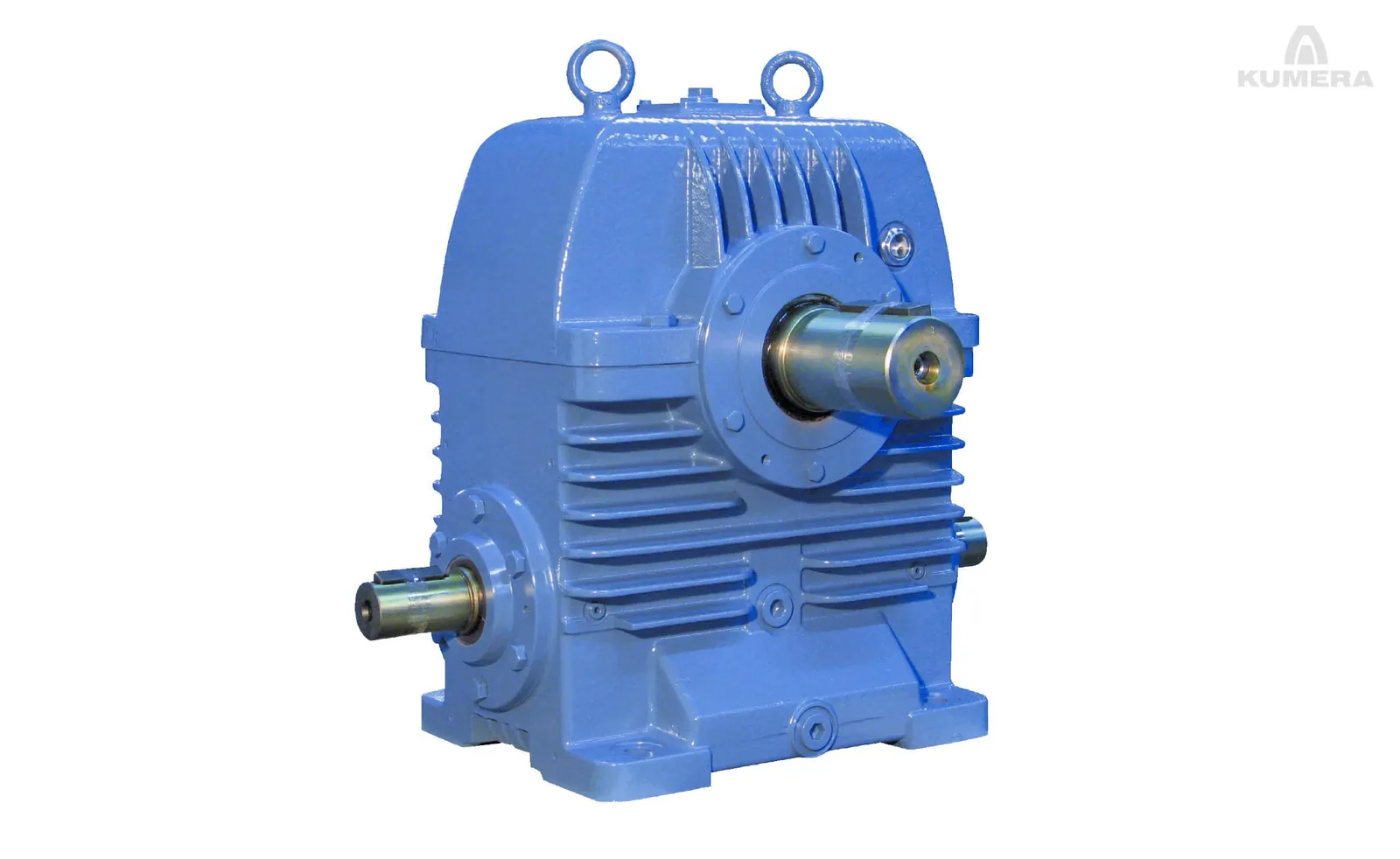
Consistent maintenance extends the life of your unit significantly. Start by changing the lubricant according to the manufacturer’s schedule, which is typically every 2,000 to 5,000 hours of operation. Using the correct grade of synthetic oil reduces friction, which keeps the operating temperature lower and preserves the gear surface.
If your environment is dusty, clean the cooling fins on the housing weekly to ensure air can flow freely. A clogged housing causes heat to build up inside, which degrades the oil faster. When the casing feels too hot to touch for more than a few seconds, you’re likely already seeing thermal breakdown of the lubricant.
Always verify that your motor speed matches the input speed range listed on the gearbox nameplate. If you run the gearbox faster than its rated speed, you’ll shorten its life by thousands of hours.
Avoid sudden stops or starts if your application allows for a soft-start drive, as shock loading is the fastest way to crack a gear tooth.
Frequently asked questions
Can I change the gear ratio of my unit?
No, the gear ratio is fixed by the physical number of teeth on the internal worm wheel and the worm screw. If you need a different speed or torque, you must replace the entire gearbox with one that has the ratio required for your specific application.
How often should I check the oil level?
You should check the oil level at least once a month if the unit runs daily. Look at the sight glass on the side of the housing; the oil should sit halfway up the glass, but always follow the exact level marks printed in your specific unit’s manual.
Is it safe to touch the housing?
It’s safe to touch the housing if the temperature is below 140 degrees Fahrenheit, but you should use a thermometer if you’re unsure. If the surface is too hot to touch comfortably, it likely exceeds the safe operating limit for the internal lubricant and seals.
What happens if I use the wrong oil?
Using the wrong oil causes rapid overheating and premature wear of the gear teeth because the lubricant can’t handle the high-pressure sliding contact. Always use the specific viscosity and type of oil recommended by the manufacturer on the official data sheet for your model.
Why does the output shaft feel locked?
The output shaft feels locked because the geometry of the worm and gear prevents back-driving. This is a design feature that acts as a mechanical brake, which is helpful for keeping loads in place when the motor is turned off or loses power.
How long do these gearboxes usually last?
These gearboxes typically last between 10,000 and 20,000 hours of operation when maintained according to the manufacturer’s schedule. The exact lifespan depends on the load, the operating temperature, and how often you change the oil to prevent metal-on-metal wear.
Conclusion
Proper maintenance ensures your gearbox runs efficiently for its expected life. Check your specific manual for the exact oil type and inspection intervals, as these vary by model and manufacturer.
