
If your garage door is beeping or failing to open during a power outage, you likely need a liftmaster garage door opener battery change to restore full functionality to your system. While these units are designed for reliability, the internal backup battery is a consumable component that typically lasts between three and five years depending on usage and local climate conditions. Replacing this part yourself is a straightforward process that requires only a few minutes and basic household tools, saving you the expense of a professional service call. If you’re wondering about the cost, you can expect to pay between $15 and $45 for a compatible replacement battery, depending on whether you purchase a generic version or an official manufacturer part.
Key Takeaways
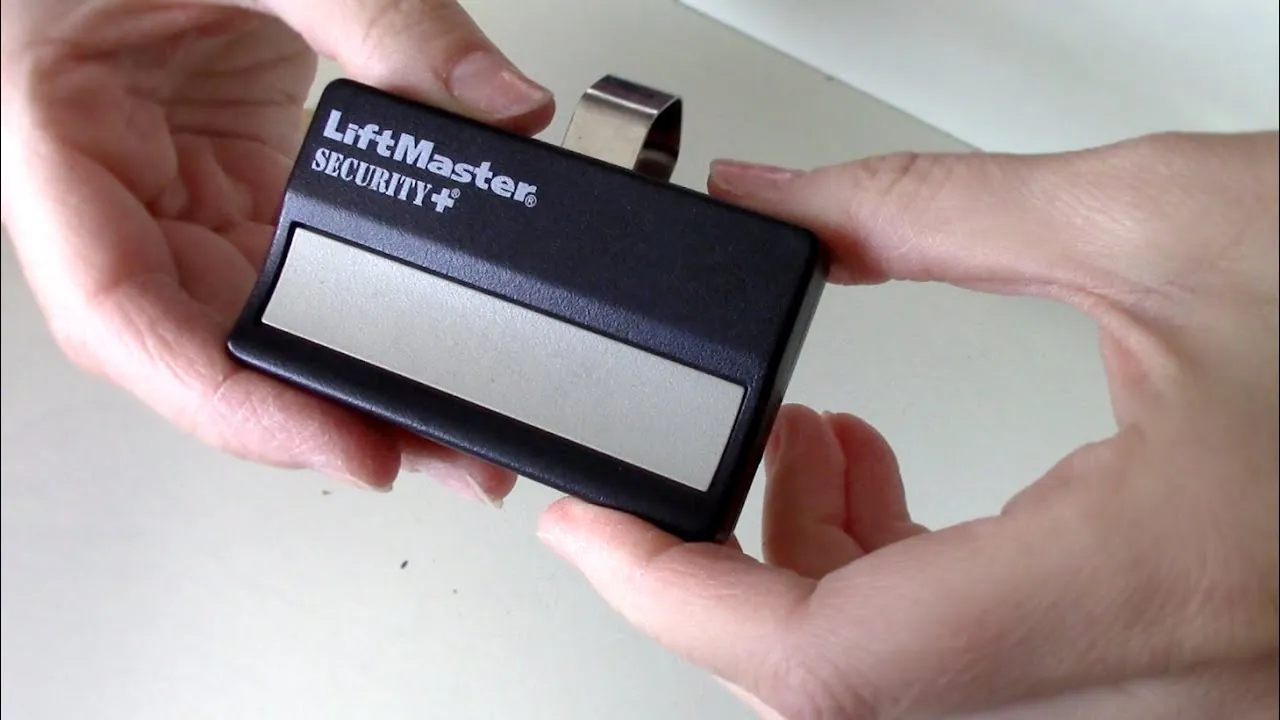
- Identify your model number on the side or back of the motor unit to ensure you purchase the correct battery type.
- Always disconnect the power cord from the ceiling outlet before performing any maintenance to avoid accidental electrical shock.
- Most modern units use sealed lead-acid batteries, which are classified as hazardous waste and should be taken to a recycling center.
- A persistent beeping sound from your garage door opener is the primary indicator that your backup battery has reached the end of its life.
- Ensure the new battery is fully seated in the compartment and the wiring harness is snapped firmly into the terminal pins.
Steps to change a LiftMaster garage door opener battery
Performing a liftmaster garage door opener battery change is a task most homeowners can complete without specialized training. Before beginning, ensure you have a stable ladder and a Phillips-head screwdriver ready. Start by unplugging the garage door opener from the wall outlet to ensure the system is completely de-energized.
If your unit is mounted high, use a sturdy ladder placed on level ground. Locate the battery compartment, which is usually found on the side or the back of the motor housing. Some models have a small plastic cover held in place by a single screw, while others feature a snap-fit door that can be pried open with a flat-head screwdriver.
Once the compartment is open, you’ll see the battery connected by two small spade terminals—one red and one black. Gently slide the battery out of the housing, being careful not to pull on the wires too hard. Disconnect the wires by pulling the connectors straight off the battery terminals.
Take the old battery to a local hardware store or electronics retailer to match the dimensions and voltage specifications. When installing the new battery, connect the red wire to the positive terminal and the black wire to the negative terminal. Slide the battery back into the slot, replace the cover, and plug the unit back into the wall outlet.
Understanding the beeping alert system
If you hear a series of beeps, your opener is communicating that the backup battery is either missing, dead, or failing to hold a charge. This feature is a safety requirement for many residential garage systems to ensure the door can be operated during an emergency.
| Alert Type | Status Meaning | Recommended Action |
|---|---|---|
| Single Beep | Battery low charge | Allow unit to charge for 24 hours |
| Continuous Beep | Battery failed/dead | Replace with new 12V unit |
| Flashing Orange | Charging error | Check terminal connections |
| No Light | Power disconnected | Check AC power source |
Which battery type do you need?
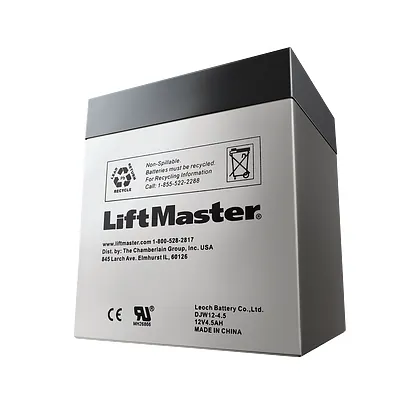
Selecting the correct replacement power cell is critical for the longevity of your motor unit. Most LiftMaster openers utilize a 12-volt, 5-ampere-hour (Ah) sealed lead-acid battery. While these look similar to batteries used in alarm systems, you should verify the exact dimensions and terminal size before purchasing. Using a battery with the wrong voltage can damage the internal charging circuit, leading to expensive repairs.
- 12V 5Ah Sealed Lead-Acid: The industry standard for most modern belt-drive and chain-drive openers.
- 12V 4.5Ah Models: Occasionally found in older, more compact motor units.
- Lithium-Ion Packs: Rare in older units but appearing in newer smart-home integrated openers.
Warning: Never attempt to modify the wiring harness or use a battery with a different voltage rating, as this creates a significant fire hazard and will void your factory warranty.
Is your battery actually dead?
Sometimes the issue isn’t the battery itself, but the connection or the charging system. Before purchasing a new unit, inspect the terminals for signs of corrosion or a white, powdery substance. If you see oxidation, use a small wire brush or a piece of fine-grit sandpaper to clean the metal surfaces.
Ensure that the harness wires aren’t frayed or pinched, as this will prevent the battery from receiving a charge. If the battery is cold to the touch, it may simply be depleted from a recent power outage and might recover after 24 hours of being plugged into the main power.
Why does the unit beep?
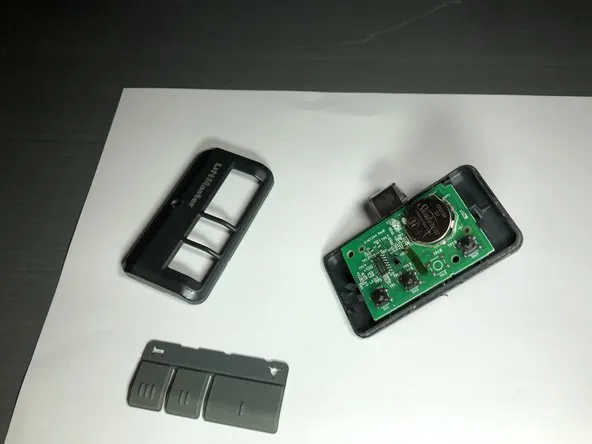
The primary reason for the audible alarm is to notify the homeowner that the emergency backup system is currently non-functional. Because garage doors are heavy, the backup battery is a critical safety component that allows you to exit your home during a fire or electrical failure.
If the battery is disconnected, the system will beep to alert you that you’re currently unprotected. Don’t ignore these alerts, as they’re a clear sign that you need a liftmaster garage door opener battery change immediately.
Tools required for the job
You don’t need a professional toolkit to maintain your opener. Most homeowners already have these items in their garage or junk drawer.
| Tool Name | Purpose |
|---|---|
| Phillips-head Screwdriver | Removing battery compartment screws |
| Flat-head Screwdriver | Prying open plastic access panels |
| Wire Brush | Cleaning terminal corrosion |
| Safety Glasses | Protecting eyes from dust or debris |
| Step Ladder | Accessing the motor unit safely |
Handling and recycling old batteries
Because these units contain lead and sulfuric acid, they can’t be thrown in the regular trash. Most municipalities have dedicated hazardous waste collection sites that accept lead-acid batteries at no cost. Many automotive parts stores also offer a free recycling drop-off service for these types of batteries. By recycling, you prevent toxic chemicals from entering the local groundwater and ensure that the lead is repurposed for future manufacturing.
Comparing battery replacement methods
When deciding how to handle your replacement, you have two primary options: the DIY route or hiring a technician.
- DIY Replacement: Costs $15-$45 for the battery, takes 10-15 minutes, and requires minimal tools.
- Professional Service: Costs $100-$250 including labor and travel fees, but provides a warranty on the service work.
Pro Tip: If you choose to hire a professional, ask them to check the tension of your garage door springs and the alignment of your safety sensors at the same time to maximize the value of the service call.
Troubleshooting common power issues
If replacing the battery doesn’t stop the beeping or if the opener still fails to operate during a test, you may have a deeper electrical problem. Check the GFCI outlet on your ceiling to ensure it hasn’t tripped.
If the opener works when plugged into an extension cord but not the ceiling outlet, the issue lies with your home’s wiring, not the garage door opener. Additionally, check the logic board status by observing the diagnostic LED lights on the side of the motor cover.
How to test the new battery
After you have installed the new battery, you should perform a functional test to ensure it’s working correctly. Unplug the opener from the wall while the door is in the closed position. Press the wall button or your remote control to open the door.
If the door opens at a normal or slightly slower speed, the battery is installed correctly. If the door fails to move or the motor makes a humming sound, re-check your terminal connections and ensure the battery is fully charged.
Related guides
- LiftMaster vs Chamberlain: Which Garage Door Opener Is Best
- LiftMaster vs Overhead Door Garage Door Openers: The Verdict
- LiftMaster vs Genie Garage Door Openers: The Best Drive Types
Frequently Asked Questions
How long does a LiftMaster backup battery last?
Under typical usage conditions, a high-quality backup battery will last between three and five years. Factors such as extreme temperature fluctuations in your garage and the frequency of power outages will determine if it stays on the shorter or longer end of that spectrum. Most manufacturers recommend testing the battery once a year to ensure it’s still holding a charge.
Can I operate the door without a battery?
Yes, you can still operate your garage door using the standard wall power even if the backup battery is dead or missing. However, you’ll lose the ability to open or close the door during a power outage. Furthermore, the unit will continue to emit an audible beeping sound until a functional battery is reinstalled or the battery backup feature is disabled in the settings.
What causes the battery to fail prematurely?
The most common cause of premature failure is exposure to extreme heat or cold. Garages are often not climate-controlled, and significant temperature swings can degrade the chemical composition of the lead-acid battery. Additionally, if the battery is left in a completely drained state for a long period, it may lose its ability to hold a charge entirely, requiring a full replacement.
Can I use a generic brand battery?
You can use a generic brand battery provided that the voltage, amperage, and physical dimensions match the original equipment manufacturer (OEM) specifications exactly. Many third-party batteries are manufactured to the same standards as the branded ones. Just ensure that the spade connectors on the generic battery match the size of your existing wiring harness to avoid a loose connection during operation.
Why is my garage door light flashing?
A flashing light on your garage door opener is a diagnostic code. If the light flashes in a specific sequence, it usually indicates a problem with the safety sensors or a power supply issue. Refer to your specific model’s manual to decode the flash pattern. If the light is flashing while the unit beeps, it’s almost certainly a notification regarding the backup battery status.
Conclusion
Taking the time to perform this maintenance yourself is a rewarding way to keep your home’s security system in top shape. Once you have successfully swapped the old battery for a new one, your garage door opener will be ready to handle any sudden power loss. If you continue to experience issues after the replacement, consult your owner’s manual for specific diagnostic codes or contact the manufacturer’s technical support department for further guidance.
