
Proper garage ventilation addresses trapped heat, chemical fumes, and moisture that can damage stored items. Installing passive vents or mechanical exhaust systems costs between $450 and $2,800. This investment prevents mold and rust while reducing the buildup of carbon monoxide or gasoline vapors. Managing airflow is essential for maintaining a safe, comfortable environment in a workshop, home gym, or vehicle storage space.
Key Takeaways
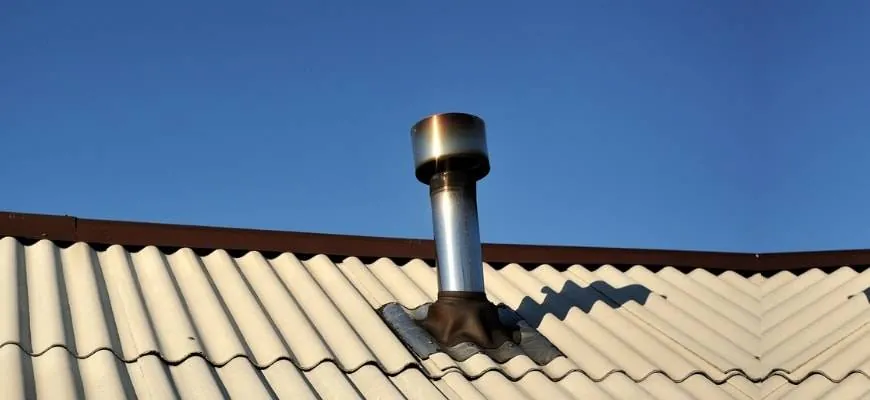
- Passive ventilation relies on natural pressure differences, while active ventilation uses electric fans to force air exchange.
- Installing a high-quality exhaust fan can significantly reduce the concentration of volatile organic compounds (VOCs) and moisture.
- Properly sealing gaps around garage doors and windows is necessary before adding intentional ventilation to prevent unwanted drafts.
- Air intake must be balanced with air exhaust to ensure the system operates at peak efficiency.
- Consult local building codes before cutting into exterior walls to ensure structural integrity and fire safety compliance.
Understanding Garage Airflow Dynamics
Garage spaces are often built as airtight enclosures to improve energy efficiency, but this design can trap pollutants. Natural ventilation relies on the stack effect, where warmer air rises and exits through high vents while cooler air enters through low vents. To vent-a-garage effectively, you must facilitate a continuous flow of air. Without a dedicated exit path, air remains stagnant, leading to a buildup of humidity.
Airflow management is essential for maintaining the health of your garage environment. When air can’t move, it creates pockets of moisture that settle on concrete floors and metal surfaces. This leads to oxidation, which is the primary cause of rust on tools and automotive parts. By installing intentional vents, you create a pathway for fresh, dry air to replace stale, humid air, effectively stabilizing the internal temperature and reducing the risk of material degradation.
Why Do You Need Ventilation?
The primary reasons for improving garage air circulation involve safety and preservation. Garages often house chemicals, paints, solvents, and fuel-powered equipment that off-gas harmful substances. If these vapors aren’t removed, they can reach dangerous concentrations. Furthermore, moisture buildup is a common issue in humid climates or during seasonal transitions.
| Hazard Type | Potential Consequence | Mitigation Strategy |
|---|---|---|
| Chemical Fumes | Respiratory irritation | Mechanical exhaust fans |
| High Humidity | Mold and mildew growth | Dehumidifiers or vents |
| Carbon Monoxide | Toxic gas buildup | Carbon monoxide detectors |
| Excessive Heat | Engine/battery degradation | High-volume intake fans |
Moisture control is the most frequent reason homeowners seek ventilation solutions. When the temperature inside the garage fluctuates, condensation forms on cold surfaces. This moisture is a breeding ground for mold, which can spread to stored cardboard boxes, wood, or upholstery. Using active ventilation helps maintain a more consistent air quality and prevents the “musty” odor characteristic of poorly ventilated spaces.
Passive Ventilation Options
Passive systems don’t require electricity, making them a low-maintenance choice for many homeowners. These systems leverage wind pressure and temperature differences to move air through the space. Common passive options include ridge vents, soffit vents, and gable vents. These are typically installed during the construction phase but can be retrofitted into existing structures if you have attic access or exposed wall cavities.
Natural convection works best when there’s a significant temperature difference between the inside and the outside of the garage. If your garage is attached to the house, ensure that passive vents don’t allow fumes to migrate into the living area. Proper flashing and weather-stripping are required around these vents to prevent rain intrusion and pest access. Passive vents are an economical choice, but they provide less control over the volume of air exchange compared to mechanical systems.
Choosing a Vent-a-Garage Exhaust Fan
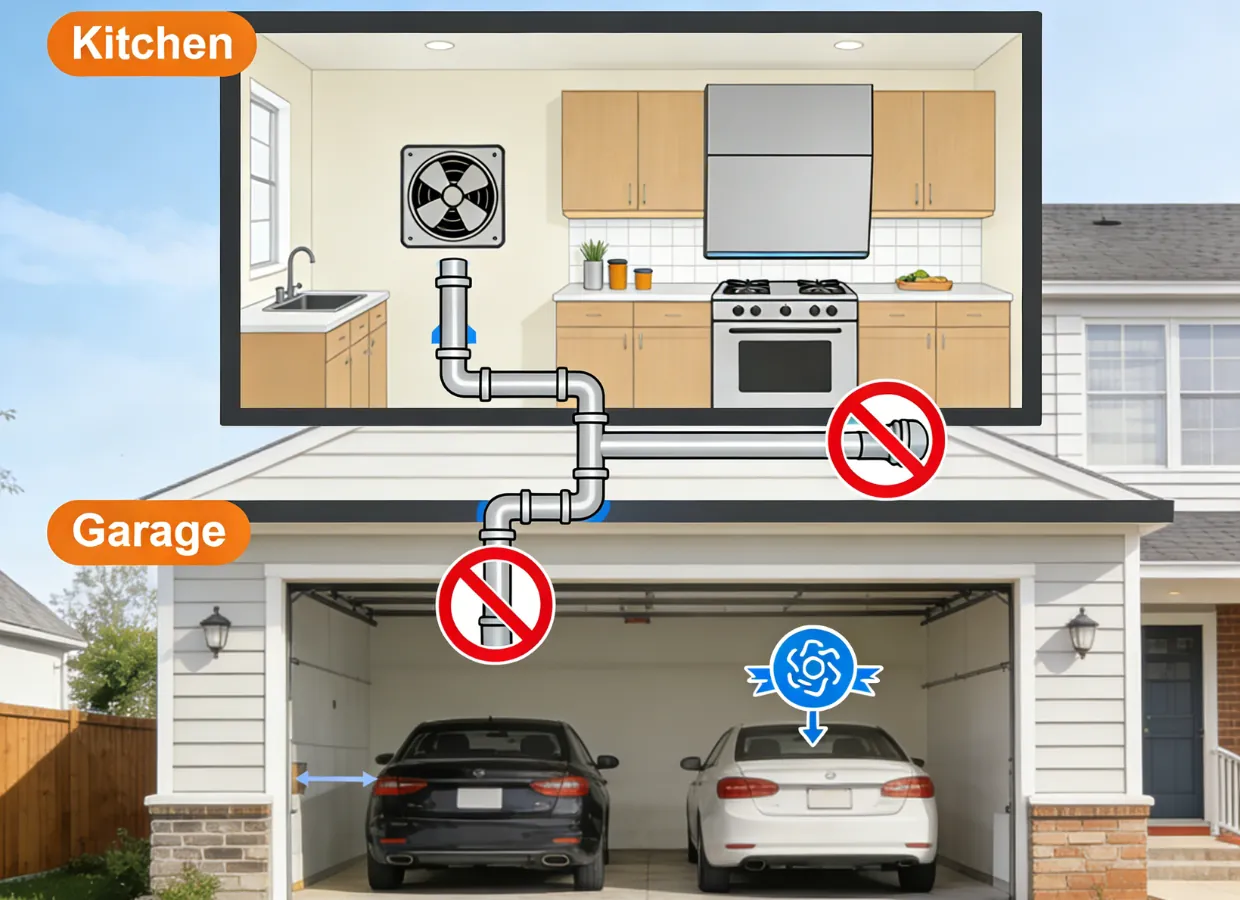
When natural airflow is insufficient, mechanical ventilation becomes necessary. Mechanical systems use electric fans to pull air out of the garage, forcing fresh air to enter through intake vents. These fans can be mounted in windows, walls, or roofs. The most effective units are those designed specifically for garage environments, as they’re built to handle dust, debris, and potential chemical vapors.
Exhaust fan efficiency is measured in cubic feet per minute (CFM). To determine the size you need, calculate the volume of your garage (length x width x height) and aim for an air exchange rate that replaces the entire volume of air at least six to ten times per hour. High-performance models often feature thermostat or humidistat controls, allowing the system to turn on automatically when temperatures or humidity levels exceed a set threshold.
Installing Wall-Mounted Fans
Installing a wall-mounted fan is a common DIY project for those looking to improve air quality. The process involves cutting a hole in the exterior siding and sheathing, installing a frame, and mounting the fan unit. You must ensure the electrical wiring is handled by a licensed professional if you aren’t comfortable working with high-voltage circuits.
Structural integrity must be prioritized when cutting into a garage wall. Avoid cutting through wall studs or electrical conduits. Once the fan is installed, it’s critical to seal the gap between the fan housing and the siding with high-grade exterior caulk. This prevents moisture from seeping into the wall cavity, which could cause wood rot or insulation damage. Always install a louvered exterior cover to keep out rain, debris, and pests while the fan isn’t in use.
Comparison of Ventilation Methods
Choosing the right method depends on your budget, the size of your garage, and the intensity of the pollutants you need to remove. While passive vents are cheaper, they offer limited performance during calm, hot days. Mechanical fans provide consistent results but involve higher upfront costs and ongoing electricity usage.
| Method | Estimated Cost | Installation Difficulty | Best For |
|---|---|---|---|
| Gable Vents | $150 – $400 | Moderate | Passive airflow |
| Wall-Mounted Fan | $300 – $900 | High | Chemical fume removal |
| Roof Exhaust Fan | $500 – $1,500 | Very High | Heat extraction |
| Dehumidifier | $200 – $600 | Low | Humidity control |
System selection should be guided by your primary goal. If you’re primarily concerned with heat, a roof-mounted power vent is often the most effective solution because heat naturally rises toward the ceiling. If your primary concern is chemical fumes from a workshop, a wall-mounted exhaust fan placed near the floor is better, as many heavy chemical vapors settle at lower levels.
Maintaining Your Ventilation System
Regular maintenance is required to keep your system operating at peak performance. Over time, fans accumulate dust and grease, which can cause the motor to overheat or reduce the CFM rating. Every six months, inspect your vents for blockages, such as bird nests or debris, and clean the fan blades with a mild degreaser.
Preventive maintenance includes checking all electrical connections for signs of wear or corrosion. If you have a belt-driven fan, check the belt for cracking or slippage. If you notice a decrease in airflow or an increase in noise, it’s likely time for a deep cleaning or a motor inspection. According to the Environmental Protection Agency, maintaining proper ventilation is a fundamental step in reducing the concentration of pollutants within an enclosed space.
Troubleshooting Common Issues
If you find that your ventilation system isn’t performing as expected, start by checking for “short-circuiting.” This happens when your intake vent is too close to your exhaust vent, causing the fan to pull in the fresh air you just brought inside rather than stale air from the garage. Ideally, intakes should be placed on the opposite side of the garage from the exhaust.
- Fan vibrating excessively: Check that the mounting bolts are tight and the fan blades are balanced.
- Excessive noise: Lubricate the motor bearings or check for loose exterior louver covers.
- Persistent odors: Ensure that your intake vents aren’t obstructed by landscaping or exterior clutter.
- High humidity levels: Check the settings on your humidistat or consider adding a dedicated dehumidifier.
Troubleshooting steps should always begin with safety. Disconnect power to any electrical unit before touching fan blades or internal components. If the system is still failing to circulate air after cleaning and checking the layout, you may need a higher-capacity fan or additional intake vents to balance the pressure.
Frequently Asked Questions
Can I vent a garage through the roof?
Yes, you can vent through the roof using a powered roof vent. This is highly effective for heat extraction because heat rises, but it requires professional installation to ensure the roof remains watertight. You must use proper flashing and roofing cement to prevent leaks, and the job often requires working at heights, which carries significant safety risks.
Does venting a garage affect home energy efficiency?
If the garage is attached to the house, poor sealing between the two spaces can allow conditioned air to escape into the garage when you vent it. To maintain energy efficiency, ensure the wall shared with the house is properly insulated and the door is weather-stripped. Venting the garage itself doesn’t waste your home’s air unless there’s a significant air leak in the interior wall.
How often should I run my garage exhaust fan?
The frequency depends on your usage. If you’re using the garage as a workshop with chemicals, the fan should run whenever you’re working and for at least thirty minutes afterward. If you’re managing humidity, a fan with an automatic humidistat is ideal, as it will only run when moisture levels exceed your target, saving energy while keeping the environment dry.
Can I use a window fan for garage ventilation?
A window fan is a cost-effective solution for many garages. It’s easy to install and provides decent air exchange for small to medium-sized spaces. However, window fans are generally not as durable as industrial wall-mounted fans and may not be weather-sealed for long-term exterior exposure. Ensure the fan is rated for the environment and secured against theft or wind gusts.
Is it necessary to have intake vents if I have an exhaust fan?
Yes, it’s essential. An exhaust fan creates negative pressure; if there’s no intake vent, the fan will struggle to pull air, potentially burning out the motor. Fresh air must have a way to enter the garage to replace the air being pushed out. Without intake, you won’t achieve a true air exchange, and the system will be largely ineffective.
Conclusion
Taking the time to plan your ventilation strategy now will save you from costly repairs and health hazards down the road. Start by measuring your garage volume and identifying your primary air quality concerns, then choose the system that aligns with your budget and structural capabilities. For your next step, inspect your garage for existing gaps or vents to determine if you can maximize current airflow before purchasing new equipment.
