
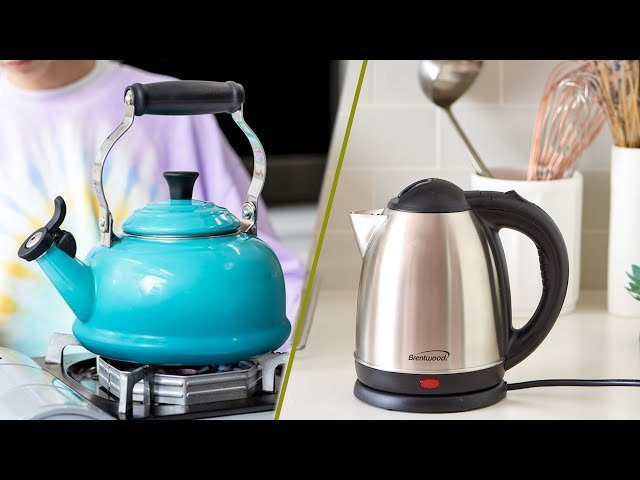
Electric kettles are faster and more efficient for most households, while a stovetop kettle is the better choice if you want a tool that lasts for decades and doesn’t rely on electrical components. Choosing between a kettle vs electric kettle depends on whether you prioritize speed and convenience or durability and simplicity. If you have limited counter space or prefer a classic kitchen aesthetic, the stovetop version remains a reliable performer.
Comparing water heating methods
| Method | How long | Effort | Cost | Best for |
|---|---|---|---|---|
| Electric Kettle | 2–4 minutes | Low | Medium | Daily tea and coffee |
| Stovetop Kettle | 6–10 minutes | Medium | Low | Minimalist kitchens |
| Microwave | 3–5 minutes | Low | Low | Occasional hot water |
The time estimates above assume heating 1 liter of water starting at room temperature. For electric models, these times assume a 1,500-watt unit; at 1,000 watts, you should expect to wait about 50% longer. Stovetop times depend heavily on the burner’s power and whether you use a gas or electric range.
If you’re using a microwave, always use a microwave-safe container and a stirring rod to prevent superheating, which can cause water to erupt when moved. This danger occurs when water reaches a temperature above boiling without forming bubbles. If you see no bubbles, drop a wooden skewer into the water before touching the container.
The primary mistake users make is overfilling the vessel. Heating more water than necessary wastes energy and increases wait times.
Choose an electric kettle if you prioritize speed and automatic shut-off features. This is the safest choice for households with children. If you prefer a clutter-free counter, the stovetop method remains the gold standard. However, gas ranges lose significant heat to the surrounding air, making them 30% less efficient than induction cooktops.
If your electricity costs are high, prioritize the microwave for small volumes. It heats the water directly rather than heating a metal element or a heavy kettle base. This direct energy transfer keeps your kitchen cooler during summer months.
Using an electric kettle
Fill the base unit to the “max” line, ensuring you don’t exceed the manufacturer’s capacity limit. Overfilling causes boiling water to spit from the spout, which can scald your hand or short-circuit the base connector.
Place the kettle on its power base and press the switch or set your desired temperature. Ensure the kettle is fully seated; if you hear a faint clicking or see the light flicker, the contacts are misaligned. Adjust the kettle slightly until the indicator light remains steady.
Wait for the automatic shut-off feature to trigger once the water reaches boiling point. Most modern units use a bimetallic strip that bends when steam hits it, cutting the circuit.
Pour the water immediately. The internal heating element stops once the sensor detects steam or a specific heat threshold.
Electric kettles are excellent because they shut off automatically, which prevents the unit from boiling dry if you forget it. This is a significant safety advantage over stovetop models. However, the internal electronics are a potential failure point.
If the issue persists, don’t attempt to open the housing. This isn’t for anyone who prefers a device that can be repaired by a local handyman. When an electric kettle breaks, it’s usually time to recycle it.
The decision rule is simple: if the base has power but the kettle remains cold, the internal thermal fuse has likely blown. Because these components are sealed in plastic, the repair cost exceeds the price of a new unit. Always prioritize a model with a “dry-boil” protection sensor to ensure the unit stays safe for daily use.
Using a stovetop kettle
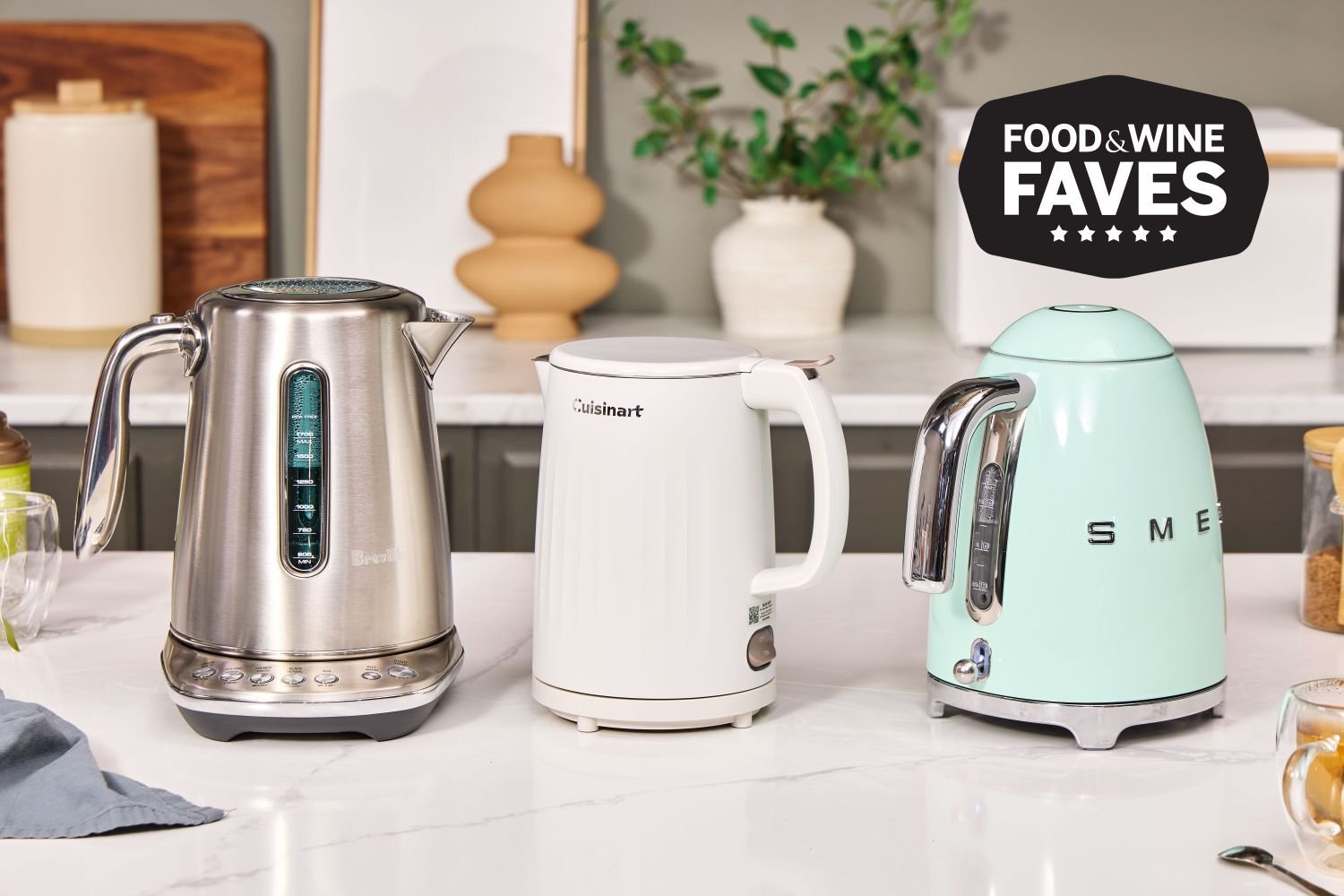
Fill the kettle with the desired amount of water and place it on a stove burner. Use filtered water to prevent mineral buildup, which can insulate the heating element and increase boil times.
Turn the heat to a medium-high setting. Ensure the flame or heating element doesn’t extend past the base of the kettle. If the flame licks the sides, you’re wasting energy and risking damage to the exterior finish.
Listen for the whistle, which indicates the water has reached boiling temperature. Remove the kettle from the heat source promptly to avoid damaging the whistle mechanism or the kettle’s finish.
Stovetop models are built to last and have no internal wiring to fail. They’re ideal for campers or people who want a long-term kitchen investment. The main trade-off is that you must stay in the kitchen to monitor the stove.
A common mistake is leaving the heat too high. This scorches the handle and melts the whistle cap, a repair that often costs more than the kettle itself.
If you use a whistling model, always ensure the spout cover is closed securely. The steam pressure must be trapped to trigger the alert. If the cover is loose, the water will boil away silently.
This isn’t for anyone who is easily distracted. A dry-boiled kettle can ruin the bottom of your cookware or create a fire hazard if left unattended on a high flame.
Use this decision rule: if you’re preparing a single cup, use a cordless electric kettle for speed. If you’re hosting a group and need volume, use the stovetop model. The stovetop method remains superior for heat retention, keeping your water at temperature for longer periods once removed from the burner. Always keep the kettle on a back burner to prevent accidental tipping.
Heating water in a microwave
Pour water into a glass or ceramic container that’s clearly labeled as microwave-safe. Avoid plastic, as it can leach chemicals into boiling water or warp under prolonged heat.
Place a non-metallic object, such as a wooden chopstick or a clean wooden stirrer, inside the container. This provides a nucleation site for bubbles to form. Without this, water can become superheated, remaining liquid above its boiling point until it violently erupts upon being moved or touched.
Heat in 1-minute intervals rather than 2-minute cycles. This shorter duration prevents the water from reaching a dangerous, explosive state before you can intervene. Check the temperature carefully after each cycle to reach your desired heat level.
Remove the container using heat-resistant mitts, as the glass will absorb heat from the water and can cause severe contact burns. If the water has been superheated, wait at least 30 seconds before touching the container.
This method is ideal if you only need a single cup of water and want to avoid storing an extra appliance. It’s the cheapest option since you likely already own a microwave. However, you can’t control the exact temperature easily. If you’re preparing delicate teas like green or white, which require temperatures below boiling, use a digital thermometer to avoid scorching the leaves.
It’s a poor choice for large volumes or frequent use. If you find yourself heating water regularly, the energy inefficiency of a microwave compared to an electric kettle will begin to show on your utility bill. Stick to the microwave for the occasional cup, but invest in a kettle for consistent, safe, and precise results.
Selecting the right heating tool
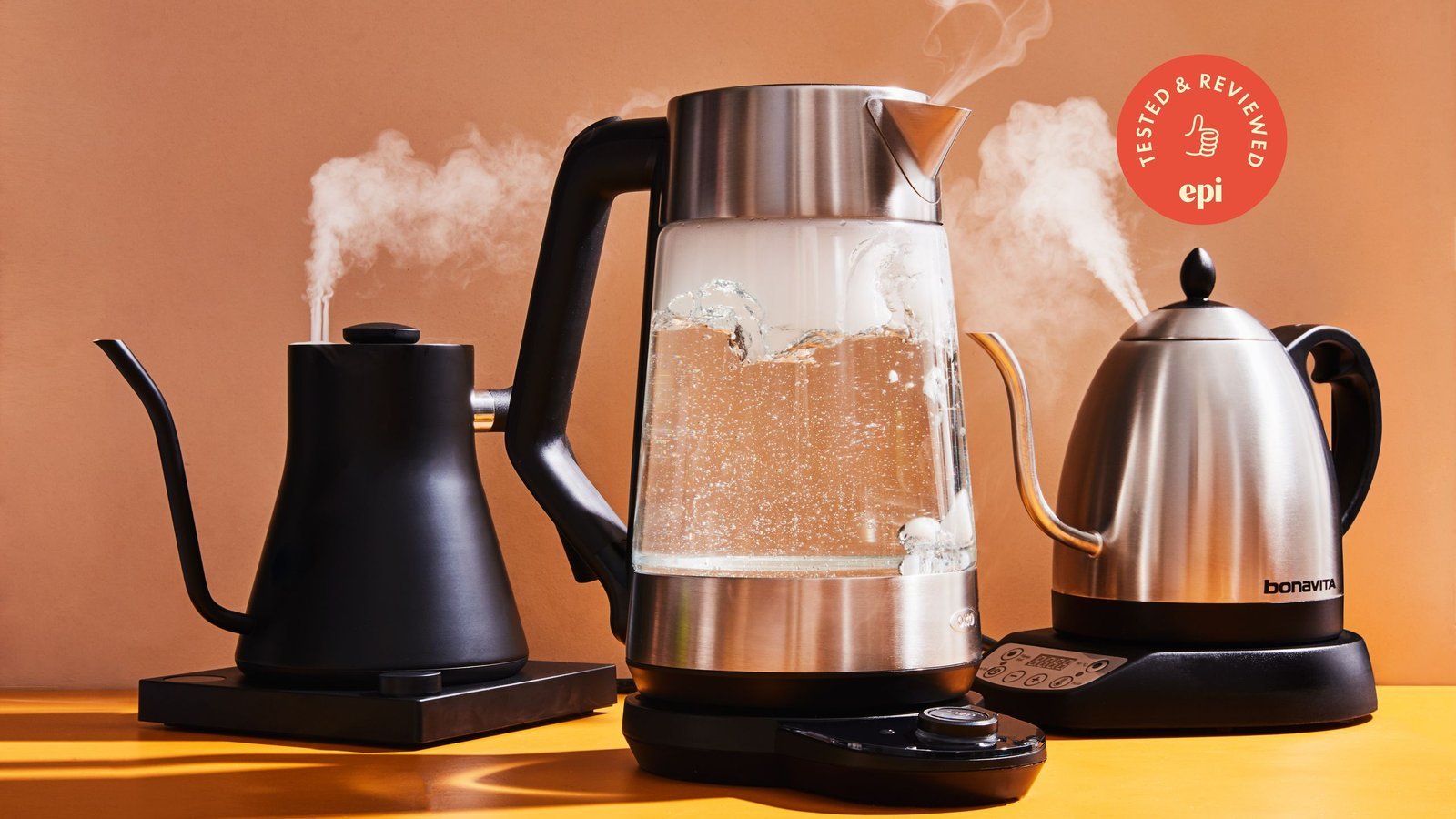
If you’re in a hurry, choose an electric kettle. These units are designed to heat water as quickly as possible and will turn themselves off, allowing you to walk away while the water boils. This speed is unmatched by stovetop methods, especially if you need to prepare several cups of tea or coffee in the morning.
If you’re doing this for the first time, choose an electric kettle. They’re intuitive to operate and have clear safety features like auto-shutoff and boil-dry protection. You don’t need to manage a flame or listen for a whistle, making them the most user-friendly option for a beginner.
If you want the best possible result whatever it takes, choose a stovetop kettle. Many people prefer the control and the tactile experience of a high-quality metal kettle. While it requires more attention, you can often control the temperature better by adjusting the burner, and you never have to worry about electronic components failing after a few years of use.
Regardless of your choice, the trade-off remains the same: convenience versus durability. Electric models offer speed and automation, while stovetop models offer longevity and a simple, mechanical design that’s difficult to break.
Safety and usage standards
To ensure your equipment remains safe, always follow the manufacturer’s fill lines. Overfilling a kettle can cause boiling water to spray out of the spout, which is a significant burn risk. If you’re using an electric model, inspect the cord regularly for any signs of fraying or heat damage. If the cord is damaged, stop using the unit immediately.
Most electric kettles draw between 1,200 and 1,500 watts. Because of this high power draw, you should never plug them into a daisy-chained power strip or an extension cord. These cords often lack the gauge thickness to handle the heat, which can lead to melting insulation or fire hazards. Use a dedicated wall outlet instead.
Always place your kettle on a flat, stable surface. If you use a stovetop model, ensure the handle is turned away from the edge of the stove to prevent accidental knocks. When the water is ready, use a dry cloth or mitt to handle the vessel, as both the body and the steam can cause severe burns.
Wet fabric is a common mistake that leads to steam burns. If your mitt or towel is damp, the moisture will conduct heat rapidly through the fabric, causing severe burns. Always keep your handle-grabbers bone-dry.
If you ever notice a strange smell or hear an unusual buzzing sound coming from an electric base, disconnect the power at the wall outlet and contact the manufacturer for guidance. Never attempt to bypass a safety switch or modify the internal wiring of an electric kettle.
These units are built to meet specific safety standards, and any modification voids the warranty and increases the risk of electrical shock. If your kettle fails to shut off automatically after boiling, stop using it at once. A faulty sensor is a primary cause of kitchen fires, as the heating element will continue to run until it melts the base.
Related guides