
Organic waste is any material that comes from plants or animals and is capable of breaking down into natural components. It’s a biological product that requires specific handling to prevent methane production in landfills, so the best way to manage organic waste is through industrial or home composting.
Quick guide to managing organic waste
Separate your food scraps, like fruit peels and coffee grounds, from your regular trash. Use a dedicated bin with a lid to store these scraps until you can move them outside.
Keep meat, dairy, and oily foods out of home compost piles to avoid attracting rodents or raccoons. If you must process these items, use a sealed bokashi bucket to ferment them first.
Turn your compost pile every two weeks to introduce oxygen and speed up the breakdown process. If the pile smells like ammonia, you have too much nitrogen; add dry leaves or shredded cardboard to balance the carbon.
Check local government websites to see if your city provides a curbside pickup program. Many municipalities now offer this service for free, which saves you the labor of managing a pile.
Apply the finished, dark soil to your garden beds to improve plant health and drainage. Use it as a top dressing rather than digging it deep.
Why organic matter needs careful handling
The breakdown of organic material happens naturally, but the environment where it occurs changes the final result. When food scraps end up in a landfill, they’re buried under layers of trash, creating an environment without oxygen. This leads to anaerobic decomposition, which produces methane, a potent greenhouse gas that traps heat in the atmosphere.
When you compost, you provide oxygen to the bacteria and fungi that break down the material. This aerobic process turns scraps into nutrient-rich humus rather than methane. If you have a backyard, you can start a simple pile or use a bin to contain the heat. If you live in an apartment, you might look for community gardens or local drop-off points that accept food scraps.
The speed of this process depends on the size of the pieces and the moisture levels. Smaller pieces break down faster because they have more surface area for microbes to work on. If your pile is too dry, it will stop working; if it’s too wet, it might smell bad.
A healthy pile should feel like a wrung-out sponge. If you’re ever unsure if an item is safe to add, check your local municipal guidelines, as industrial facilities can handle items like bones that home piles cannot.
When the standard method changes
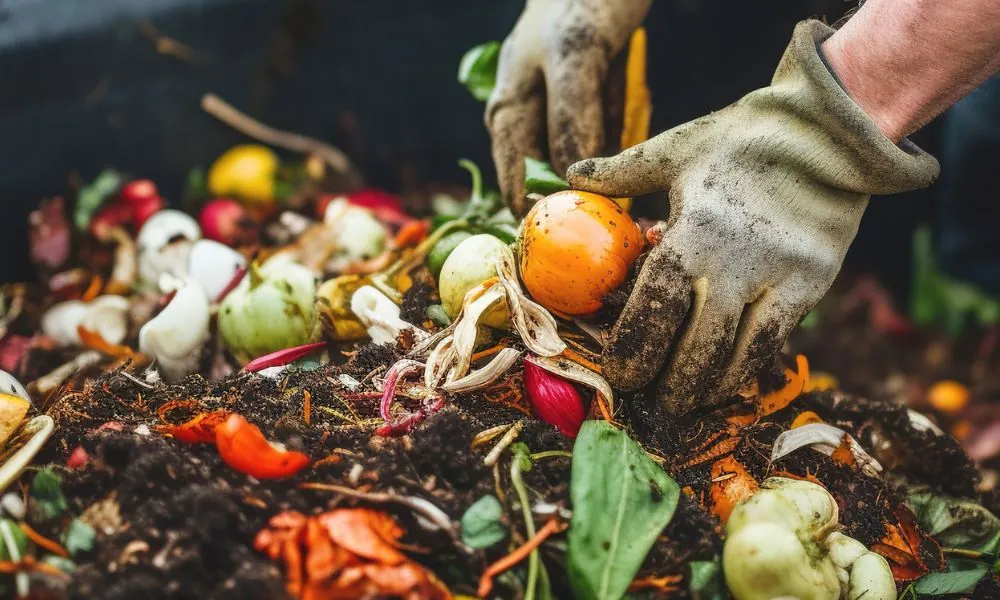
Different materials require different systems to break down safely and effectively without creating odors or pests.
| Situation | What changes | What to do instead |
|---|---|---|
| Apartment living | Lack of yard space | Use a vermicompost bin |
| Large quantities | Pile size grows | Use a professional service |
| Meat and dairy | Risk of pests | Use industrial collection only |
| Oily food scraps | Slows decomposition | Avoid adding to compost |
| Small outdoor space | Limited room | Use a tumbler composter |
How to manage your waste correctly
- Select a dry, shady spot in your yard for your bin or pile, ensuring it sits directly on soil to allow worms and microbes to enter.
- Add a base layer of coarse twigs or straw to the bottom of the bin; this allows for airflow, which you can check by feeling for warmth in the center.
- Combine “greens” like vegetable scraps and grass clippings with “browns” like dry leaves or shredded paper, aiming for a ratio of two parts brown to one part green.
- Add your kitchen scraps to the center of the pile and bury them under a layer of browns to keep flies away and manage odors effectively.
- Turn the pile with a pitchfork every 14 days to keep oxygen moving through the material, which ensures the center stays hot and breaks down evenly.
- Water the pile lightly if it seems dry or dusty, but keep it covered during heavy rain to prevent it from becoming too soggy and anaerobic.
- Harvest the finished compost once it looks like dark, crumbly soil and smells earthy; this usually takes 3 to 6 months depending on the weather.
The mistakes that ruin your compost
Adding diseased garden plants can spread pathogens to your new soil. This might harm your future crops. Home piles rarely exceed 140°F, which is the temperature needed to kill fungal spores like early blight. If a plant had spots, mildew, or rot, bag it for the municipal yard waste pickup instead.
Tossing in pet waste introduces harmful bacteria that don’t break down in standard home piles. Dog and cat feces carry parasites whose eggs survive typical backyard composting temperatures.
Leaving large chunks of wood or thick stalks prevents the center from heating up. The process stalls. Cut woody material into pieces no longer than two inches before tossing them in.
Adding plastic, metal, or glass stickers from fruit creates permanent litter. You’ll have to pick it out later.
Using too many acidic items, like citrus peels, can slightly lower the pH, but they’re generally safe for a compost pile in moderate amounts.
Frequently asked questions
Can I compost citrus peels and onions?
Yes, you can add citrus peels and onions to your compost, but do so in moderation. While these items break down, they’re acidic and can change the balance of your pile if you add too much at once. If your pile is large, a few peels won’t matter, but avoid dumping buckets of them to keep your worm population happy.
How long does it take for waste to turn into soil?
It takes 3 to 6 months for most organic waste to become finished compost, assuming you turn the pile regularly and maintain proper moisture. In colder climates, the process slows down significantly during the winter months because the microbial activity drops. You can check the progress by looking for a dark color and a crumbly, soil-like texture throughout the material.
Is it safe to compost meat and bones at home?
No, it isn’t safe to compost meat, bones, or dairy products in a typical home bin. These items attract pests like rodents and raccoons, and they can harbor harmful bacteria that home piles don’t get hot enough to kill. Always use a professional curbside collection service if you want to recycle these specific types of food waste.
What happens if my compost pile smells bad?
A bad smell usually happens because the pile is too wet or lacks enough oxygen, causing it to go anaerobic. You can fix this by adding more dry browns like shredded cardboard or straw and turning the pile thoroughly to mix in fresh air. If the smell persists, stop adding new scraps until the current material breaks down further.
Does it matter if I chop my scraps into small pieces?
Yes, chopping your waste into pieces no larger than 2 inches helps the microbes break the material down much faster. Larger chunks take significantly longer to decompose because the surface area is limited. If you’re in a rush to get soil for your garden, smaller pieces will always result in a faster turnaround time for your pile.
How do I know if my compost is ready?
Your compost is ready when it looks like dark, rich soil and has a pleasant, earthy smell that reminds you of a forest floor. You shouldn’t be able to identify the original food scraps anymore, and the temperature of the pile should have dropped to match the surrounding air. If you see chunks of food still clearly visible, give it more time to finish.
Conclusion
Managing organic waste is a simple way to reduce your environmental impact while creating a valuable resource for your home garden. By keeping food scraps out of the trash, you prevent unnecessary methane production and help the soil stay healthy for years to come. Start small with a simple bin or a local collection program, and you’ll quickly see how much of your daily waste can be turned back into something useful.
