
To buy a good oven, prioritize the energy source, kitchen dimensions, and cooking modes that match your habits. High-quality models provide consistent heat, but the best choice depends on whether you prefer electric or gas. This guide outlines the technical requirements, installation constraints, and performance markers to evaluate before purchasing.
Understanding modern cooking technology
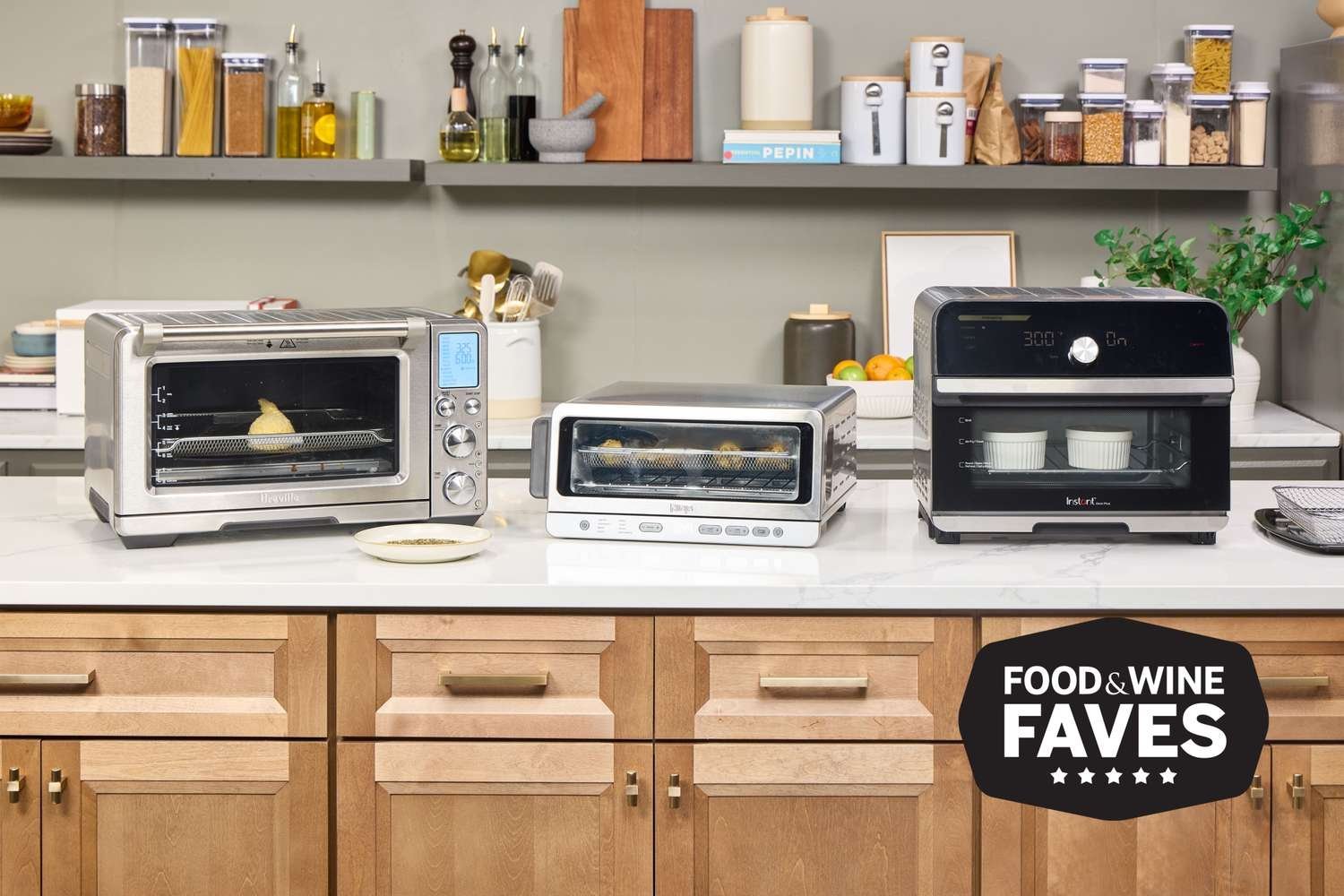
An oven is essentially an insulated box designed to maintain precise temperatures for baking, roasting, and broiling. Most modern units use convection technology, which employs a fan to circulate hot air, resulting in more even browning and faster cooking times. If you’re choosing between gas and electric, remember that gas provides an open flame which can introduce more moisture into the cooking environment, while electric ovens generally offer more stable, dry heat that’s ideal for baking pastry and delicate cakes.
The most common mistake people make is failing to account for the “true” internal capacity versus the total exterior size. A large-looking appliance might have thick insulation or bulky components that drastically reduce the usable rack space. You should always look at the manufacturer’s specifications for “usable cubic feet” rather than the total volume. If you’re comparing models, remember that this varies by model — check the label on the inner door frame or the user manual for exact capacity figures.
How to buy a good oven: Selecting the right model
- Measure your cabinet opening width, height, and depth at three points each to account for uneven walls.
- Verify your power supply; a standard electric wall oven requires a dedicated 240-volt circuit, while gas units need a 120-volt outlet and a dedicated gas line.
- Choose your configuration: a single wall oven, a double wall oven for high-volume cooking, or a slide-in range that sits between your countertops.
- Inspect the door hinge mechanism and rack glides; a high-quality oven should have smooth, heavy-duty ball-bearing racks that don’t tilt when fully extended.
- Confirm the availability of local authorized service technicians for your chosen brand, as specialized parts for premium European models can be difficult to source.
- Test the control panel interface to ensure it’s intuitive, as a complex digital display can become a major frustration if you can’t easily set a timer or temperature.
The critical judgement call is balancing advanced features against simplicity. If you value reliability, a model with fewer digital sensors and a robust mechanical thermostat will typically outlast a unit loaded with smart-home connectivity and complex touchscreens.
Key performance and installation metrics
| Situation | What to use | How long | What to watch for |
|---|---|---|---|
| Standard Baking | Convection setting | 30–60 mins | Even browning on racks |
| Heavy Roasting | Conventional mode | 2–4 hours | Moisture retention |
| Daily Reheating | Low-temp setting | 10–20 mins | Internal temp 165°F |
| Fast Cooking | Speed-cook tech | 15–30 mins | Food texture changes |
| Cleaning | Self-clean cycle | 2–4 hours | High heat/ventilation |
When using the convection setting for baking, ensure you leave at least two inches of space between pans. Crowding the oven disrupts airflow, leading to uneven browning despite the fan’s assistance. If your cookies remain pale on top, shift the rack position upward by one level.
For heavy roasting, use conventional mode to prevent the fan from drying out the meat. Always use a meat thermometer rather than relying on a timer alone.
Daily reheating requires the low-temp setting to avoid rubbery textures. If you’re reheating pasta or dense casseroles, add a tablespoon of water to the dish before starting. This creates steam, which prevents the edges from hardening before the center hits the required 165°F threshold.
Speed-cook technology is ideal for busy weeknights, but it can dehydrate delicate vegetables. If your food looks shriveled after ten minutes, reduce the power level by 20 percent to prevent further dehydration.
The self-clean cycle generates extreme heat that can damage sensitive internal sensors if the oven is excessively greasy. Before starting, manually wipe away heavy spills with a damp cloth. If you skip this step, the carbonized residue may trigger a smoke alarm or permanently stain the enamel finish. Always ensure your kitchen ventilation is at maximum capacity during this cycle to clear out trapped fumes.
What separates good results from bad ones
Experienced buyers look past the aesthetic design to focus on the quality of the door seal and the heating element placement. A high-quality unit features a thick, heat-resistant gasket that prevents air leakage, which is the primary cause of uneven baking. If you see visible gaps or loose seals at the store, you should move on to a different model. The order of importance should always be construction quality, then thermal efficiency, and finally, the aesthetic finish.
Checking for thermal stability
When you first install the unit, verify the temperature accuracy using an independent oven thermometer. Many ovens are calibrated slightly off from the factory, which can lead to burnt cookies or undercooked roasts. If the unit is consistently 15–20 degrees off, most manufacturers include a calibration feature in the settings menu that allows you to shift the baseline temperature. Don’t attempt to fix internal heating element wiring yourself, as these systems involve high-voltage components that require professional handling.
Common problems and quick fixes
| What you notice | What it usually means | What to do first |
|---|---|---|
| Uneven browning | Poor airflow | Check for blocked vents |
| Door won’t seal | Worn gasket | Clean the seal area |
| Erratic temperature | Sensor failure | Contact authorized service |
| Screen error code | Control board issue | Reset the breaker |
| No heat | Blown internal fuse | Call a technician |
Uneven browning often stems from overcrowding the oven racks. If you place pans too close to the walls, you disrupt the convection currents. Always leave at least two inches of space between your bakeware and the oven sides.
A door that fails to seal allows heat to escape, which forces your appliance to work overtime. If cleaning the rubber gasket with warm, soapy water doesn’t restore the suction, check for cracks. A brittle gasket loses its flexibility and must be replaced immediately to prevent energy loss.
Erratic temperatures are frequently caused by a faulty thermistor. If your oven consistently runs 25 degrees off the set point, use an independent oven thermometer to verify the variance. If the reading remains inconsistent, the sensor is likely failing.
When you see an error code, don’t panic. A hard reset often clears temporary software glitches. Flip the dedicated circuit breaker in your home’s electrical panel to the “off” position for sixty seconds. If the code persists after you restore power, the control board may have a permanent hardware fault.
Total heat loss is the most serious issue. While a blown fuse is common, it’s usually a symptom of a larger electrical surge or a faulty heating element. Don’t attempt to bypass the fuse yourself. This component is a critical safety barrier designed to prevent fire. If the unit remains cold after a reset, disconnect the power and call a certified technician to inspect the internal wiring.
The rules that apply
Installation must comply with local building codes, which often dictate the specific clearance requirements for combustible materials surrounding the unit. These codes vary by municipality, so consult your local building department before starting. A common mistake is assuming that a standard kitchen layout meets these safety gaps. If you ignore these measurements, you risk a fire hazard that your insurance policy may refuse to cover.
The National Fire Protection Association (NFPA) provides standardized guidance on the safe installation of heat-producing appliances to prevent residential fires. Follow NFPA 54 for gas piping or NFPA 211 for venting systems. If you’re installing a gas oven, you must use a certified gas plumber to ensure the connection is leak-proof and compliant with local safety ordinances. A professional will perform a pressure test on the line; if the gauge drops during this test, you have a leak that requires immediate repair.
Never attempt to modify the electrical or gas lines yourself. Improper installation can void your warranty and pose a severe safety risk. If you’re unsure about your home’s current amperage capacity, hire a licensed electrician to verify the circuit can handle the load. Overloading a circuit often trips breakers during the preheat cycle.
Always check the manufacturer’s installation manual. It contains specific requirements for the unit you have purchased, which may be more stringent than general building codes. If the manual calls for a six-inch clearance but your local code only specifies four, you must follow the manufacturer’s six-inch rule. The manual is the final authority for warranty claims. If a component fails due to an installation deviation, the manufacturer will deny your claim. Always keep a copy of the signed installation receipt for your records.
Keeping it working afterwards
Regular maintenance is the most effective way to extend the lifespan of your appliance. After every heavy use, wipe down the interior surfaces once the oven has cooled to touch. Grease buildup acts as an insulator and can damage the heating elements or sensors over time.
For self-cleaning models, use the cycle sparingly. The extreme heat required for this process can put significant stress on the electronic control boards and door seals. A good rule of thumb is to perform a deep clean only when there’s visible, baked-on residue that can’t be removed with a damp cloth. If you run the cycle too frequently, you risk premature failure of the thermal fuse.
If you notice the oven is taking significantly longer to reach the target temperature, check the heating elements for signs of blistering or cracks. These are signs that a replacement part is needed soon. A simple test is to watch the element during a preheat cycle.
Distinguish between a failing element and a failing thermostat by monitoring the oven’s behavior. If the oven never reaches the set temperature, the thermostat or sensor is likely the culprit. If it eventually reaches the temperature but takes twice as long as it did when new, the element is failing.
Never use harsh abrasive pads on the glass door. These create microscopic scratches that weaken the structural integrity of the tempered glass. Use a non-abrasive cream cleanser and a soft microfiber cloth to preserve the surface finish.
When to use a different approach
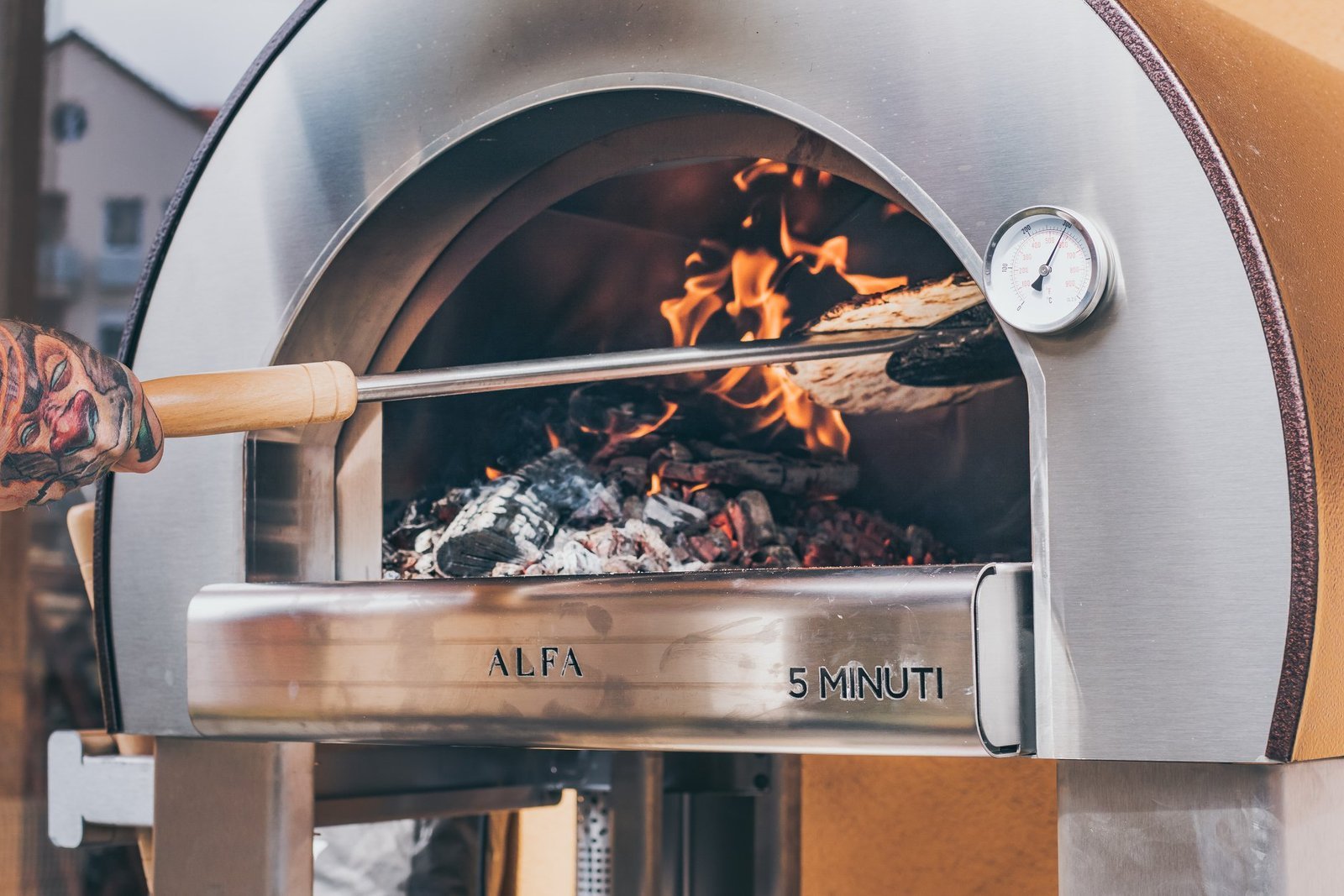
If you’re living in a temporary housing situation or a small apartment, a full-sized wall oven is often the wrong choice. In these cases, a high-quality countertop convection oven can provide similar cooking results for a fraction of the cost and without the need for professional installation. Another situation where this approach fails is if you’re a frequent baker who requires extremely high temperatures for artisan bread. Standard residential ovens often struggle to maintain temperatures above 500°F consistently. If your goal is professional-grade crusts, look for a specialized hearth oven or a unit specifically designed for high-heat baking, as standard residential models will likely lead to frustration.
Can I install an oven myself?
No, you shouldn’t attempt to install an oven yourself if it involves hard-wired electrical connections or gas lines. These tasks require specific certifications to ensure the work meets safety standards and maintains your home insurance coverage. Always hire a licensed professional to handle the connections, as a mistake can result in a fire hazard or a voided warranty. You can safely handle the removal of old packaging and the placement of the unit, but leave all utility connections to a qualified technician.
How long should a good oven last?
A well-maintained oven typically lasts for many years with regular daily use. The lifespan depends heavily on how often you use the self-cleaning cycle and how well you keep the interior free of grease and debris. If you notice that the temperature is becoming inconsistent or the door seals are failing, it’s usually a sign that the unit is reaching the end of its reliable service life and may require professional repair or replacement.
How much does a reliable oven cost?
A reliable oven varies in price depending on the features and the brand’s reputation for build quality. Lower-end models often use thinner materials and basic controls, while higher-end models offer superior insulation, better rack systems, and more precise temperature management. You should set your budget based on the features you’ll actually use, as paying for advanced smart technology often adds cost without improving the actual cooking performance of the appliance.
Is it safe to use a self-cleaning cycle?
Yes, it’s safe to use the self-cleaning cycle if you follow the manufacturer’s instructions, which usually require removing all racks and ensuring the kitchen is well-ventilated. The process uses extremely high heat to turn food residue into ash, which can produce smoke and odors. Always stay in the house during the cycle and be prepared to open windows if necessary. If you have pets, particularly birds, remove them from the home during the cleaning process, as the fumes can be harmful to their respiratory systems.
What happens if my oven temperature is inaccurate?
If your oven temperature is inaccurate, your food will consistently cook too fast, too slow, or unevenly. You should first verify the issue with an oven-safe thermometer and then check if your model allows for a temperature offset adjustment in the settings. If the calibration doesn’t fix the issue, the internal temperature sensor may be failing and will need to be replaced by a professional. Don’t rely on guesswork when adjusting the temperature, as consistent heat is essential for successful baking results.
The best way to ensure you’re happy with your purchase is to visit a showroom where you can physically open the doors and slide the racks. Watching how the unit operates in person provides more insight than any online specification sheet, helping you avoid the common mistake of buying an oven that looks good on paper but feels flimsy in your kitchen.