
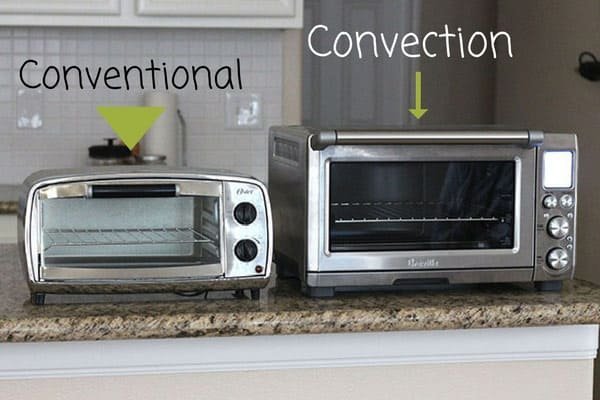
The choice between a convection oven vs electric oven depends on your cooking habits, as the former uses a fan to circulate hot air for faster, more even results. While this system offers a distinct advantage for roasting and baking multiple trays, a standard electric oven remains a reliable, cost-effective tool for simple tasks like baking single cakes or frozen pizzas without requiring extra adjustments.
Convection oven vs electric oven: Methods compared
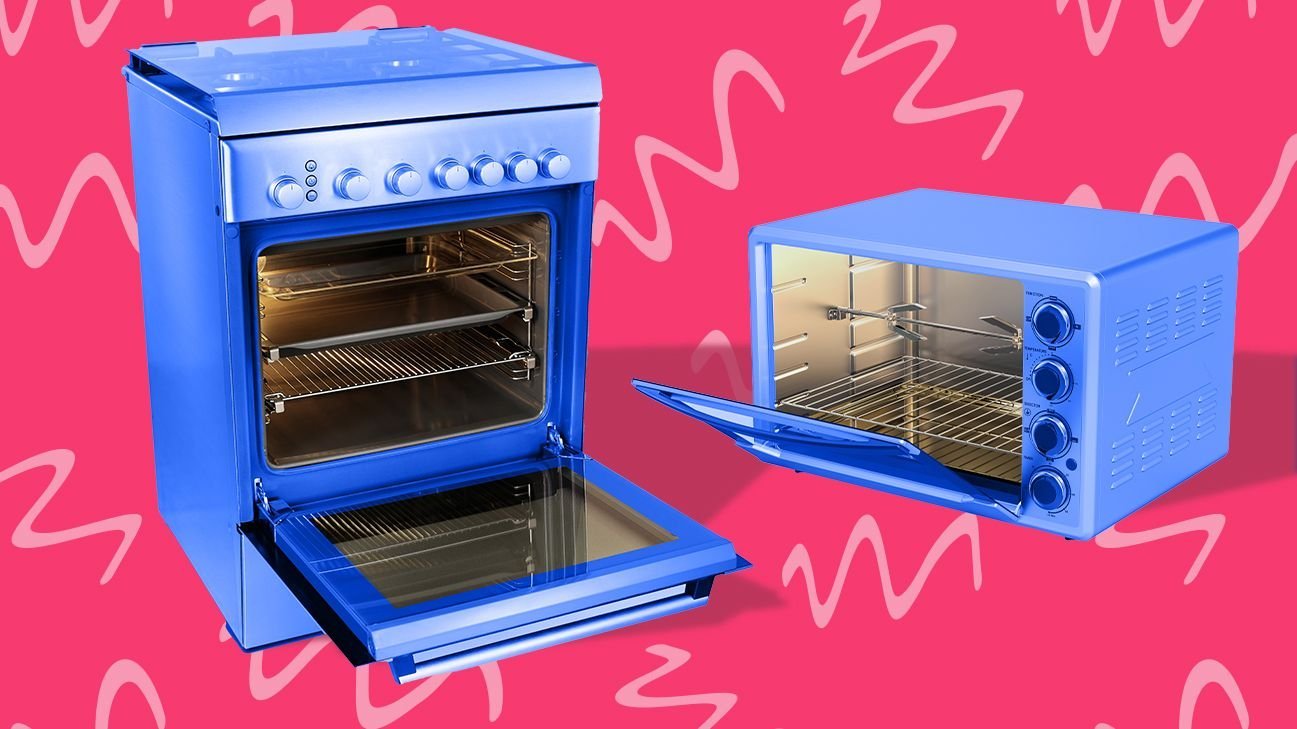
Choosing the right oven depends on how you use your kitchen, as each type offers different results based on airflow and heating elements. The table below outlines how these ovens perform when you’re preparing meals.
| Method | How long | Effort | Cost | Best for |
|---|---|---|---|---|
| Standard Electric | Longer | Low | Low | Simple baking |
| Convection | Faster | Medium | Medium | Roasting meats |
| Air Fry/Convection | Fastest | High | High | Crispy textures |
Standard electric ovens use static heat, which is excellent for delicate items that might dry out in high-airflow environments. Use this method for soufflés or sponge cakes where air currents cause uneven rising.
Convection models rely on a fan to push heat into every corner, which reduces cooking times by about 25% for most dishes. If you use a convection setting, you must remember that it requires more attention to prevent overcooking thin or light pastries.
A common mistake is failing to adjust the temperature. Always drop the heat by 25 degrees Fahrenheit when switching from standard to convection settings. If you do not, the exterior will burn before the center sets.
Use the air fry setting only for small, high-surface-area foods like frozen snacks or vegetables. Because this method uses extremely high fan speeds, it will dehydrate larger roasts. If you’re cooking a whole chicken, stick to standard convection to keep the meat juicy.
Using a standard electric oven
A standard electric oven uses heating elements at the top and bottom to create a stable, non-moving heat environment. This method is the “set it and forget it” choice for those who prefer consistent, gentle heat.
- Set the temperature to your recipe’s requirement.
- Place your rack in the center position for even heat distribution.
- Wait for the preheat light to turn off before placing food inside.
- Avoid opening the door unnecessarily, as this causes a significant temperature drop.
This method is perfect for soufflés, cakes, and slow-cooked casseroles that need a gentle, consistent environment without the drying effect of a fan. The main weakness is that you can’t easily cook multiple levels at once, as the heat doesn’t reach the middle trays effectively.
If you’re baking two trays simultaneously, rotate them halfway through the cooking time to compensate for uneven heat. If the top of your dish browns too quickly, move the rack down one position or tent the item with foil.
Always ensure leftovers reach an internal temperature of 165°F. Use a digital probe thermometer to verify this rather than relying on the oven timer alone. Relying on time rather than temperature is a common mistake that often results in undercooked centers or wasted ingredients.
Using a convection oven
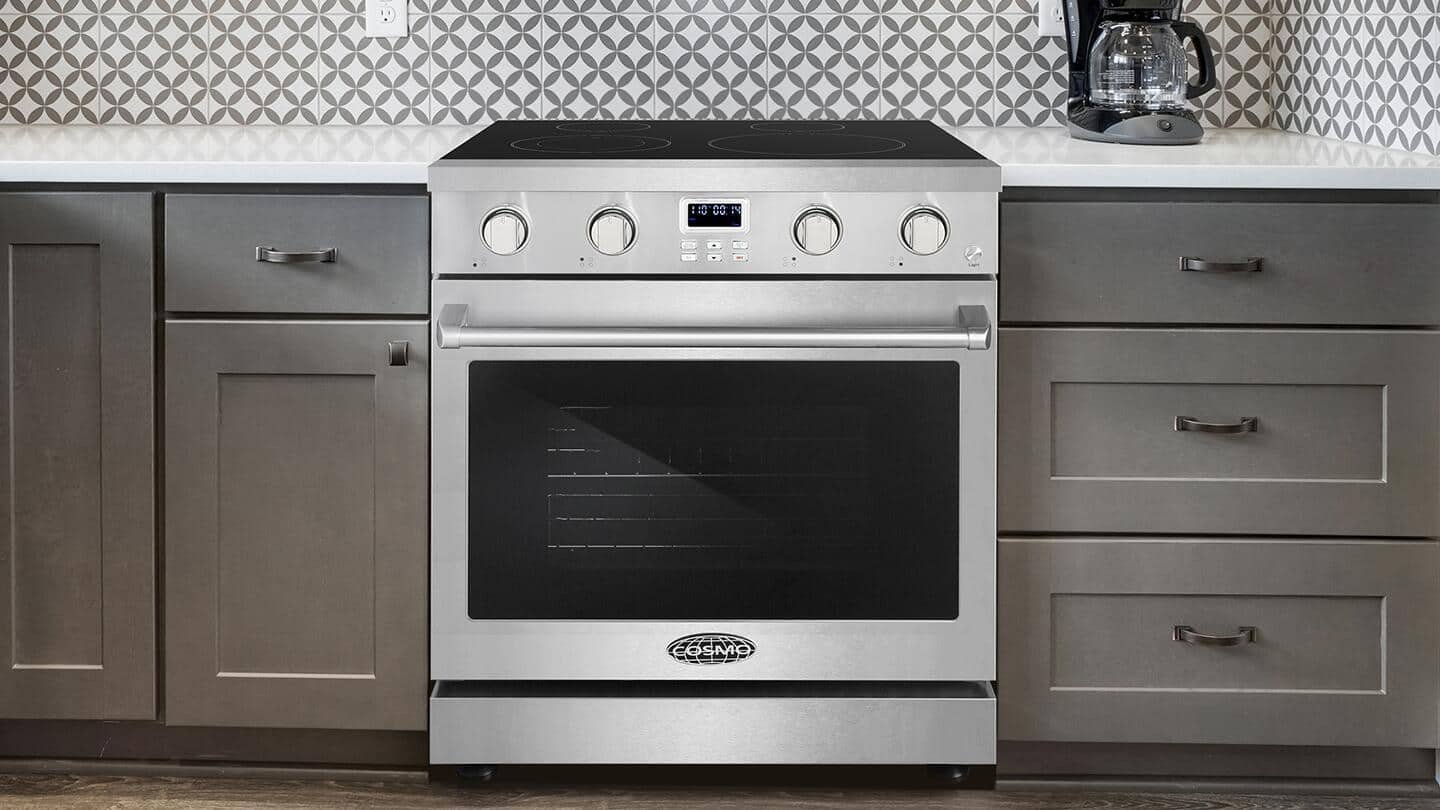
The convection oven uses an internal fan to force air around the food, which speeds up the transfer of heat and creates a more uniform cooking environment across multiple racks.
Reduce your recipe’s standard temperature by 25 degrees Fahrenheit. This adjustment prevents the exterior of your food from burning before the interior reaches a safe internal temperature.
Check your food for doneness about 10 to 15 minutes before the original recipe suggests. Because convection accelerates evaporation, moisture loss occurs faster than in a static oven. If you wait for the full original time, you risk serving a dry or overcooked meal.
Use low-sided baking sheets to allow the air to circulate freely around the food. High-sided pans act as windbreaks, creating cold spots that leave the bottom of your dish soggy while the top browns prematurely.
Ensure items aren’t touching, as blocked airflow leads to uneven browning. If you’re baking pastries, leave at least two inches between each piece.
This method excels at roasting vegetables, browning meats, and baking large batches of cookies on two or three racks simultaneously. An honest limit is that this varies by model — check the label on yours to see if it has an “auto-convert” feature that handles the temperature reduction for you. If you aren’t careful, the high airflow can cause the edges of light batter to set too quickly, which prevents the center from rising properly.
Using an air fry convection mode
Many modern convection ovens now include an air fry setting, which uses a high-speed fan and optimized heating elements to mimic the results of deep-frying with very little oil.
Place food in a perforated basket to allow air to reach the bottom of the item. If your oven didn’t come with a dedicated basket, use a wire rack placed over a standard baking sheet. This elevation is critical. Using a flat tray is a common mistake that traps moisture, leaving the bottom of your food soggy and costing you the signature crunch you want.
Preheat the oven to the temperature suggested for air frying, usually 375°F to 400°F. Don’t skip this step. Air frying relies on immediate, intense heat to dehydrate the surface of the food before the center overcooks.
Shake the basket or flip the food halfway through the cooking time to ensure even crisping. If you’re cooking dense items like chicken thighs, flip them at the 10-minute mark. For lighter items like fries, a quick shake every 5 minutes is sufficient.
Cook until the food is golden brown and reaches the required internal temperature for safety. This setting is ideal for crispy wings, fries, or breaded vegetables without the mess of traditional frying. The primary trade-off is the noise level, as the high-speed fan is significantly louder than a standard convection setting. If the fan noise is distracting, check your oven’s manual; some models allow you to adjust the fan speed, though this will increase your total cooking time by roughly 15 percent.
Choosing your oven settings
When you’re in a hurry, use the convection setting because it reduces total cooking time by roughly 20 to 25 percent by circulating heat faster. If you’re doing this for the first time, stick with the standard electric mode to avoid the risk of burning the edges of your food while learning the timing.
When you want the best possible result, use the convection setting for roasting meats or vegetables to achieve a crisp exterior. Reserve the standard setting for delicate baked goods like soufflés or sponges that require a perfectly still environment to rise.
This creates a clear trade-off: you sacrifice the gentle, forgiving nature of static heat for the efficiency of moving air. The common mistake is leaving the temperature unchanged when switching modes. Because convection is more efficient, you should lower your temperature by 25 degrees Fahrenheit to prevent the outside from hardening before the middle is cooked.
Remember that standard electric ovens aren’t worse; they’re simply designed for a different type of cooking. If you’re baking a cake that requires a very slow, steady rise, the fan in a convection oven can actually work against you by creating a lopsided top. Always check your user manual, as some models have different fan speeds that change how these rules apply to your specific appliance.
Rules for oven safety and success
Regardless of the method you choose, you must always keep the oven clean to prevent smoke and potential fires. A build-up of grease on the floor or walls of the unit can ignite when the heating elements reach high temperatures. If you see smoke, turn off the oven and keep the door closed until the flames subside.
Before you begin, ensure your oven racks are level; if the racks are tilted, your liquids will bake unevenly and cause a mess. Partway through the cooking process, rotate your trays by 180 degrees to account for any hot spots that exist in your specific unit. If you’re dealing with mains-powered equipment that’s failing to heat or sparking, don’t attempt to open the housing yourself. A capacitor can hold a lethal charge even when the unit is unplugged, so you should contact a professional technician for any electrical repairs. Finally, always use an oven thermometer to verify that your unit is actually hitting the target temperature, as built-in sensors often lose accuracy over time.
Can I use a regular recipe in a convection oven?
Yes, you can use a regular recipe in a convection oven by reducing the temperature by 25 degrees Fahrenheit. This simple adjustment prevents the outside of your food from cooking too fast while the inside stays raw. If you’re cooking a large roast, you might not need to adjust the time, but always check the internal temperature 15 minutes early to see if your dish is finished.
How long do I cook meat in a convection oven?
You should typically reduce the cooking time by 25% compared to a standard oven. For example, if a roast takes 60 minutes in a standard oven, start checking it at 45 minutes in a convection oven. Always use a meat thermometer to ensure chicken reaches 165°F and beef reaches 145°F, as these temperatures are the only way to confirm safety regardless of the oven type.
Is it safe to use aluminum foil in my oven?
Yes, it’s safe to use aluminum foil in most electric ovens, but you must never let it touch the heating elements. If the foil touches the element, it can melt or cause localized overheating, which may damage the element or the foil itself. Keep the foil at least one inch away from the walls and elements to ensure proper airflow and to avoid any fire risk from contact.
Why is my food browning too fast?
Your food is likely browning too fast because the convection fan is circulating hot air directly onto the surface of the food. This is common if you have the temperature set too high or if you’re using a tray that’s too large for the oven. Try lowering the temperature by another 10 degrees or moving the rack to a lower position to keep the food further from the top heating element.
What happens if I open the oven door too often?
Opening the door too often causes a massive loss of heat, which forces the oven to work harder to return to the set temperature. This fluctuation can cause cakes to collapse and roasts to cook unevenly. If you need to check your food, use the oven light and the glass window instead of opening the door, as this keeps the environment stable and ensures the internal temperature remains consistent.
Convection oven, in short
Ultimately, the best appliance is the one that fits your daily routine. If you enjoy experimenting with crispy roasts or batch baking, you won’t regret making the switch to a fan-assisted model. Visit a local showroom this weekend to see how these units feel, and you’ll be ready to upgrade your kitchen.
Related guides