
Finding yourself in a cabin that refuses to warm up during a cold commute is frustrating, but when your jeep liberty heater not working, the culprit is usually a manageable mechanical failure. The Jeep Liberty, particularly the KK and KJ generations, is well-known for specific cooling system quirks that affect cabin climate control. Repair costs for these issues vary significantly based on whether you perform the labor yourself or visit a professional shop. Expect to pay between $150 and $450 for a professional heater core flush or thermostat replacement, while a full heater core replacement can range from $800 to $1,800 depending on labor rates in your area.
Key Takeaways
- Check your engine coolant level first, as low fluid is the most common cause of heat loss.
- A stuck-open thermostat prevents the engine from reaching operating temperature, resulting in lukewarm air.
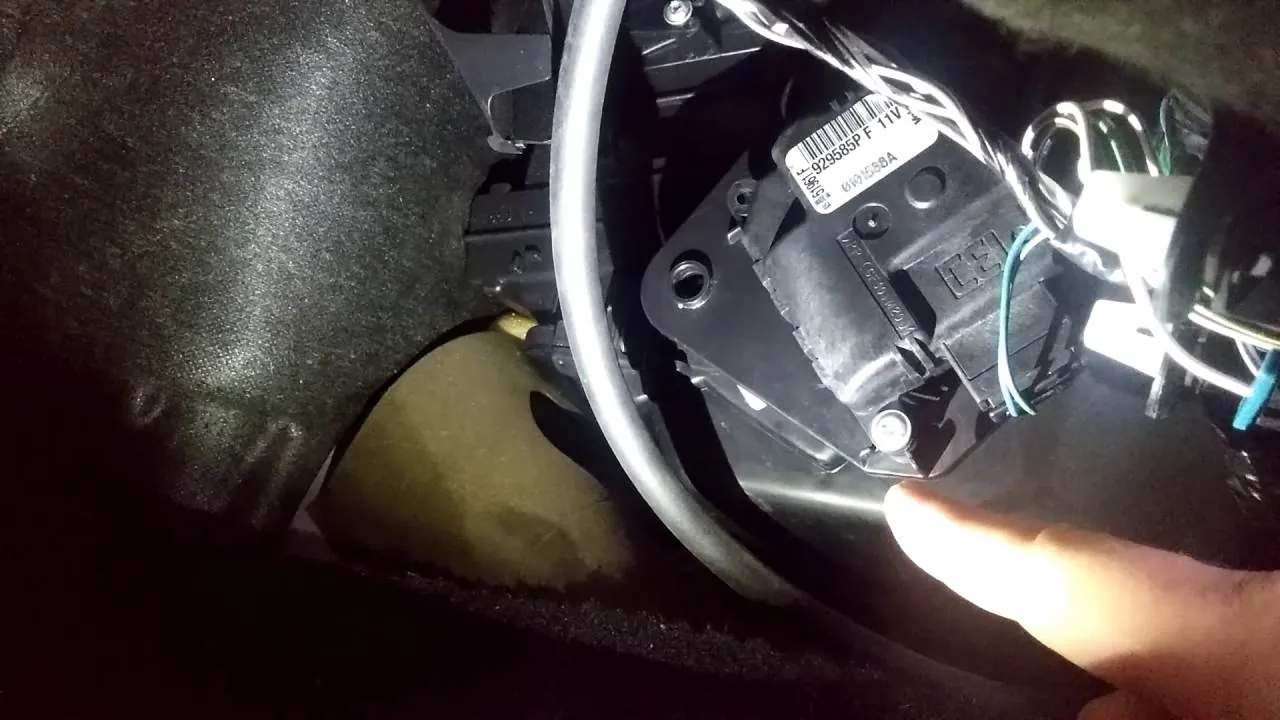
- The blend door actuator is a frequent failure point in the Jeep Liberty climate control system.
- A clogged heater core often requires a professional flush to restore proper heat circulation.
- Always allow the engine to cool completely before opening the radiator cap to avoid severe burns.
Why Is My Heat Not Working?
The heating system in your vehicle relies on the engine’s cooling loop. Hot coolant flows from the engine block into a small radiator located behind your dashboard, known as the heater core. A blower motor then pushes air across this hot core and into the cabin.
If any part of this chain is interrupted, the air remains cold. The most common reasons include a low coolant level, a failed thermostat, a blocked heater core, or a broken blend door motor. Because the Jeep Liberty uses a complex set of plastic gears for its climate control, internal mechanical breakage is quite common.
Checking Your Coolant Levels
Before assuming a major mechanical failure, verify your fluid levels. The heater core requires a consistent flow of hot liquid to function correctly. If the reservoir is low, air pockets can form, preventing hot coolant from reaching the core. Always check the coolant level when the engine is cold.
If you notice the level is consistently low, you likely have a leak in a hose, the radiator, or the water pump. Ensure you use the correct coolant type specified in your Jeep Liberty Owner Manual to prevent chemical reactions that could damage your engine seals.
| Component | Common Symptom | Potential Fix |
|---|---|---|
| Coolant Level | Cold air at idle | Top off fluid/fix leak |
| Thermostat | Engine never warms up | Replace thermostat |
| Heater Core | Lukewarm air output | Flush heater core |
| Blend Door | Heat stuck on one side | Replace actuator motor |
Is the Thermostat Stuck Open?
The thermostat is a temperature-sensitive valve that regulates coolant flow. When it fails in the “open” position, coolant circulates through the radiator constantly, preventing the engine from reaching its ideal operating temperature. If your dashboard temperature gauge stays low or takes a very long time to rise, the thermostat is likely the issue.
Replacing this part is relatively straightforward on most Jeep Liberty engines, though it does require draining a portion of the cooling system. A faulty thermostat is an inexpensive part, making it a great first step in your troubleshooting process.
Understanding Heater Core Clogs
Over time, debris and sediment can build up inside the heater core, restricting the flow of hot coolant. This is a common issue in older vehicles where the cooling system hasn’t been flushed at regular intervals.
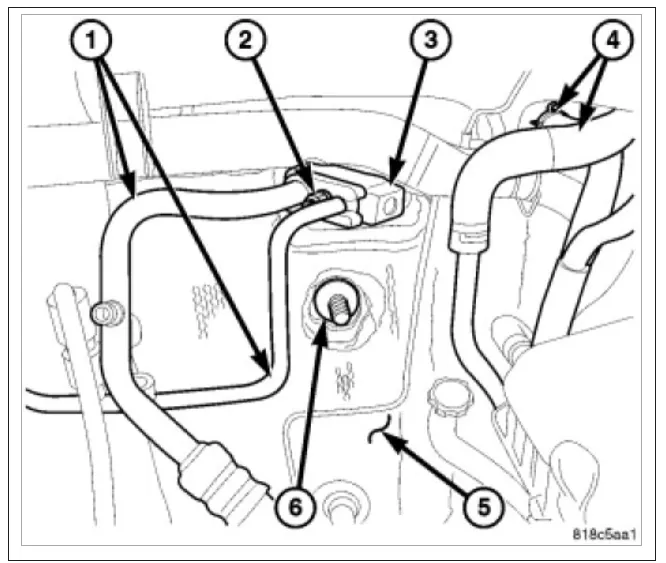
You can often diagnose this by touching the two heater hoses that enter the firewall; if one is hot and the other is significantly cooler, it indicates that the coolant isn’t circulating through the core effectively. A professional flush using a specialized cleaning agent can often clear these blockages without needing to remove the dashboard.
Can a Blend Door Be Broken?
The blend door is a plastic flap inside the HVAC housing that directs air through or around the heater core. It’s moved by a small electric motor known as the blend door actuator. If the motor fails or the plastic door itself snaps, you might get heat on the passenger side but cold air on the driver side, or vice versa.
Replacing the actuator can be difficult on some Jeep Liberty models because the part is often tucked deep behind the instrument panel. You may hear a clicking or tapping noise behind the dash if the actuator gear is stripped.
Troubleshooting the Blower Motor
If you have heat, but no air is actually coming out of the vents, the problem lies with the blower motor, not the heating system itself. The blower motor is the fan responsible for forcing air through the ducts.
If you don’t hear the fan running on any speed setting, check the blower motor fuse first. If the fuse is intact, the blower motor resistor or the motor itself may have failed. A failed resistor typically results in the fan working only on the highest speed setting, as the resistor is bypassed in that position.
Essential Tools for Repairs
To tackle these repairs, you need a basic set of automotive tools. Don’t attempt these tasks without the proper equipment, as you risk damaging fragile plastic components.
- Socket set with metric extensions for reaching tight spaces.
- Coolant funnel to prevent spills and air bubbles during refilling.
- Pliers for removing spring-style hose clamps.
- OBD-II scanner to check for any climate control fault codes.
- Drain pan to catch old coolant for proper disposal.
Pro Tip: When refilling your cooling system, keep the front of the vehicle slightly elevated or use a spill-free funnel to ensure that trapped air bubbles migrate to the highest point and exit the system.
When to See a Professional
While many DIY enthusiasts can handle a thermostat or a blower motor replacement, some tasks are best left to professionals. If your heater core is leaking, you’ll often smell a sweet, syrupy scent in the cabin or notice fogging on the windshield.
Replacing a heater core is a labor-intensive job that requires removing the entire dashboard assembly. Attempting this without the right documentation or experience can lead to broken clips, damaged wiring harnesses, and interior rattles that are impossible to fix later.
Heater Repair Cost Comparison
Understanding the financial commitment is vital when planning your vehicle maintenance.
| Service Type | Estimated Labor Time | Parts Cost (Range) | Total Cost (Range) |
|---|---|---|---|
| Thermostat Replace | 1 – 2 hours | $20 – $60 | $150 – $350 |
| Heater Core Flush | 1 – 1.5 hours | $30 – $80 | $120 – $250 |
| Blower Motor Swap | 1 hour | $50 – $150 | $150 – $300 |
| Blend Door Actuator | 2 – 4 hours | $40 – $120 | $300 – $650 |
Warning: Never attempt to remove the radiator cap or heater hoses while the engine is hot. The cooling system is under high pressure, and escaping steam or boiling coolant can cause severe physical injury.
Related guides
Frequently Asked Questions
Why is the air cold only at idle?
Cold air at idle usually points to a low coolant level or a partially clogged heater core. When the engine RPMs are low, the water pump doesn’t circulate coolant fast enough to keep the core hot. Checking your fluid level and ensuring there are no air bubbles in the system is the most effective way to resolve this specific symptom without expensive repairs.
How do I know if the blend door is broken?
If your temperature settings don’t change when you move the dial, or if you hear a clicking sound behind the dashboard, the blend door is likely broken. This is a mechanical failure of the actuator motor or the plastic door hinge. You can often confirm this by listening for the motor while someone else adjusts the temperature controls from the driver seat.
Is it safe to drive with a bad heater core?
It’s generally safe to drive, provided the core isn’t leaking coolant into the cabin. If the core is leaking, it can cause interior damage and fogging of the windows, which is a safety hazard. If the core is simply clogged, you’ll just be cold, but you should address the issue to prevent overheating if the cooling system is compromised.
Can I use tap water to top off my coolant?
You should avoid using plain tap water, as the minerals and impurities can cause corrosion and scale buildup inside your cooling system. Always use a 50/50 mix of distilled water and the manufacturer-approved coolant. Distilled water is free of the contaminants found in tap water that lead to long-term blockages in the heater core and radiator passages.
How often should I flush the cooling system?
Most manufacturers recommend flushing the cooling system every 30,000 to 50,000 miles or every three to five years. Regular maintenance prevents the buildup of sediment that eventually clogs the heater core. If your Jeep Liberty has high mileage and the cooling system has never been serviced, a professional flush may be the necessary step to restore your heating performance.
Conclusion
Addressing a heating issue in your vehicle is a logical process of elimination that starts with simple fluid checks and moves toward component inspection. By systematically testing the thermostat, blower motor, and blend door actuator, you can identify the exact source of the failure. Start by checking your coolant reservoir level today to see if a simple top-off resolves your immediate comfort concerns.
