
Finding that your intex air bed pump not working is a frustrating experience, especially when you’re preparing for guests or settling in for a camping trip. Before you assume the internal motor has failed, it’s important to understand that most air mattress inflation issues stem from simple mechanical or electrical hurdles. Whether your pump is making a strange grinding noise, failing to initiate, or simply blowing air at a reduced capacity, you can often restore functionality with a few targeted troubleshooting steps. In most cases, these repairs require no specialized tools or professional assistance, saving you the inconvenience of a return or replacement.
Key Takeaways

- Check the electrical power source and wall outlet integrity before inspecting the pump motor.
- Ensure the valve cap is securely fastened to prevent air leakage that mimics pump failure.
- Clear any debris or obstructions from the intake and exhaust ports to ensure airflow.
- Allow the motor to cool for at least 30 minutes if it has been running continuously.
- Verify that the internal seal isn’t compromised by checking the mattress for punctures.
Why is my pump not starting?
The most common reason an electric air pump fails to engage is a lack of power. If your mattress features a built-in pump, check the cord for any visible fraying or damage. Ensure the plug is pushed firmly into the wall outlet.
If you’re using an extension cord, try plugging the pump directly into a wall socket to rule out a faulty cord. For external battery-operated models, ensure the batteries are fresh, properly oriented, and that the battery compartment contacts are free of corrosion.
Troubleshooting Electrical Connections
- Test the wall outlet with a lamp or phone charger to confirm it’s live.
- Check your home’s circuit breaker to ensure the outlet hasn’t tripped.
- Examine the pump plug for bent prongs or signs of heat damage.
- Reset any GFCI outlets that may have cut power to the area.
Fixing an Intex air bed pump not working
If the pump makes a humming sound but doesn’t inflate the mattress, the internal impeller may be obstructed. Over time, dust and debris can accumulate inside the intake port, preventing the fan from spinning freely.
Use a flashlight to inspect the intake opening for hair, lint, or small particles. If you see debris, use a pair of tweezers to carefully remove it while the pump is unplugged. Never insert metal tools deep into the motor housing, as this can damage the sensitive internal components.
Is the air valve the problem?
Many users mistakenly believe their pump is broken when the issue actually lies with the air valve mechanism. The valve must be in the “closed” or “locked” position for the mattress to retain air. If the valve is left partially open, the pump may run indefinitely without the mattress reaching full firmness.
Check the valve cap to ensure it’s tightened correctly and that the silicone gasket is seated properly. A warped or misaligned gasket is a frequent culprit for air loss that feels like a weak pump.
| Component | Potential Issue | Recommended Fix |
|---|---|---|
| Intake Port | Blocked by debris | Clear with tweezers |
| Power Cord | Frayed or loose | Replace or secure connection |
| Valve Gasket | Worn or cracked | Clean or replace gasket |
| Motor | Overheated | Rest for 30 minutes |
| Power Source | Inactive outlet | Test with other appliance |
How to manage motor overheating
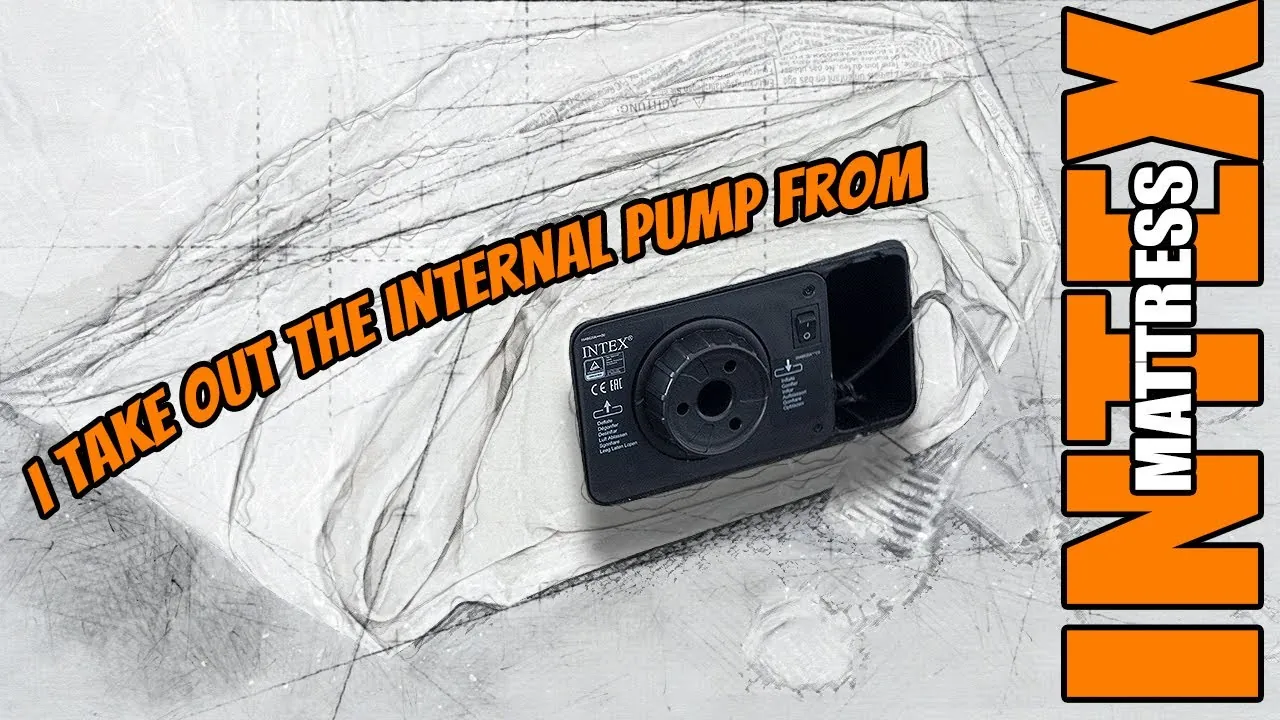
Electric air pumps are generally designed for intermittent use rather than continuous operation. If you have been inflating multiple mattresses or running the pump for more than 10 to 15 minutes, the thermal protection switch may have triggered. This is a safety feature that shuts the motor down to prevent permanent damage.
If your pump stops suddenly, turn the switch to the “off” position and leave the unit unplugged for at least 30 minutes. This allows the internal coils to dissipate heat and reset the safety mechanism.
Warning: Never attempt to open the motor housing or dismantle the pump unit while it’s plugged into a power source, as this poses a significant risk of electric shock and voiding your warranty.
Checking for hidden mattress leaks
Sometimes the pump is working perfectly, but the mattress is leaking air so rapidly that it appears to be failing. A micro-puncture or a faulty seam can cause the mattress to lose pressure almost as fast as it inflates. To identify a leak, inflate the mattress fully and brush a mixture of mild dish soap and water over the surface. If you see bubbles forming, you have located the source of the air loss.
Comparing inflation methods
If your built-in pump remains unresponsive after troubleshooting, you may need to consider alternative inflation methods. Many air mattresses are compatible with standard manual or foot pumps. Using a secondary pump can extend the life of your mattress by allowing you to bypass a faulty internal unit.
| Method | Ease of Use | Speed | Portability |
|---|---|---|---|
| Built-in Electric | High | Very Fast | Low (Attached) |
| Battery Pump | Medium | Moderate | High |
| Foot Pump | Low | Slow | Moderate |
How to clean the pump intake
Keeping the intake area clean is vital for maintaining optimal airflow. Over time, the suction can pull in particles from the floor. To clean this area, use a soft-bristled brush or a can of compressed air to dislodge dust from the intake vents.
Ensure the pump is completely dry before attempting to clean it, as moisture can cause rust on the motor contacts. Regular maintenance of the intake vents prevents the motor from working harder than necessary, which extends its lifespan.
What if the pump is broken?
If you have exhausted all troubleshooting steps, the internal pump may have reached the end of its functional life. If your mattress is still under warranty, contact the manufacturer or the retailer where you purchased it for a potential replacement.
If the mattress is out of warranty, you can often continue using the bed by purchasing a separate, external electric pump that fits the valve opening. Many universal air bed pumps are designed to fit various valve sizes, making them a versatile replacement solution for a damaged built-in system.
Pro Tip: Always store your air mattress in a cool, dry place and keep the valve cap securely closed when not in use to prevent internal damage or debris buildup within the pump assembly.
How to prevent future pump failure
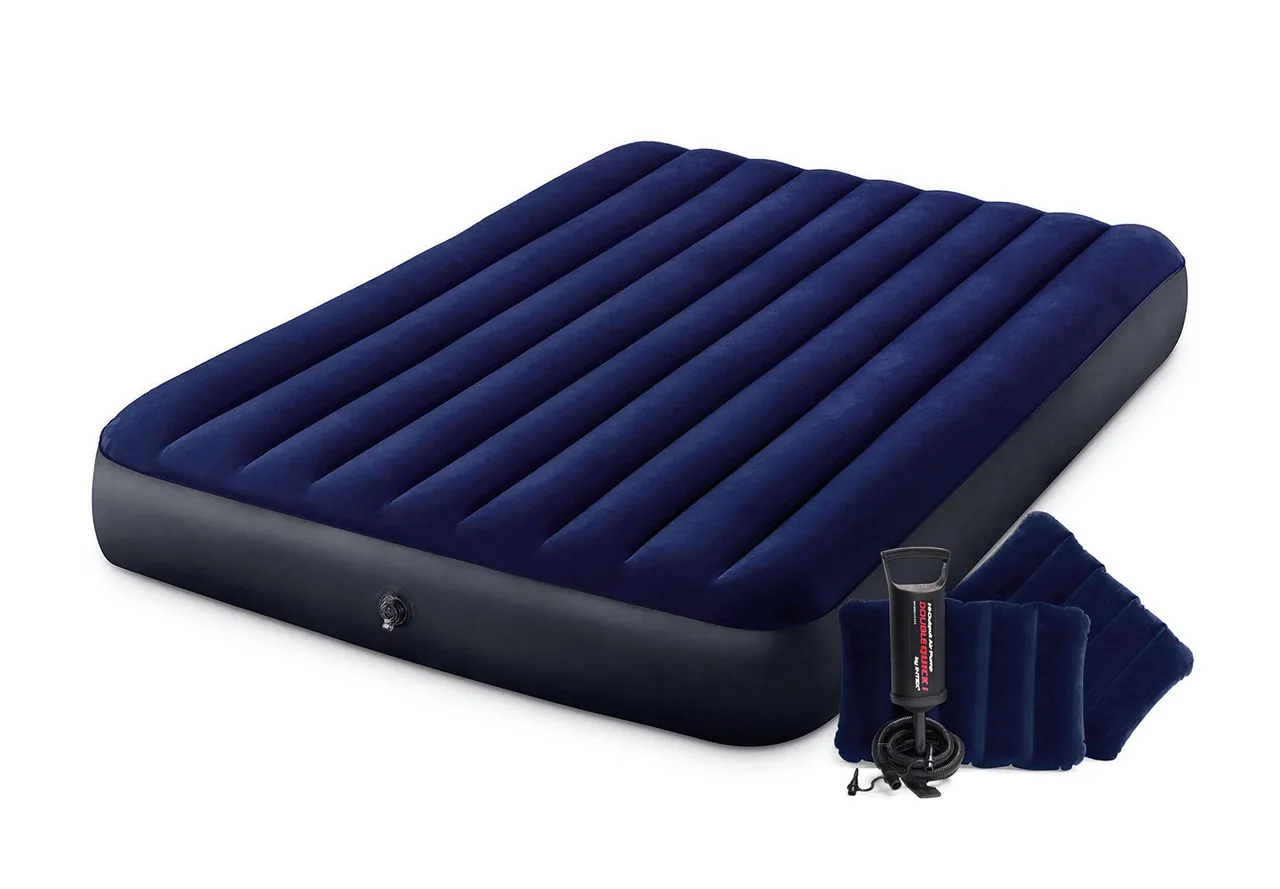
To ensure your air bed pump remains functional for years, adopt a few simple preventative habits. First, always place the mattress on a flat, clean surface free of sharp objects. Second, avoid over-inflating the bed, as excessive pressure puts unnecessary strain on both the seams and the pump motor.
Finally, if you notice the pump getting hot to the touch, stop the inflation process immediately and let the unit cool down. Following these best practice guidelines will significantly reduce the likelihood of your pump failing during your next trip or guest stay.
Frequently Asked Questions
Why does my pump make a loud grinding noise?
A grinding noise usually indicates that the internal impeller has become misaligned or that debris has entered the fan housing. If the pump is still moving air, you may be able to clear the obstruction by gently shaking the unit or using compressed air. If the noise persists or the pump stops moving air entirely, the internal motor bearings may be damaged, necessitating a replacement.
Can I replace just the built-in pump?
Most built-in pumps are permanently integrated into the mattress fabric during the manufacturing process. Removing or replacing the internal pump is generally not possible without damaging the structural integrity of the air bed. If the pump is faulty, it’s usually more practical to use an external pump that connects to the valve, or to replace the entire mattress unit if it remains under warranty.
How do I know if the pump is overheating?
If the pump stops suddenly while running and feels hot to the touch, the thermal overload protection has likely been activated. This is a standard safety feature designed to prevent the motor from burning out. Simply turn off the unit, unplug it, and wait for 30 to 60 minutes for the motor to cool down completely before attempting to restart the inflation process.
Is it safe to use an extension cord with my pump?
You can use an extension cord, provided it’s rated for the power requirements of the pump and is in good physical condition. Use a heavy-duty, outdoor-rated extension cord if possible, and ensure it isn’t coiled or covered, as this can cause the cord to heat up. Avoid using damaged or frayed cords, as these can cause voltage drops that prevent the pump from reaching full power.
Why does the mattress lose air after inflating?
If the mattress loses firmness, the issue is likely a leak rather than a pump failure. Check the valve cap to ensure it’s tightened securely and the gasket is clean. If the valve is sealed, use a soap-and-water solution to test for punctures or seam leaks. A small pinhole can be patched easily with a standard vinyl repair kit, which is often included with the mattress.
Conclusion
Successfully restoring your air bed to full functionality is often a matter of patience and systematic inspection. By checking your power source, clearing intake debris, and ensuring your valve seals are tight, you can resolve the vast majority of common inflation issues. If these steps don’t yield results, consider utilizing an external pump to keep your mattress in service for future use.
