
Chemical solutions separate valuable minerals from crushed rock by dissolving specific metals into a liquid state while leaving waste material behind. This process happens when liquids, often called solvents, move through the ore and carry the metal away as a concentrated solution. Once the metal is dissolved, the liquid is collected and treated so the pure metal can be recovered for use in electronics, construction, and green energy technologies.
Mining chemical extraction parts
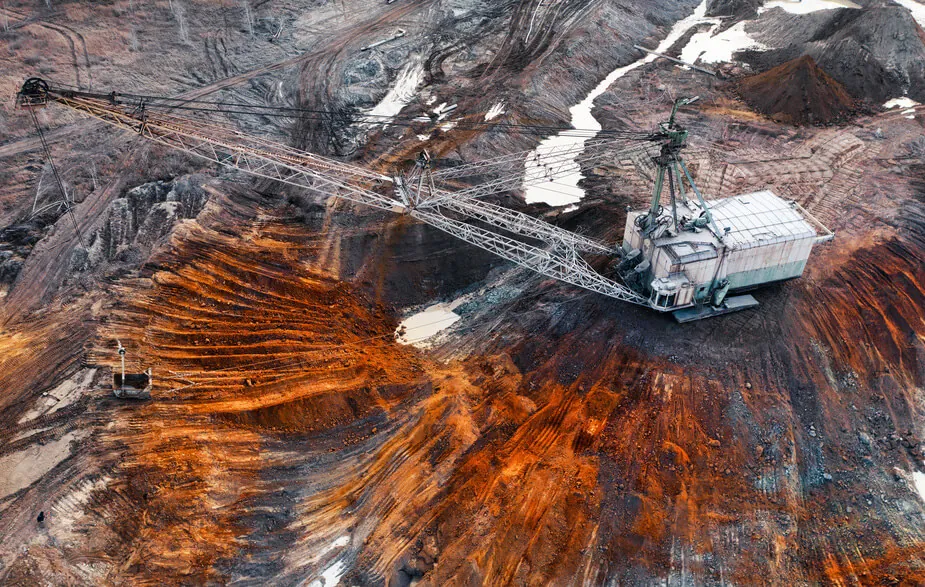
The extraction process relies on specific chemical and mechanical components to move the metal from the rock into the processing system. If you notice lower yields than expected, check the chemical balance; if the liquid flow is too slow, check the pump pressure or filter integrity. You can find the specific chemical requirements for your ore type in the technical documentation provided by the Environmental Protection Agency regarding mineral processing.
| Part or input | What it does | What you notice when it goes wrong |
|---|---|---|
| Solvent liquid | Dissolves target metal | Metal remains in the rock |
| Crushed ore | Increases surface area | Low recovery rate |
| Leach pad | Holds ore for rinsing | Liquid pools or leaks |
| Collection pond | Stores metal-rich liquid | Solution overflows or leaks |
| Pump system | Moves liquid through ore | Inconsistent flow rates |
| Recovery unit | Extracts metal from liquid | Impure or low output |
How the extraction cycle works
- The ore is crushed into small particles to expose the metal, which usually takes about 2 to 4 hours depending on the hardness of the rock and the equipment used.
- The crushed rock is stacked onto a prepared surface called a leach pad, which is designed to catch the liquid after it passes through the pile of material.
- A chemical solvent is applied to the top of the stack, and it slowly moves downward through the rock over a period of 30 to 90 days, depending on the pile size.
- As the solvent moves, it reacts with the target metal and pulls it into the liquid phase, creating a metal-rich solution that collects at the bottom of the pad.
- The collected liquid is pumped into a recovery unit, where chemical or electrical processes separate the metal from the solvent so the metal can be harvested.
- The cleaned solvent is then recycled back to the top of the leach pad to begin the process again, ensuring that very little of the chemical is wasted.
Why chemical selection affects extraction results
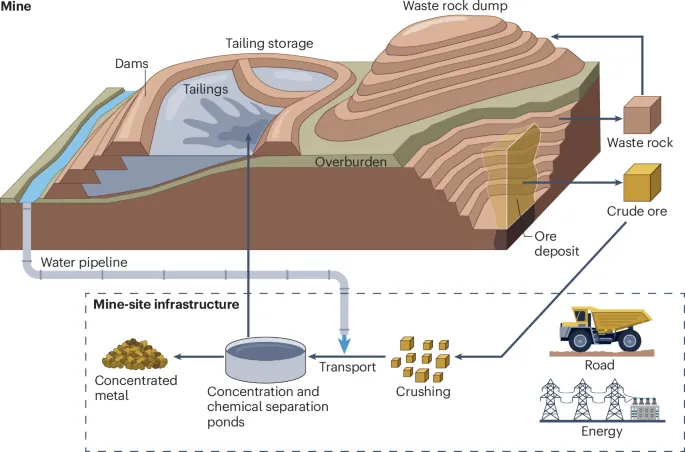
The success of the entire operation depends on matching the right solvent to the specific mineral content of the ore. If the solvent is too weak, it won’t dissolve enough metal, leading to a loss of profit and wasted effort. Conversely, if the solvent is too strong or the wrong type, it may dissolve unwanted materials, which makes the final purification step much more difficult and costly.
A common mistake is failing to test the acidity or alkalinity of the ore before applying the solvent, which often results in poor metal recovery and unnecessary chemical waste. If the ore contains high levels of clay, it can block the flow of the liquid and cause the solvent to pool on the surface instead of moving through the stack. This forces operators to spend more money on mechanical aeration or alternative crushing methods to keep the process moving.
Temperature also plays a significant role in how well the chemicals react with the metal. If the ambient temperature is too low, the chemical reaction slows down significantly, and the recovery rate drops. If you find the recovery is low, check the temperature of the incoming solvent to ensure it’s within the range suggested for your specific chemical blend.
Variables in the extraction process
Things you control
- The size of the ore particles after crushing.
- The concentration of the solvent applied to the stack.
- The rate at which the liquid is applied to the ore.
- The frequency of chemical testing in the collection pond.
Things fixed by design
- The chemical composition of the host rock itself.
- The natural permeability of the ore bed.
- The geological location of the mineral deposit.
The overall efficiency of the system is dictated by the mineralogy of the ore; you can read your specific recovery value off the assay report provided by your geological team. If you need to scale operations, consult with a licensed metallurgical engineer, as handling large volumes of chemical solvents requires specialized safety permits and environmental mitigation equipment.
Habits for better metal recovery
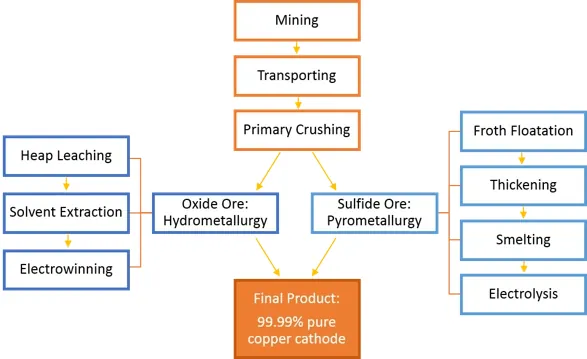
Consistent monitoring of the liquid flow rate is the most important habit for maintaining high recovery levels. Check the flow output every 24 hours to ensure the solvent is moving through the entire stack evenly. If the flow drops by more than 10% in a single day, inspect the irrigation lines for clogs or mineral buildup that might be preventing the solvent from reaching the ore.
Most operators fail by ignoring the steady accumulation of fines. If you notice a gradual decline in flow over three days, you’re likely dealing with compaction rather than a clog. In this case, you must reduce the stack height or increase the crush size for the next batch to restore permeability.
Maintaining the correct pH level in your solvent is equally vital, as it ensures the metal remains dissolved throughout the cycle. Test the solution acidity at least twice per day, adjusting the chemical input if the reading drifts outside the target range for your specific metal.
Keeping detailed logs of these readings helps you predict when to swap out the solvent. If your pH drifts by more than 0.5 units, you risk premature precipitation, which effectively locks the metal back into the solid waste.
Related guides
- What Is Quenching the Process and Its Purpose Explained
- How the Laser Brazing Process Works: A Step-by-Step Guide
- What Is Processed Water and How Is It Made: A Simple Guide
Frequently asked questions
How long does it take to dissolve the metal?
The process typically takes 30 to 90 days for a full cycle, depending on the particle size of the ore and the chemical concentration used. Larger, denser rocks require more time for the solvent to penetrate the core, while finer crushed material allows for faster extraction times.
Is it safe to handle these mining chemicals?
Safety depends entirely on the specific chemical used, so you must always follow the Safety Data Sheet provided by the chemical manufacturer. These documents explain the exact protective gear required for your specific solvent, and you should never handle these substances without proper training and the equipment listed in those guidelines.
What happens if the solution stops flowing?
A blockage usually stops the extraction process, which requires you to inspect the irrigation nozzles or the permeability of the ore stack itself. If the liquid can’t move through the rock, the metal remains trapped, so clearing the lines or breaking up the surface crust is necessary to restart the cycle.
Does the ore type change the extraction method?
The mineral composition of the ore determines the solvent required, meaning you must change your chemical approach if the rock type changes. You can identify the correct solvent for your specific ore by checking the metallurgical test results provided by your lab, which outline the chemical compatibility for your specific site.
How much metal can be recovered?
The amount of metal recovered varies based on the grade of the ore, and you can find your expected percentage in the geological assay report for your deposit. This report provides the baseline for what is possible, and your actual recovery will depend on how well you maintain the chemical balance and flow rates.
Why is the solution turning a different color?
A change in color usually indicates that the solvent is reacting with other minerals present in the rock, which can contaminate the final product. If the color shifts unexpectedly, stop the process and test a sample of the solution in a laboratory to identify which new elements are dissolving into your mix.
Conclusion
The effectiveness of metal extraction is a balance between chemistry and mechanical consistency. By monitoring your solvent levels and ensuring the ore is prepared to the correct size, you can maintain steady production rates while minimizing waste. Always verify your chemical concentrations and flow settings against your site-specific documentation to keep the process running safely and efficiently.
