
No, salt water pools aren’t warmer than fresh water pools just because they contain salt. The water temperature in a pool depends on the heater, sunlight, and weather, not the type of water inside. Salt changes how the water feels on your skin, but it doesn’t raise the actual temperature reading on a thermometer.
The feeling of warmth comes from how salt affects your body’s ability to lose heat. Your location, the time of year, and your pool cover will change these results for you.
Salt water pools and warmer residential comfort
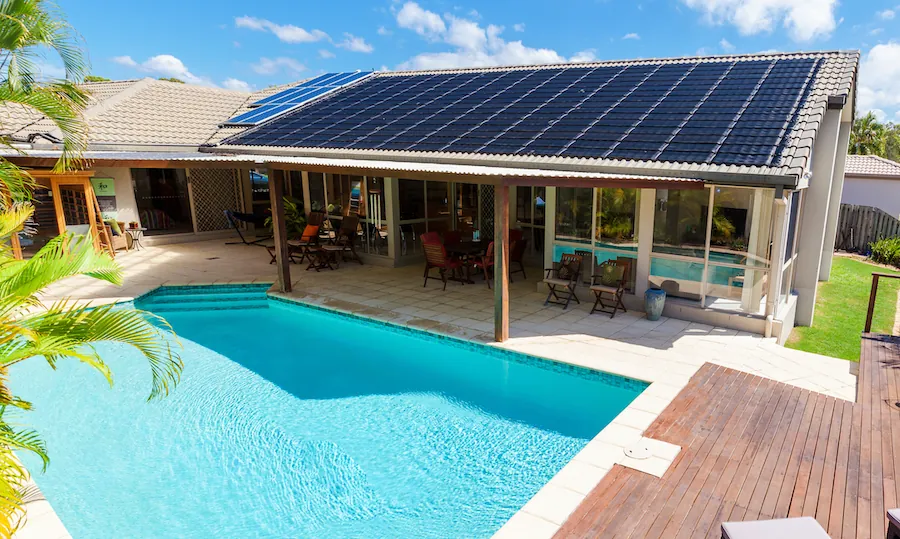
This page helps homeowners who already have a pool or plan to install one soon. You might be wondering if switching to a salt system will save money on heating bills. Some readers want to know if salt makes the water feel softer and warmer on their skin. Others are trying to decide between a traditional chlorine setup and a salt generator.
This article serves people who want clear facts about temperature and comfort. It doesn’t help commercial pool managers looking for industrial heating data. We assume you have a standard residential pool with a typical heater. If you run a large public facility, you need different engineering advice.
We also assume you live in a climate where you use a heater at least part of the year. If your pool stays cold all winter, the salt factor matters less. This guide focuses on the small differences in how water feels, not major engineering changes. You’ll find specific checks to see what works for your setup.
What actually sets the temperature
The heater is the main thing that decides how warm your pool gets. A gas heater can raise water temperature by 10 to 20 degrees Fahrenheit per hour depending on its size. An electric heat pump works slower but uses less energy over time. Without a heater, the sun is the only source of heat, and it varies wildly by season.
Salt concentration has almost zero effect on the boiling point or freezing point in a pool setting. Pool salt levels sit around 3,000 parts per million, which is far too low to change heat capacity noticeably. Fresh water and salt water absorb sunlight at nearly the same rate. The real difference lies in how your body loses heat when you get in.
Wind speed and humidity matter more than the water chemistry. A breeze strips heat from wet skin faster than still air. Humidity slows down evaporation, which keeps you warmer longer. Many people think salt holds heat better, but that’s a myth based on how the ocean feels compared to a lake. The ocean feels warmer because it’s huge and stable, not because of salt.
Your pool cover is the biggest factor in keeping heat in. A good cover stops evaporation, which is how most heat escapes. If you leave the pool open at night, you lose heat fast regardless of salt. Check your heater manual for the exact output rating to see what it can do.
Steps to check your pool heat
- Measure the water temperature with a reliable digital thermometer before you start any test. Place the sensor in the middle of the pool, away from the return jets. Wait two minutes for the reading to stabilize. Write down the number and the time.
- Turn on your pool heater to the desired setting, usually 82 to 86 degrees Fahrenheit. Let it run for exactly one hour without adding new water. Don’t swim during this hour so the reading stays clean.
- Measure the temperature again after the hour is up. Compare the new number to the first one to see the rise. Note if the rise matches the heater’s rated output.
- Put on a swimsuit and enter the pool for five minutes. Pay attention to how the water feels on your arms and legs. Does it feel colder or warmer than a fresh water pool you have used recently?
- Check the wind speed outside using a weather app or anemometer. High wind speeds will make the water feel colder even if the temperature is high. Record the wind speed along with your temperature notes.
- Remove the pool cover for ten minutes and then replace it. Watch how quickly the surface temperature drops while the cover is off. This shows how much heat you lose to evaporation.
The final judgment call is whether the water feels comfortable to you personally. Some people prefer the slight cooling effect of fresh water, while others like the softer feel of salt. Your skin type and sensitivity play a big role here. If the water feels too cold, adjust the heater rather than changing the salt level.
If you need to install a new heater or generator, hire a licensed professional. Working with electricity and gas carries real risks. Never try to repair a gas line yourself.
Common pool setups at a glance
Different pool types handle heat in similar ways, but the equipment changes the result. Here is how common setups compare for temperature control.
| Setup Type | How Heat Moves | Time to Warm Up | What to Watch For |
|---|---|---|---|
| Salt Water + Gas Heater | Fast heat transfer | 1-2 hours for 10°F | Gas costs and venting safety |
| Salt Water + Heat Pump | Slow steady heat | 6-12 hours for 10°F | Air temp must stay above 50°F |
| Fresh Water + Gas Heater | Fast heat transfer | 1-2 hours for 10°F | Chlorine handling and storage |
| Fresh Water + Heat Pump | Slow steady heat | 6-12 hours for 10°F | Air temp limits and noise |
| Solar Cover Only | Sun dependent | Days to weeks | Cloudy days stop heating |
| Uncovered Salt Pool | Very slow loss | N/A | Evaporation cools water fast |
| Uncovered Fresh Pool | Very slow loss | N/A | Evaporation cools water fast |
Gas heaters work well in cold weather, while heat pumps struggle below 50 degrees Fahrenheit. Solar covers are cheap but rely entirely on sunshine. Uncovered pools lose heat all night long. Choose the setup that fits your local weather and budget.
Details pros get right
Preparing the water balance
Experienced owners check the pH and alkalinity before turning on the heater. Salt systems need a pH between 7.4 and 7.6 to prevent corrosion. If the pH is too low, it can corrode metal fixtures and shorten equipment life. A balanced pool protects your equipment and keeps the water safe.
Always test the water every week during swimming season. Use a liquid test kit for the most accurate reading. Digital strips can drift over time and give false numbers. If the salt level drops, add food-grade salt slowly. Too much salt can damage the heater plates inside the unit.
Managing heat loss actively
Pros know that evaporation steals more heat than anything else. They keep a solar cover on the pool whenever it isn’t in use. Even a short swim session without a cover can drop the temperature by several degrees. Beginners leave the cover off for “a quick dip” and pay for it in fuel bills.
They also set the heater timer to run during the day when the sun helps. Running the heater at night wastes energy because the water loses heat faster than the heater adds it. Check your thermostat settings to match your swimming habits. If you swim late, preheat the water a few hours before you go in.
When things go wrong
Problems happen when the equipment fails or the water balance shifts. Here is how to match symptoms to fixes.
| What you notice | What it usually means | What to do first | How to stop it happening again |
|---|---|---|---|
| Water stays cold | Heater not firing | Check power switch and gas valve | Schedule annual maintenance |
| Salt light blinking | Low salt or dirty cell | Test salt level and clean cell | Add salt weekly as needed |
| Skin feels cold | Wind or low humidity | Put on a wetsuit or cover pool | Install windbreaks nearby |
| Heater shuts off | Overheating or flow issue | Check filter pressure and flow | Clean filter cartridge monthly |
| Water tastes salty | Salt level too high | Drain some water and refill | Monitor salt levels closely |
| Scale on heater | Hard water buildup | Descale the heater core | Use scale inhibitor chemicals |
| No heat at all | Broken thermistor or relay | Call a technician immediately | Keep spare parts on hand |
If the heater stops working, don’t try to fix the internal wiring yourself. Electric shocks from pool equipment can be fatal. Always turn off the power at the breaker box before touching any wires.
Rules and limits to follow
Safety rules govern how you operate pool heaters and salt generators. The National Electrical Code requires GFCI protection for all pool equipment. This prevents electric shock if water touches live wires. Your local building department enforces these rules strictly.
Heaters must be installed by a licensed contractor in most states. Gas lines need permits and inspections before you can turn them on. Operating a heater without a permit can void your insurance policy. Check with your city hall for the exact requirements in your area.
Salt generators have limits on how much salt they can produce. Most units max out at 3,000 to 4,000 parts per million. Going higher can corrode metal ladders and tiles. Follow the manufacturer’s instructions for the maximum salt level. Never exceed the limit stated in the owner’s manual.
If you need to modify your plumbing, hire a pro. Changing pipe sizes or heater locations affects water flow. Poor flow can crack the heater or ruin the salt cell. Stop here and call an expert if you’re unsure.
Real costs for owners
Running a salt water pool costs about the same as a fresh water pool for heating. The main expense is the fuel for the heater, not the salt itself. Salt tablets cost less than liquid chlorine over a full season. However, the salt generator cell needs replacing every three to five years.
A new salt cell is inexpensive relative to the alternative depending on the brand. This is a planned expense that adds up over time. Electricity for the generator is very low compared to other costs. Gas prices vary by region, so check your local rates.
Heat pumps save money on fuel but cost more to buy upfront. They’re significantly more expensive to install than other options. Gas heaters are cheaper to buy but cost more to run. Solar covers are the cheapest option available. They pay for themselves in a single summer.
Prices change every year based on fuel markets and supply chains. Check current quotes from three local dealers before buying. Don’t guess at the total cost without getting written estimates.
Keeping the heat in later
Once your pool is warm, keeping it that way takes simple habits. Cover the pool every night to stop heat loss from evaporation. A clear vinyl cover works best for trapping heat while letting light in. Foam covers are thicker but block sunlight.
Check the water level once a week. Low water levels reduce flow through the system, which triggers the pressure switch to shut the heater off. Top up the pool with fresh water if it drops below the skimmer. This protects your equipment and maintains efficiency.
Test the water balance every week during heavy use. Imbalanced water causes scaling on the heater, which reduces heat transfer. Clean the salt cell twice a year to keep it running smoothly. A dirty cell produces less chlorine and wastes electricity.
Watch for signs that the heater is struggling. If the water takes longer to warm up, the filter might be clogged. Clean or backwash the filter if the pressure gauge reads high. These small steps keep your pool warm without extra cost.
Don’t run the pump at full speed all day just because the air feels cool. Most heaters need only 2,000 gallons per hour of flow to operate safely. Running faster than necessary burns more electricity without adding warmth. Set your timer to match the heater’s minimum requirement, usually found in the manual.
If you live where nights drop below freezing, add an automatic cover reel. Manual covers often get left off when guests arrive or storms roll in quickly. A missing cover for just four hours can lose as much heat as three days of sunshine. The reel ensures the surface stays sealed even when you forget.
When the heater clicks on and off rapidly, check the thermostat placement. If the sensor sits in direct sunlight, it will shut the unit down too early. Move the probe into the shade or wrap it in white tape to reflect the sun. This prevents short cycling that wears out the heating element prematurely.
When not to use salt
Salt water pools aren’t right for everyone or every situation. If you live near the ocean, the salt in the air can mix with your pool water. This creates a corrosive environment that damages metal fixtures faster. In these areas, a traditional chlorine system is safer for your equipment.
Don’t choose salt if you have a plaster finish that’s already old. Salt can eat away at weak plaster and cause pitting. New plaster can handle salt, but old surfaces may crumble. Check your pool builder’s warranty before converting to salt.
If you can’t afford the initial cost of a generator, stick with chlorine. Salt systems require a larger upfront investment. The long-term savings take years to appear. If you plan to sell the house soon, the added value might not cover the installation cost.
For these cases, talk to a local pool professional. They can test your water and inspect your pool surface. They will tell you if salt is a risk for your specific setup. Never force a salt system onto a pool that isn’t ready.
Related guides
Frequently asked questions
Can salt water pools freeze faster?
No, salt water freezes at a slightly lower temperature than fresh water, but the difference is tiny. At pool salt levels, the freezing point drops by less than half a degree Fahrenheit. You still need to drain pipes and cover the pool in winter.
Why does my salt pool feel warmer?
The actual water temperature remains the same as fresh water.
How long does a salt cell last?
A salt cell typically lasts a moderate amount of time with proper care. Heavy usage or unbalanced water can shorten this life considerably. Cleaning the cell regularly extends its lifespan significantly.
Is it safe to swim in salt water?
Yes, salt water pools are safe for swimming and gentle on eyes and skin. The salt concentration is much lower than the ocean, about 1/10th the strength. People with sensitive skin often prefer it over chlorine.
What happens if I add too much salt?
Adding too much salt can corrode metal parts and damage the heater. Levels above 4,000 ppm can harm plaster and equipment. You must drain some water and refill with fresh water to fix it.
Does salt affect the heater efficiency?
Salt doesn’t improve heater efficiency, but it can cause scaling if water is unbalanced. Scale acts as an insulator and makes the heater work harder. Regular testing prevents this problem and keeps efficiency high.
First steps to take now
Start by checking your current water temperature and comparing it to your comfort level. Expect the water to feel the same as fresh water unless you have a heater. If the water feels too cold, look at your heater settings and cover usage first. A clear vinyl cover can trap heat overnight, raising the temperature by five degrees without running the unit.
Stop and call a professional if you see cracks in the heater or smell gas. Safety comes before saving money on repairs. Don’t attempt to tighten loose fittings yourself; a small leak often signals a failing heat exchanger requiring specialized tools. Your pool should be warm and safe for everyone. If the heater runs but water stays cold after two cycles, check for a blocked filter first.