
Choosing between a centralized heating system and decentralized hardware is a fundamental decision for any homeowner looking to upgrade their plumbing. When you search for point of use vs whole house water heater solutions, you’re essentially weighing the convenience of instant heat against the efficiency of a single, powerful unit. A whole-house system typically costs between $600 and $2,500 for the unit alone, while point-of-use (POU) heaters generally range from $150 to $600 per fixture. Understanding how these systems distribute thermal energy is the first step toward lowering your utility bills and improving your daily comfort.
Key Takeaways
- Whole-house heaters serve every faucet, shower, and appliance simultaneously.
- Point-of-use units eliminate the “wait time” for hot water at distant taps.
- Combining both systems can create a hybrid setup for maximum efficiency.
- Consider the total flow rate of your home before choosing a unit.
- Installation costs vary drastically based on existing gas and electrical infrastructure.
How Whole-House Systems Function
A whole-house water heater is designed to be the sole source of hot water for the entire residence. These units are typically installed in a basement, utility closet, or garage.
They work by heating a large volume of water and storing it in a tank, or by rapidly heating water as it passes through a heat exchanger in a tankless configuration. Because they’re centralized, they must push water through the entire length of your home’s piping network to reach the furthest bathroom or kitchen.
Centralized distribution is the hallmark of these systems. If you have a large family or multiple bathrooms being used at the same time, a whole-house unit must be sized correctly to ensure that the person in the master bath doesn’t lose hot water when someone else starts the dishwasher. Tank-style units are the most common, but tankless models are increasingly popular for their ability to provide endless hot water without the standby energy loss associated with keeping 50 gallons of water at a constant temperature.
Understanding Point-of-Use Benefits
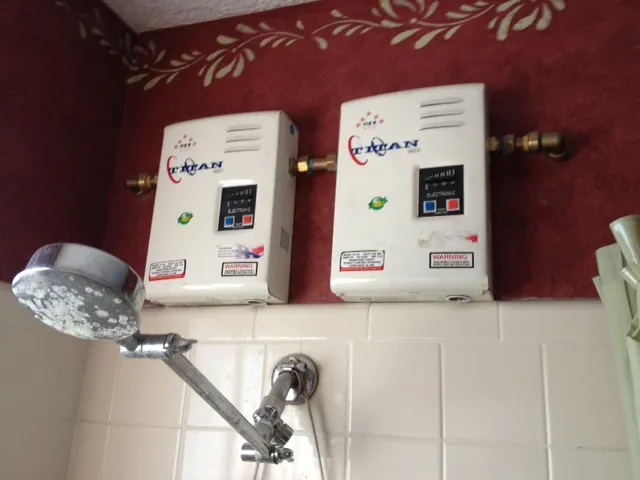
Point-of-use heaters are small, compact units installed directly under or near a specific sink, shower, or appliance. Instead of waiting for hot water to travel from the basement to the kitchen, the water is heated mere inches from the faucet. This drastically reduces water waste, as you don’t need to run the tap for several minutes while waiting for the pipes to clear of cold water.
Localized heating allows you to tailor the temperature to the specific needs of that fixture. For example, you might want a higher temperature for a dishwasher to sanitize dishes, while keeping a bathroom sink at a more moderate, skin-safe temperature. These units are often electric and can be easily tucked into cabinetry, making them an ideal solution for home additions, outdoor kitchens, or guest houses where extending existing plumbing would be prohibitively expensive or structurally impossible.
Comparing System Costs and Efficiency
| Feature | Whole-House (Tank) | Whole-House (Tankless) | Point-of-Use |
|---|---|---|---|
| Initial Price | $600 – $1,200 | $1,000 – $2,500 | $150 – $600 |
| Energy Efficiency | Moderate | High | High |
| Installation Effort | High | High | Low – Moderate |
| Maintenance | Annual Flushing | Periodic Descaling | Minimal |
Pro Tip: When calculating your budget, remember to factor in the cost of professional labor for gas line upgrades or electrical circuit installations, which can easily double the price of the hardware itself.
Why Choose One Over Other?
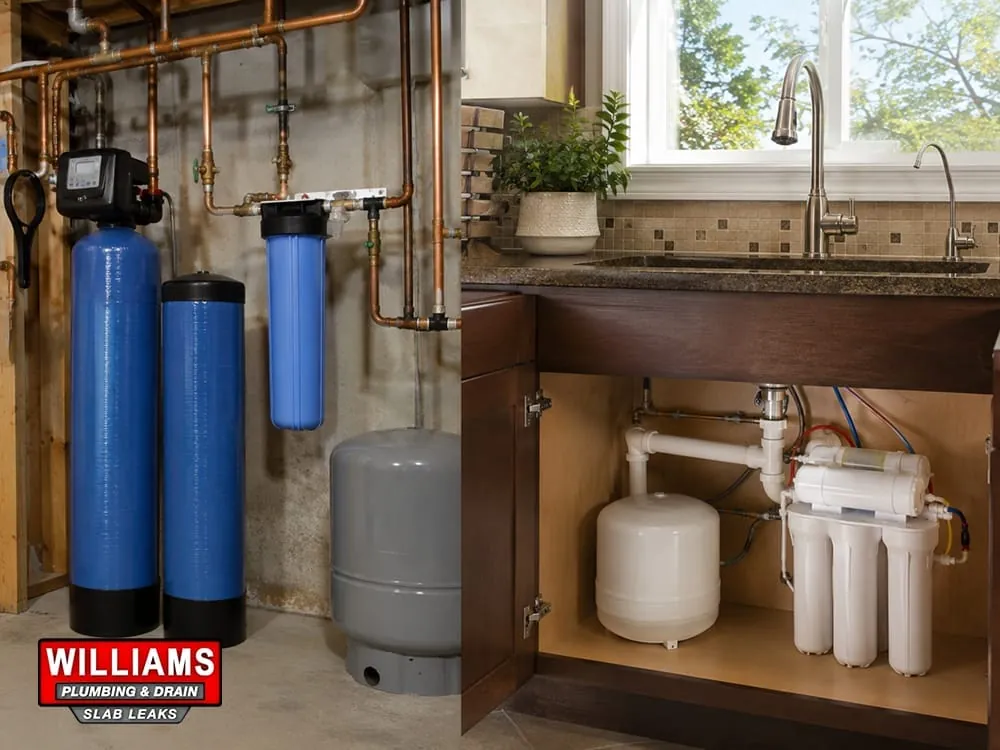
Deciding between these systems often comes down to the layout of your home and your specific usage patterns. If your home is small or has a very compact plumbing footprint, a single whole-house unit is often the most cost-effective approach. However, if your home is sprawling, with bathrooms located far from the main utility room, the “wait time” for hot water becomes a significant annoyance and an environmental concern due to wasted water.
Plumbing infrastructure plays a massive role in this decision. If you’re renovating an older home, upgrading the main water heater might require significant structural work, whereas adding a POU heater to a specific room might only require a simple electrical outlet and a tee-connection to the cold water line. According to the U.S. Department of Energy, tankless systems can be 24% to 34% more energy-efficient than conventional storage-tank water heaters for homes that use 41 gallons or less of hot water daily.
Maintenance and System Longevity
Maintenance requirements differ significantly between these technologies. Whole-house tank heaters require regular flushing to remove sediment buildup, which can insulate the heating element and reduce efficiency over time. If you live in an area with “hard” water, this sediment accumulation can lead to premature tank failure. Tankless whole-house units require professional descaling to keep the internal heat exchanger functioning at peak performance.
Preventative maintenance for point-of-use units is generally much simpler. Because they handle significantly less volume, they’re less prone to heavy mineral deposits. Many POU units are essentially “set and forget,” though you should check the filter screens annually to ensure that debris from the main line isn’t restricting the flow. If a POU unit fails, you’re only out of hot water at that one sink, whereas a whole-house failure affects the entire property.
Can You Use Both Systems?
Many modern homeowners are turning to a hybrid approach. They maintain a whole-house unit for high-demand areas like showers and laundry, while installing small point-of-use units under kitchen sinks or in wet bars. This creates a “best of both worlds” scenario where you get the massive capacity of a centralized heater for heavy tasks, combined with the instant gratification of localized heating for quick tasks like washing your hands or rinsing a single dish.
Hybrid integration requires careful planning to ensure your electrical panel can support the additional load. If you’re adding multiple POU units, you may need to upgrade your home’s electrical service to prevent tripping breakers. However, the energy savings from not needing to run the main heater for small, short-duration tasks can offset the cost of the additional electricity used by the POU heaters over several years.
Choosing Between Point-of-Use and Whole-House Water Heaters
Before purchasing any equipment, you must determine your peak demand. A household of four people will have vastly different requirements than a single individual living in a studio apartment. You should assess how many fixtures might be running at the same time during your busiest hour of the day—usually in the morning or evening.
- Standard Showers: 1.5 to 2.5 gallons per minute (GPM).
- Kitchen Faucets: 1.0 to 1.5 GPM.
- Dishwashers: 1.0 to 2.0 GPM.
- Clothes Washers: 1.5 to 2.0 GPM.
Flow rate estimation is critical. If you choose a tankless whole-house unit that can’t keep up with your total GPM, you’ll experience fluctuating temperatures during heavy usage. Similarly, if you choose a POU unit for a shower, ensure it’s rated for the high GPM required for a comfortable bathing experience, as many under-sink models are designed only for hand-washing and lack the power to heat a shower stream effectively.
Common Installation Challenges
Installing a new water heating system is rarely a simple “swap out” job. Even if you’re replacing a unit with an identical model, building codes have changed significantly over the last decade. You may be required to install a thermal expansion tank, update your venting system to meet modern safety standards, or upgrade your gas piping to a larger diameter to accommodate the higher BTU requirements of modern tankless heaters.
Warning: Always verify local building codes before beginning any plumbing or electrical work, as unpermitted installations can void your home insurance policy and pose significant fire or flood risks.
Professional installation is highly recommended for any gas-fired unit. Working with gas lines requires specialized tools and strict adherence to safety protocols to prevent carbon monoxide leaks. If you’re installing an electric point-of-use heater, you must ensure your wiring is gauged correctly for the amperage draw of the unit; using undersized wiring can lead to overheated cables and potential electrical fires within your walls.
Troubleshooting Your Water Heater
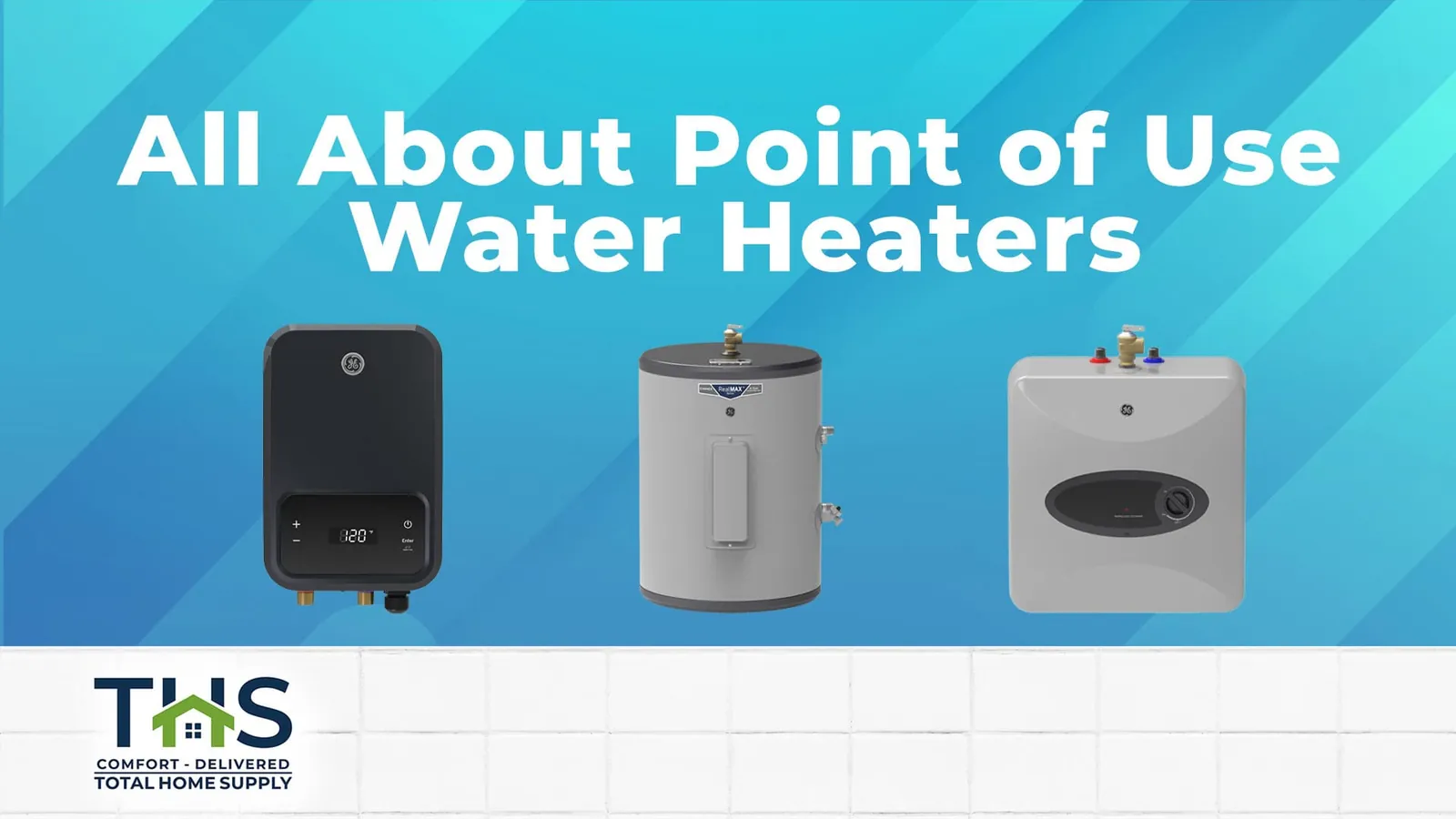
When your water heater stops performing, the first step is to identify the source of the problem. If you have a whole-house unit, check the circuit breaker or the pilot light. If you have a point-of-use unit, check the GFI outlet first, as these are often located near water sources and are prone to tripping.
| Symptom | Potential Cause | Action Required |
|---|---|---|
| Lukewarm Water | Sediment buildup or low gas pressure | Flush tank or check gas supply |
| No Hot Water | Tripped breaker or pilot failure | Reset breaker or relight pilot |
| Rusty Water | Corrosion inside the tank | Inspect and replace anode rod |
| Low Pressure | Clogged aerator at the faucet | Clean or replace the aerator |
System diagnostics should always start with the simplest variables. Often, a “broken” water heater is actually just a clogged faucet aerator or a simple thermostat setting that was accidentally adjusted. If you have a tank-style unit, check the pressure relief valve; if it’s leaking, it could be a sign of excessive pressure in your home’s system, which requires immediate attention from a licensed plumber to prevent a catastrophic tank rupture.
Related guides
- Infrared Oven vs Conventional Oven: Which One Should You Choose in 2026
- Oven vs Steam Oven: Which Appliance Is Best for Your Kitchen in 2026
Frequently Asked Questions
Is a point-of-use heater cheaper to run?
Generally, yes. Because these units only heat water exactly when you need it, they avoid the standby heat loss associated with large storage tanks. However, if you use them for long-duration tasks like filling a bathtub, their electricity consumption can be high. They’re most efficient for short, frequent tasks like hand-washing or rinsing produce.
How long do these units typically last?
A standard electric tank-style heater usually lasts between 8 and 12 years. Tankless whole-house units can last 20 years or more if properly maintained. Point-of-use units have varying lifespans; high-quality electric models can last 10 to 15 years, while cheaper units may need replacement every 5 to 7 years. Regular maintenance, such as flushing or descaling, is the most important factor in extending longevity.
Can I install a point-of-use heater myself?
If you’re comfortable with basic plumbing and electrical work, a small electric point-of-use heater is a manageable DIY project. You’ll need to install a tee-fitting on the cold water line and potentially run a dedicated electrical circuit. However, if you aren’t experienced with soldering copper pipe or wiring high-amperage outlets, it’s best to hire a professional to ensure the installation is safe and code-compliant.
Will a tankless unit save me money?
A tankless unit will save you money on monthly utility bills by eliminating standby energy loss, which accounts for up to 20% of the energy used for water heating in some homes. However, the upfront cost of the unit and the potential need for upgraded gas lines or electrical service means it can take several years to recover your initial investment through lower energy bills.
What is the biggest mistake when choosing a unit?
The most common mistake is undersizing the unit. People often buy a heater based on price rather than their actual hot water demand. If you install a point-of-use heater that’s too small for your shower, you’ll end up with a cold, disappointing experience. Always check the “temperature rise” specifications provided by the manufacturer to ensure the unit can heat incoming cold water to your desired temperature at your required flow rate.
Conclusion
The best way to decide on the right system for your home is to map out your daily hot water routine. Note how many minutes you wait for heat at each tap and identify where your current system struggles to keep up with demand. Use this list to discuss specific capacity requirements with a licensed contractor, ensuring your final setup provides reliable heat precisely where you need it most.