
Are you looking for a smart way to make the most of your sump pump water? Instead of letting it go to waste, you can use it to keep your lawn green and healthy.
Using sump pump water for your lawn not only saves you money but also helps conserve precious resources. You’ll learn simple, practical steps to turn that excess water into a powerful tool for your yard. Keep reading to discover how easy it is to make your lawn thrive while being eco-friendly and efficient.
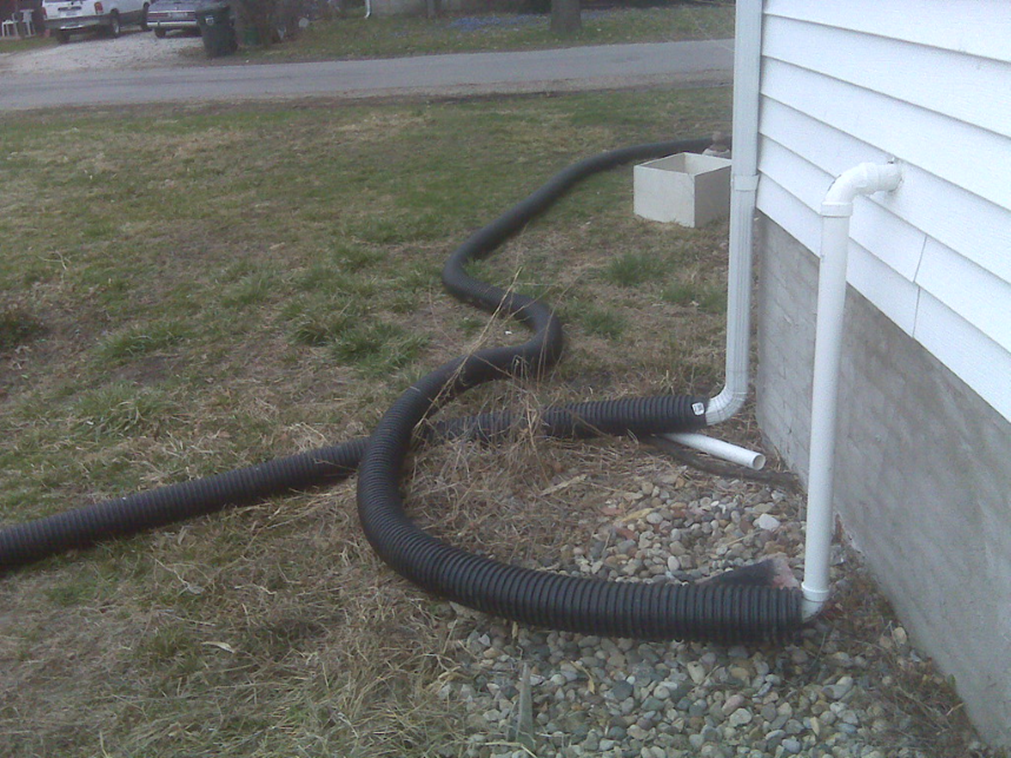
Credit: marionswcd.org
Benefits Of Using Sump Pump Water
Using sump pump water for your lawn offers several clear benefits. It helps make the most of water that would otherwise go to waste. This water can be a reliable source for keeping your grass green and healthy. Plus, it supports smarter water use and saves money over time.
Water Conservation Advantages
Sump pump water is a great way to save fresh water. It reduces the need to use tap water for lawn care. This helps protect local water supplies. Saving water is important, especially during dry seasons or droughts. Using sump pump water supports a more sustainable lifestyle.
Cost Savings On Irrigation
Using sump pump water lowers your water bill. You rely less on municipal water for watering your lawn. This can lead to significant savings each month. The water from your sump pump is free, reducing irrigation costs. This helps you manage your household budget better.
Environmental Impact Reduction
Reusing sump pump water decreases water waste. It reduces energy used in water treatment and delivery. This lowers your home’s environmental footprint. Using this water keeps excess runoff out of storm drains. It helps prevent flooding and erosion around your home.
Preparing Sump Pump Water For Lawn Use
Using sump pump water for your lawn helps save water and reduce bills. Proper preparation makes sure the water is safe for plants. It involves cleaning, checking quality, and storing the water properly.
Filtering And Cleaning Methods
Remove leaves, dirt, and debris before use. Use a simple mesh screen or cloth filter. This stops large particles from reaching your lawn. For better results, consider a small sediment filter. It keeps water cleaner and protects plants.
Checking Water Quality
Test water for pH and salt levels. High salt can harm grass and plants. Use a basic water test kit from stores. Check for chemicals or contaminants too. Only use water that is safe for your lawn.
Storage Solutions
Store sump pump water in clean containers. Use covered barrels or tanks to avoid bugs. Keep storage areas shaded to prevent algae growth. Regularly clean tanks to keep water fresh. Always use water within a few days for best quality.
Safe Application Techniques
Using sump pump water on your lawn can save water and keep your grass healthy. It is important to apply this water safely. Proper techniques help avoid problems like root rot or water waste. Follow simple steps to protect your lawn and make the most of your sump pump water.
Avoiding Overwatering
Too much water can harm your lawn. Watch your soil moisture before watering. Stop watering if the ground feels wet. Overwatering causes disease and weak roots. Use only the needed amount of sump pump water. Check weather forecasts to avoid watering before rain.
Best Times To Water
Water your lawn early in the morning or late in the evening. These times reduce water loss from evaporation. The grass will absorb water better when it is cooler. Avoid watering in midday sun. This wastes water and can burn grass blades.
Distributing Water Evenly
Spread sump pump water across your lawn evenly. Use sprinklers or hoses that cover all areas. Uneven watering causes dry spots and overwatered patches. Move the sprinkler often to avoid puddles. Even distribution helps grass grow strong and green.
Choosing The Right Equipment
Choosing the right equipment is key to using sump pump water for your lawn. Proper tools help move water efficiently and keep your grass healthy. The right setup saves time and prevents damage to your plants.
Pumps And Hoses
Select a pump that matches your water volume needs. A submersible pump works well for most sump pits. Choose hoses made from durable materials to avoid leaks and cracks. Use hoses long enough to reach all lawn areas without stretching.
Irrigation Systems Compatibility
Check if your irrigation system can handle sump pump water. Some systems need filters to stop debris from clogging sprinkler heads. Drip irrigation systems often work best with recycled water. Adjust settings to avoid overwatering and protect plants.
Maintenance Tips
Clean pumps and hoses regularly to prevent blockages. Inspect equipment for wear and tear every month. Flush irrigation lines to clear sediment buildup. Replace damaged parts quickly to keep the system running smoothly.
Eco-friendly Lawn Care Practices
Using sump pump water for your lawn can support eco-friendly lawn care practices. These methods save water, reduce waste, and help the environment. Caring for your lawn with green techniques keeps it healthy and vibrant.
Native Plants And Drought Tolerance
Choose native plants for your lawn. They need less water and resist drought better. Native plants adapt to local weather and soil. They reduce the need for extra watering. This saves sump pump water for times of need.
Mulching Benefits
Mulching keeps soil moist and cool. It reduces water loss from evaporation. Mulch also stops weeds from growing. Using mulch helps your lawn use sump pump water efficiently. It improves water retention in the soil.
Soil Health Improvement
Healthy soil holds water longer. Add compost or organic matter to boost soil health. Good soil lets sump pump water reach plant roots better. It supports strong, green grass and plants. Improving soil reduces water waste and lawn stress.
Credit: www.colincanhelp.com
Troubleshooting Common Issues
Troubleshooting common issues with sump pump water use is essential for a healthy lawn. Problems like odors, clogging, and water quality changes can affect your plants and soil. Fixing these issues quickly keeps your irrigation system running smoothly. This section covers simple ways to handle these problems.
Dealing With Odors
Bad smells often come from stagnant water in the sump pump system. Clear standing water to stop odors. Clean the pump and pipes regularly to remove dirt and debris. Adding aeration can help freshen the water. Use natural deodorizing agents like baking soda near the pump area. Avoid chemicals that could harm your lawn.
Preventing Clogging
Clogs happen when leaves, dirt, and debris block water flow. Use a fine screen or filter at the water intake point. Clean the filter often to keep it clear. Inspect pipes and hoses for buildup and flush them regularly. Trimming nearby plants reduces the chance of debris entering the system. Proper maintenance stops slow drainage and pump strain.
Managing Water Quality Fluctuations
Water quality can change with weather and ground conditions. Test your sump water for pH and minerals regularly. Adjust watering times to avoid overwatering during wet spells. Use water treatment products safe for plants if needed. Store water in a covered tank to prevent contamination. Consistent monitoring protects your lawn from damage.
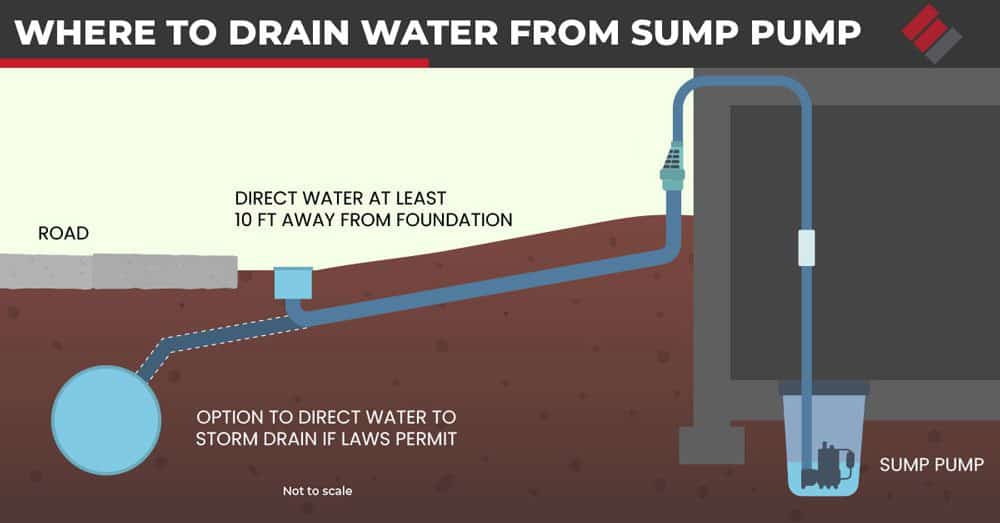
Credit: eppconcrete.com
Frequently Asked Questions
What Is Sump Pump Water And Can It Be Used For Lawns?
Sump pump water is the water collected from your basement or low areas. It is usually safe for watering lawns if no harmful chemicals are present. Using it helps save fresh water and reduces waste.
How Do I Check If Sump Pump Water Is Safe For My Lawn?
Look for any signs of oil, chemicals, or sewage in the water. Clear water without bad smells is usually safe. Testing the water can give extra peace of mind.
Can Sump Pump Water Harm My Grass Or Plants?
Clean sump pump water generally won’t harm your lawn or plants. Avoid using water with chemicals or heavy debris. Using it carefully ensures healthy grass growth.
What Equipment Do I Need To Use Sump Pump Water On Lawns?
A hose connected to the sump pump outlet works well. A simple filter can help remove dirt and debris. A timer can control watering time efficiently.
How Often Should I Water My Lawn With Sump Pump Water?
Water your lawn as often as usual, depending on weather and soil. Use sump pump water only when it’s available and clean. Avoid overwatering to keep grass healthy.
Can I Store Sump Pump Water For Later Lawn Use?
It’s best to use sump pump water immediately after pumping. Storing it can cause bacteria growth or bad odors. If needed, use a clean, covered container for short periods.
Are There Any Legal Rules About Using Sump Pump Water On Lawns?
Some local areas have rules about using sump pump water outdoors. Check with your local water authority before using it. Following local laws helps avoid fines or problems.
Conclusion
Using sump pump water can save your lawn water bills. It helps keep grass green and healthy. Always check the water for dirt before using it. Avoid using water with chemicals or sewage. Direct the water gently to avoid soil erosion.
Regular use can reduce water waste and help the environment. Start small and watch your lawn grow strong. Water smart, save money, and protect nature. Simple steps make a big difference in lawn care.