
When you need reliable power on the go, choosing the right power station matters. You want something that fits your lifestyle, delivers enough juice, and won’t let you down when it counts.
That’s where EcoFlow and Jackery come in—two big names in portable power solutions. But which one is the best for you? You’ll discover the key differences, pros, and cons of EcoFlow vs Jackery power stations. By the end, you’ll feel confident picking the perfect power companion for your adventures, emergencies, or everyday needs.
Keep reading—your next power boost is just ahead.
Brand Overview
Choosing the right power station depends a lot on the brand behind it. Ecoflow and Jackery are two popular names in portable power. Both brands offer reliable options for outdoor adventures and emergency use. Understanding their market presence and industry role helps buyers make better decisions.
Ecoflow’s Market Presence
Ecoflow entered the market with a focus on innovation and fast charging. The brand quickly gained attention for its high-capacity batteries and smart technology. It appeals to tech-savvy users and outdoor enthusiasts. Ecoflow has expanded its reach globally, selling products in many countries. The brand frequently updates its product line to keep up with new trends. It also offers strong customer support and warranties.
Jackery’s Industry Role
Jackery is one of the pioneers in portable power stations. It built its reputation on simplicity and reliability. The brand targets everyday users who need easy-to-use power solutions. Jackery products are known for their lightweight design and quiet operation. It has a large customer base in the United States and worldwide. The company focuses on solar-compatible power stations, making it popular among campers and travelers.
Design And Build
Design and build matter a lot in portable power stations. They affect how easy the units are to carry and how long they last. Both EcoFlow and Jackery focus on making strong and compact power stations. Their design choices suit different needs and uses.
Portability And Size
EcoFlow power stations tend to be compact and lightweight. They fit well in backpacks or small car trunks. The handles are sturdy and easy to grip. This makes moving them around simple.
Jackery models also focus on portability. They are slightly bigger but still easy to carry. Their boxy shape allows stacking and storing with other gear. The handles are wide and strong for comfortable lifting.
Durability And Materials
EcoFlow uses tough plastic cases that resist scratches and dents. The materials feel solid and well-made. They protect the internal parts from shocks and drops.
Jackery power stations have rugged exteriors too. Their plastic shells are thick and durable. They can handle rough outdoor use without damage. Both brands build to last through many trips and conditions.
Battery Capacity And Performance
Battery capacity and performance play a big role in choosing a power station. These factors affect how long the device can run and what it can power. EcoFlow and Jackery offer popular options for portable power. Understanding their battery specs helps pick the right one.
Power Output Options
EcoFlow power stations often provide higher wattage outputs. This means they can run larger devices or multiple items at once. Jackery models usually focus on steady, reliable power for smaller electronics. Both brands have outlets for AC, DC, and USB devices. Choose based on what you need to power most.
Battery Life And Recharge Speed
EcoFlow batteries tend to have larger capacity, lasting longer under heavy use. They also recharge faster, sometimes in under two hours. Jackery batteries may last less time but offer stable performance. Charging speed is slower but still efficient for overnight charges. Battery life and recharge time depend on model and usage.
Charging Features
Charging features are key for any power station. They affect how fast and easy you can power your devices. EcoFlow and Jackery offer strong options here. Both brands focus on flexibility and speed. This section breaks down their solar compatibility and charging ports.
Solar Compatibility
EcoFlow supports a wide range of solar panels. It allows you to charge with panels up to 400W. This means you can harness more sunlight for longer use. Jackery supports solar panels too but with lower wattage limits. Its maximum solar input is typically around 200W. EcoFlow’s higher limit suits users needing faster solar recharging. Both brands include MPPT technology to improve solar efficiency.
Charging Ports And Versatility
EcoFlow power stations come with multiple USB-C ports. These ports support fast charging for modern devices. There are also USB-A ports and AC outlets for varied needs. Jackery models provide USB-A, USB-C, and AC outlets too. However, EcoFlow usually has more ports overall. It also offers car charging options and DC ports. This variety helps charge several devices at once. Both brands support pass-through charging, letting you use power while charging the station.
User Interface And Controls
The user interface and controls of power stations affect how easily users operate them. Simple and clear controls save time and reduce confusion. Both EcoFlow and Jackery offer distinct designs and features to guide users effectively.
Display And Indicators
EcoFlow power stations have bright LCD screens. They show battery life, input/output power, and charging status clearly. The screen updates in real time, helping users track energy use easily.
Jackery models use a smaller screen with basic icons. It displays battery percentage and power output. Though less detailed, it provides essential information at a glance.
Ease Of Use
EcoFlow controls include buttons and a touch screen. This allows quick switching between functions. The layout is logical, making navigation smooth.
Jackery uses push buttons with simple labels. Users can operate the station without reading a manual. The controls feel straightforward and familiar.

Credit: www.nytimes.com
Safety And Protection
Safety is a key concern with portable power stations. Both EcoFlow and Jackery design their products to protect users and devices. Their power stations include features to avoid damage and accidents. This section covers how each brand handles safety and protection.
Overload And Short Circuit Prevention
EcoFlow power stations have built-in systems to stop overloads. These systems cut power if the device draws too much electricity. This prevents damage to the battery and connected devices. Jackery also includes overload protection. It shuts down the power station to avoid short circuits. Both brands focus on preventing electrical faults that could cause harm.
Temperature And Surge Protection
EcoFlow models monitor temperature to prevent overheating. If the battery gets too hot, the system reduces output or turns off. This helps keep the device safe during heavy use. Jackery power stations also feature temperature control. They protect against surges from unstable power sources. This keeps both the power station and your devices secure.
Price And Value
Price and value are key factors when choosing a portable power station. Both EcoFlow and Jackery offer reliable products. But their costs and the benefits you get vary. Knowing these differences helps you pick the best option for your needs and budget.
Cost Comparison
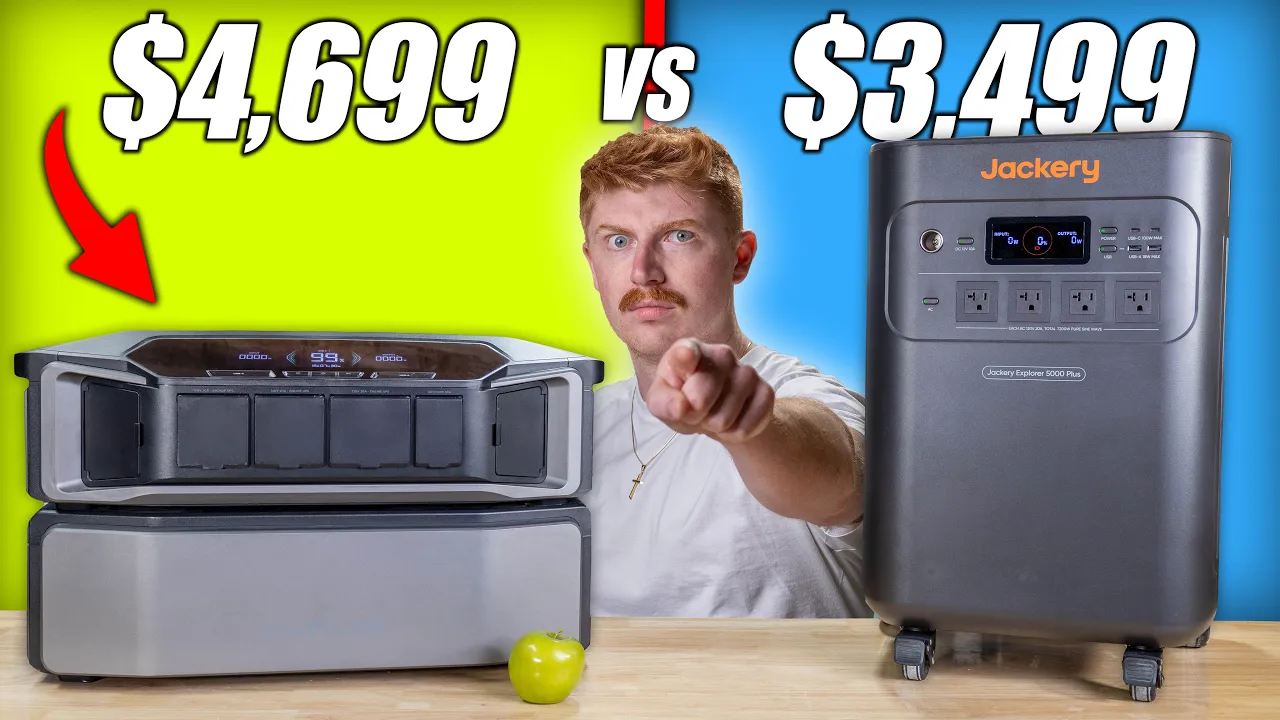
EcoFlow power stations tend to be priced higher than Jackery models. This is due to advanced features and faster charging. Jackery offers affordable options with solid basic functions. You pay less upfront but may get fewer extras. EcoFlow aims for more power and versatility. Jackery focuses on simplicity and ease of use. Your choice depends on what you want to spend and the features you need.
Warranty And Support
Both brands provide warranties covering defects and repairs. EcoFlow usually offers a 24-month warranty on most models. Jackery typically includes an 18-month warranty. Customer support is responsive for both companies. EcoFlow has strong online resources and quick replies. Jackery has a wide dealer network and helpful guides. Good warranty and support add value beyond the initial price.
Credit: www.thesolarlab.com
Real-world Performance
Real-world performance shows how well EcoFlow and Jackery power stations work outside test labs. It focuses on actual use cases. This helps users decide which device fits their needs. Two main areas to explore are outdoor and camping use and emergency backup power.
Outdoor And Camping Use
EcoFlow and Jackery power stations provide reliable energy for outdoor activities. They power lights, phones, and small appliances. Both brands offer portable designs that are easy to carry. EcoFlow models usually recharge faster under sunlight. Jackery units tend to last longer on a full charge. Noise levels are low for both, making them good for quiet campsites. Overall, they keep essential gear running smoothly outdoors.
Emergency And Backup Power
During power outages, these power stations become lifesavers. They run medical devices, charge phones, and power small refrigerators. EcoFlow’s fast recharge time means less waiting during emergencies. Jackery offers stable power output for longer periods. Both brands have surge protection for sensitive electronics. Their reliable performance provides peace of mind in urgent situations. Users can count on them for quick and steady backup power.
Final Recommendations
Choosing between EcoFlow and Jackery power stations depends on your unique needs. Each brand offers strengths that suit different users. This final section helps you decide based on key factors like portability, power, and overall value.
Best For Portability
Jackery power stations are lighter and easier to carry. Their compact design fits well in small spaces. Ideal for camping or short trips where weight matters. Easy to pack and move around without hassle.
Best For Power Needs
EcoFlow models offer higher power output and faster charging. Suitable for those needing to run bigger devices or multiple gadgets. Great for longer trips or emergency backup at home. Reliable for users who require more energy on the go.
Best Overall Choice
EcoFlow stands out for combining power and smart features. Its fast charging and multiple ports make it versatile. Perfect for users who want a balance of power and convenience. A solid choice for most outdoor and home use cases.
Credit: poweroutage.us
Frequently Asked Questions
What Are The Main Differences Between Ecoflow And Jackery?
EcoFlow power stations usually offer faster charging and higher wattage. Jackery models tend to be lighter and simpler to use. Both brands focus on portable power but suit different needs.
Which Power Station Lasts Longer On A Single Charge?
Jackery power stations often have longer battery life for continuous use. EcoFlow models may drain faster but recharge more quickly. Battery life depends on the device’s capacity and usage.
Can Ecoflow And Jackery Power Stations Charge Devices Quickly?
EcoFlow supports fast charging with advanced technology for some devices. Jackery offers reliable charging but at a slower pace. The speed depends on the model and connected devices.
Are Ecoflow And Jackery Suitable For Outdoor Activities?
Both are designed to be portable and durable for outdoor use. Jackery’s lighter weight makes it easier for hiking or camping. EcoFlow’s power and charging speed help in longer trips.
How Do Ecoflow And Jackery Compare In Price?
Jackery power stations usually cost less and fit smaller budgets. EcoFlow models may be pricier due to added features and power. Prices vary based on capacity and extras.
Can I Use Solar Panels With Ecoflow Or Jackery?
Yes, both brands support solar panel charging for eco-friendly power. EcoFlow offers faster solar input and more panel compatibility. Jackery works well with its own solar kits.
Which Brand Offers Better Customer Support And Warranty?
Both EcoFlow and Jackery provide solid customer support and warranty coverage. Warranty terms can differ, so check specifics before buying. Customer reviews suggest good service from both companies.
Conclusion
Both EcoFlow and Jackery power stations offer solid options for portable energy. Each brand has strengths in battery life, charging speed, and size. Your choice depends on what fits your needs and budget best. Think about how often you’ll use it and where you will carry it.
Both provide reliable power for outdoor trips or emergencies. Either way, you gain freedom from traditional power sources. Choose wisely, and you will stay powered up when it matters most.