
Protecting nightstand top surfaces comes down to adding a physical barrier like custom tempered glass, clear vinyl film, or micro-dot silicone mats over a clean finish. This project takes about 30 to 45 minutes of active time, costs very little for simple pads or film, and ranks as easy to medium. You’ll need a clean, stable surface before you start. Check the manufacturer’s care tag inside the drawer for any wood coating limits.
Supplies to protect your nightstand
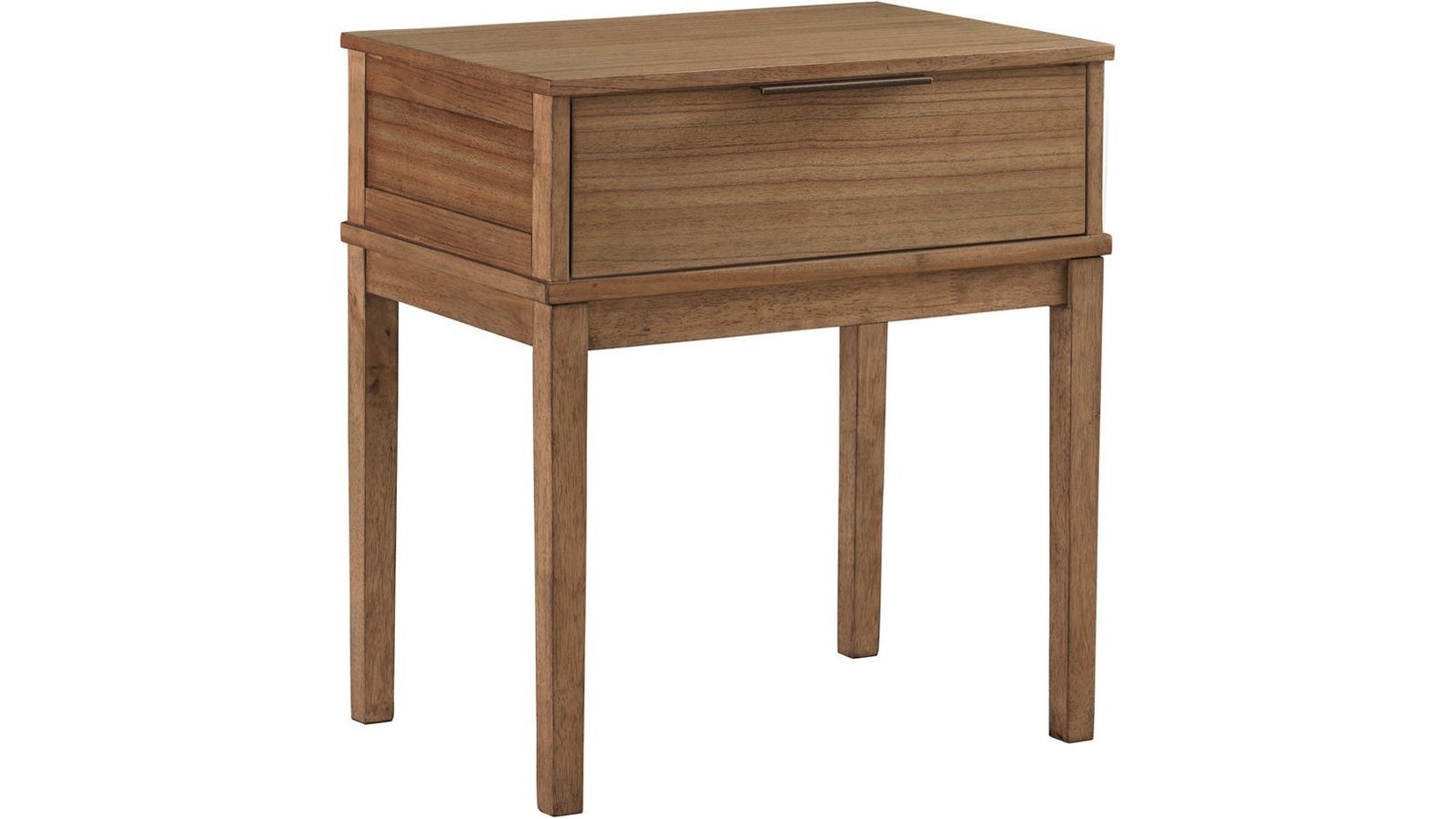 Photo: www.ellerandowensfurniture.com on Google
| Item | How much | Why it’s needed | A substitute |
|---|---|---|---|
| Microfiber cloths | 2 cloths | Lifts fine dust without scratching | Soft cotton rag |
| Mild dish soap | 2 drops in water | Cleans grease and skin oils | Wood cleaner spray |
| Clear surface film | 1 roll or sheet | Shields wood against moisture | Custom cut glass |
| Measuring tape | 1 standard tape | Checks precise top dimensions | Rigid metal ruler |
| Rubber bumper dots | 4 to 6 pads | Stops glass from sliding | Clear felt pads |
| Plastic scraper tool | 1 small blade | Smooths air bubbles from film | Rigid plastic card |
Before you start
- Unplug your bedside lamp, phone chargers, and alarm clock, then set them aside.
- Empty the top drawer completely so items don’t shift or bump the frame while you work.
- Wipe dry any water cups, lotion bottles, or humidifiers before setting them on the floor.
- Move the nightstand 6 inches away from the wall to give your hands working room.
- Check the finish type first; if the piece has an antique, flaky shellac finish, stop here and consult a professional furniture restorer to prevent stripping the historic color.
Step by step
 Photo: www.etsy.com on Google
- Mix two drops of dish soap into two cups of warm water in a bowl.
- Dampen your first microfiber cloth in the water mix, then wring it out until it doesn’t drip at all.
- Wipe the top surface following the wood grain, removing all oily fingerprints and sticky residue within 2 minutes.
- Dry the entire top immediately using the dry microfiber cloth, ensuring no moisture spots linger along the edges.
- Measure the length and width of the tabletop with your tape measure to within 1/16 of an inch.
- Cut your protective film sheet to match your measured dimensions using sharp household scissors.
- Peel back 2 inches of the film’s backing paper along one straight side to expose the adhesive surface.
- Align that edge along the back of the tabletop, pressing it down firmly with your fingertips.
- Press the rest of the film down slowly across the table, smoothing outward with your plastic scraper card for 3 minutes.
How to know it worked
Look across the nightstand at eye level against a warm light. A successful installation shows a smooth, flat surface with zero trapped dust motes, raised creases, or milky air pockets. If you chose a rigid glass topper instead of film, press down gently on each corner. The glass shouldn’t wobble or rock. If you hear a clacking noise, your bumper dots aren’t level. If you place a cold, sweating water glass on the new cover, moisture beads on top of the barrier rather than soaking into the grain. As noted in the Forest Products Laboratory wood handbook, wood readily absorbs moisture and changes shape, which causes finish cracks; a properly placed top barrier keeps that humidity away from the wood.
If something goes wrong
| What happened | Why | What to do |
|---|---|---|
| Large bubble in film | Trapped air during placement | Lift edge, re-smooth with card |
| Glass topper slides | Missing bumper pads | Add silicone dots to corners |
| Cloudy look on wood | Moisture trapped under film | Remove film, dry 24 hours |
| Edges peel up | Dust on surface edge | Trim edge, clean with alcohol |
| Film won’t stick | Waxy polish residue present | Clean with mild wood wash |
How often to do this
 Photo: alwaysdiscreet.com on Google
Inspect the protective barrier regularly to ensure water hasn’t worked its way underneath the edges. Clear vinyl films last about 2 to 3 years before UV light and friction turn them hazy or scuffed, while glass toppers last indefinitely if you don’t chip them. Two factors change this timeline faster: direct sunlight from a nearby bedroom window and daily spills from cold drinking glasses. If direct sun hits your nightstand daily, plan to replace film every 12 to 18 months. If liquid spills sit against an open film seam, peel the cover off right away to inspect the underlying clear coat.
Frequently asked questions
Can hot coffee mugs damage the nightstand top?
Yes, high heat can cloud or soften your clear lacquer finish. This heat damage creates stubborn white rings in the coating. If you drink hot tea or coffee in bed, place a thick cork or wool coaster on top of your barrier, because thin plastic film won’t block thermal damage.
Will peel-and-stick film ruin natural wood finishes?
No, removable vinyl film won’t pull the finish off sound, factory-sealed wood. However, if your nightstand has loose, peeling lacquer, the adhesive can lift those loose flakes away. Test a 1-inch square of film on an inside drawer lip first to verify the adhesive peels away cleanly.
What happens if water gets trapped under glass?
Trapped moisture turns wood finishes milky white and grows mold within 48 hours. If water slips beneath the glass, remove the topper right away. Dry both surfaces thoroughly with a towel and wait 12 hours before replacing the glass so all hidden dampness evaporates completely.
Does placing rubber bumpers leave permanent marks?
Yes, certain cheap vinyl bumpers can react with nitrocellulose lacquer finishes over time. This chemical reaction leaves small, cloudy dents in the wood. To avoid this trade-off, buy pure silicone dots or thin felt pads, which don’t leach plasticizers into the furniture finish.
Is glass better than clear vinyl film?
About 1/4-inch tempered glass provides far better impact protection, but it costs noticeably more. If you frequently drop heavy items like metal water bottles or tablets, choose glass; if you want an invisible, budget-friendly shield against simple water drips, stick with thin vinyl film.
Who is this protective cover not for?
This DIY method isn’t for owners of high-value antique furniture featuring raw wax, milk paint, or damaged veneer. Applying plastic adhesives or heavy glass directly over delicate antiques can trap humidity, crush loose veneer, and permanently ruin the historical value of the piece.
Does nightstand top protection vary by model?
Yes, this varies by model — check the label or manufacturer guide for finish specifications. Some modern nightstands use melamine or stone tops that don’t need film at all, while soft pine or walnut pieces require immediate protection from daily scuffs and spills.
Related guides