
It can be incredibly unsettling to hear your kitchen appliance making a rhythmic, repetitive sound. If you find your oven making a clicking noise, it’s usually a sign that an internal component is struggling to complete a task, such as igniting the burner or maintaining a specific temperature. While some of these sounds are normal parts of the heating cycle, others indicate a mechanical failure that requires immediate attention to ensure your kitchen remains a safe environment.
Key Takeaways
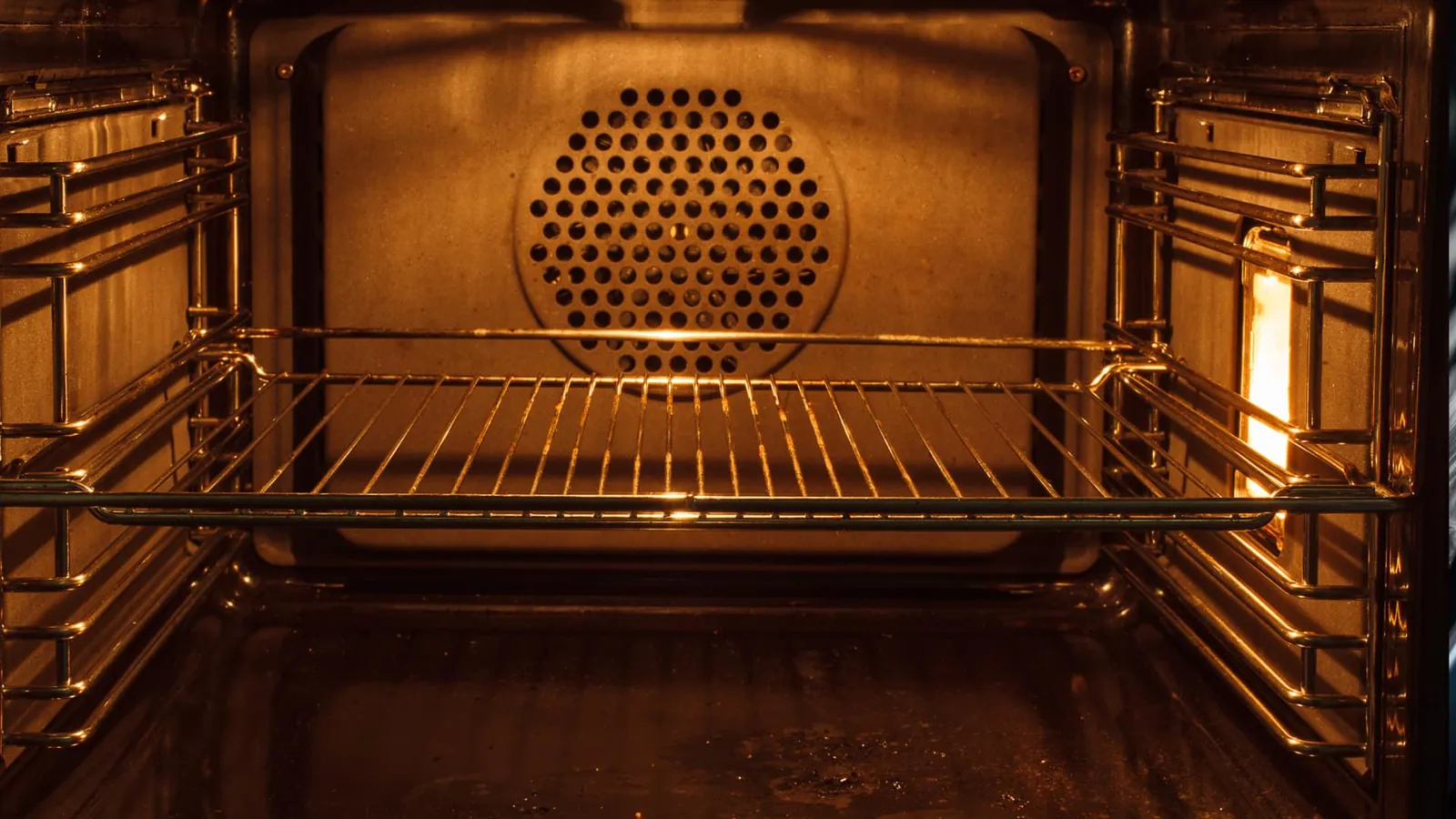
- A clicking sound is often the result of a malfunctioning spark electrode or a faulty gas igniter.
- Check if the noise persists when the oven is off, as this could indicate a faulty control board.
- Listen for the difference between a rapid, repetitive click and a single, metallic “pop” during the cooling phase.
- Always disconnect the power supply or turn off the gas valve before attempting any internal inspection.
- Consult your appliance manual to identify specific error codes that might accompany the noise.
Why Is My Oven Clicking?
When you notice an oven making a clicking noise, the primary culprit is often the ignition system. In gas ovens, the igniter is designed to glow hot enough to open the gas valve and light the burner. If the igniter is weak or failing, it may cycle on and off repeatedly, resulting in a persistent clicking sound. This is a common safety mechanism designed to prevent gas from building up in the chamber without ignition.
Another frequent cause involves the thermal expansion of internal components. As the metal walls of the oven cavity heat up or cool down, they expand and contract. This process can produce a metallic clicking or popping sound, which is generally considered a normal characteristic of the appliance rather than a defect. However, if the noise is loud or sounds like a rapid-fire spark, you should investigate the internal electrical components or the control board.
Troubleshooting an Oven Making a Clicking Noise
The ignition system is the most complex part of a gas range. When the igniter fails to reach the required resistance, the control board will continue to send power to it, causing a rapid clicking sound. This is your oven’s way of attempting to light the gas repeatedly.
Common Ignition Issues
- Dirty Igniter: Food debris or grease buildup can interfere with the spark.
- Worn Igniter: Over time, the heating element inside the igniter degrades.
- Loose Connections: Wiring between the igniter and the control board may have vibrated loose.
- Faulty Spark Module: The electronic component that sends the pulse to the igniter may be malfunctioning.
Warning: Always ensure the oven is completely cool and the gas supply is shut off at the main valve before you begin any inspection of the burner assembly or ignition components.
Is It the Control Board?
If your oven is electric and makes a clicking noise, the issue is often located within the electronic control board. This board acts as the brain of the appliance, operating the relays that switch the heating elements on and off. If a relay is failing, it may click repeatedly as it struggles to maintain a steady connection.
| Component | Potential Issue | Sound Description |
|---|---|---|
| Igniter | Weak resistance | Rapid, rhythmic clicking |
| Relay Board | Failed contact | Random, sharp clicking |
| Oven Walls | Thermal expansion | Occasional metallic popping |
| Fan Motor | Bearing wear | Consistent, grinding click |
If the clicking continues even when the oven is turned off, this is a strong indicator of a stuck relay on the control board. In such cases, the board may need to be replaced by a professional technician to prevent the heating elements from becoming a fire hazard.
Dealing with Convection Fans
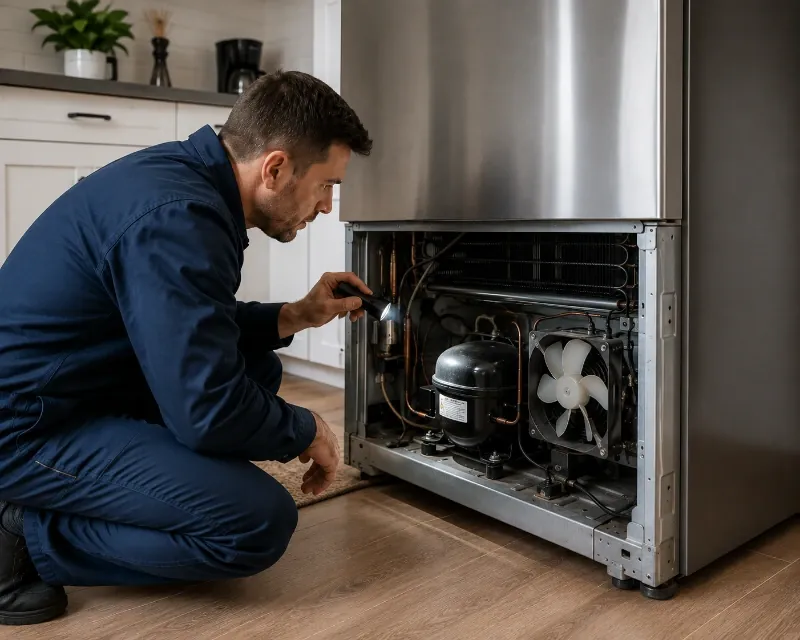
Many modern ovens feature convection fans that circulate hot air for even cooking. If you hear a clicking sound while the convection setting is active, the fan motor or the fan blade might be obstructed.
Fan Noise Checklist
- Debris: Check for loose foil or food particles trapped near the fan housing.
- Worn Bearings: A failing motor bearing will often produce a rhythmic click that speeds up as the fan gains momentum.
- Bent Blades: If the fan blade is slightly bent, it may strike the oven wall or the protective grate with every rotation.
Pro Tip: If the clicking noise stops immediately when you turn off the convection fan setting, you have successfully isolated the problem to the fan assembly rather than the heating element or the gas system.
Safety and Maintenance Protocols
Safety is the highest priority when dealing with any appliance that utilizes gas or high-voltage electricity.
Regular maintenance, such as wiping down the igniter area with a dry cloth and ensuring that vent holes remain unobstructed, can prevent many of the clicking issues associated with debris. If you’re uncomfortable working with electrical wiring or gas lines, don’t hesitate to contact a certified service professional. Attempting to repair a gas leak or a high-voltage circuit without proper training can result in serious injury or property damage.
Costs of Professional Repairs
If you determine that the issue requires a professional, you should be prepared for the associated costs. These figures represent the typical range for residential appliance repair services in the United States.
| Service Type | Estimated Cost Range (USD) |
|---|---|
| Diagnostic Service Call | $75 – $150 |
| Igniter Replacement | $150 – $300 |
| Control Board Repair | $300 – $600 |
| Fan Motor Replacement | $200 – $450 |
These ranges include both the cost of the replacement parts and the labor provided by a licensed technician. Always request a written estimate before authorizing any major repairs to ensure that the total price remains within your expected budget.
Identifying Normal vs Abnormal Sounds
Not every sound is a cause for alarm. It’s helpful to categorize the noises you hear to determine if you need to call a repair service.
- Normal Sounds:
- Low-frequency hum of the convection fan motor.
- Occasional “ping” or “pop” as the oven cavity cools down after use.
- Single click when the oven reaches the set temperature.
- Abnormal Sounds:
- Constant, rapid-fire clicking while the oven is preheating.
- Clicking that persists long after the oven has been turned off.
- A grinding or scraping noise accompanied by clicking.
If the sound is persistent and doesn’t stop once the oven reaches temperature, it’s likely a mechanical or electrical failure that won’t resolve itself through continued use.
How to Inspect the Igniter
If you have a gas oven, the igniter is usually located near the burner tube at the bottom of the oven. To inspect it, you may need to remove the oven floor panel.
- Safety First: Disconnect the oven from the power supply and turn off the gas.
- Access: Remove the oven racks and unscrew the bottom floor panel to reveal the burner.
- Visual Check: Look for signs of cracks, white powder, or broken elements on the igniter.
- Testing: If you have a multimeter, you can test the igniter for continuity. A healthy igniter should have a specific resistance reading, while a failed one will show an open circuit.
If the igniter looks damaged, it’s almost certainly the source of the noise and should be replaced with a manufacturer-approved part.
When to Call a Professional
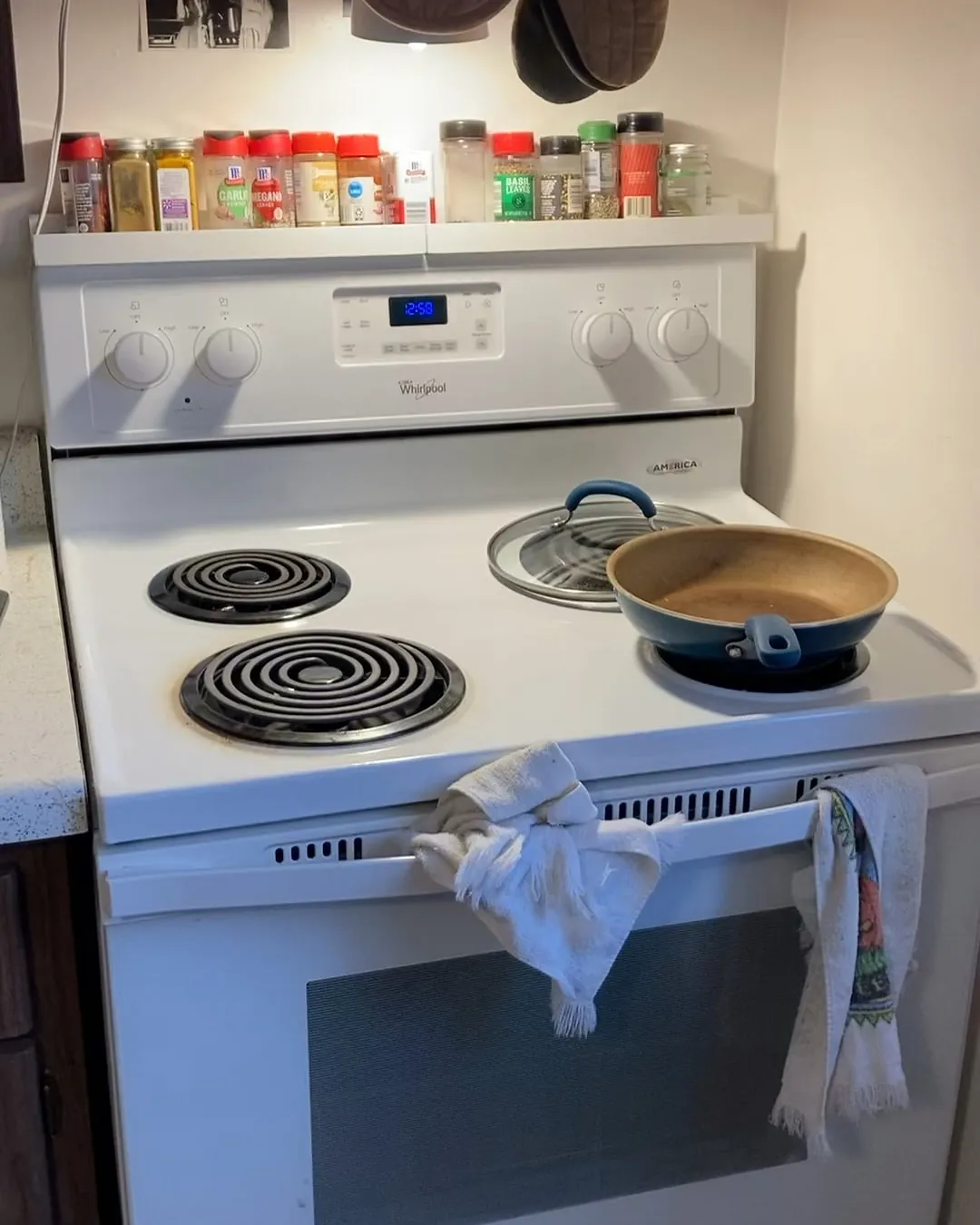
There are several scenarios where DIY repair isn’t advisable. If you smell gas, immediately turn off the main gas supply, open your windows, and exit the building. Don’t attempt to troubleshoot the ignition system if you detect a gas odor, as this indicates a potentially dangerous leak that requires an immediate professional response.
Additionally, if your oven is still under the manufacturer’s warranty, attempting to repair it yourself may void that warranty. Always check your purchase documentation or contact the manufacturer to see if the repair is covered. Many brands, such as GE, Whirlpool, or Bosch, have dedicated support lines to help you identify whether a clicking noise is a covered defect.
Frequently Asked Questions
Is it safe to use the oven if it’s clicking?
It depends on the source of the noise. If the clicking is caused by the igniter struggling to light the gas, you risk an accumulation of unburnt gas, which is dangerous. If the clicking is simply thermal expansion, it’s likely harmless. However, if you’re unsure, it’s safest to stop using the oven until the cause has been identified and properly addressed by a qualified professional.
Can a clicking oven cause a fire?
Yes, in some instances. If a faulty relay on the control board causes the heating element to stay energized constantly, the oven may overheat, creating a significant fire risk. Similarly, a malfunctioning gas igniter that fails to light the burner can lead to a buildup of gas in the oven cavity. Never ignore persistent clicking, as it often signals a failing electrical or gas-related component.
Does a clicking noise always mean the igniter is broken?
No, it does not. While the igniter is a common culprit, the noise could also stem from a malfunctioning spark module, a faulty control board relay, or even debris caught in a convection fan. You must isolate the sound to determine the specific part responsible. Observing when the clicking happens—during preheating, while the fan is running, or while the oven is off—is critical for accurate diagnosis.
How do I stop my oven from making popping sounds?
Popping sounds are usually caused by thermal expansion, which is the metal walls of the oven reacting to temperature changes. There’s no “fix” for this as it’s a natural physical reaction. However, if the popping is excessively loud or frequent, ensure that your oven is installed level and that the mounting screws are tightened, as loose panels can amplify the sound of the metal shifting during the heating cycle.
Can I replace the igniter myself?
Yes, replacing an oven igniter is a common DIY task for those with basic mechanical skills. You’ll need a screwdriver and a replacement part compatible with your specific oven model. Always ensure the oven is unplugged and the gas is turned off before starting. If you aren’t confident in your ability to safely disconnect and reconnect the electrical wiring, it’s better to hire a professional technician.
Conclusion
Dealing with an appliance that behaves unexpectedly can be stressful, but understanding the root cause of the noise is the first step toward a resolution. Whether the issue is a simple case of thermal expansion or a more complex ignition failure, taking the time to observe the pattern of the clicking will help you decide if a simple cleaning is enough or if you need to call a technician.
If you decide to proceed with a repair, always prioritize your safety by disconnecting the power and gas. If you remain uncertain about the source of the sound, contact the manufacturer’s customer service department to discuss your specific model’s operation.
