
Reducing heat in chair setups comes down to breaking the thermal seal between your skin and dense seat foam by adding breathable airflow layers. When your body presses flat against a non-porous material, body warmth and sweat get trapped against the surface. Adding a porous barrier lets moving room air carry heat away continuously.
Parts of the chair that reduce heat
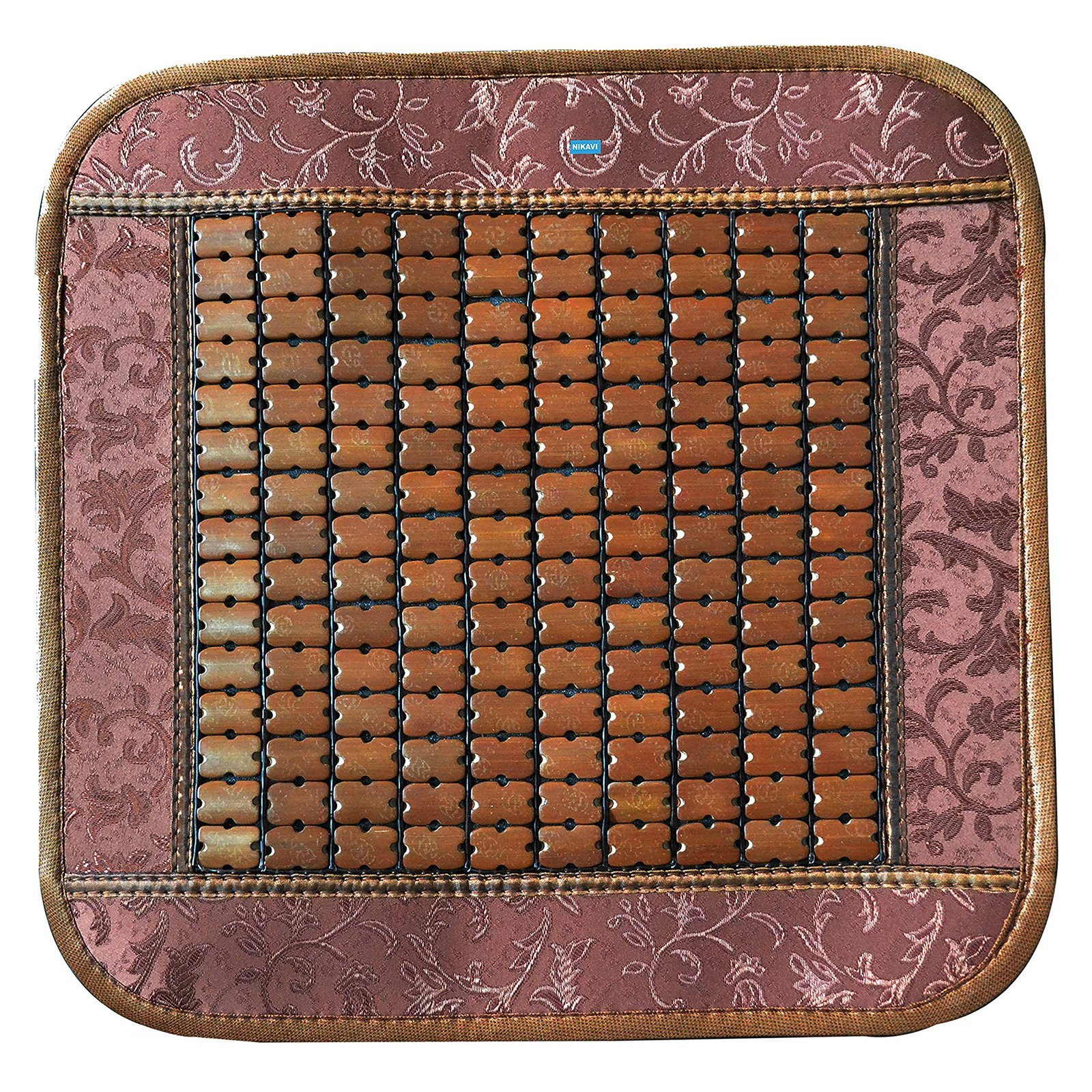 Photo: www.amazon.in on Google
| Part or input | What it does | What you notice when it goes wrong |
|---|---|---|
| Upholstery cover | Direct contact layer that touches clothes | Traps sweat and feels clammy |
| Seat core foam | Supports weight and absorbs core heat | Holds heat for hours after use |
| Air circulation | Sweeps warm, moist air outward | Sitting area stays hot and stuffy |
| Clothing fabric | Transfers moisture away from skin | Traps body dampness against chair |
| Chair base structure | Provides elevation and open vent space | Blocks air underneath solid seat pans |
What happens, step by step
- Place an open-cell honeycomb gel pad or woven mesh topper directly over the existing seat cushion, which creates an immediate 1-inch physical gap between your body and the dense, heat-trapping foam below.
- Position a small desk fan at waist level roughly 3 feet away from your desk, aiming the airflow directly across the open mesh gap to maintain steady cross-ventilation.
- Sit upright with your back resting against the lumbar support, which prevents your torso from slouching flat against the chair back and reduces the total body surface contact by about 30 percent.
- Work for 45 to 50 minutes at a time before rising, because dense polyurethane seat padding begins saturating with trapped body heat after roughly 40 continuous minutes of seated pressure.
- Stand up and step away from the desk for at least 3 minutes, allowing trapped heat to dissipate completely into the cooler ambient room air before you sit back down.
- Wipe down vinyl or leather chair panels with a dry microfiber cloth midway through the workday to clear away condensed surface moisture that accelerates the feeling of sticky warmth.
Why this matters when something goes wrong
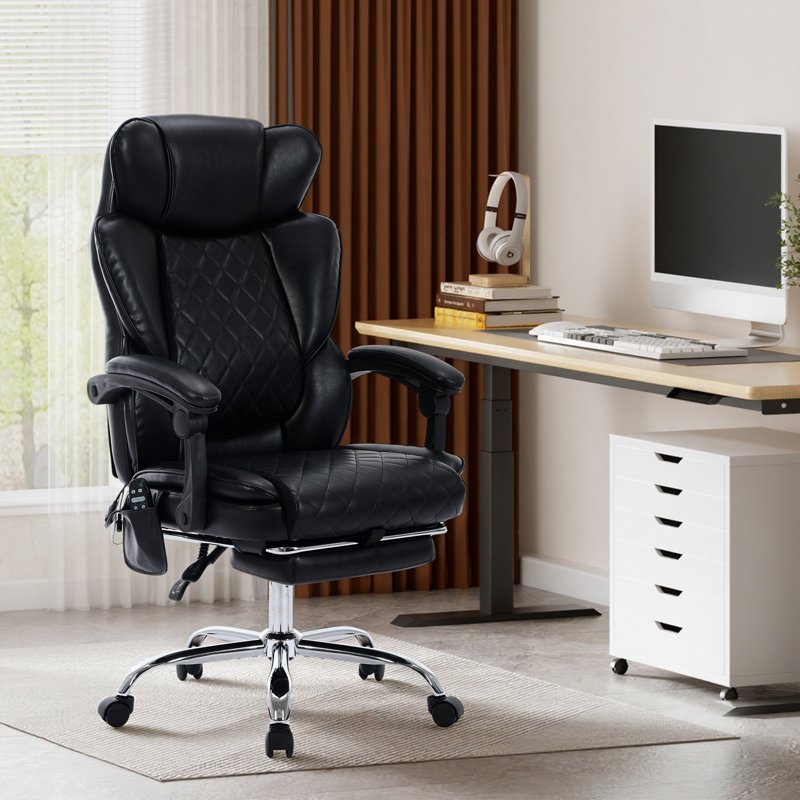 Photo: www.wayfair.com on Google
A hot seat is almost always caused by trapped moisture rather than room temperature alone. Standard polyurethane padding acts like thermal insulation: it absorbs your body warmth until it reaches skin temperature, but it offers zero pathways for that energy to escape. If the air in the room is cool but your seat still feels like an oven, your upholstery is acting as an airtight barrier.
People often make the mistake of buying thick, soft fleece covers to make a hard chair more comfortable, but this mistake costs them significant airflow and creates unbearable sweating within twenty minutes. If your seat is made of real or faux leather, you get no natural vapor transfer. A fabric mesh chair avoids this because its open weave lets body moisture evaporate directly into ambient room air. If you feel heat building up along your lower thighs, your seat pan foam is likely too dense, whereas heat along your spine means your backrest lacks ventilation.
What you can change, and what you cannot
What you can control
- Layer an open-weave linen cover or breathable gel cushion over dense vinyl seats.
- Wear loose, natural-fiber clothing like lightweight cotton rather than synthetic polyester pants.
- Aim a small secondary fan specifically at the lower half of your desk frame.
- Stand up for a two-minute break every hour to dump stored cushion heat.
What is fixed by design
- The density and internal composition of molded polyurethane factory foam cushions.
- The breathability of sealed vinyl, bonded leather, or treated synthetic backings.
- The presence of solid plastic outer backing shells that block directional room airflow.
This varies by model — check the label on your chair base for exact material listings, and don’t attempt to cut, drill, or modify factory gas cylinders or internal seat pan frames yourself.
Getting more out of it
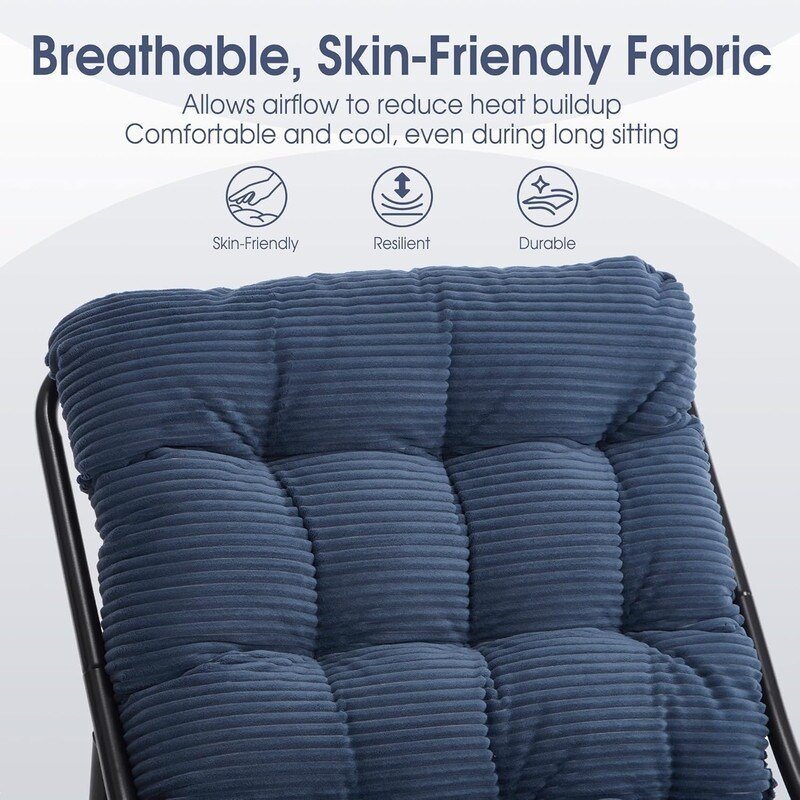 Photo: www.overstock.com on Google
If your seat feels hot within 10 minutes, install a ventilated topper immediately; if heat builds up only after an hour, simple scheduled standing breaks are enough. Adding a breathable seat pad does introduce a clear trade-off: you get far better cooling airflow, but you slightly alter the factory seat height and lumbar alignment. This setup isn’t for people using specialized orthopedic coccyx cutouts that must rest flat on bare factory seats. To keep cooling cushions working well, vacuum the open mesh grid regularly to remove lint and dust that restrict room ventilation. Adjust your chair cylinder downward by roughly 1 inch after adding a cooling pad to maintain correct 90-degree knee angles.
Frequently asked questions
Can a cooling gel cushion stop a chair from getting hot?
Yes, but only for about 30 to 45 minutes of continuous use. Gel pads absorb heat quickly at first, but once they match your body temperature, they need moving air or open honeycomb pockets to release that heat back into the room.
Why does my leather office chair make me sweat so fast?
No air can pass through solid leather or synthetic vinyl sheets. Your body naturally releases heat and microscopic water vapor constantly, and because sealed upholstery can’t absorb or vent moisture, sweat collects directly against your clothing and traps your body warmth.
How long does a foam seat cushion hold onto heat?
About 15 to 20 minutes after you stand up. Dense polyurethane foam acts as an insulator, so unless cool room air actively blows across the seat surface, the foam retains trapped thermal energy long after you leave the desk.
Is it safe to put ice packs on an office chair?
No, because rapid condensation from melting ice packs will soak deep into the seat foam. Moisture ruins internal foam padding, creates mildew, and can damage electrical components or internal structural wood inside the seat base over time.
Does a mesh chair completely solve heat problems?
Yes, for most users in standard office environments. Mesh allows air to circulate freely behind your back and under your thighs, preventing heat traps, though people with poor circulation may actually find unheated mesh seats too chilly in winter rooms.
What happens if I put a towel over my hot chair?
A thin cotton towel absorbs surface sweat, but it won’t lower the temperature. The towel acts as an extra layer of fabric insulation, which can actually cause the foam core underneath to trap heat faster during long work sessions.