
To solve how to get rid of mice in sofa cavities, seal the entry points with steel wool and set snap traps directly beneath the frame. The single most common cause is food crumbs slipping between cushions, paired with dark, hollow wooden frames that offer rodents ideal nesting material.
Why mice get inside your sofa
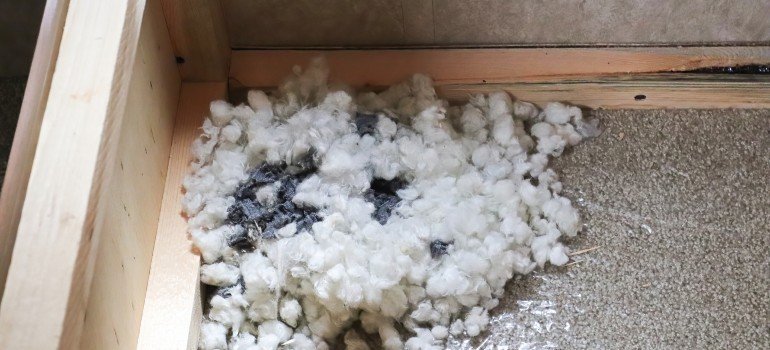 Photo: www.fantasticpestcontrol.co.uk on Google
Mice target sofas because the internal frame provides quiet shelter, shredded batting for nests, and warmth away from foot traffic. Food crumbs trapped deep in cushion seams supply an easy, daily meal. A mouse can squeeze through any gap measuring just one-quarter of an inch, meaning the unsealed dust cover underneath the furniture offers no real defense once pests enter the living room.
Trap the mice under the furniture
If you hear scratching inside the cushions, set snap traps on the floor directly beneath the furniture frame. This fix works for active pests living inside the furniture right now. Bait 4 to 6 wooden snap traps with a pea-sized dab of peanut butter—too much bait lets rodents lick it off without triggering the spring. Place the trigger ends flush against the baseboards or touching the inner wooden legs where rodents run. You’ll know it worked when the traps snap and the scratching sounds stop within 48 hours. This method isn’t for outdoor furniture exposed to rain, and you must place traps out of reach if small children or dogs roam the room.
Strip and vacuum the internal frame
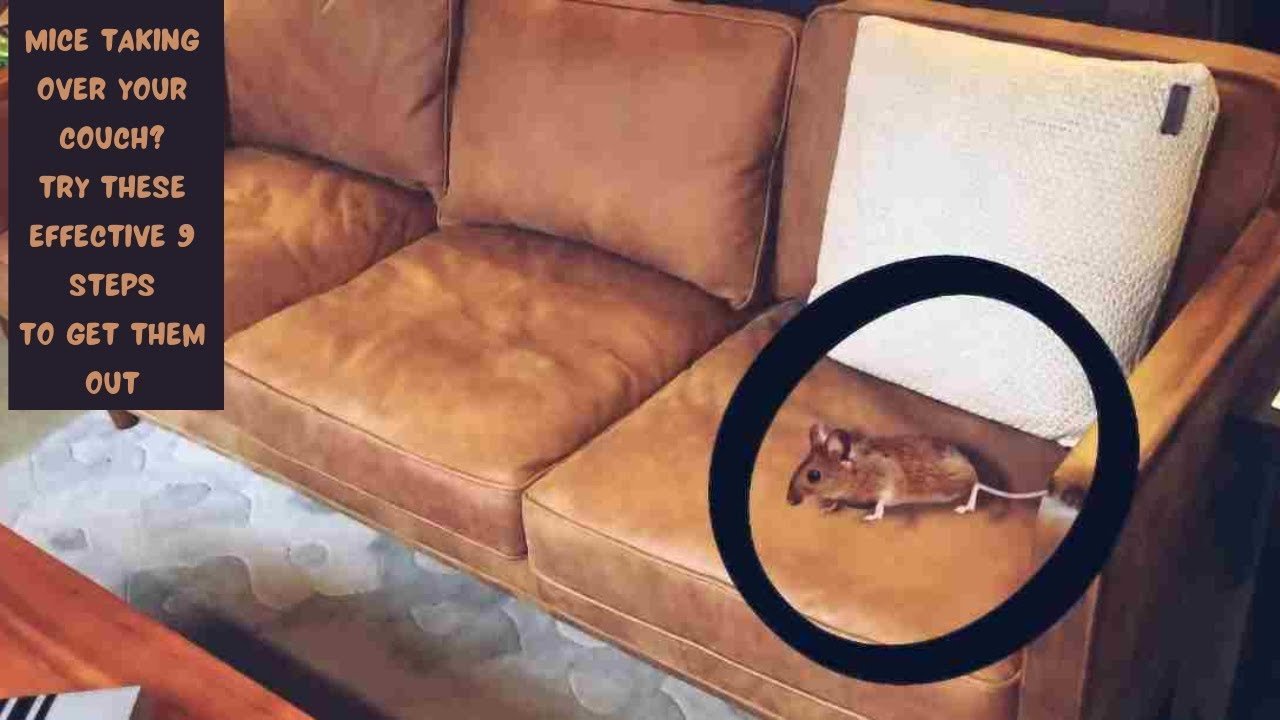 Photo: www.youtube.com on Google
Flip the sofa over to remove the bottom dust cover completely using a staple remover or flat screwdriver. Pull out soiled batting and vacuum all droppings, loose fluff, and food scraps with a hose attachment. The trade-off is the extra labor required to re-staple a new fabric backing later, but leaving ruined insulation inside leaves potent pheromone trails. When cleaning rodent mess, never sweep dry droppings into the air. Instead, follow the CDC guidance on cleaning rodent infestations by wetting contaminated materials with a disinfectant spray before wiping them up.
Seal couch entries and room perimeters
Push medium-grade steel wool into all gaps around the sofa legs and any holes in the subframe, securing it with heavy-duty wire mesh and wood staples. Follow up by inspecting baseboards, wall vents, and pipe gaps within the same room. Mice chew through foam, plastic, and cardboard, but steel wool stops their teeth cold. A common mistake people actually make is stuffing gaps with paper towels or foam sealant alone; rodents chew through it by the next morning, costing you repeat cleanup time and wasted materials. This harder repair is worth the effort on high-end upholstery, but if the wood frame has heavy gnawing damage or saturated urine odors, discard the couch entirely.
What not to do
- Don’t place poison bait blocks inside the sofa cavities, because dying rodents crawl deep into the internal batting, rot, and leave terrible odors that last for weeks.
- Don’t rely on ultrasonic sound repellents, since real-world mice quickly adapt to the noise and won’t abandon established nesting spots.
- Don’t spray essential oils like peppermint on the fabric, as the scent fades within hours and never penetrates the deep frame where nests sit.
- Don’t use sticky glue boards without checking them hourly, because trapped rodents suffer needlessly and can rip their skin trying to escape.
How to stop it happening again
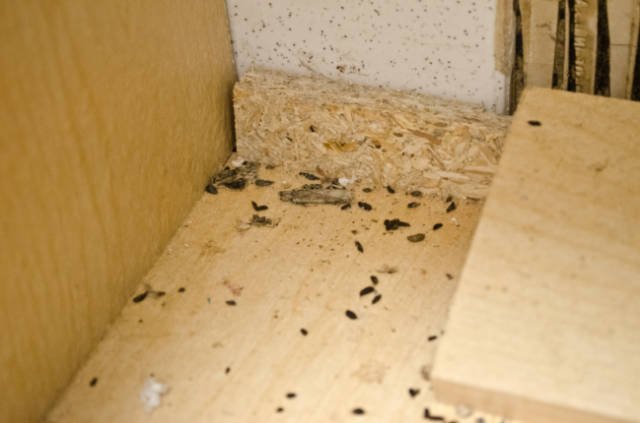 Photo: www.pestcontrolwhitby.ca on Google
Stop pests from returning by eliminating access to food and shelter around your seating areas.
| If you’re doing this | Do this instead | Why |
|---|---|---|
| Eating snacks on cushions | Eat meals at the dining table | Stray crumbs fall into seams and feed pests |
| Leaving a torn bottom dust cover | Staple a heavy fabric screen under the frame | Openings invite rodents to climb inside |
| Keeping pet bowls near the couch | Move feeding bowls away after mealtime | Unattended dry kibble provides a reliable food supply |
| Pushing furniture flat against baseboards | Keep a 3-inch gap between walls and sofa | Mice use tight wall runways for cover |
| Vacuuming only the cushion surfaces | Pull cushions off and vacuum seams weekly | Deep seams collect food dust invisible from above |
Frequently asked questions
Can mice live inside sofa cushions?
Yes, mice frequently hollow out foam and cotton batting inside cushions to build hidden nests. They chew through fabric backing from underneath the couch frame to reach the interior filling without being seen.
How long does it take to trap couch mice?
Trapping usually takes 2 to 4 days if you place multiple snap traps directly against the baseboards and couch legs. If you catch nothing within 48 hours, switch the bait or move the traps closer to droppings.
Is it safe to keep a sofa after mice nest in it?
Yes, if urine and droppings haven’t soaked through the main structural cushions. Replace the underside dust cover, discard damaged batting, and wash the outer covers in hot water to sanitize the fabric safely.
Why do mice chew on sofa wood and fabric?
Mice chew constantly because their front incisors never stop growing throughout their lives. Gnawing on solid wood frames, springs, and stiff fabrics grinds down their teeth while shredding soft fibers for nest insulation.
What happens if a mouse dies inside a sofa?
A strong, foul odor will fill the entire room within two to three days and can linger for over a month. Flies and carpet beetles will also gather around the furniture to feed on the remains.
How small of a hole can a mouse enter?
A house mouse can squeeze through any opening that measures one-quarter of an inch wide. This is roughly the diameter of an ordinary pencil, meaning minor tears in furniture fabric are large enough for entry.