
Electric power moves from large generators to your home by using high-voltage transmission lines to carry electricity over long distances, which minimizes energy loss. This system acts like a massive highway for power, moving electricity from plants to local networks. By maintaining high voltage, the grid keeps current levels low to prevent wires from overheating during the journey across regions.
Parts of the power delivery system
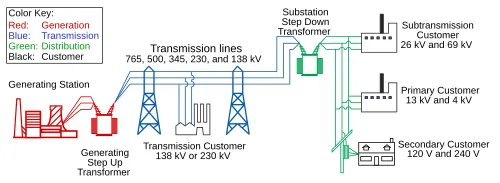
The grid relies on specific equipment to change voltage levels and move power safely. If you look at your local utility infrastructure, you’ll see many of these components working together. For details on how these parts function, check the U.S. Department of Energy grid basics for official diagrams and technical definitions.
| Part or input | What it does | What you notice when it goes wrong |
|---|---|---|
| Step-up transformer | Increases voltage for travel | Power loss increases along lines |
| Transmission lines | Carry power over distance | Sagging wires or sparking sounds |
| Substations | Lower voltage for local use | Local neighborhood power outage |
| Distribution lines | Deliver power to homes | Flickering lights or lost power |
| Circuit breakers | Protect lines from surges | Total loss of power locally |
Steps in how electric transmission powers the grid
The process of moving electricity follows a strict path from the moment it’s created until it reaches a wall outlet in your house. Each step is designed to keep the energy flow steady and safe for the end user.
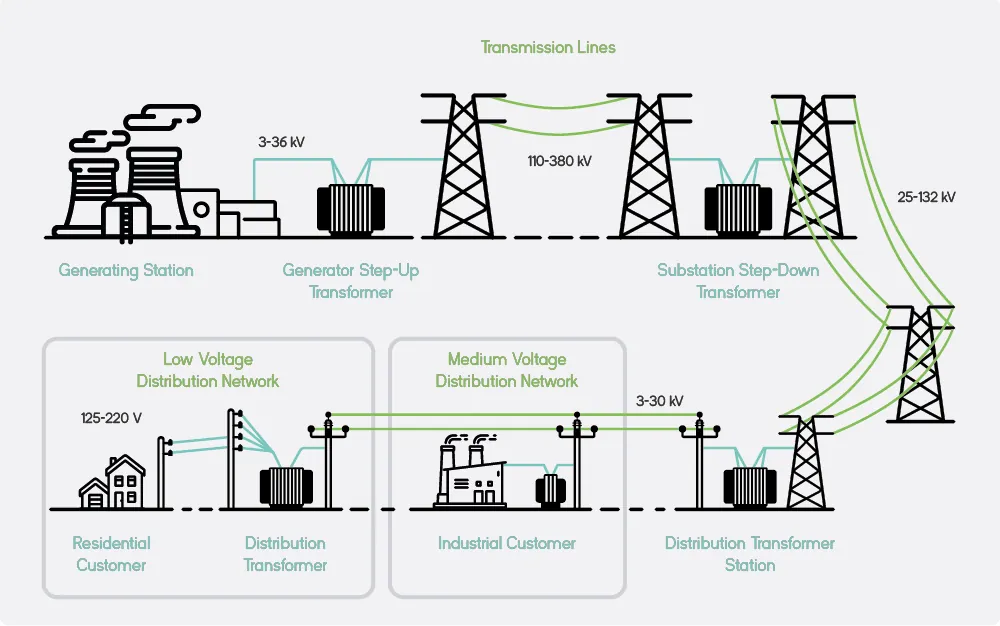
Generation starts at a power plant where turbines spin to create electricity. Step-up transformers at the plant increase this power for a long-distance trip across the country.
- High-voltage electricity travels through transmission lines, which are the tall steel towers you see along highways, to move large amounts of energy efficiently.
- The transmission lines connect to a regional substation where large transformers work to step down the voltage to a safer, lower level for distribution.
- Distribution lines carry the electricity from the substation into your neighborhood, usually running on the wooden utility poles that line most residential streets today. A final small transformer, often a grey cylinder on a pole, reduces the power before it enters your home’s electrical panel, a task for a qualified technician.
Why voltage changes matter for delivery
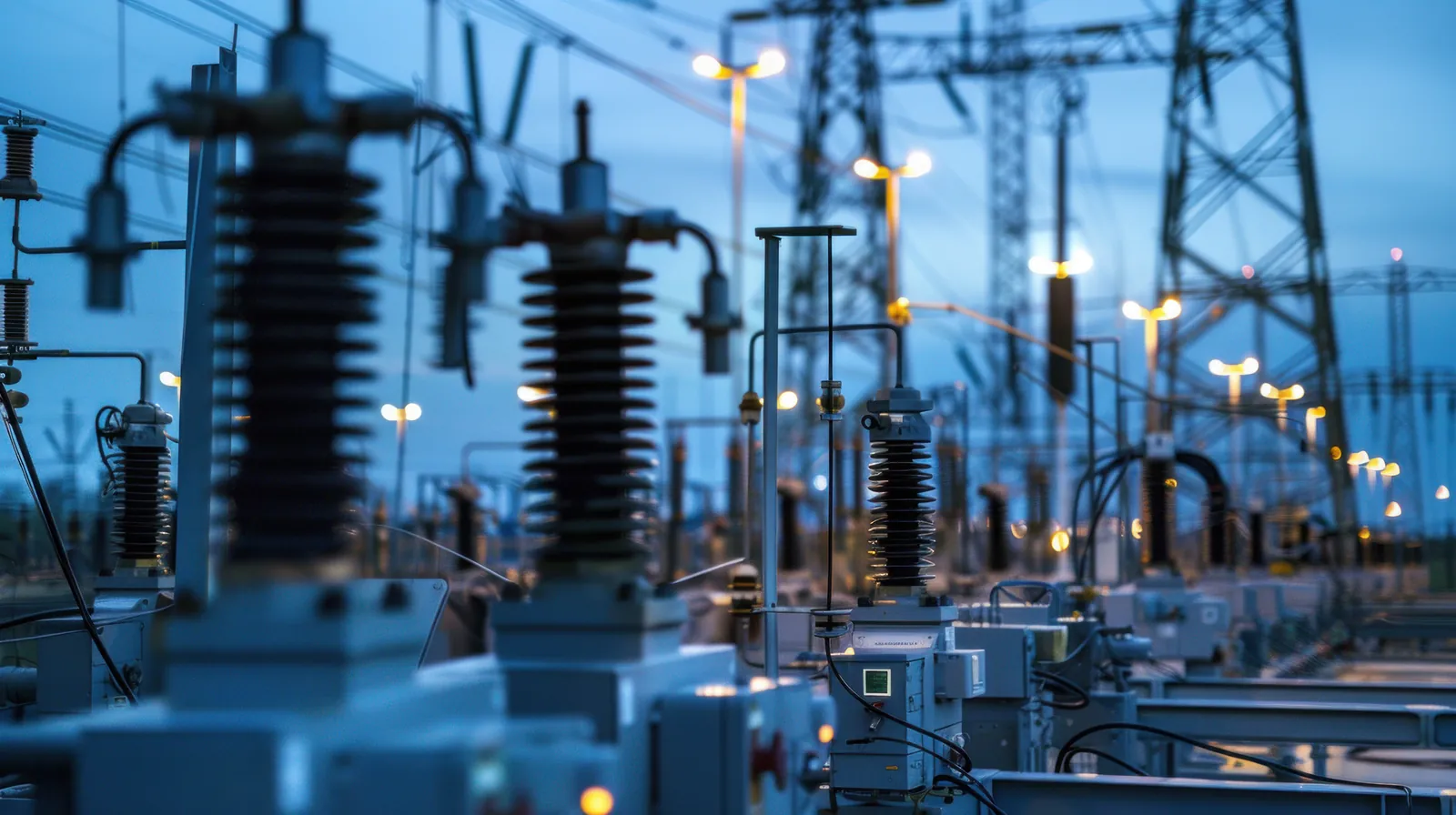
Voltage changes are necessary because physics dictates that moving electricity at low voltage causes massive energy loss through heat. When electricity travels, the wire itself offers resistance, much like water moving through a narrow pipe. If you tried to send electricity at the same voltage your toaster uses, most of the power would turn into heat in the wires before it ever reached your city.
High-voltage transmission solves this by keeping the current low. Current is the flow of electrons, and it’s the current that causes heat buildup in wires. By pushing the power at very high pressure—the voltage—the grid keeps the current low enough that the transmission lines stay cool. If you see thick, heavy cables on tall towers, you’re looking at a line built to carry massive voltage to minimize transmission losses.
This process is why your local utility company uses substations. A substation is the transition point where the high-pressure, long-distance power is safely converted back down to a usable level. If the voltage weren’t stepped down, it would be impossible to safely bring electricity into a home. The equipment inside your house is built to handle specific, low-voltage levels, and the grid’s primary job is to manage those changes reliably.
Controlling the flow of electricity
Things you control
- Your home’s energy usage habits.
- Turning off lights when leaving rooms.
- Choosing energy-efficient appliances and bulbs.
- Reporting downed power lines immediately.
Things fixed by design
- The voltage level delivered to your home.
- The physical path of the transmission lines.
- The frequency of the grid’s power cycle.
If you ever see a downed line, stay at least 30 feet away and call emergency services immediately. Never touch a utility pole or a transformer box, as these contain high-voltage components that can be lethal. Only trained utility professionals with specialized equipment and proper safety gear should handle or repair any part of the grid infrastructure.
Habits for better grid efficiency
Learning about the grid helps you manage your energy impact. When you reduce your demand during peak hours, you help the grid operate within its designed capacity, which prevents unnecessary strain on transformers.
Use large appliances like dryers or dishwashers during off-peak hours, usually before 2:00 PM or after 8:00 PM, when total grid demand drops significantly. Running these machines simultaneously during the late afternoon creates a localized voltage dip that forces the grid to trigger expensive, carbon-heavy peaker plants.
Keep your home insulation in good shape so your heating and cooling systems don’t have to draw extra power to maintain your set temperature.
Check your main electrical panel for tripped breakers if you lose power. If the main breaker is off, flip it once to see if power returns. Don’t attempt to reset a breaker that feels hot to the touch or smells like ozone, as this indicates a wiring fault that requires a professional electrician.
Contact your local utility provider if your power remains out after checking your own breakers, as they must handle repairs on the distribution lines.
Related guides
- Best Power Station for Home in 2026
- 10 Best Electric Underfloor Heating Mats to Buy Online
- 10 Best Electric Shop Heaters for Your Workspace in 2026
Frequently asked questions
Can I fix a power outage myself?
You can only fix issues inside your home’s main electrical panel, such as resetting a tripped breaker. If the outage is caused by a downed line or a failure at the local substation, you must wait for utility professionals to perform the repair. Never attempt to touch exterior lines or transformers, as these carry lethal voltage.
Why do power lines hum?
The humming sound is caused by vibration from the alternating current moving through the wires and by corona discharge, which occurs when high voltage ionizes the air around the conductor. It happens when the high voltage ionizes the air around the conductor, which is normal for high-voltage transmission lines. You should only worry if the sound is accompanied by visible sparking or smoke.
How long does it take for the grid to recover from a storm?
Recovery time varies from a few hours to several days depending on the level of damage to poles and lines. Utility companies prioritize repairs based on the number of people affected, starting with hospitals and emergency services. You can check your local utility website for an estimated restoration time based on your specific address.
Is it safe to be near a transmission tower?
It’s safe to be near a tower as long as you stay on the ground and don’t touch any part of the metal structure. The lines are suspended high enough to prevent accidental contact, and the electromagnetic fields around them are within standard safety guidelines. Never climb a transmission tower or fly kites or drones near the lines.
What happens if the grid gets overloaded?
The grid uses automated protection systems to drop power to specific areas to prevent a total system collapse. This is why you might experience a rolling blackout during extreme weather when demand exceeds supply. The system is designed to sacrifice small sections to keep the larger network stable and prevent permanent damage to expensive transformers.
Does the distance from the plant matter?
Distance matters because even with high-voltage transmission, some energy is lost as heat over hundreds of miles. To minimize this, utilities move power from the closest available generation source to your region. You can check your utility’s annual report to see the typical mix of local and regional power sources that supply your home.
Conclusion
The grid works by transforming energy into a high-pressure state for efficient travel and then stepping it back down for safe use. By understanding these steps, you can better manage your own consumption and stay safe during outages. Always defer to professional utility crews for any work outside your home’s main panel.
