
Transformers get hot because electrical energy is lost as heat during conversion, so managing the load and ensuring proper ventilation are the keys to avoiding excess heat.
Reasons for transformer heat
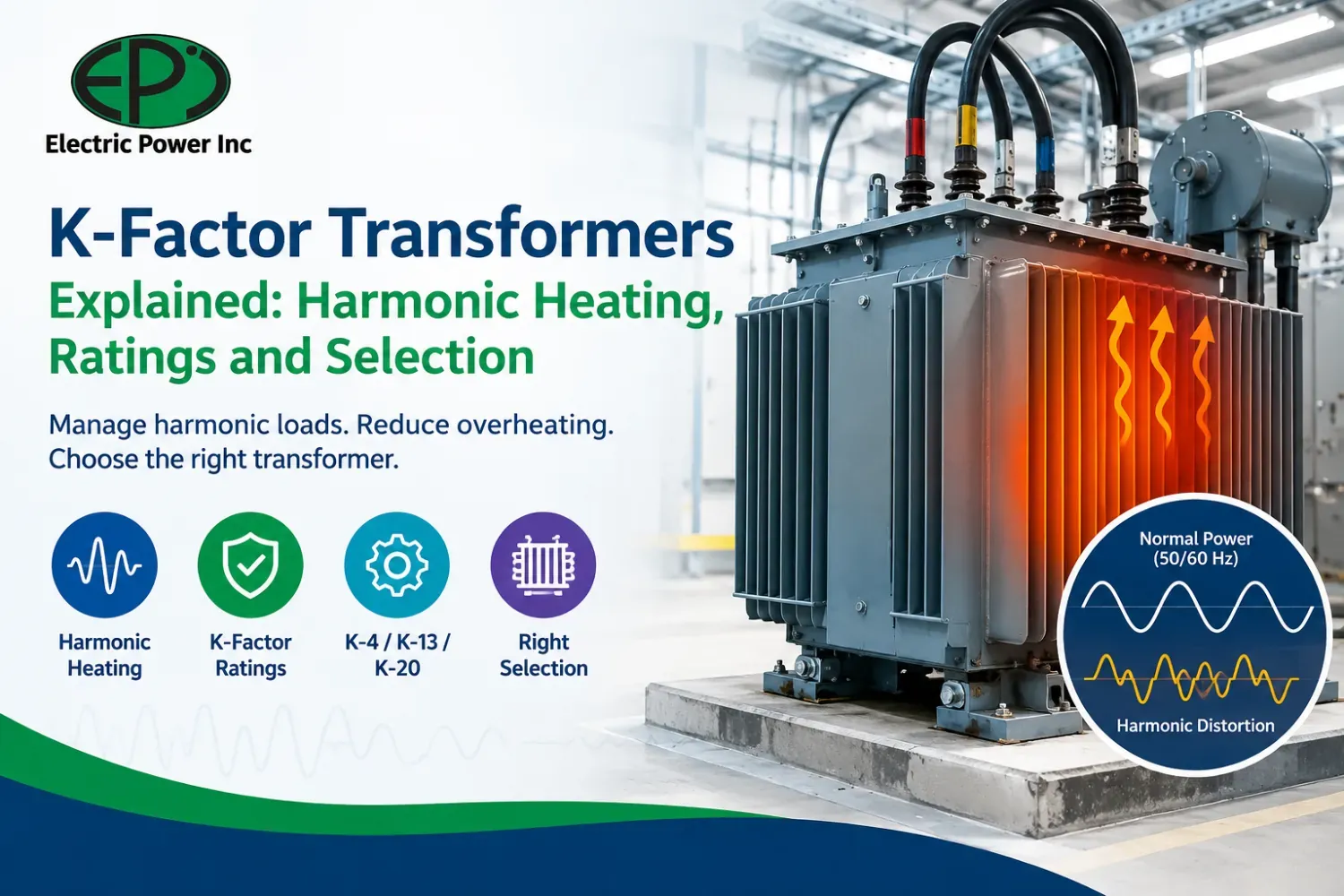
Excessive heat in a transformer usually stems from internal electrical resistance or external environmental factors. When electricity flows through the copper windings, some energy transforms into heat rather than magnetic flux. If the transformer is undersized for the equipment it powers, the internal temperature rises rapidly because the coils can’t dissipate the heat fast enough. This is a common issue when people add new appliances to an existing circuit without checking the total power draw.
Another major factor is poor ventilation. Transformers rely on airflow to keep the core cool, and if you place them in a cramped, dusty, or unventilated space, heat builds up around the housing. Over time, dust accumulation on the casing acts as an insulator, trapping heat inside.
If the environment is consistently above the recommended operating temperature, the internal insulation can degrade, leading to a permanent failure of the device. Always check the manufacturer’s label for the maximum ambient temperature and clearance requirements to prevent these issues from occurring.
Safety: Inside a mains-powered machine, the parts behind the outer cover can hold a dangerous electrical charge even after it has been unplugged — that’s why they sit behind a cover. Opening the housing, or testing or replacing anything behind it, is a job for a qualified technician, never a home repair.
Improve ventilation around the unit
Proper airflow is the simplest way to lower operating temperatures for most stationary transformers. Ensure there’s at least six inches of clear space on all sides of the unit to allow heat to escape naturally. If your transformer is inside a cabinet, install vents or small cooling fans to promote air circulation. This keeps the unit within its safe operating range and prevents the buildup of hot air pockets that can weaken internal components over time.
This fix is ideal for units that are otherwise functioning normally but run warm to the touch. If you have a larger industrial or heavy-duty transformer, you must verify the clearance requirements provided by the National Electrical Manufacturers Association to ensure compliance with safety codes.
If the transformer remains hot even after you provide adequate space, the issue likely sits with the electrical load itself. Never attempt to modify the internal cooling system or open the casing, as this carries a risk of electric shock and voids your warranty.
Reduce the electrical load

If a transformer is constantly hot, it’s often because the total wattage of the connected devices exceeds the transformer’s rated capacity. You should calculate the total power draw of every device plugged into the transformer and compare it to the label on the unit.
If the sum is close to or higher than the transformer’s rating, you must unplug non-essential items immediately. A general rule is to keep the total load below 80% of the transformer’s maximum capacity to allow for power surges.
This method is for users who have added multiple devices to a single transformer. If you find that you need more power, the only safe solution is to purchase a larger unit with a higher wattage rating.
Continuing to run an overloaded transformer will eventually melt the internal insulation, which creates a fire hazard. If you’re uncertain about your load calculations, consult a licensed electrician to evaluate your setup. They can verify if the wiring is appropriate for your power needs and ensure your electrical system remains safe.
Address environmental factors
Environmental conditions play a significant role in how well a transformer manages its internal temperature. If the unit sits in direct sunlight or near other heat-producing appliances, it will naturally run hotter than one in a cool, shaded area.
Move the transformer to a location away from heat sources and ensure it isn’t sitting on a surface that traps heat, such as thick carpet or foam. If you can’t change the location, consider using a non-flammable heat-resistant mat underneath the unit.
This is worth the effort if you have already cleared the space around the unit but still notice it feels excessively hot. However, if the transformer is hot regardless of its location or the load, the device may have an internal short circuit.
In this case, no amount of external cooling will fix the problem. Don’t continue to use a transformer that shows signs of internal damage or emits a strong odor, as these are clear indicators that the unit is no longer safe to operate.
Mistakes to avoid that get transformers hot
Placing blankets, boxes, or decorative covers over a transformer blocks critical airflow.
Daisy-chaining power strips creates a dangerous bottleneck. If you connect multiple power strips to a single transformer, you risk exceeding the unit’s maximum amperage if the total load of all connected devices is too high. This overload often triggers a fire before the internal breaker trips.
A persistent, loud buzz is a red flag for a loose core or a failing capacitor. If the noise vibrates the casing, the unit is experiencing excessive magnetostriction, which can indicate a loose core or failing components. You should disconnect it immediately to prevent a total short circuit.
Finally, using frayed or undersized cables forces the transformer to draw excessive current to compensate for electrical resistance. If the cord feels warm to the touch, it’s undersized for the load. Replace it with a thicker gauge wire to prevent permanent damage.
Preventing future overheating

To keep your equipment running safely, you must match the transformer’s capacity to the actual power draw of your devices. The following table helps you identify common issues and the steps to take.
| If you’re doing this | Do this instead | Why |
|---|---|---|
| Piling items on the unit | Keep the area clear | Air needs to move to cool the coils |
| Running at 100% capacity | Stay under 80% capacity | Prevents strain during power surges |
| Using thin extension cords | Use thick, rated cables | Thick cables reduce electrical resistance |
| Placing unit in a cupboard | Move to an open area | Cabinets trap heat and raise temperatures |
Related guides
Frequently asked questions
Can I leave my transformer plugged in all the time?
Yes, you can leave it plugged in if the transformer is properly ventilated and the load remains well below its rated capacity. However, if you aren’t using the connected equipment for long periods, it’s safer to unplug the unit. This saves energy and eliminates the risk of overheating from unexpected power fluctuations or component failure while you’re away.
Why is my transformer making a humming sound?
A light hum is normal for many transformers due to the vibration of the magnetic core, but a loud or erratic noise suggests an internal problem. If the noise suddenly gets louder or changes tone, the internal parts may be failing. Stop using the device immediately if the sound is accompanied by heat or a burning smell, as this indicates a potential fire risk.
Is it safe to touch a hot transformer?
No, you should never touch a transformer that feels hot, as it can cause skin burns or indicate a dangerous electrical fault. If the housing is hot enough to be uncomfortable or painful to touch, the unit is operating outside of its normal temperature range. Turn off the power at the source and allow the unit to cool down completely before inspecting it.
How do I know if my transformer is overloaded?
You can determine this by adding up the wattage of all connected devices and comparing that total to the maximum wattage listed on the transformer’s label. If the total draw exceeds the maximum rating, the unit is overloaded. A transformer that’s consistently warm or hot to the touch during normal operation is also a strong sign of an overloaded system.
How long does a transformer usually last?
A high-quality transformer can last for many years if it’s operated within its rated limits and kept in a cool environment. There’s no set number of years because the lifespan depends entirely on the usage intensity and the ambient temperature where you keep it. If you notice signs of degradation, such as cracked casing or smell, it’s time to replace the unit.
Conclusion
Keeping your equipment cool doesn’t have to be a struggle. If you’re worried about your setup, it’s a good idea to check the manufacturer’s guidelines for your specific unit. You’ll find that a little bit of proactive maintenance goes a long way toward making sure everything runs safely for years to come.
