
Position the lumbar support directly into the inward curve of your lower back, roughly 6 to 9 inches above the seat pan. It must fill the small space behind your spine without pushing your hips forward or forcing your ribcage upward.
Your spine has a natural inward hollow at the waist called the lordotic curve. The support only works when your pelvis touches the back of the seat first, which lets the cushion hold that curve without your muscles doing the lifting all day.
Slumping forward before adjusting the knob or cushion is where things fail. If you leave a gap behind your tailbone, the cushion pushes your middle back instead, which flattens the curve and strains the joint tissues.
How to adjust the lumbar support on your chair
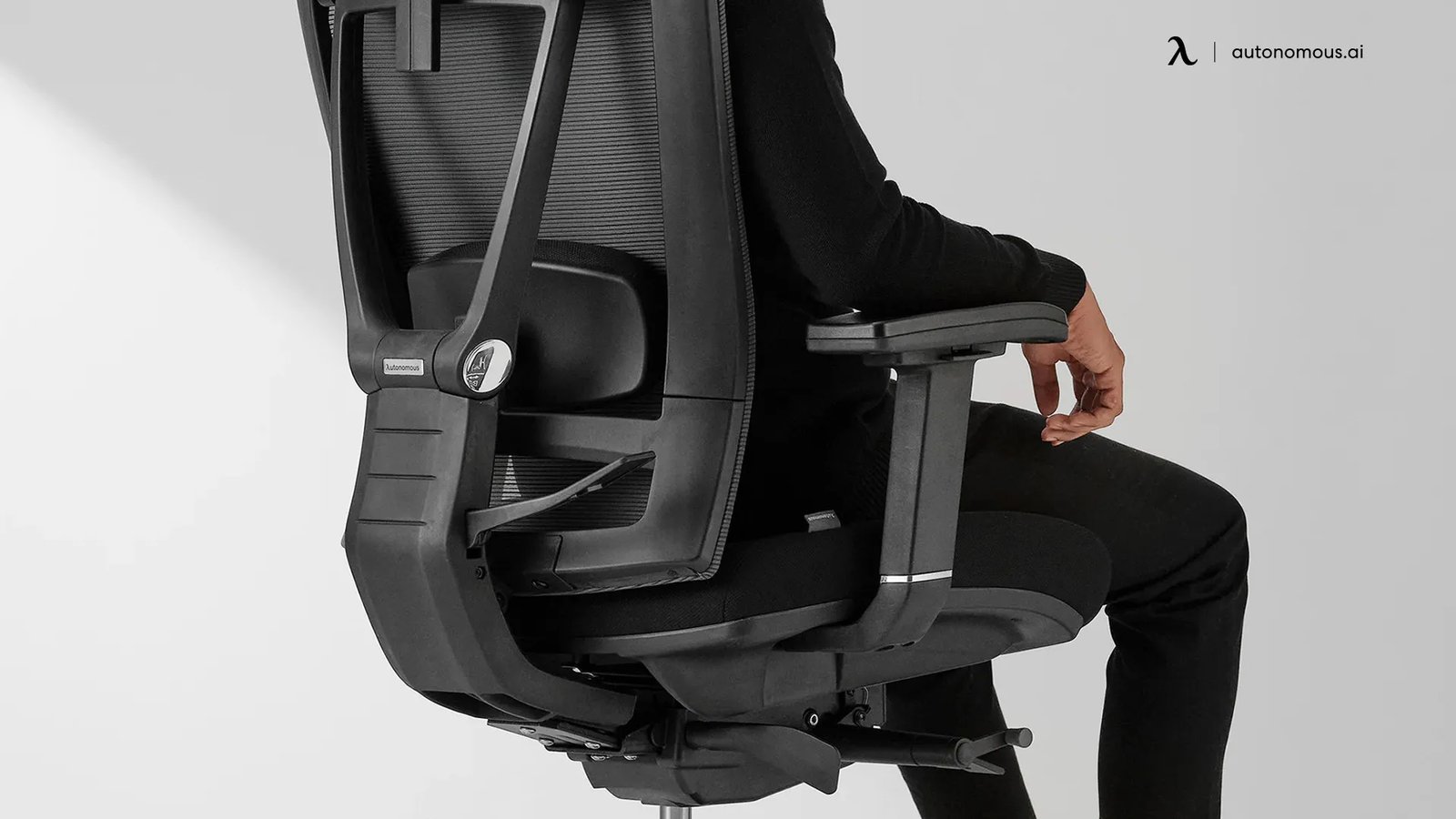 Photo: www.internationalcompetitionnetwork.org on Google
- Sit all the way back until your bottom and tailbone firmly touch the chair backrest. Keep your knees bent at about a 90-degree angle with both feet completely flat on the floor.
- Slide your hand behind your waist to locate the deepest inward curve of your lower back, typically right above your belt line.
- Move the chair’s built-in support pad up or down until its thickest point rests level with that curve. The OSHA computer workstations guide recommends that your backrest supports the inward curve of the lower back to reduce spinal strain. Tip: If you feel pressure on your tailbone, the pad is set about an inch too low; raise it until the hip pressure disappears.
- Turn the depth knob to increase or reduce the firmness until the cushion fills the gap without poking your ribs. If your chair lacks depth controls, you trade fine adjustments for simplicity; add a folded hand towel if you need extra support.
- Recline the backrest to an angle between 100 and 110 degrees rather than sitting strictly straight at 90 degrees. Tip: If your lower ribs jut forward when you lean back, you’ve dialed the support too thick, so back off the depth by one full turn.
- Rest your shoulders easily against the upper backrest to confirm your neck stays loose and balanced over your chest.
How long it takes
Getting the backrest aligned requires just a few minutes, but your postural muscles need several workdays to adapt.
| Situation | How long | What changes it | What to watch for |
|---|---|---|---|
| First-time chair setup | 3 to 5 minutes | Type of knobs or levers fitted | Thighs lifting off seat pan |
| Adding an external pillow | 1 to 2 minutes | Strap elasticity and friction | Pad slipping down toward hips |
| Body adaptation period | 3 to 7 workdays | Existing stiffness or daily desk hours | Mild muscle fatigue around midday |
| Shared workstation reset | 30 to 60 seconds | Multiple users shifting base heights | Support pressing into mid-ribs |
If your setup feels intensely painful after two straight days, stop using that cushion depth and check whether your seat pan height is preventing your feet from staying flat.
How to tell when it’s done
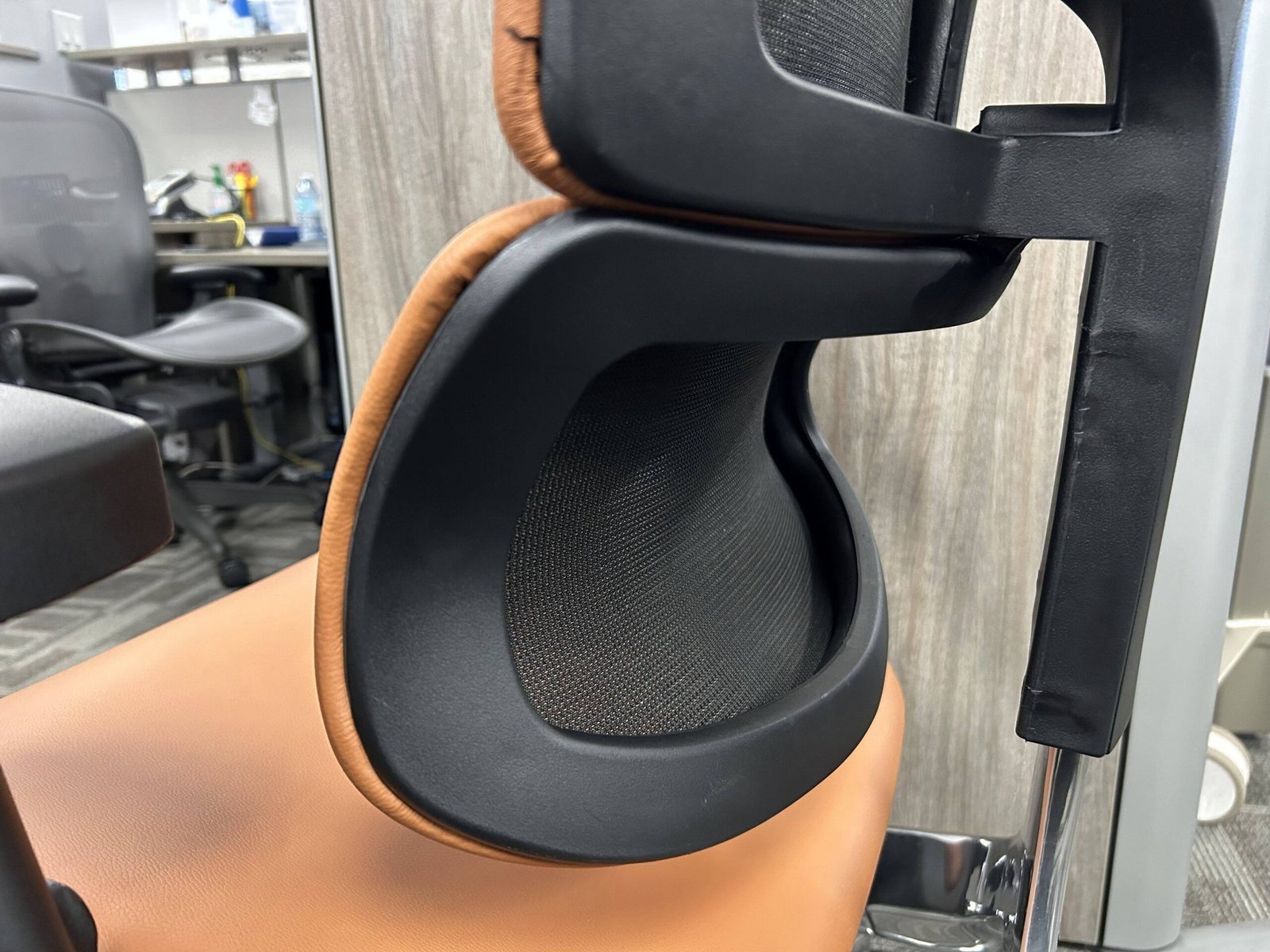 Photo: ergonow.com on Google
Your back feels firmly held without needing to stiffen your stomach or leg muscles. A clear sign is your shoulder blades resting flat against the upper cushion while your tailbone stays all the way back. You can check the fit yourself with the palm test: slide a flat hand behind your belt line while seated. If your hand jams tightly, the support is pushed too far in; if your hand slides through open air, the cushion is too flat or set too high.
This varies by model — check the label or user guide for your chair’s exact adjustment ranges. Keep in mind, this setup isn’t for people with acute spinal fractures or active disk bulges who need clinical seating prescribed by a physical therapist.
Mistakes that ruin it
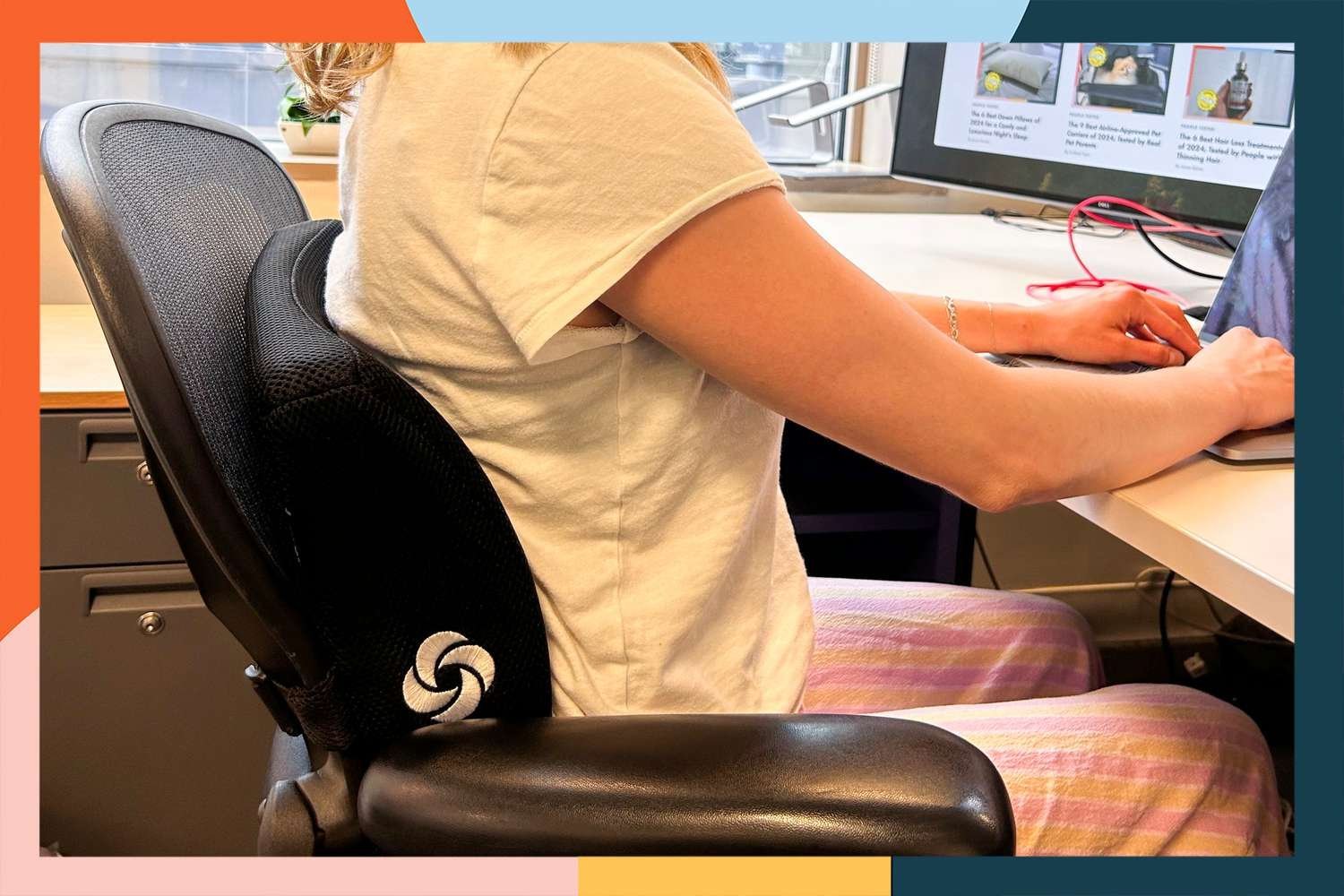 Photo: www.internationalcompetitionnetwork.org on Google
- Placing the curve too high: Setting the cushion against the mid-back pushes the ribcage out and flattens your lower spine. Slide the unit down until the pressure stays strictly between your waistband and lowest ribs.
- Perching on the front edge: Leaving your rear away from the backrest makes the support pad completely useless. Shove your hips completely into the corner where the backrest meets the seat cushion.
- Over-inflating the depth dial: Cranking the depth to maximum arches your spine unnaturally and crushes sensitive nerve endings. If your upper back can’t touch the chair, reduce the support depth until your chest relaxes.
- Ignoring poor seat height: Sitting too high pulls your feet off the carpet, which tilts your pelvis forward and pulls you off the support. If your feet dangle, lower the cylinder; if the desk is too tall, rest your feet on an angled footstool.
Frequently asked questions
Can lumbar support cause back pain?
Yes, it causes pain if set too deep or placed too high up. An overly thick support arches the spine past its natural shape, which pinches facet joints in your lower back. Lower the height or reduce the knob depth if you feel pinching within 20 minutes.
Should lumbar support be on the belt line?
Yes, the center of the support curve should line up closely with your belt line. This spot matches the third and fourth lumbar vertebrae, which form the deepest part of your spinal hollow. If it presses on your rear pocket area, it sits too low.
Why does my cushion keep slipping down?
Loose securing straps or smooth vinyl upholstery cause external cushions to slide down. When the pillow sags, it shoves your tailbone forward and ruins your posture. Fasten the harness tightly around the vertical chair frame, or place a non-slip rubber grip mat behind the cushion.
Is an extra pillow necessary for mesh chairs?
No, extra pillows are unnecessary if your mesh chair has an integrated slider pad. Adding a thick cushion stretches the mesh frame and pushes you forward off the seat edge. Only use an external wedge if the mesh has sagged and no longer resists your weight.
What happens if the depth is too firm?
You’ll tilt your pelvis forward and roll your weight onto the front of your thighs. This uneven pressure limits blood flow through your legs and strains your abdominal muscles. Loosen the tension dial until your upper shoulders rest comfortably against the back fabric without pushing.
Related guides