
Have you ever noticed a sharp, chemical smell in your bathroom that just won’t go away? That could be chlorine gas, and it’s not something you want lingering in your home.
Chlorine gas can cause irritation, headaches, and breathing problems if it builds up. But don’t worry—you can get rid of it quickly and safely. You’ll discover simple, effective steps to clear the air in your bathroom and protect your health.
Keep reading to learn how to breathe easy again.

Credit: www.clickondetroit.com
Sources Of Chlorine Gas In Bathrooms
Chlorine gas can build up in bathrooms from different sources. It often comes from chemicals and cleaning products. Knowing where it comes from helps keep your space safe and fresh.
Bathrooms have many chemicals that can react and release chlorine gas. These reactions may happen without warning. Understanding these sources is key to preventing harmful exposure.
Common Causes Of Chlorine Gas
Bleach is a main cause of chlorine gas in bathrooms. It releases chlorine when mixed with other cleaners. Mixing bleach with acids like toilet bowl cleaners is risky.
Some disinfectants and mold removers also contain chlorine. Using them in small, ventilated areas can increase gas buildup. Old or spilled chemicals may release chlorine over time.
Chemical Reactions That Release Chlorine
Combining bleach with ammonia creates toxic chlorine gas. This reaction can happen quickly and without smell. Avoid mixing cleaning products to prevent dangerous gas release.
Acidic cleaners mixed with bleach also produce chlorine gas. For example, vinegar or toilet bowl cleaners with bleach are unsafe. These chemical reactions cause harmful fumes in closed spaces.
Health Risks Of Chlorine Gas Exposure
Chlorine gas in bathrooms can harm your health. It can come from mixing cleaning products or poor ventilation. Knowing the health risks helps you stay safe.
Exposure to chlorine gas can affect your body in different ways. Some effects happen quickly, while others may develop over time. Understanding these risks is important for your well-being.
Short-term Effects
Breathing in chlorine gas causes coughing and throat irritation. Your eyes may sting and water a lot. You might feel tightness in your chest or have trouble breathing. These symptoms can start within minutes of exposure. High levels of chlorine gas can cause severe lung damage. It can also lead to nausea and headaches. These effects need quick action to prevent serious harm.
Long-term Consequences
Repeated exposure to chlorine gas can damage your lungs permanently. It may cause chronic breathing problems like asthma. Your airways can become inflamed and sensitive. Long-term exposure may increase the risk of lung infections. Some people develop skin irritation or rashes from chlorine gas. It can also worsen existing health issues. Protecting yourself from chlorine gas reduces these long-term risks.
Immediate Actions To Reduce Chlorine Gas
Chlorine gas in the bathroom can cause serious health problems. Acting fast is important to reduce exposure. Immediate steps help clear the air and protect your health. Follow these simple actions to lower chlorine gas safely.
Ventilating The Bathroom
Open all windows and doors to let fresh air inside. Use fans to push the air out quickly. This helps move chlorine gas outside and lowers its concentration. Keep ventilation running until the smell disappears completely. Avoid staying inside the bathroom during this process.
Using Protective Gear
Wear gloves to protect your hands from chemicals. Use a mask or respirator to avoid breathing in chlorine gas. Eye protection like goggles prevents irritation. Protective gear reduces the risk of harm while cleaning or airing out the space. Always use these tools before entering a contaminated bathroom.
Safe Cleaning Techniques To Remove Chlorine
Chlorine gas in the bathroom can cause irritation and discomfort. Removing it safely is very important. Using the right methods helps protect your health and home.
These techniques focus on cleaning without creating harmful fumes. They also prevent damage to surfaces and keep the air fresh.
Choosing The Right Cleaning Agents
Pick cleaners made for removing chlorine or bleach residues. Look for products labeled as chlorine neutralizers or dechlorinators. Mild detergents and vinegar solutions work well too.
Avoid harsh chemicals that can react with chlorine gas. Gentle cleaning agents reduce risks and keep the bathroom safe. Always test a small spot first to check for damage.
Avoiding Hazardous Chemical Mixes
Never mix bleach with ammonia or acids. These combinations create dangerous gases that worsen the problem. Use one cleaner at a time and rinse thoroughly before switching products.
Open windows and turn on fans to increase ventilation. Keep children and pets out until the air clears. Use gloves and masks for extra protection during cleaning.
Natural Methods To Neutralize Chlorine Gas
Chlorine gas in the bathroom can cause discomfort and health problems. Using natural methods to reduce and neutralize chlorine gas is safe and effective. These methods use common household items and natural materials. They help improve air quality without harsh chemicals.
Using Baking Soda
Baking soda is a natural neutralizer. It absorbs odors and harmful gases like chlorine. Place an open box or a bowl of baking soda in the bathroom. It will soak up chlorine gas over time. For better results, sprinkle baking soda on bathroom surfaces and let it sit. After a few hours, wipe it away with a damp cloth. This method is cheap and easy to do daily.
Activated Charcoal Benefits
Activated charcoal is excellent at trapping gases and toxins. It has a large surface area that captures chlorine molecules. Place small bags or containers of activated charcoal around the bathroom. The charcoal will absorb chlorine gas and other impurities. Change the charcoal every few weeks for best results. This natural method keeps bathroom air fresh and safe.

Credit: housefresh.com
Preventing Chlorine Gas Build-up
Chlorine gas can build up in bathrooms due to certain cleaning products. This buildup can cause health risks and unpleasant smells. Preventing chlorine gas buildup is key to keeping your bathroom safe and fresh.
Simple steps reduce the chance of chlorine gas forming. Focus on proper product storage and regular cleaning habits. These practices help keep the air clear and your home healthy.
Proper Storage Of Cleaning Products
Store all cleaning products tightly closed. Keep them in a cool, dry place away from heat sources. Avoid mixing products that contain bleach with others that have ammonia. Mixing these creates dangerous chlorine gas.
Use original containers with clear labels. This prevents accidental mixing or misuse. Keep cleaning items out of reach of children and pets for safety.
Regular Bathroom Maintenance
Clean your bathroom often to prevent buildup of chemicals. Rinse surfaces well after using bleach or other strong cleaners. Open windows or use a fan to ventilate the area during cleaning.
Check for any leaks or standing water. Moist areas can cause chemical reactions and gas release. Regular maintenance keeps the bathroom fresh and reduces risks.
When To Call A Professional
Chlorine gas in the bathroom is a serious problem. Sometimes, it is best to call a professional. They have the right tools and knowledge to handle it safely. Knowing when to get expert help protects your health and home.
Signs Of Severe Chlorine Gas Exposure
Strong burning in the eyes or throat is a warning sign. Difficulty breathing or coughing nonstop means danger. Feeling dizzy, weak, or confused also shows severe exposure. If these happen, leave the area immediately. Seek medical help without delay.
Professional Remediation Services
Professionals use special equipment to remove chlorine gas safely. They find the source and stop more gas from leaking. Experts clean the air and surfaces to make your bathroom safe again. Hiring them reduces risks and ensures proper cleanup.
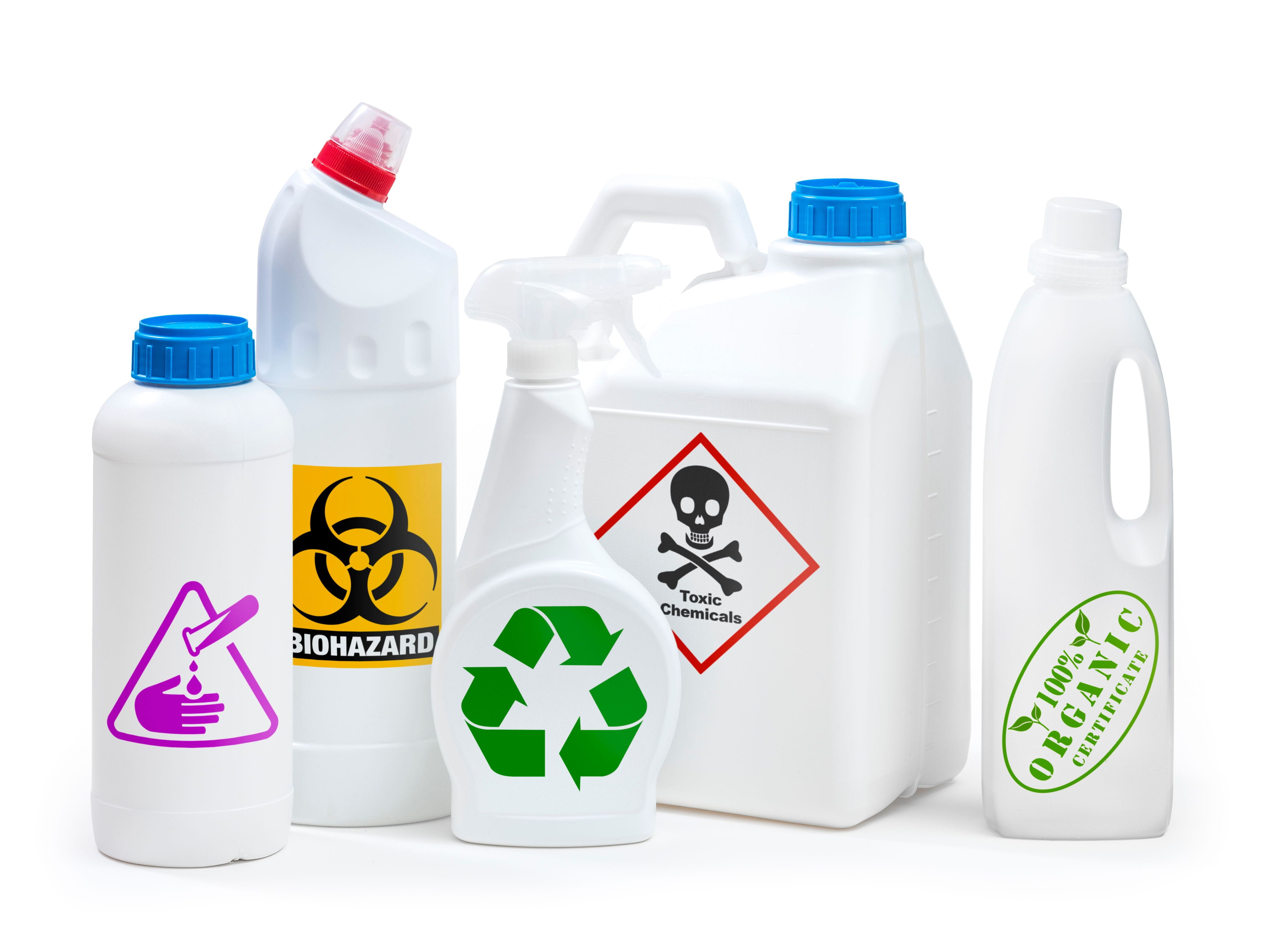
Credit: www.poison.org
Frequently Asked Questions
What Are The Signs Of Chlorine Gas In A Bathroom?
Chlorine gas smells like bleach and can cause eye, nose, and throat irritation. You might also feel coughing or difficulty breathing.
How Can I Safely Ventilate Chlorine Gas In My Bathroom?
Open all windows and doors to let fresh air in. Use fans to push the gas outside quickly.
Can Household Items Help Neutralize Chlorine Gas In Bathrooms?
Yes, baking soda can help neutralize chlorine gas by absorbing it. Sprinkle it on wet surfaces and rinse well.
Is It Safe To Stay In The Bathroom With Chlorine Gas?
No, chlorine gas can be harmful even in small amounts. Leave the area until the gas clears out completely.
What Should I Do If Chlorine Gas Exposure Causes Health Issues?
Move to fresh air immediately and drink water to soothe your throat. Seek medical help if symptoms worsen or last long.
How Can I Prevent Chlorine Gas Buildup In My Bathroom?
Avoid mixing cleaning products with bleach. Always use bleach in well-ventilated areas to reduce gas formation.
Can A Bathroom Fan Remove Chlorine Gas Effectively?
Yes, a strong bathroom fan helps remove chlorine gas by improving airflow. Use it along with open windows for best results.
Conclusion
Chlorine gas in the bathroom can cause harm quickly. Open windows and doors to let fresh air in. Use fans to push the gas outside fast. Avoid mixing cleaning chemicals that create chlorine gas. Wear a mask to protect your lungs if needed.
Clean the area with water to reduce gas levels. Stay safe by acting fast and following these steps. Your health matters, so keep your bathroom fresh and clean. Simple actions can stop chlorine gas from causing problems.