
Current foldback protects power supplies by automatically reducing both output voltage and output current when a short circuit or an extreme overload condition is detected. This sophisticated mechanism prevents the power supply from dissipating excessive heat, which would otherwise lead to catastrophic component failure or permanent damage to the internal circuitry. By “folding back” the current limit as the load impedance drops, the supply moves into a safe operating region, effectively throttling the power delivery until the fault is cleared.
Key Takeaways
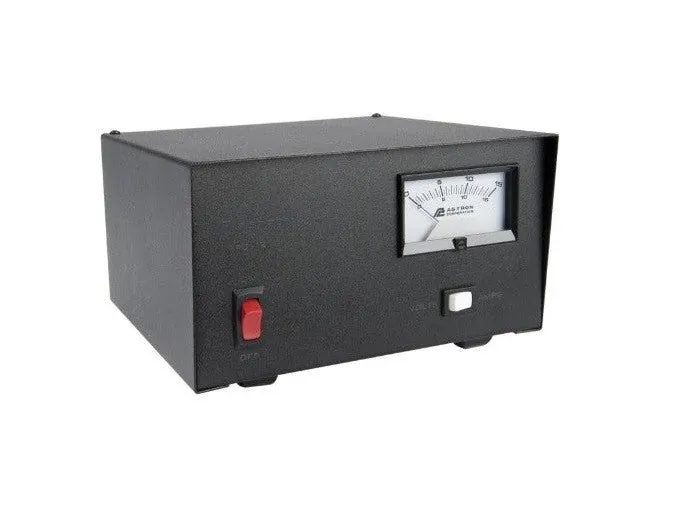
- Foldback current limiting significantly reduces thermal stress on power transistors during short-circuit events.
- This protection method is distinct from constant current limiting, which maintains full voltage while holding current steady.
- Engineers must carefully design the “crossover point” to prevent the power supply from locking into a low-current state during normal startup.
- Foldback is highly recommended for linear power supplies to prevent runaway heat dissipation.
- Verify your load profile before implementing foldback to ensure the supply can handle high-inrush current devices.
How Current Foldback Protects Power Supplies
The fundamental principle of current foldback is to lower the output current limit proportionally as the output voltage decreases. In a standard constant-current power supply, the circuit maintains a fixed maximum current regardless of whether the output is 12V or 0V.
When a short circuit occurs, a constant-current supply continues to deliver that maximum current at near-zero voltage, resulting in maximum power dissipation within the output transistors. Foldback prevents this by forcing the current to drop as the voltage collapses, ensuring that the power transistors stay well within their Safe Operating Area.
Why Is Foldback Necessary?
Power supplies are often subjected to unintended short circuits due to human error, component failure, or environmental factors. Without foldback, a supply forced into a short circuit must dissipate the entire output power internally. For high-voltage or high-current supplies, this can melt traces, destroy capacitors, and degrade semiconductors in milliseconds. Foldback provides a secondary layer of defense that keeps the internal temperature of the power supply within manageable limits, extending the operational lifespan of the unit.
Comparing Current Limiting Methods
| Limiting Method | Behavior During Short | Heat Dissipation | Complexity |
|---|---|---|---|
| Constant Current | Holds max current | Extremely High | Low |
| Foldback Current | Reduces current | Low | Moderate |
| Hiccup Mode | Cycles off/on | Very Low | High |
| Thermal Shutdown | Cuts power entirely | N/A | Moderate |
How Does Foldback Work Technically?

The circuit typically utilizes a sensing resistor in series with the output. As the current increases, the voltage drop across this resistor is monitored by an error amplifier or a specialized current-limit controller. In a foldback configuration, a feedback network is added to the control loop.
As the output voltage falls, this network injects a signal into the current-sensing circuit, effectively “tricking” the controller into seeing a higher current than is actually present. This forces the current limit downward as the output voltage approaches zero.
The Crossover Point Challenge
The most difficult aspect of implementing foldback is the crossover point. If the foldback is too aggressive, the power supply may fail to start up loads that require a high inrush current, such as motors or large capacitor banks.
If the supply enters the foldback region during the initial voltage ramp-up, it may never reach its nominal output voltage. Designers often use a soft-start circuit in tandem with foldback to ensure the supply clears the startup transient before the protection logic fully activates.
Designing for Sensitive Loads
When your power supply must serve sensitive electronics, foldback is usually the preferred protection scheme. Unlike hiccup mode, which can create significant electromagnetic interference (EMI) due to rapid switching, foldback provides a smooth, predictable reduction in power. This prevents the supply from introducing noise into the rest of the system during an overload event. According to the International Electrotechnical Commission standards for power supply safety, proper output protection is essential for preventing fire hazards in industrial and consumer equipment.
Troubleshooting Foldback Issues
If your power supply is failing to power up a specific load, the foldback circuit might be triggering prematurely. Use the following table to diagnose common issues related to foldback activation.
| Symptom | Probable Cause | Action |
|---|---|---|
| Supply won’t start | High inrush current | Increase soft-start time |
| Voltage drops under load | Load exceeds limit | Check load impedance |
| Supply cycles on/off | Thermal trigger | Improve heat sinking |
| Output stays at 0V | Permanent short circuit | Inspect load wiring |
Components Used in Foldback Circuits
- Shunt Resistors: High-precision resistors that convert current to a measurable voltage.
- Operational Amplifiers: Compare the sense voltage against a reference and trigger the foldback.
- Power MOSFETs: Act as the primary switching element that regulates the output power.
- Zener Diodes: Often used to provide the reference voltage for the foldback threshold.
- Bipolar Junction Transistors: Frequently used to shunt the control loop when a fault is detected.
Is Foldback Better Than Hiccup?
Hiccup mode is excellent for efficiency, as the supply effectively turns off when a fault is detected, resulting in almost zero power dissipation. However, it isn’t ideal for all applications. Foldback is superior when the load requires a continuous, albeit limited, current to maintain a state or when the system can’t tolerate the sudden power cycles characteristic of hiccup mode. Choosing between them depends entirely on whether your load is fault-tolerant or requires constant current for stability.
Warning: When Foldback Fails
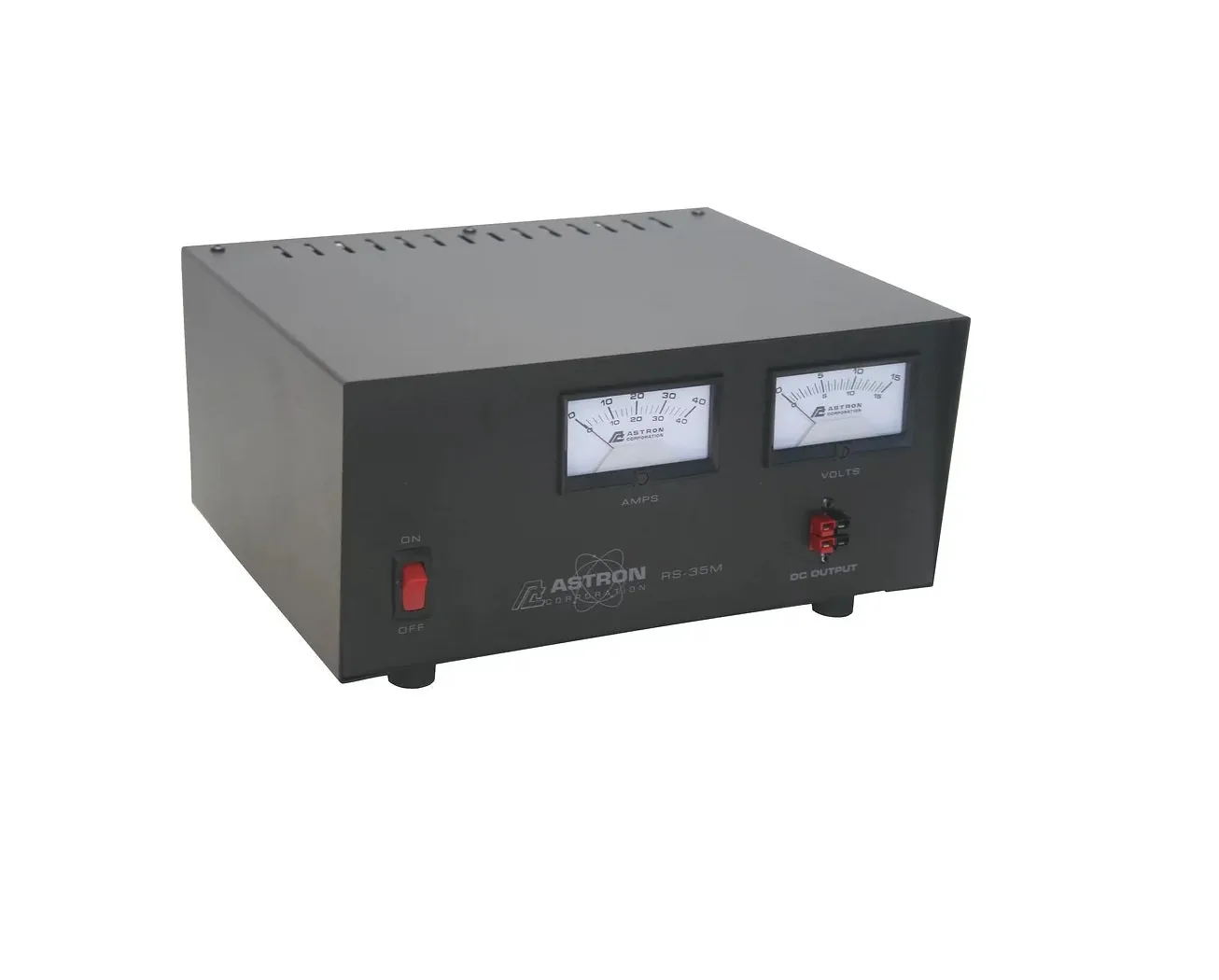
Warning: Never attempt to bypass the foldback circuit in an effort to squeeze more power out of a supply. The components are rated for specific power dissipation levels that assume the foldback protection is active. Removing this protection will likely result in a catastrophic failure of the output stage during a short circuit. Always verify the thermal management requirements before modifying any protection circuitry, as the heat sink size is directly linked to the protection scheme’s performance.
Related guides
- Best Power Station for Home in 2026
- 10 Best Phosphate Removers to Keep Your Pool Clear in 2026
- How to Organize Office Supplies in a Cabinet: A Simple Guide
Frequently Asked Questions
Can I add foldback to an existing supply?
Adding foldback to a supply that lacks it’s difficult and requires modifying the feedback loop of the power stage. You would need to inject a voltage into the current-sensing node that’s proportional to the output voltage. This requires precise knowledge of the internal control topology and is generally not recommended unless you’re an experienced electronics engineer with access to the original schematic.
Why does my supply “latch” at low voltage?
This happens when the foldback threshold is set too low for the load’s startup characteristics. The supply enters the foldback region before it can output enough voltage to power the load fully. This is known as a “latch-up” condition. To fix this, you must adjust the foldback slope or increase the current limit threshold to allow the load to pass its initial inrush phase.
Does foldback affect load regulation?
No, foldback doesn’t interfere with normal load regulation. The foldback circuit remains inactive as long as the output current is below the threshold. It only engages when the current reaches the defined limit. Under normal operating conditions, the power supply operates as a standard voltage-regulated source, maintaining accurate output voltage regardless of the foldback protection circuitry sitting in the background.
Can foldback protect against overvoltage?
No, foldback is specifically designed to protect against overcurrent and short-circuit conditions. Overvoltage protection (OVP) is a completely separate circuit that monitors the output voltage and shuts down the supply if it exceeds a safe limit. A well-designed power supply will typically include both foldback current limiting and a dedicated OVP circuit to provide comprehensive protection against various electrical faults.
Is foldback used in modern SMPS?
While foldback is common in linear power supplies, modern Switch Mode Power Supplies (SMPS) often favor more advanced methods like constant-current limiting or hiccup mode. However, foldback is still utilized in specific high-reliability applications where sudden power interruptions are undesirable. Many modern ICs for power conversion allow designers to program the current-limit behavior, making it easier to implement customized foldback profiles without complex discrete circuitry.
Pro Tip: Always use an oscilloscope to monitor the output voltage during the startup phase if you suspect your foldback circuit is causing issues. This allows you to see exactly where the voltage collapse occurs in relation to the current draw, helping you determine if the issue is a genuine short circuit or simply a high-inrush load that exceeds the current limit threshold during the first few milliseconds of operation.
Conclusion
To move forward with your project, identify the specific current-limit requirements of your load and consult the datasheet for your power supply controller to see if it supports programmable foldback. If your current supply is a simple linear design, consider adding a discrete foldback circuit using a small signal transistor to monitor the output, ensuring that your sensitive components are protected from accidental short-circuit damage during future testing.

1 thought on “How Current Foldback Protects Power Supplies: A Clear Guide”