
A deaerator prevents corrosion in a boiler by physically removing dissolved gases, specifically oxygen and carbon dioxide, from the feedwater before it enters the pressure vessel. When these gases are allowed to remain in the water, they react with the internal metal surfaces of the boiler tubes and shell at high temperatures, leading to rapid oxidation and metal loss. By utilizing mechanical stripping through steam heat and pressure differentials, the deaerator reduces these corrosive elements to levels that are manageable for chemical treatment programs, thereby extending the service life of the entire steam system.
Key Takeaways
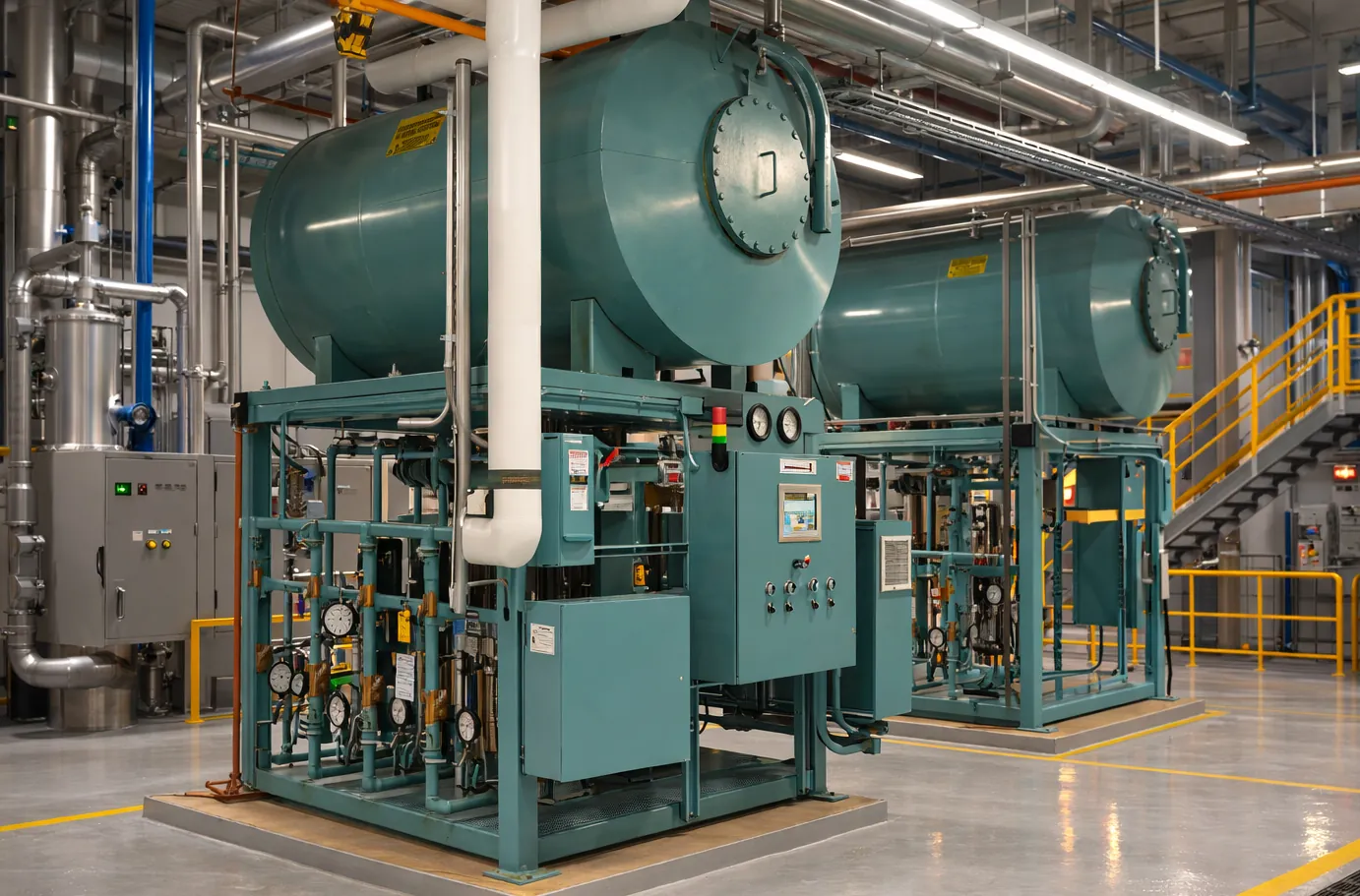
- Maintain the deaerator operating pressure between 5 and 15 psig to ensure effective gas stripping.
- Monitor oxygen levels in the feedwater to ensure they stay below 7 parts per billion (ppb).
- Perform routine inspections of internal spray valves and trays to prevent mechanical bypass.
- Verify that the steam supply pressure to the deaerator remains consistent with the design specifications.
- Implement a regular chemical scavenging program to neutralize any residual oxygen that escapes mechanical removal.
How a Deaerator Prevents Boiler Corrosion
At its core, a deaerator functions as a mass-transfer device that exploits Henry’s Law, which states that the solubility of a gas in a liquid decreases as the temperature of the liquid increases and the partial pressure of that gas above the liquid is reduced.
Boiler feedwater usually enters the deaerator at a temperature significantly lower than the saturation temperature of the steam used for heating. As this cold water is sprayed or cascaded through a steam-rich environment, it undergoes rapid heating.
The heating process forces the dissolved gases out of the liquid phase. The steam acts as a scrubbing agent, carrying the liberated oxygen and carbon dioxide away through a vent. If these gases were left in the feedwater, they would reach the boiler, where the high heat would accelerate the electrochemical reaction between the oxygen and the iron in the steel. This process, often called pitting corrosion, creates deep, localized holes that can lead to catastrophic pressure vessel failure.
Types of Deaerator Systems
Deaerators are generally categorized by how they facilitate the contact between the steam and the feedwater. Choosing the right system depends on the load requirements and the specific chemistry of your incoming supply water.
| System Type | Mechanism | Best Application |
|---|---|---|
| Spray-Type | Uses spring-loaded nozzles to atomize water | Low to medium capacity boiler plants |
| Tray-Type | Uses stacked trays to maximize surface area | High capacity or variable load demands |
| Vacuum Deaerator | Uses mechanical pumps to lower pressure | Systems where steam is unavailable |
Spray-Type Deaerators
These units use a series of spray valves to break the incoming water into a fine mist. This mist provides a massive surface area for the steam to interact with, facilitating near-instantaneous heating and gas liberation. Spray-type systems are compact and highly responsive to changes in feedwater demand, making them a popular choice for smaller industrial steam systems.
Tray-Type Deaerators
These designs utilize a vertical column filled with perforated trays. Water enters at the top and cascades downward, while steam enters at the bottom and rises upward. This counter-current flow ensures that the coldest water meets the coolest steam, and the hottest water meets the freshest steam, providing the most efficient gas removal possible. Tray-type units are standard in large utility-grade boilers where efficiency and output consistency are critical.
The Role of Dissolved Gases
Oxygen is the primary culprit in boiler corrosion. It’s highly reactive, especially when temperatures rise above 150 degrees Fahrenheit. In a boiler, oxygen causes rapid, localized pitting that can penetrate thick steel tubes in a very short time. Carbon dioxide, meanwhile, reacts with the water to form carbonic acid. This acid lowers the pH of the boiler water, leading to generalized acidic corrosion that thins the metal across large surface areas rather than in isolated pits.
Mechanical vs. Chemical Removal
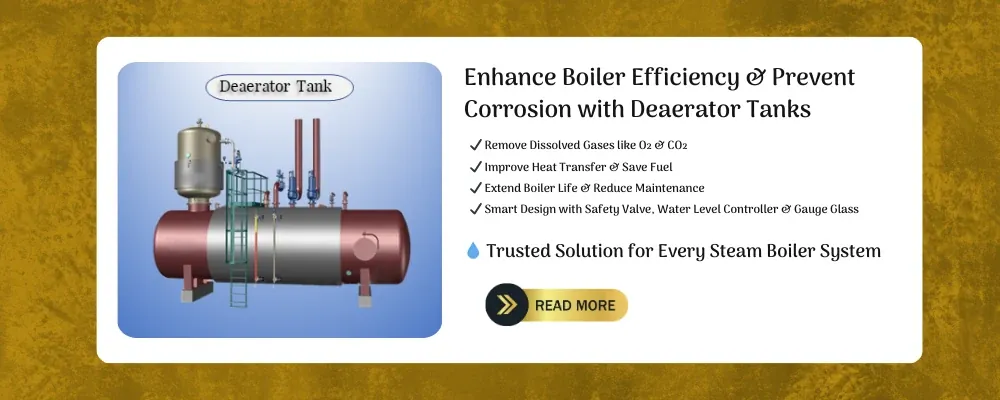
Mechanical deaeration is the first line of defense, but it’s rarely enough on its own. While a well-maintained deaerator can remove up to 99% of dissolved oxygen, the remaining fraction is still sufficient to cause long-term damage. This is why mechanical removal is paired with chemical scavenging.
Oxygen scavengers, such as sodium sulfite or diethylhydroxylamine, are injected directly into the feedwater or the boiler drum to mop up the final traces of oxygen. The ASME Boiler and Pressure Vessel Code provides the industry-standard guidelines for maintaining water quality to prevent these failures.
Common Deaerator Maintenance Tasks
To keep the system functioning, you must treat it like a primary piece of safety equipment. Neglect here is often invisible until a tube leaks.
- Inspection of internal trays: Check for mineral scaling or mechanical damage that disrupts water flow.
- Valve calibration: Ensure spray nozzles aren’t clogged with debris, which would prevent proper atomization.
- Vent monitoring: Regularly verify that the vent valve is slightly open to allow gases to escape; closing it traps oxygen inside.
- Level control: Ensure the water level is stable to prevent “slugging” or pressure fluctuations.
Pro Tip: Always check the vent condenser performance. If the condenser is fouled, the steam won’t properly condense, and you’ll lose excessive amounts of heat and makeup water through the vent pipe, increasing your operational costs.
Troubleshooting Performance Issues
If your oxygen test kits are returning high readings, the problem is usually mechanical. Start by checking the steam supply pressure. If the pressure in the deaerator is lower than the saturation pressure of the incoming water, the water won’t reach the boiling point, and gas removal will be incomplete.
Another common issue is “short-circuiting,” where water bypasses the trays or spray nozzles. This happens if internal baffles are damaged or if the water distribution header is cracked. Always inspect the internal components during your annual boiler shutdown. If the mechanical stripping process is failing, your chemical costs will skyrocket as you attempt to compensate for the high oxygen load, making it far cheaper to fix the hardware than to buy more chemicals.
Why Temperature Control Matters
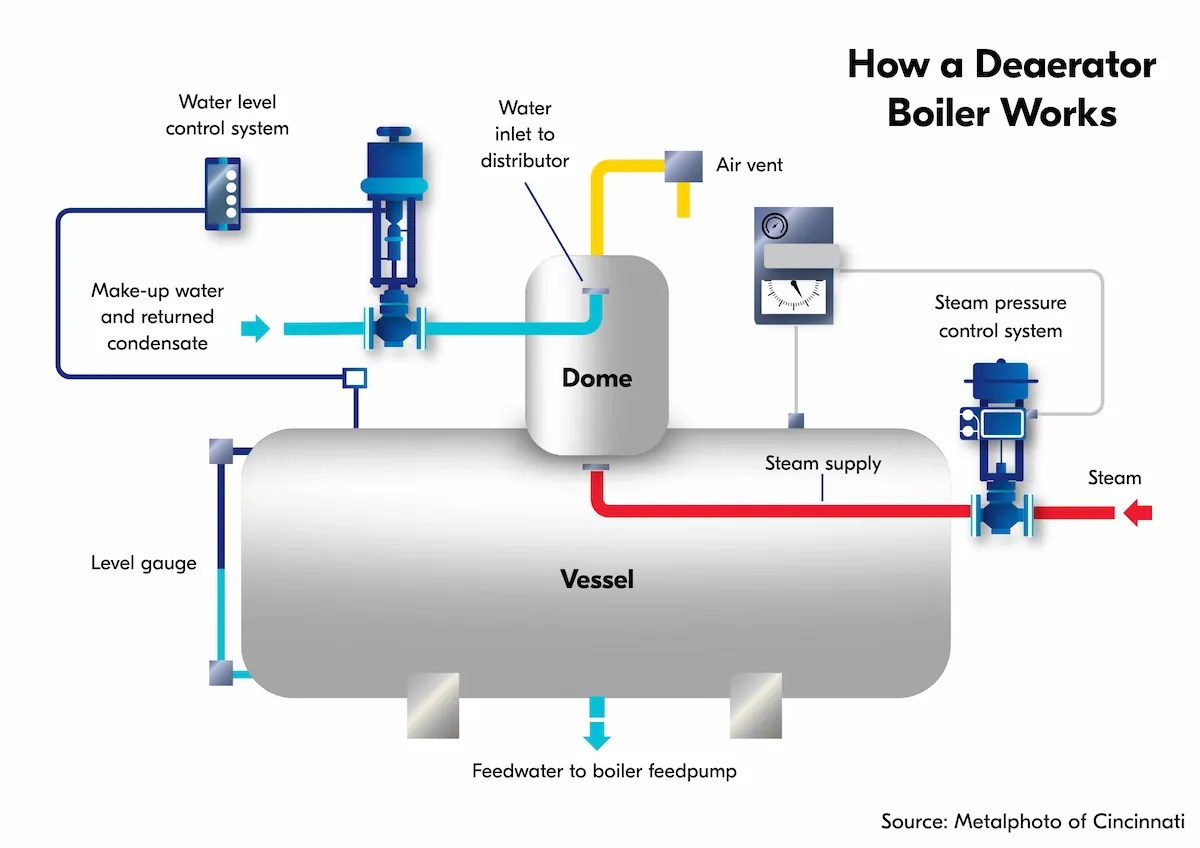
The effectiveness of a deaerator is tied directly to the temperature of the feedwater. The system must operate at or very near the saturation temperature of the steam. If the water is too cold, the steam will condense too quickly before it can strip the gases.
If the water is too hot, it may cause the feed pumps to cavitate. Maintaining the correct thermal balance is the primary way to ensure that the gas solubility is kept at a minimum throughout the entire feedwater cycle.
Frequently Asked Questions
How often should I test oxygen levels?
You should test for dissolved oxygen in the feedwater at least once per shift in high-pressure steam plants. In smaller commercial boilers, daily testing is usually sufficient. Consistent monitoring helps identify if a spray valve has failed or if the steam supply to the deaerator has been interrupted. Always document these results in your boiler logbook to track trends over time.
What is the ideal operating pressure?
The ideal operating pressure for most industrial deaerators is between 5 and 15 psig. Operating at these pressures ensures that the water temperature is high enough to drive off gases while keeping the vessel within safe and manageable stress limits. If you operate below this range, you risk incomplete deaeration; above this range, you may exceed the design pressure rating of the auxiliary equipment.
Can a deaerator remove all oxygen?
No, a deaerator can’t remove 100% of dissolved oxygen. Mechanical deaeration is designed to remove the bulk of the oxygen, typically bringing levels down to 7 ppb or lower. Because it’s physically impossible to remove every single molecule of gas through mechanical means, chemical oxygen scavengers are always required as a final polishing step to protect the boiler tubes from residual oxygen.
What causes oxygen pitting?
Oxygen pitting occurs when dissolved oxygen molecules reach the metal surface of the boiler, causing an electrochemical reaction that creates iron oxide. This process is accelerated by high temperatures and low pH levels. Unlike uniform corrosion, pitting is dangerous because it creates deep, narrow holes that can lead to sudden tube ruptures without significant thinning of the surrounding metal, making it hard to detect.
Should I replace my deaerator trays?
You should replace deaerator trays if they show signs of severe scaling, warping, or chemical erosion. If the holes in the trays become blocked by mineral deposits, water will pool rather than cascade, significantly reducing the surface area available for gas stripping. Most manufacturers recommend a full internal inspection and tray cleaning or replacement every three to five years depending on your water quality.
Warning: Never attempt to open or inspect the deaerator while the system is under pressure. Always follow strict lockout/tagout procedures to isolate the steam and water supplies before performing any maintenance on the vessel interior.
Conclusion
Proper water treatment is a holistic process that begins at the deaerator and continues through the boiler drum. By ensuring your mechanical equipment is clean, calibrated, and operating at the correct steam pressure, you eliminate the bulk of the corrosive gases before they can cause harm. Coordinate with your water treatment provider to align your chemical scavenging program with your mechanical performance data for the best results.

1 thought on “How a Deaerator Prevents Corrosion in a Boiler: The Mechanism”