
Ensuring the safety of your home water supply begins with understanding exactly what is flowing through your pipes. Because tap water quality varies significantly based on local infrastructure, soil composition, and treatment processes, finding the best water test kits is a vital step for any homeowner concerned about health or aesthetics. While professional laboratory services provide the most comprehensive data, DIY options offer a fast, reliable starting point for identifying common contaminants. Depending on the complexity and scope of the analysis, you can expect to pay anywhere from $15 to $250 for these testing solutions.
Key Takeaways
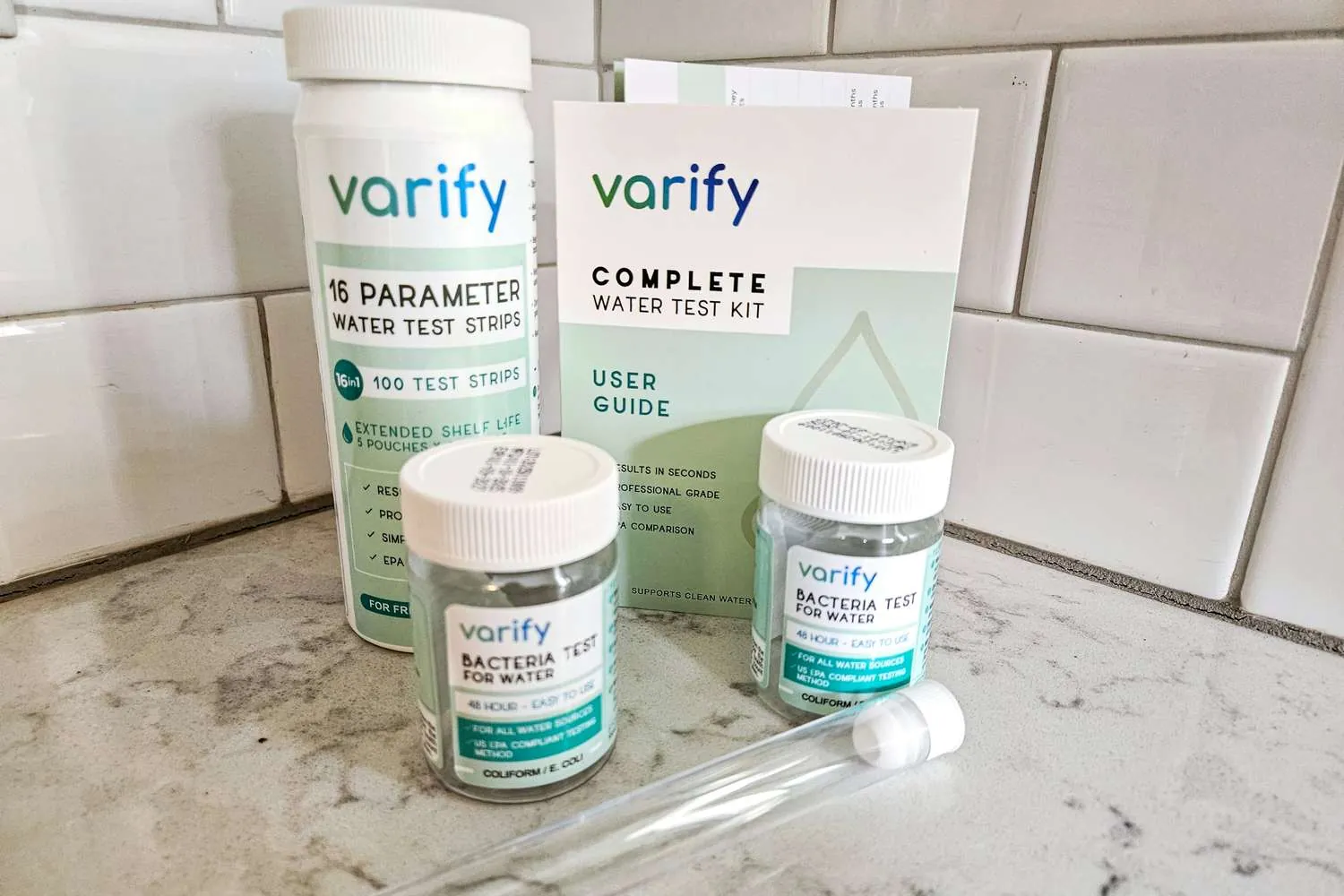
- Always identify your primary water source—municipal city water or a private well—before purchasing a kit.
- Prioritize kits that screen for lead, copper, and nitrates, as these are common household health concerns.
- Use a certified laboratory service if you have specific health symptoms or suspect heavy metal contamination.
- Follow sampling instructions precisely, as incorrect collection methods can lead to false positives or invalid results.
- Compare results against official municipal water quality reports to verify if your specific plumbing is affecting water chemistry.
Selecting The Best Water Test Kits
Choosing the right equipment depends on whether you’re conducting a basic screening or a deep-dive analysis. Homeowners typically utilize three tiers of testing: simple color-coded strips, handheld digital electronic meters, and comprehensive mail-in laboratory kits.
While strips are excellent for daily or weekly monitoring of pH and chlorine levels, they lack the sensitivity required to detect trace amounts of heavy metals like arsenic or mercury. For those relying on private wells, a lab-based kit is essential because it screens for biological contaminants, such as total coliform bacteria and E. coli, which are invisible to basic strip tests.
| Test Kit Type | Primary Use Case | Accuracy Level | Typical Price Range |
|---|---|---|---|
| Test Strips | Quick screening of pH/chlorine | Moderate | $15 – $40 |
| Digital Meters | Hardness and TDS monitoring | High | $30 – $90 |
| Mail-in Lab Kits | Comprehensive safety analysis | Laboratory Grade | $100 – $250 |
Understanding The Testing Methodology
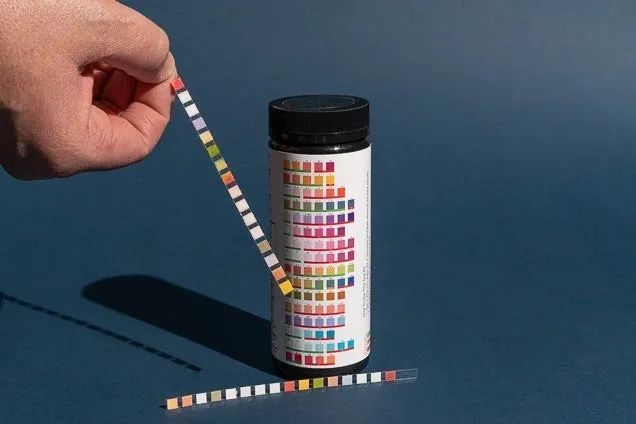
The most reliable kits employ either colorimetric analysis or titration methods. Colorimetric tests involve adding a reagent to a water sample; the intensity of the color change corresponds to the concentration of the contaminant. These are highly effective for checking chlorine, nitrates, and alkalinity.
Digital meters, by contrast, measure Total Dissolved Solids (TDS) by calculating electrical conductivity. While TDS meters are useful for gauging how well a reverse osmosis system is performing, they don’t identify which specific minerals or chemicals are present, only that the total dissolved mass has changed.
Which Contaminants Should You Prioritize?
If you’re concerned about your plumbing, lead and copper are the most critical elements to track. Lead is particularly hazardous because it leaches from older pipes and solder, often without changing the taste or smell of the water. Nitrates are another major concern, especially for those living in agricultural areas where fertilizer runoff may reach groundwater supplies. Testing your water helps confirm that your home’s internal plumbing isn’t introducing these elements after the water has left the treatment plant.
How To Sample Your Water Correctly
The accuracy of any test is entirely dependent on the quality of the sample. When collecting water for a laboratory kit, you must avoid contamination from your own skin, jewelry, or the surrounding environment. Always remove aerators from faucets before sampling, as these devices can trap sediment and bacteria that don’t represent the water flowing through the rest of your pipes.
Let the cold water run for at least three to five minutes to flush out the standing water in the lines. If you’re testing for lead, it’s often recommended to take a “first draw” sample—the very first water out of the tap after it has sat overnight—to capture the highest potential concentration of leached metals.
Comparing Popular Testing Brands
Several companies dominate the market by providing consistent, validated testing materials. When evaluating these brands, look for those that utilize EPA-certified laboratories for their mail-in services.
- Safe Home: Known for their diverse range of kits, including specialized tests for lead, pesticides, and heavy metals.
- WaterSafe: Offers affordable, user-friendly test strips that provide instant results for common household issues like iron and hardness.
- SimpleLab (Tap Score): Provides high-end, data-driven reports that analyze your water against regional water quality databases.
- HM Digital: The industry standard for digital TDS and EC (Electrical Conductivity) meters.
- LaMotte: Often used by professionals, their kits provide highly accurate colorimetric reagents for pools and residential systems.
Troubleshooting Common Testing Errors
Warning: Never mix reagents from different kits, as chemical concentrations are calibrated specifically for the provided testing vessels and may yield dangerous or inaccurate chemical reactions.
If your results seem inconsistent, check the expiration dates on your reagents. Chemicals degrade over time, especially when exposed to direct sunlight or extreme temperature fluctuations. Another common error is failing to account for water temperature. Many test strips are calibrated for water at room temperature (around 70°F).
If your sample is icy cold or piping hot, the reaction time and color development may be skewed. Always record the time of day and the specific tap used for each test so you can replicate the conditions if you need to confirm a suspicious result.
Can You Rely On DIY Results?
DIY kits are excellent for routine monitoring, but they should never be viewed as a replacement for professional health assessments. If you notice a persistent metallic taste, cloudy appearance, or a “rotten egg” odor, you need a full laboratory analysis regardless of what your strips indicate.
Some contaminants, such as certain volatile organic compounds or radioactive elements, require specialized equipment that’s far beyond the reach of standard home kits. Use your DIY results as a “smoke detector”—it tells you something might be wrong, but a professional diagnostic is required to find the source and the solution.
What Are The Ongoing Costs?
Beyond the initial purchase of a kit, consider the long-term maintenance of your water quality. If you install a water filtration system, you’ll need to test your water every six to twelve months to ensure the filters are still effectively removing contaminants.
| Maintenance Task | Frequency | Estimated Annual Cost |
|---|---|---|
| Basic TDS/pH Monitoring | Monthly | $10 – $20 |
| Annual Comprehensive Lab Test | Once Yearly | $120 – $250 |
| Filter System Integrity Check | Per Filter Change | $30 – $60 |
Interpreting Your Lab Report
When you receive a report from a professional lab, look for the “Detected” versus “Non-Detected” columns. A result of “ND” means the laboratory couldn’t find the substance at a level they could measure. Pay close attention to the Maximum Contaminant Level (MCL) provided on the report.
If your sample exceeds the MCL, you must take immediate action, such as installing a point-of-use filter or contacting your local water utility. Actionable data is the primary goal of any testing process, so ensure your report includes clear recommendations for remediation.
How Often Should You Test?
Frequency depends entirely on your water source. If you use a municipal supply, testing once a year is generally sufficient unless you perform major plumbing repairs or notice a change in water aesthetics. If you rely on a private well, testing should be more frequent.
Experts recommend testing well water for bacteria and nitrates at least once per year, and for heavy metals or pesticides every three to five years. If your home is located in an area with a history of groundwater contamination or if you live near industrial sites, increase this frequency to ensure your family’s safety.
Related guides
- 10 Best Wood for Exterior Columns: Durable Picks for Your Home in 2026
- Taylor TF 100 vs TF Pro: Which Test Kit Is Right for You in 2026
Frequently Asked Questions
Why does my water smell like rotten eggs?
A sulfurous, rotten egg smell is usually caused by hydrogen sulfide gas. This often occurs in well water systems where bacteria have reacted with sulfur-containing minerals. While generally not harmful at low levels, it’s highly corrosive to plumbing and causes severe aesthetic issues. Testing is required to distinguish between harmless sulfur bacteria and potentially more concerning bacterial contamination that requires immediate shock chlorination of the well.
Do I need to test for PFAS?
PFAS, or “forever chemicals,” are a growing concern in many water supplies. If you live near an industrial site, military base, or airport, you may be at higher risk. Standard home kits can’t detect these substances. If you’re worried about PFAS, you must specifically purchase a laboratory-grade test kit that’s certified to perform high-sensitivity gas chromatography-mass spectrometry analysis for these synthetic compounds.
Can I use a pool test kit for my tap water?
While pool test kits measure similar parameters like pH and chlorine, they aren’t designed for drinking water safety. Pool test reagents are often calibrated for higher ranges and may contain additives that aren’t safe for consumption. Furthermore, they don’t measure the specific heavy metals or organic contaminants that are critical for assessing the safety of your home tap water. Always use kits labeled for residential drinking water.
What is the difference between hard and soft water?
Hard water contains a high concentration of dissolved minerals, primarily calcium and magnesium. While not a health hazard, it causes scale buildup in pipes and appliances, reduces soap efficiency, and leaves spots on dishes. Soft water has had these minerals removed, usually through ion exchange. A simple home hardness test kit can determine if your water is hard enough to warrant the installation of a water softening system.
Will a water test tell me if my pipes are leaking?
No. Water test kits are designed to detect chemical or biological contaminants. They can’t identify physical leaks in your plumbing system. If you suspect a leak, look for signs such as unexplained increases in your monthly water bill, damp spots on walls or ceilings, or a running water meter when all taps are closed. You should contact a licensed plumber to perform a pressure test to locate physical pipe breaches.
How do I know if my test kit is accurate?
Check the packaging for an “NSF” or “ANSI” certification mark. These organizations set rigorous standards for water testing accuracy and safety. Additionally, look for kits that include a control sample—a small vial of known concentration that allows you to verify that the reagents are working correctly before you test your actual tap water. If the control fails, the kit is likely defective or expired.
Conclusion
Maintaining high-quality water is a continuous process of observation and verification. By utilizing a combination of regular DIY screening and occasional professional laboratory analysis, you can effectively manage the safety of your household supply. Start by purchasing a reputable, certified kit that targets your specific concerns, collect your samples with care, and always consult with a professional if your results fall outside of safe parameters.