
Choosing between kohler vs moen faucets often comes down to personal preference for style, as both brands offer reliable performance for most home plumbing needs. If you want a wide range of high-end designer finishes and artistic shapes, Kohler is usually the better pick. If you prioritize ease of repair and widespread parts availability for DIY maintenance, Moen is the better choice.
How Kohler and Moen faucets compare

When deciding on a new fixture, you need to weigh durability against the specific look you want for your kitchen or bathroom. Each brand uses different valve technologies and finish processes that affect how long the unit stays looking new and how simple it’s to fix a leak.
| Method | How long | Effort | Cost | Best for |
|---|---|---|---|---|
| Kohler | 10–15 years | High | High | Custom design |
| Moen | 10–15 years | Low | Medium | DIY repairs |
| Generic | 3–5 years | Low | Low | Quick fixes |
Kohler relies on ceramic disc valves, which are nearly indestructible but require proprietary parts that are often difficult to source at standard hardware stores. If you prioritize aesthetics and plan to stay in your home for a decade, the initial investment pays for itself in reduced replacement frequency.
Moen utilizes a cartridge-based system that’s the industry standard for accessibility. If you value the ability to perform your own maintenance, choose a cartridge-based model. You can identify these by the ease of handle removal; if you can reach the internal mechanism with a single hex key, you’re likely working with a modular system that allows for ten-minute repairs.
Avoid the mistake of choosing a faucet based solely on the finish. A high-end brushed nickel finish will still pit over time if the underlying brass is thin or porous. Check the manufacturer’s specifications to understand the materials used in the faucet’s construction. If you have hard water, expect to clean the aerators twice as often to prevent mineral buildup.
Features of Kohler fixtures
Kohler focuses heavily on premium materials and complex engineering to provide a luxury feel in the kitchen or bath. They often use specialized ceramic disc valves that require specific tools for disassembly.
- Turn off the water supply at the valves under the sink.
- Use a hex key to remove the handle screw, which is often hidden under a decorative cap.
- Remove the bonnet and cartridge using a specialized wrench designed for the specific model.
- Clean the internal seals with white vinegar to remove scale before replacing parts.
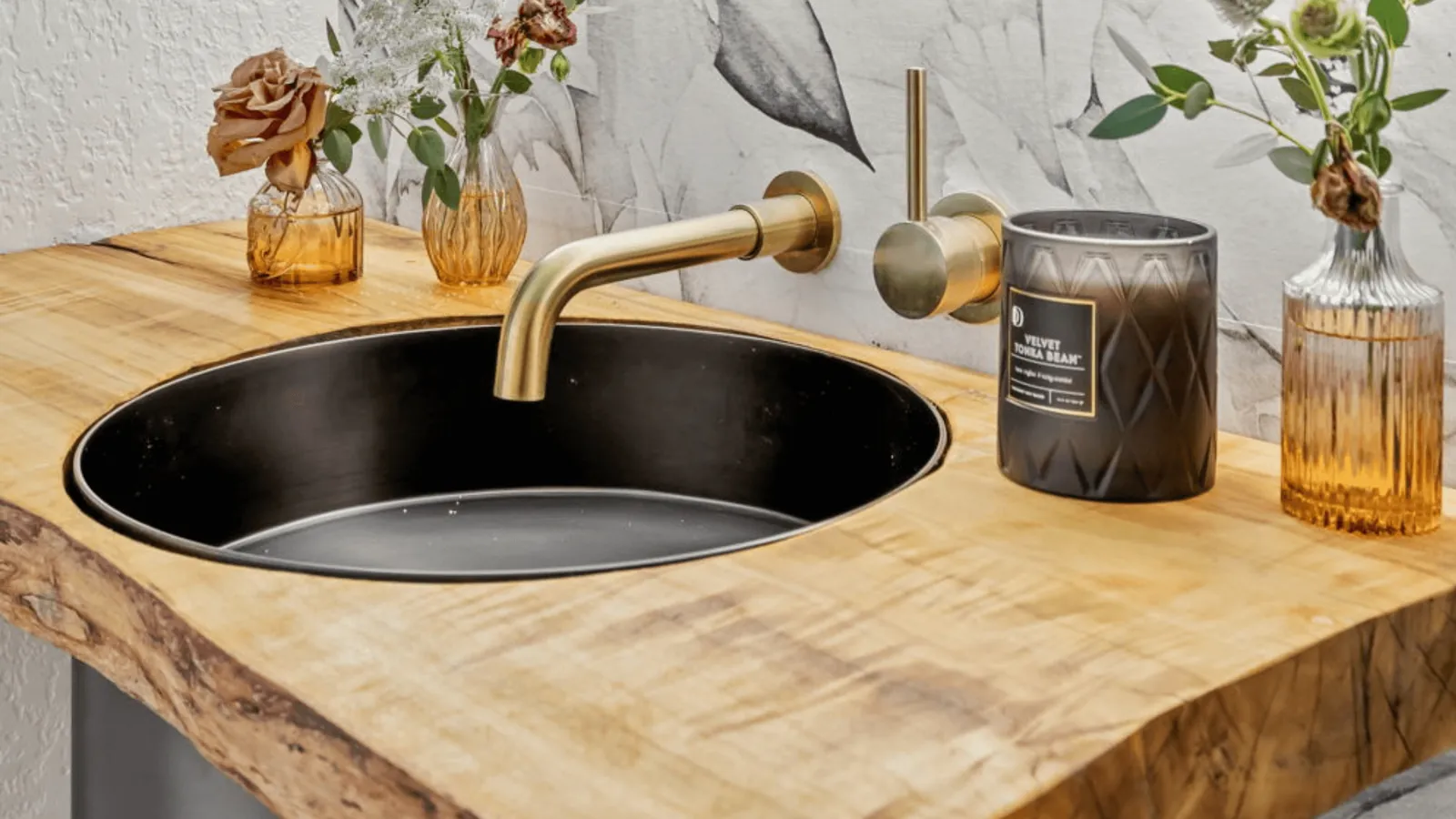
These faucets are excellent for homeowners who want a centerpiece for their room with unique color options like vibrant brushed gold. The weakness is that parts can be harder to find at local hardware stores compared to more common brands. If you need a specific replacement part for an older model, you must order it directly from the manufacturer.
Before buying, check the model number etched on the supply line tag. If the tag is missing, you can identify the unit by the shape of the aerator or the handle’s mounting style. Most Kohler cartridges are color-coded by flow rate; always match the color of the plastic housing exactly to ensure your water pressure remains consistent.
Many owners mistakenly force the handle screw when it feels stuck. This often strips the internal threads, turning a simple washer replacement into a full valve body overhaul. If the screw resists, apply a drop of penetrating oil and wait ten minutes. If the leak persists after cleaning the seals, the ceramic discs themselves have likely cracked, which requires a complete cartridge replacement rather than a simple gasket swap.
Advantages of choosing Moen
Moen is well-known for its “1225” or “1222” cartridge systems, which are designed to be swapped out in minutes by a beginner. They prioritize standardized internal parts that fit across many different product lines, making them a favorite for long-term maintenance.
If your faucet drips, you likely need a new cartridge rather than a full replacement. You can confirm this by checking if the water flow stops completely when you turn the handle to the off position. If the leak persists, the internal seal has failed.
- Close the shut-off valves beneath the sink to stop the water flow.
- Pry off the handle cap and loosen the set screw with a small screwdriver.
- Pull the handle off and use a cartridge puller tool to slide the old unit out.
- Insert the new cartridge, ensuring the alignment notches lock into the faucet body.
Many homeowners make the mistake of using pliers to force the old cartridge out. This often cracks the plastic housing, which can leave shards inside the valve body and force a complete faucet replacement. Always use the manufacturer’s plastic puller tool to avoid this expensive error.
These units are ideal for people who want to perform their own repairs without calling a plumber. The main trade-off is that their designs are often more traditional or functional rather than artistic. You might find fewer “statement” pieces in their catalog compared to luxury-focused competitors.
If you prioritize high-end aesthetics or custom finishes, you may find the selection limited. However, for a home where reliability and repairability take precedence over high-fashion design, the standardized internal architecture remains the industry benchmark.
Maintenance and performance differences
When you look at the internal mechanics, the difference between these brands lies in the valve design. Kohler designs often favor a tight, smooth rotation that feels heavy, while Moen focuses on a loose, fluid motion that’s easy to operate with one hand.
If you’re in a hurry to finish a repair, Moen is the winner because you can find replacement cartridges at almost any local shop. If you’re doing this for the first time, Moen provides clearer diagrams and more forgiving parts that are less likely to break during installation. When you want the best possible result for a high-end renovation, Kohler offers a wider variety of finishes and matching accessories that look better in a designer space.
Choose Moen if your home has hard water. Their cartridges resist mineral buildup significantly longer than Kohler’s brass-heavy internals, which often seize after five years in high-calcium environments. If you notice the handle becoming stiff, don’t force it, as this can damage the internal components; consider replacing the cartridge.
Kohler rewards those who prioritize long-term tactile quality over repair convenience. Their ceramic disc valves are engineered to withstand higher pressure fluctuations without leaking. If your home uses a booster pump or sits at the bottom of a steep hill, Kohler’s robust seals will prevent the persistent dripping that often plagues lighter-duty valves. Always check your water pressure before installation. If it exceeds 80 psi, install a pressure-reducing valve regardless of the brand you choose to avoid voiding your warranty.
Standard care for any faucet

Regardless of which brand you choose, the way you care for your fixture dictates its actual lifespan. You should avoid using harsh chemicals like bleach or abrasive pads, as these will strip the finish and void your warranty. Avoid using harsh chemicals like bleach or abrasive pads, as these can damage the finish and void your warranty.
Wipe surfaces daily with a soft, damp cloth to prevent water spots. If you live in an area with hard water, minerals will etch the finish if left to dry overnight. Check the aerator every six months for debris or mineral deposits. If the stream begins to spray unevenly or loses pressure, soak the aerator in a solution of warm water and mild dish soap before scrubbing it with a soft toothbrush.
Tighten mounting nuts once a year, as vibrations from daily use can loosen them. A loose faucet base allows water to seep into the cabinet below, causing unseen rot in the countertop substrate. If you notice a leak, don’t force the handle, as this can damage the internal valve stem.
Forcing a stiff handle often snaps the cartridge, turning a simple O-ring replacement into a full valve overhaul. If you aren’t comfortable working with water lines, contact a licensed plumber to avoid accidental flooding. If the shut-off valves under the sink are seized or corroded, stop immediately and call a professional rather than risking a broken pipe that requires a whole-house water shut-off.
Related guides
- Polaris vs Pentair Cleaner: Which Brand Wins for Your Pool in 2026
- Best Power Station for Home in 2026
- Kohler Cachet Nightlight Soft Review in 2026
Frequently asked questions
Can I fix a leaking faucet myself?
Yes, most modern faucets allow for simple cartridge or seal replacement using basic tools. If you have a standard single-handle model, you can usually stop a leak by replacing the internal cartridge. If you have a complex wall-mounted or electronic faucet, the repair might require specific manufacturer parts and professional tools. Always turn off the water supply lines before you start any work.
How long should a quality faucet last?
A high-quality faucet should last for a significant period with regular maintenance. The exact life depends on the quality of your home’s water; acidic or hard water can corrode internal seals much faster than treated water. If you notice a decrease in water pressure, the issue is often just a clogged aerator rather than a failing valve.
Is it safe to buy used faucets?
No, it’s rarely a good idea to buy used faucets because the internal seals and cartridges are often worn out. You may also find it impossible to find parts for older models if the manufacturer has stopped production. If you must buy used, ensure all mounting hardware is included and inspect the threads for damage before you pay.
What happens if I use the wrong parts?
Using the wrong parts will likely result in leaks, poor water flow, or damage to the faucet body. Every manufacturer uses proprietary valve sizes and O-ring thicknesses that aren’t universal. Always search for the specific model number on the manufacturer’s website to verify the correct part number before you buy a replacement.
How often should I clean my faucet?
You should wipe your faucet with a dry cloth every day to prevent water buildup that leads to spotting. A deeper clean with mild soap and water should happen once a month to remove buildup around the base and aerator. If you live in an area with hard water, you may need to soak the aerator in vinegar every three months to keep the flow consistent.
Is it worth paying more for a brand-name faucet?
Paying more for a reputable brand ensures access to replacement parts and a valid warranty. Cheaper, unbranded faucets often use plastic internal parts that are impossible to replace when they break. A higher upfront cost is usually offset by not having to replace the entire fixture when a small seal fails.
Conclusion
Ultimately, you can’t go wrong with either brand if you value quality craftsmanship. Before you head to the store, take a quick photo of your current sink setup to ensure the new hardware fits perfectly. You’ll find that a simple upgrade makes a big difference in how your kitchen or bathroom feels.