
Electrical tape is a flexible, pressure-sensitive adhesive strip used to insulate wires and other materials that conduct electricity. You’ll find that electrical tape the complete guide covers the safe application of these materials, the different types available for specific environments, and the critical rules for ensuring your repairs hold up under heat and stress.
A complete guide to electrical tape types
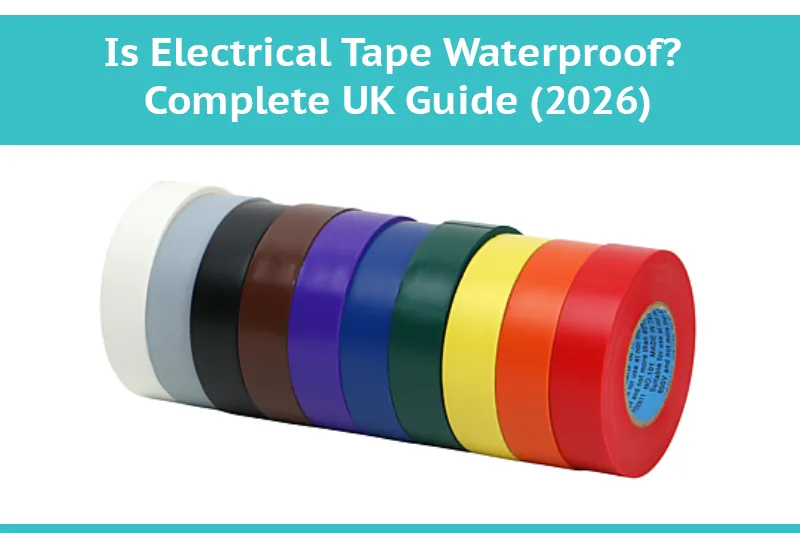
At its core, this tape is a vinyl or rubber material designed to block current. It’s used to cover exposed conductors, bundle wires together, and mark specific phases in a circuit. Many people assume any sticky tape will work for electrical repairs, but this is a mistake that can lead to melting or short circuits because standard tapes lack the heat resistance required for wiring.
You should always look for a label indicating the tape is rated for electrical use. If you’re working in extreme cold, use a specialized low-temperature vinyl tape; if you’re working in high-heat areas, choose a silicone-based rubber tape. The primary rule is that the tape must maintain its bond without becoming brittle or gooey when temperatures change.
How to apply electrical tape correctly
- Clean the surface: Wipe the wire or joint with a dry cloth to remove oil, dust, or grease so the adhesive sticks properly.
- Strip the insulation: If you’re joining wires, ensure the metal ends are clean and twisted together tightly before applying any covering.
- Start the wrap: Begin the wrap about one inch back from the insulation on the wire, overlapping the tape by half its width.
- Maintain tension: Pull the tape slightly as you wrap to ensure it conforms tightly to the wire and creates a secure seal, but don’t stretch it to the point where it snaps.
- Finish the wrap: Continue wrapping past the joint onto the insulation on the other side, then tear or cut the tape cleanly.
- Seal the end: Press the final inch of the tape firmly against the existing layer to prevent it from peeling back over time.
A good result depends on the tension you apply. If you wrap too loosely, the tape will fall off when the wires move; if you pull too hard, the tape will eventually shrink and leave the joint exposed. If you’re dealing with high-voltage lines, this isn’t a DIY task; you must contact a licensed electrician to avoid injury.
Essential figures and settings
| Situation | Type of tape | Tension level | What to watch for |
|---|---|---|---|
| Household wiring | Standard vinyl | Moderate | Adhesive residue |
| Outdoor exposure | Weather-resistant | High | UV cracking |
| High heat areas | Silicone rubber | Tight | Melting or sag |
| Color coding | Colored vinyl | Light | Fading colors |
| Bundle management | Thick vinyl | Firm | Tape bunching |
This assumes a standard wire thickness. For thicker cables, you should apply a second layer to ensure the insulation thickness matches the original factory covering.
Expert habits for lasting repairs
Experienced users always prepare their work area by keeping it dry and well-lit. They never use a knife or sharp tool to cut the tape if it risks nicking the wire insulation underneath. Instead, they pull the tape until it snaps or use safety scissors. When working on a bundle of wires, they group them first to ensure the tape doesn’t twist or bunch up, which prevents a tight seal.
They also check their work partway through by gently tugging on the tape to see if it moves. If the tape slides, they remove it and start again, as a loose wrap will never be safe. They leave the ends of the tape slightly rounded rather than leaving sharp, jagged edges that catch on other items and peel away.
Fixing common tape problems
| What you notice | What it means | What to do first |
|---|---|---|
| Tape is peeling | Poor adhesion | Clean the surface again |
| Sticky residue | Overheating | Replace with rubber tape |
| Tape is brittle | UV damage | Use weather-rated tape |
| Wires are exposed | Too thin | Apply another layer |
If you see signs of melting, stop using the device immediately. A burnt smell or blackened tape indicates a short circuit or an overloaded wire that requires a professional inspection.
Regulations and safety standards
Safety guidelines require that all electrical repairs meet local building codes. In the United States, the National Electrical Code provides the standards for how wires must be insulated and secured within a building. If you’re working on a main panel or high-voltage equipment, you must follow these specific codes to ensure your home remains insurable and safe from fire risks.
Always verify your local requirements, as cities often add their own rules to these national standards. Using the wrong material on a permanent connection can void your homeowner’s insurance policy in the event of a fire.
Maintaining your electrical repairs
Once your repair is finished, keep the area dry and free from heavy vibrations. Most vinyl tapes hold their bond for several years, but you should inspect them periodically for signs of cracking or peeling. If the tape starts to lose its grip, don’t simply wrap more tape over the top.
Remove the old layer, clean the wire again, and apply a fresh piece to ensure the insulation is solid. If the tape feels soft or sticky to the touch, this is a sign that the adhesive is breaking down and the tape is due for replacement.
Situations requiring a different approach
If you’re working with underground wiring, standard electrical tape won’t protect against moisture. Use a heat-shrink tube or a waterproof gel-filled connector instead, as these create a permanent seal that tape can’t match. If you’re repairing a damaged power cord for an appliance, don’t rely on tape at all.
The internal wires can break or fray, which creates a fire hazard even if the outside looks fine. In this case, you should replace the entire cord or take the appliance to a qualified repair shop.
Frequently asked questions
Can I use electrical tape on water pipes?
No, electrical tape isn’t designed for plumbing. It won’t create a watertight seal and will likely leak within hours. Use professional-grade plumbing tape or repair putty specifically made for sealing water leaks to avoid damage to your home.
How long does electrical tape last?
It typically lasts for a limited duration in a controlled indoor environment. If the tape is exposed to direct sunlight or high heat, it will degrade much faster and should be inspected more frequently for signs of failure.
Is it safe to use on frayed cords?
No, it isn’t safe to use tape as a permanent fix for frayed cords. You should replace the cord entirely, as the internal metal strands may be broken and continue to heat up even if they’re covered by tape.
Can I use clear tape instead?
No, you should never use clear adhesive tape or duct tape for electrical work. These materials aren’t rated for electrical insulation and can melt or catch fire when exposed to the heat that wires naturally produce during use.
Why is my tape not sticking?
The surface is likely dirty or oily. Wipe the area down with a clean, dry cloth or a small amount of rubbing alcohol, let it dry completely, and apply a new piece of tape to ensure it sticks firmly.
What happens if the tape gets hot?
The adhesive will turn into a liquid and the vinyl will become soft or brittle. This creates a safety risk because the tape will no longer provide a protective layer, potentially leading to a short circuit or fire.
How many layers should I apply?
You should apply at least two layers for most standard repairs. This ensures there are no gaps in the coverage and provides enough thickness to protect the wires from light physical contact or rubbing against other surfaces.
Conclusion
Always ensure that any work you perform on your home wiring complies with your local building regulations, as improper repairs can create significant safety hazards that are difficult to detect until a failure occurs.
