
Electrical engineering is considered difficult because it requires a strong grasp of advanced mathematics, physics, and complex circuit theory to solve technical problems. Most students find that the main challenge is moving from abstract concepts to practical applications. If you enjoy solving logical puzzles and have a good foundation in calculus, you’ll likely find the subject rewarding rather than overwhelming.
The core of the field involves understanding how invisible forces like electricity and magnetism behave in controlled environments. This requires a shift in thinking from how things look to how systems function at a microscopic level. It’s common to feel stuck when you first encounter multivariable calculus or electromagnetic field theory.
A common mistake is trying to memorize formulas without understanding the underlying physical principles. This approach fails because circuit problems often change slightly, and a memorized equation won’t help you adapt. If you spend time visualizing the flow of electrons through a component, you’ll solve problems faster than those who rely solely on rote learning.
What makes electrical engineering difficult
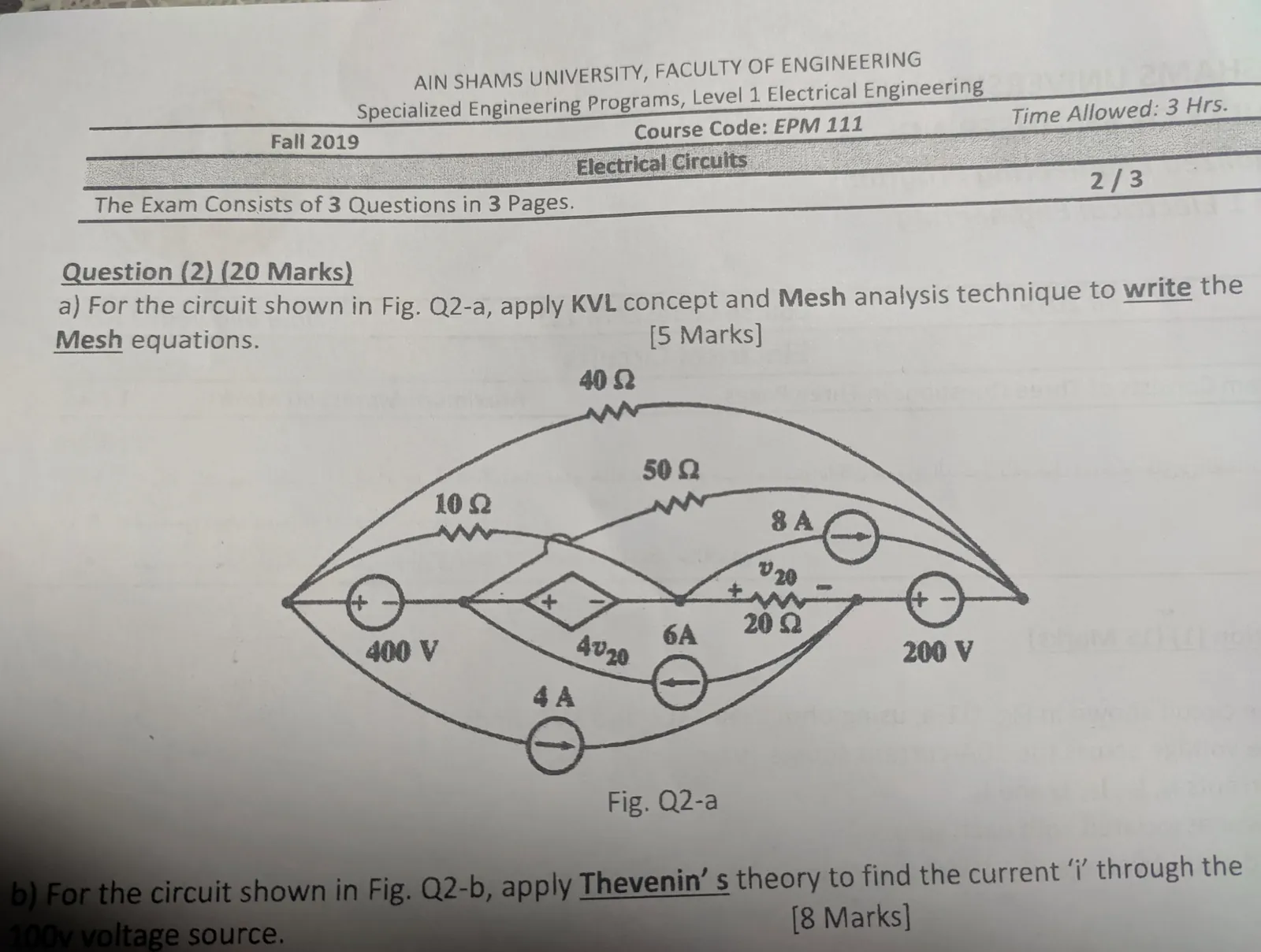
To master the field, you must build a strong foundation in the basics before moving to advanced design. This process takes time, and you shouldn’t rush through the core modules.
Master your foundational mathematics including calculus, linear algebra, and differential equations. These tools allow you to model real-world signals and systems accurately. If your math is shaky, you’ll struggle to interpret the output of any simulation tool.
Learn the core laws of circuits, such as Ohm’s Law and Kirchhoff’s laws, which govern how current and voltage behave. You can find official definitions and standard practices from the Institute of Electrical and Electronics Engineers.
Practice using simulation software like SPICE to test your designs before building them. This helps you catch errors without wasting physical components or risking damage to hardware. If your simulation shows a current spike in a steady-state model, don’t build the board until you find the source of that oscillation.
Build small projects using breadboards and basic components to see the theory in action. Start with simple LED circuits and move toward microcontrollers once you understand voltage drops. If you can’t explain the heat generated by a resistor in a simple circuit, you aren’t ready to design power electronics.
Collaborate with peers to solve complex problem sets. Engineering is rarely a solo task in the workplace, and talking through your logic helps you find gaps in your own understanding.
Always check your units before finishing a calculation. A common error is mixing up millivolts and volts, which can lead to catastrophic hardware failure. If your result is off by a factor of 1,000, recheck your prefixes immediately.
Time Needed for Mastery
The time it takes to become proficient depends on your starting knowledge and how often you apply these concepts. Most students spend four years in a structured program, but true mastery continues as technology evolves.
| Experience Level | Time to Proficiency | What Changes It | What to Watch For |
|---|---|---|---|
| Beginner | 6-12 months | Prior math knowledge | Complex algebra errors |
| Intermediate | 2-3 years | Project complexity | Component limitations |
| Advanced | 5+ years | Industry specialization | Rapid technology shifts |
If it takes significantly longer than these ranges, focus on one specific sub-field like power systems or digital logic rather than trying to learn everything at once.
A common mistake is treating passive reading as active practice. You gain true proficiency only when you move from following tutorials to troubleshooting your own failed circuits. If your project works on the first try, you have learned nothing; if it fails, you have found the boundary of your current skill.
Apply this rule: if you can explain the theory but can’t predict the failure mode of a specific component, you’re still a beginner. If you can predict the failure but can’t fix it, you’re intermediate. Mastery arrives when you can design the system to avoid that failure entirely.
Signs of Progress

You know you’re making progress when you can look at a schematic and predict how the circuit will behave before you build it. You should be able to identify where a signal is losing strength or why a voltage regulator is overheating. If you can explain these concepts to someone else in simple terms, you have moved past rote memorization.
The final test is your ability to troubleshoot a non-working prototype. When a circuit fails, you shouldn’t just guess; you should use a multimeter to check voltage levels at specific nodes. If your measurements match your theoretical calculations, you’re thinking like an engineer.
Most beginners mistake a working circuit for skill, but true mastery appears when you can intentionally break a design to test its limits. If your circuit works but runs hot, check the current draw against the datasheet’s thermal limits. If the draw exceeds 80% of the rated capacity, you have a design flaw, not a success.
Common Mistakes That Hinder Learning

Ignoring the datasheet is the fastest way to burn through your budget. Many students skip the technical manual, leading to components operating outside their safe voltage or current limits. Always check the absolute maximum ratings section before applying power.
Skipping the simulation phase turns simple troubleshooting into a guessing game. Building circuits directly on a breadboard without verifying them in software often leads to short circuits and blown fuses. If your circuit involves complex timing or high-frequency signals, run a transient analysis first. This reveals if your system reacts to loads in ways your intuition missed.
Underestimating the math creates a ceiling for your designs. While you can build basic kits with arithmetic, calculus is the native language of signals and control systems. If you can’t derive a transfer function, you’re guessing rather than engineering. Dedicate three hours a week to extra tutorials early on to avoid hitting a wall in your advanced design courses.
Related guides
- 5 Best Glue for Floating Engineered Wood Flooring Picks in 2026
- 7 Best Drill Bits for Electrical Rough In: Expert Picks in 2026
- Bidet Toilet Seat Electrical Requirements: A Safety Guide in 2026
Frequently asked questions
How much math is involved in electrical engineering?
You’ll need to use calculus, differential equations, and complex numbers every day to analyze circuit behavior, as these subjects provide the foundation for understanding how signals change over time in a system.
Is it safe for a beginner to work with electricity?
Yes, it’s safe as long as you work with low-voltage direct current (DC) sources like batteries. Never attempt to work with mains power or high-voltage lines, as these can cause severe injury or death. Always keep your workspace clean and ensure your power supplies are rated for the projects you’re building. If you’re ever unsure about a circuit’s safety, stop immediately and consult an experienced mentor.
How long does it take to get an engineering degree?
A standard undergraduate degree in this field takes four years of full-time study to complete. This timeframe assumes you’re taking a full course load and meeting all prerequisites each semester. If you’re studying part-time or transferring credits from other programs, it may take longer. You should check the specific curriculum requirements of your chosen university to see how your personal schedule fits their program structure.
What happens if I fail a circuit design?
Failing a design is a normal part of the learning process that helps you identify weak points in your logic. You should analyze where the circuit failed—such as a blown resistor or an incorrect signal path—and adjust your model accordingly. This cycle of building, failing, and fixing is how you gain actual experience. Most engineers learn more from their failed prototypes than from the ones that worked perfectly the first time.
Can I learn electrical engineering on my own?
You can certainly learn the fundamentals and build basic projects through self-study, but a formal degree is usually required for professional practice. Self-study is great for hobbyists, but industry roles often require accredited training and specialized knowledge. If you want to work on large-scale infrastructure or complex electronics, you’ll need the structured environment of a university program to gain the necessary certifications and hands-on laboratory time.
Conclusion
Don’t let the technical reputation discourage you if you’re genuinely curious about how the world works. It’s a field that rewards persistence and creative thinking. You shouldn’t hesitate to sign up for an introductory physics course this semester; it’s the best way to see if this path is right for you.
