
The Amazon affiliate links to products below may earn us a commission on qualifying purchases, as an Amazon Associate. It costs the reader nothing at all.
Finding the best wood sealer before epoxy is about matching the right resin to your specific wood condition. You’re essentially looking for a product that can soak deep into the fibers to create a stable, non-porous foundation before your final pour. Low-viscosity resins travel further into the grain, while faster-setting options help if you’re working on a tight schedule. Choose based on whether your wood is healthy or damaged, as the chemistry behind these products changes depending on the job.
1. TotalBoat Clear Penetrating Epoxy Wood Sealer

Best for: General woodworking and boat restoration projects.
This two-part epoxy system is designed to harden rotted wood and provide a stable base for paints or varnishes. Because it has low viscosity, it flows into the wood fibers easily, which helps stop rot and protects the surface from future damage.
You’ll find this easy to work with due to its simple two-to-one mix ratio. It’s a versatile choice for everything from softwoods like pine to hardwoods like mahogany, making it a reliable staple for most workshops.
What goes smoothly:
- Easy two-to-one mix ratio.
- Works on both soft and hard wood types.
- Useful for stopping rot in boat restoration.
- Cleans up with simple soap and water.
What you have to accept:
- Formula selection depends on your ambient temperature.
2. Smith’s Original Clear Penetrating Epoxy Sealer™ (CPES) 2 Pint

Best for: Deep penetration into porous or damaged surfaces.
This sealer is made primarily from resins to ensure it travels up to 1/4 inch into the wood. It’s a top choice for historic restorations because it remains breathable while providing a strong, moisture-resistant barrier.
You’ll appreciate the extended pot life, which removes the pressure of working against a fast clock. It cures well even in cooler temperatures, though it requires a full 72 hours for a complete cure.
Who it fits This is ideal for users restoring decks, docks, or older furniture that needs deep stabilization. It suits those who prioritize long-term durability over a quick turnaround.
Who should pass Avoid this if you need a fast-curing sealer for a project you want to finish in a single afternoon. It isn’t designed for projects where a rapid cure is the primary goal.
3. WiseBond Quick Set Seal Epoxy Resin Wood Sealer

Best for: Speed-focused epoxy river table projects.
This resin system is built specifically for fast drying. It’s a popular choice for live edge slabs and countertops because it prevents air bubbles from rising through your final epoxy pour.
The 1:1 mix ratio makes it very simple for beginners to measure and use correctly. You get a 12-15 minute pot life, so it’s best to have your project ready to go before you begin mixing.
What goes smoothly:
- Fast two to three hour cure time.
- Simple one-to-one mixing ratio.
- Excellent at preventing air bubbles in river tables.
- Allows for tinting with mica powders or pigments.
What you have to accept:
- Very short pot life of 12-15 minutes.
4. Stone Coat Woodshop Epoxy Penetrate
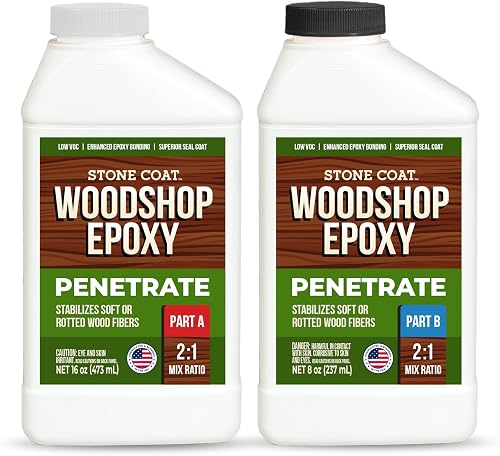
Best for: Pre-sealing live edge wood slabs.
This low-viscosity formula is engineered to saturate porous wood fibers, which creates a strong base for laminating or casting. It’s particularly effective at reducing bubble release when you move on to your top-coating layers.
You can thin this product with up to 50% solvent, such as acetone, if you need even deeper penetration. It offers a 25-30 minute pot life, giving you a bit more breathing room than the fastest-curing alternatives.
Who it fits This is a great match for woodworkers creating river tables or furniture who need to lock down wood fibers. It’s perfect for those who want a professional finish without delamination issues.
Who should pass Skip this if you’re looking for a simple, non-solvent-thinned sealer for small, quick repairs. The requirement for potential thinning adds a step that some hobbyists may prefer to avoid.
5. MAS Epoxies Penetrating Epoxy Resin Wood Sealer

Best for: Large-scale woodworking and restoration.
This marine-grade resin is designed to reinforce and protect bare wood by penetrating deep into the surface. It’s effective on a wide variety of materials, from particle board and plywood to dense hardwoods like teak.
Like other marine-grade options, it’s free of VOCs and harsh fumes, which is a benefit if you’re working in a smaller workshop. The blending ratio is consistent and reliable for larger projects.
What goes smoothly:
- Low viscosity for deep wood saturation.
- No VOCs or harsh fumes during application.
- Compatible with a wide range of soft and hard woods.
- Available in multiple kit sizes for different project scales.
What you have to accept:
- Requires careful measuring of the resin and hardener components.
6. System Three S-1 Sealer Kit

Best for: Multi-material sealing and priming.
This sealer is unique because it works on concrete and metal in addition to wood. Because it’s completely waterproof, it’s a strong candidate for projects that will face salt air or high moisture environments.
The extended 24-hour pot life is excellent for large projects where you don’t want to rush your application. It uses a 1:1 ratio, making it very straightforward to mix in small or large batches.
Who it fits This is best for users who have projects involving multiple materials, such as a wood-and-metal furniture piece. It’s also a solid choice for those working in humid or marine environments.
Who should pass Don’t choose this if you’re only working on small, interior decorative items where the waterproof properties are unnecessary. It’s a more robust product than many basic furniture projects require.
7. Zinsser Bulls Eye SealCoat Universal Sanding Sealer

Best for: Universal compatibility with clear finishes.
This is a sanding sealer that stands out for its ability to work with all clear wood finishes. It dries very quickly, which helps you move through your sanding and recoating steps in minutes rather than hours.
It resists yellowing, making it a safe choice for light-colored woods. Cleanup is simple, as you only need alcohol or ammonia and water to wash your brushes.
What goes smoothly:
- Fast drying for quick sanding and recoating.
- Doesn’t yellow or darken with age.
- Works with all clear wood finishes.
- Easy cleanup with simple household solvents.
What you have to accept:
- Not a structural epoxy for rot repair.
8. AQUA COAT X-119 Water-Based Sanding Sealer

Best for: Professional-grade furniture and cabinet finishes.
This water-based sealer is designed to provide a high-build finish that dries tack-free in 15-20 minutes. It’s a specialized tool for furniture makers who need a fast, clear, and easy-to-sand base.
Because it’s self-crosslinking, it offers excellent adhesion for your topcoat. It’s versatile enough to be applied by spray, brush, or foam pad, depending on your shop setup.
Who it fits This is perfect for furniture and cabinet makers looking for a high-quality, professional base layer. It’s for those who value speed and a smooth, sandable surface.
Who should pass Avoid this for structural wood repair. It’s a finish-prep product, not a wood hardener or rot-consolidating epoxy.
9. 1 qt Minwax 65700 Clear Sanding Sealer Water-Based
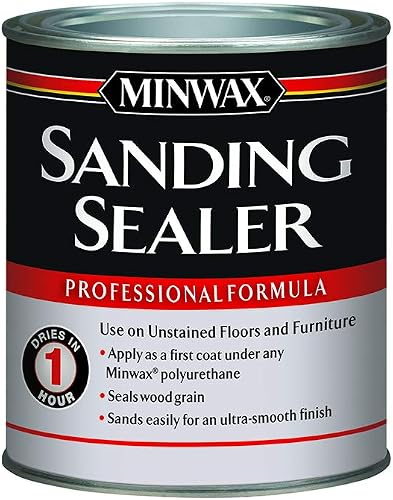
Best for: Standard interior wood preparation.
This water-based formula is well-known for its ability to seal wood grain and sand easily. It’s designed specifically for bare wood, such as cabinets, doors, and furniture, before you apply your final polyurethane finish.
It dries rapidly, allowing you to complete your sealing and top-coating in a single day. It’s an accessible choice for those who want a reliable, widely available brand for interior projects.
What goes smoothly:
- Dries quickly for same-day finishing.
- Very easy to sand for a smooth surface.
- Compatible with both oil and water-based topcoats.
- Cleans up easily with water.
What you have to accept:
- Recommended for interior use only.
10. System Three RotFix

Best for: Targeted rot repair and consolidation.
This product is specifically formulated to penetrate rotted or deteriorated wood and turn it into a solid, waterproof base. It’s a low-viscosity epoxy that’s meant to be used as a primer before you apply filler putty.
Each kit includes a measuring application bottle, which helps ensure you get the ratio right for small repairs. It’s a focused tool for restoration work rather than general sealing.
Who it fits This is for the person fixing structural issues in older wood, such as window frames or porch posts. It’s best for those who need a solid foundation for wood filler.
Who should pass Don’t use this for general surface sealing of healthy wood. It’s specifically engineered for restoration, and other products are better suited for simply sealing grain.
The Decision Filter
You must first define if you’re repairing structural rot or just preparing healthy wood for a finish. If the wood feels soft or crumbles, you need a penetrating epoxy sealer designed for consolidation. Most people miss this: they assume a sanding sealer will work for rot, but sanding sealers provide no structural strength. If you’re doing a river table, prioritize bubble prevention and cure speed. If you’re restoring a boat, prioritize waterproof performance and long-term rot protection. Always confirm the temperature range of the product matches your workspace.
The Thirty-Second Checklist
- Is the wood currently soft, punky, or showing signs of rot?
- Will the finished project be kept outdoors or near water?
- Do you need to apply a topcoat in the same day?
- Are you working in a cold or a warm environment?
- Do you have experience mixing epoxy components accurately?
- Is your goal to prevent bubbles in a deep epoxy pour?
Three Regrets Worth Avoiding
Regret #1: Choosing a fast-cure sealer for a large, complex project. If you have a large slab, a 15-minute pot life will lead to panic and uneven coats. Always check the pot life and match it to your project size.
Regret #2: Using a sanding sealer for structural repair. Sanding sealers are for surface smoothness, not for hardening damaged wood fibers. If the wood is damaged, use a dedicated penetrating epoxy sealer instead.
Regret #3: Ignoring the temperature requirements listed on the kit. Epoxy chemistry is highly sensitive to heat and cold, and using the wrong formula for your shop temperature will lead to bubbles or a failure to cure. Always verify the temperature range before you mix.
If You Want This, Look for That
| If you want… | Look for | Avoid |
|---|---|---|
| Deep rot repair | High penetration resin | Sanding sealers |
| River table prep | Fast cure time | High viscosity fillers |
| Marine durability | Waterproof rating | Interior-only formulas |
| Smooth finish prep | Easy-sand formula | Structural epoxy |
When two products seem identical, choose the one with the pot life that matches your skill level. A longer pot life is always safer for beginners. Once you have your pick, read the mixing instructions twice before opening the containers, as ratios are critical for a proper cure.
Frequently Asked Questions
Does penetrating sealer change the color of my wood?
Most penetrating sealers are designed to be clear, but they will often create a “wet look” that deepens the natural tone of the wood. This is similar to how wood looks when it’s damp, and it’s generally considered a benefit for grain enhancement. Always test on a scrap piece if you’re concerned about the final shade.
Can I apply these sealers over existing paint or varnish?
No, these products are intended for bare, porous wood so they can penetrate the fibers. If you apply them over paint or varnish, they will sit on the surface rather than soaking in, which leads to poor adhesion. You must sand the wood down to the bare fibers before application for the best results.
How do I know if I have the right mix ratio?
Proper mixing is essential for the chemical reaction to occur. Use a graduated mixing cup to ensure you’re measuring the resin and hardener exactly as the manufacturer specifies.
Is it safe to use these sealers indoors?
Many modern epoxy sealers are formulated with low or no VOCs, making them safer for indoor use than older solvent-based products. However, you should still ensure your workspace has good ventilation. If you’re sensitive to fumes, look specifically for labels that mention low-VOC or solvent-free formulas.
How long does the sealer last in the bottle?
Most epoxy kits have a decent shelf life if the caps are sealed tightly and stored in a cool, dry place. Always buy only what you need for your current project to ensure the freshest product.
Final Thoughts
Take a small scrap piece of your project wood and test your chosen sealer first. It’s the best way to see how the grain reacts before you commit to the entire surface. Once you’re happy with the results, you’ll feel much more confident about pouring that final, crystal-clear layer.