
A bingham plastic is a material that acts like a solid until it reaches a specific level of stress, after which it flows like a liquid. Common examples and applications involve substances that won’t move if you apply a small amount of force. If the force exceeds the yield stress, the material begins to flow and behaves like a viscous fluid.
Bingham plastic examples and applications
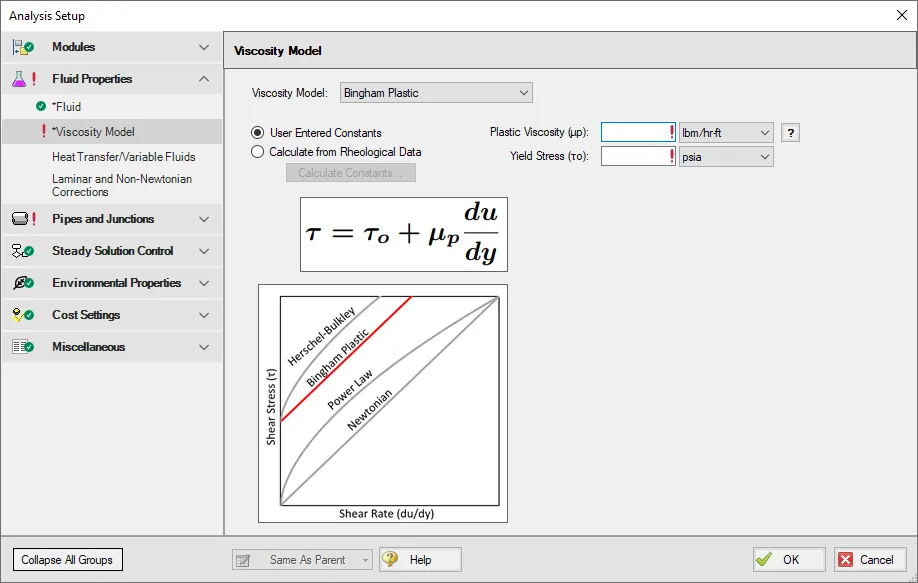
You can identify these materials by their unique resistance to flow. While a standard liquid flows as soon as you touch it, these substances require an initial push to overcome internal friction. Once that threshold is passed, they move predictably.
Think of this as a yield stress: the material acts as a solid until the applied force exceeds its internal structure. If you apply a force below this limit, the substance remains static. If you exceed it, the viscosity drops, allowing the fluid to move.
Toothpaste is a classic example that sits in a tube without flowing until squeezed. Mayonnaise maintains its shape on a spoon but spreads easily when you apply pressure. Drilling mud used in oil wells carries rock cuttings to the surface when pumped. Paint stays on a brush or a wall without dripping because of its yield stress. Tomato ketchup often requires a tap or shake to initiate its flow from the bottle.
A common mistake is assuming these fluids behave like water under low pressure. This leads to clogged pipes or uneven applications. Always test the yield point before scaling your process.
Why these materials flow differently
The physics of this behavior relies on the internal structure of the material. Many of these substances consist of particles suspended in a liquid base. At rest, these particles lock together to form a network that resists gravity. This keeps the material in a solid-like state.
When you apply force, you’re essentially breaking this internal network. If the force applied is lower than this limit, the material remains static. Once the force is high enough to break the bonds, the particles slide past each other, and the material flows.
Not all thick fluids behave this way. Ketchup thins out when shaken because its particle bonds weaken under shear. Mayonnaise holds its shape on a knife until you push hard enough to exceed its yield point. Confusing the two leads to equipment failures.
This mechanism explains why thick substances don’t simply run off a surface. The yield stress acts as a gatekeeper for movement. If you’re working with these fluids in a factory or kitchen, you must account for this initial resistance. If the pump pressure or manual force is too low, the material stays blocked in the pipe or container.
Situations where flow behavior changes
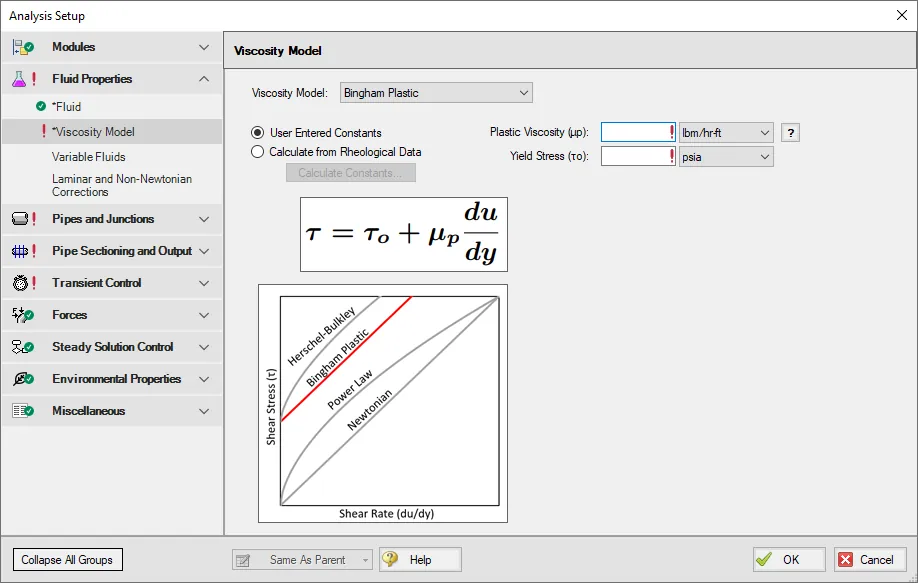
The way these materials act depends on environmental factors. A change in temperature or particle concentration can turn a free-flowing liquid into a stubborn solid.
| Condition | What changes | What to do instead |
|---|---|---|
| High heat | Lower yield stress | Use less force to move |
| Cold storage | Higher yield stress | Warm it to restore flow |
| High concentration | Thicker consistency | Increase pump pressure |
| Shear thinning | Lower viscosity | Maintain constant motion |
| Added solvents | Reduced yield stress | Use caution to avoid spills |
You must agitate the mixture before attempting to pump it.
Most operators mistakenly increase the motor speed immediately when flow slows. This often causes cavitation rather than movement.
Distinguish between these two states by checking the surface. A liquid that ripples when tapped is merely cold. A liquid that remains rigid under light pressure is over-concentrated. If you see rigid peaks, stop the pump to prevent mechanical failure.
How to handle these materials correctly
Measure the yield stress of your specific material using a viscometer or rheometer to know the exact force required for movement.
Select a pump or applicator designed for non-Newtonian fluids. Standard centrifugal pumps often fail to move high-yield materials because they lack the necessary torque to initiate flow. Use a positive displacement pump instead to ensure consistent pressure.
Apply force steadily rather than in quick pulses to avoid trapping air bubbles. Trapped air creates compressible pockets that cause erratic flow rates and potential structural voids in your finished product.
Warm the material slightly if it becomes too thick to move, but check the data sheet to ensure heat doesn’t ruin the chemical structure. If you notice a color change or separation, you have exceeded the thermal threshold.
Maintain a constant flow rate once movement begins. Stopping allows the internal network to reform, which can permanently block your pipes.
Clean all equipment immediately after use. These materials harden rapidly once shear force stops, creating stubborn, permanent clogs.
Mistakes that ruin the flow
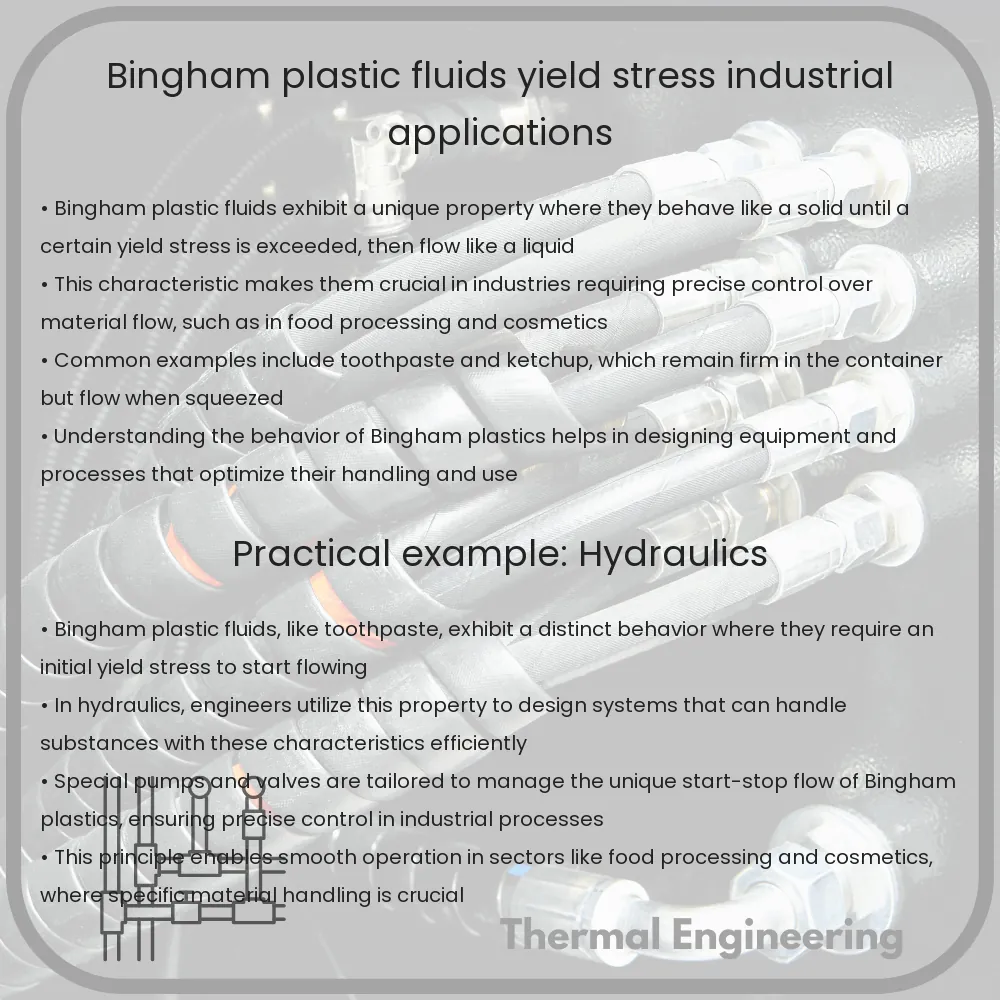
Using too little force at the start leads to a plug or blockage in your pipes.
Ignoring temperature changes makes a substance much thicker than your equipment can handle.
Adding too much solvent destroys the yield stress and turns the product into a runny liquid. If the mixture looks translucent, you have already exceeded the saturation limit.
Stopping the pump mid-process allows the material to reset into a solid state. If you must pause, flush the lines with a neutral carrier fluid immediately to prevent a total line failure.
Related guides
- Ancillary Equipment Types and Examples: A Complete Guide
- How Slurry Polishing Works: Process and Industrial Applications
- How a Kettle Type Reboiler Works and Its Industrial Applications
Frequently asked questions
Does a bingham plastic behave like a solid?
It acts like a solid only when the applied stress is below its specific yield point. If you don’t push hard enough, the material will hold its shape indefinitely. Once you exceed that threshold, it transitions into a liquid state and flows until the force drops again.
How do I calculate the yield stress?
You calculate it by performing a stress sweep test using a laboratory rheometer. The device slowly increases the force applied to the sample until it detects the first signs of movement. The value at that exact moment is the yield stress, which is measured in Pascals.
Is it safe to heat these materials?
It’s generally safe to heat them if you stay within the temperature range listed on the manufacturer’s safety data sheet. Excessive heat can permanently change the chemical properties or destroy the suspension, so always check the documentation before applying heat to a specific industrial product.
What happens if I use a standard pump?
A standard pump often fails to move these materials because it can’t generate the initial force needed to break the yield stress. If the pump isn’t rated for high-viscosity or yield-stress fluids, the motor may overheat or the material will simply sit still while the impeller spins.
Why does my ketchup not come out?
Ketchup doesn’t come out because its yield stress is higher than the force of gravity acting on it. You must provide an external force, such as tapping the bottle or squeezing it, to exceed the yield stress and allow the material to begin flowing out of the opening.
Does the container size matter?
The size of the container doesn’t change the material’s properties, but it changes the force you need to apply. A larger volume of material exerts more weight, which can help initiate flow at the bottom, but the inherent yield stress of the substance itself remains constant regardless of the container.
Conclusion
Understanding these materials helps engineers design better systems for pumping thick substances like toothpaste or drilling mud. You’ll find that observing how your own household products react to pressure offers a great way to see these principles in action. Give it a try next time you’re in the kitchen or workshop.
