
You can fix high pH and low alkalinity in a hot tub by raising the total alkalinity first to stabilize the buffer, then adjusting the pH if necessary. Most owners add muriatic acid or sodium bisulfate, let the water circulate for an hour, then add an alkalinity increaser if total alkalinity is still below 80 ppm. The process takes about 24 hours of circulation and repeated testing to settle correctly.
What High pH and Low Alkalinity in a Hot Tub Actually Means
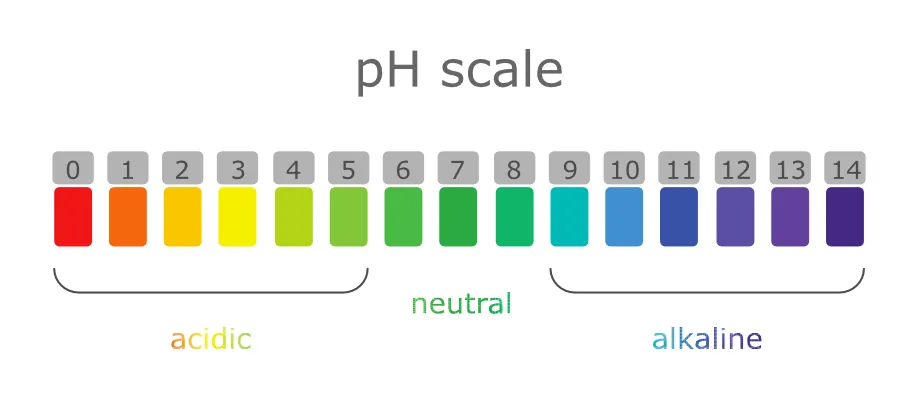
When your water has high pH but low alkalinity, it feels unstable and hard to control. Total alkalinity acts as a buffer that keeps the pH from swinging wildly up or down. Without enough of this buffer, even a small amount of bather waste or rain can spike the pH to dangerous levels within hours.
While raising alkalinity with sodium bicarbonate may cause a slight temporary rise in pH, it’s the necessary first step to establish a buffer; without it, the pH will remain unstable and difficult to control. You must lower the pH before you try to build up the alkalinity buffer.
If you skip this step, you’ll end up using more chemicals than necessary and wasting money on products that don’t work. The chemistry here is simple: acid lowers both values, while alkalinity increasers raise both. You need to manage them in the right sequence to avoid a chemical roller coaster.
If your pH sits above 7.6, adding sodium bicarbonate will raise the pH slightly, but this is acceptable as it establishes the necessary buffer for stable pH control. In this specific case, you should add an alkalinity increaser first to raise the buffer level, then adjust the pH if it remains too high. Wait at least four hours after the acid addition to let the water circulate fully before testing again.
A common mistake is assuming the test strip reading is final immediately after pouring; the water needs time to mix evenly. If you rush this process, you might add too much acid later, crashing the pH to 6.5 and requiring yet another correction cycle. This back-and-forth costs extra in chemicals and risks damaging pool equipment through corrosion.
Check the manufacturer’s label for the exact ounces needed per 10,000 gallons based on your current reading. Follow the math precisely rather than guessing, as a single cup of acid can drop pH by 0.2 points in smaller pools.
Steps to fix the water balance
Follow these steps in order to bring your water back to a safe range without overshooting. Always wear gloves and eye protection when handling pool or spa chemicals. Never mix different chemicals together in a bucket, as this can create dangerous gas or heat.
- Turn on the jets and heater to circulate the water fully for at least 30 minutes before you test. This ensures the sample you take represents the whole tub, not just one corner.
- Test the water with fresh test strips or a liquid kit to get your current pH and total alkalinity numbers. Write these down so you can track changes after each dose.
- Add muriatic acid or sodium bisulfate to lower the pH to between 7.2 and 7.4. For a standard 400-gallon tub, start with 4 ounces of liquid acid or 2 ounces of dry granules poured into the deep end away from the jets.
- Run the pump for one full hour without adding anything else. Don’t test again until the water has mixed completely, or you’ll get a false reading.
- Re-test the water. If the pH is now in the 7.2–7.6 range but alkalinity is still under 80 ppm, proceed to the next step. If the pH is still too high, repeat step 3 with half the previous dose.
- Add an alkalinity increaser (sodium bicarbonate) only if the pH is stable. Use about 1.5 pounds for every 1,000 gallons to raise alkalinity by 10 ppm, adjusted for your tub size.
- Circulate the water for another hour and test one final time. If the numbers are close, wait 24 hours before swimming to let the chemistry settle.
The single most important judgement call here is knowing when to stop adding acid. If you drop the pH too fast, you risk damaging metal parts and irritating skin. It’s better to add less acid and wait than to dump in a large dose hoping it works. If your tub is very small or holds less than 300 gallons, reduce all chemical amounts by half to avoid shocking the system.
Key numbers and settings at a glance
These figures show exactly what to aim for based on your current water state. Always check your specific brand’s label, as concentrations can vary slightly between products.
| Situation | What to use | How long | What to watch for |
|---|---|---|---|
| pH above 7.8, Alkalinity below 80 ppm | Muriatic acid or Sodium Bisulfate | 1 hour circulation | Watch for rapid pH drops; retest before adding more |
| pH 7.4–7.6, Alkalinity below 80 ppm | Sodium Bicarbonate (Baking Soda) | 1 hour circulation | Ensure pH doesn’t rise above 7.8 during treatment |
| pH above 8.0, Alkalinity normal (100+ ppm) | Acid only, small doses | 30 minutes circulation | Avoid lowering alkalinity below 80 ppm accidentally |
| Cloudy water with high pH | Shock chlorine + Acid | 24 hours total | Wait for clarity before adjusting alkalinity further |
| Skin irritation and scaling | Acid + Filtration run | 2 hours continuous | Check filter pressure after cleaning cycle |
| Low alkalinity causing pH swing | Sodium Bicarbonate | 1 hour circulation | Retest every 30 minutes until stable |
| Very small tub (under 300 gal) | Half standard dose | 45 minutes circulation | Mix thoroughly to prevent localized chemical burns |
Details that make the difference
Experienced owners know that timing and temperature change how chemicals react in a hot tub. Cold water absorbs acid slower than warm water, so you may need to run the heater slightly longer if the water is below 95°F.
Always pour dry chemicals into a bucket of water first before adding them to the tub; dumping powder directly onto the liner can cause permanent white spots. Liquid acid should be diluted in a plastic bucket before pouring to prevent etching the surface near the drain.
Another critical detail is the order of operations when multiple problems exist. If you have high pH, low alkalinity, and cloudy water, treat the pH first. Adding shock chlorine to high-pH water makes the sanitizer ineffective, meaning you might keep adding chlorine without killing bacteria.
Let the pH stabilize in the 7.4 range before you worry about clarity or sanitizer levels. Also, never add chemicals while people are in the tub. Even a small splash of concentrated acid can cause serious injury.
One mistake people make is testing immediately after adding chemicals. The water needs time to mix, usually at least an hour of strong circulation. Testing too soon gives a reading that reflects the spot where you poured the chemical, not the whole tub. This leads to over-dosing, which wastes money and creates new imbalances. Always wait the full hour, then stir the water gently with a clean pole before taking a sample.
Quick fixes for common issues

If your water behaves strangely, match the symptom to the likely cause and follow the first step listed. Don’t guess; checking the specific number saves you from making the problem worse.
Adding acid to fix a pH spike without testing alkalinity first is the most common mistake here. The pH will drop, then bounce right back up by morning. You end up chasing the number all week while the water turns harsh.
Always test total alkalinity before you touch the pH. If alkalinity sits below 80 ppm, raise it with sodium bicarbonate first. Wait four hours with the pump running, then retest and adjust pH.
| What you notice | What it usually means | What to do first |
|---|---|---|
| pH jumps up within 24 hours | Alkalinity is too low to buffer changes | Add sodium bicarbonate to raise alkalinity to 80–100 ppm |
| Water looks milky or cloudy | High pH causing calcium precipitation | Lower pH slowly with acid and run filter continuously |
| Eyes sting and skin feels dry | pH is too high (above 7.8) | Add acid to bring pH down to 7.4 immediately |
| Scale buildup on walls | Long-term high pH and hardness | Drain and refill if scale is thick; otherwise scrub gently |
| Chlorine disappears quickly | High pH reducing sanitizer efficiency | Fix pH first, then retest chlorine levels |
| No change after adding acid | Alkalinity is extremely low or test error | Verify test strips aren’t expired; retest with liquid kit |
Cloudy water often clears in twelve hours once the pH drops below 7.6. Keep the pump running the entire time so the filter catches the precipitated calcium. Turning the pump off lets those particles settle back onto the floor.
Stinging eyes point to pH, but a strong chemical smell means chloramines instead. That requires shocking the water, not adding acid. Mixing these two symptoms leads people to over-acidify perfectly balanced pools.
Rules for safe chemical handling
Safety bodies like the Consumer Product Safety Commission (CPSC) warn that mixing chemicals can release toxic gases. Never combine acid with chlorine or bromine, as this creates chlorine gas that can damage lungs.
Adding water to concentrated liquid acid can cause a violent exothermic reaction and splashing; always add acid to water, never water to acid. Always add the chemical to the pool water instead. Never pour water into a bucket of powder.
Always store chemicals in a cool, dry place away from direct sunlight and moisture. Keep containers tightly closed when not in use to prevent clumping or fumes.
Store oxidizers like calcium hypochlorite on a shelf separate from any liquid acid. Mixing them can release toxic chlorine gas, which is dangerous to breathe. Use different shelves or separate rooms entirely.
If you spill dry acid on your skin, rinse immediately with plenty of water for at least 15 minutes. Don’t rub the area, as friction can drive the chemical deeper.
Wear rubber gloves and safety goggles every time you handle pool chemicals. If you feel dizzy or have trouble breathing after handling chemicals, leave the area and get fresh air. For severe reactions, seek medical help right away.
Local regulations may also require you to dispose of old chemicals properly. Some areas ban pouring unused chemicals down the drain. Check with your local waste management authority before throwing away any leftover product.
Never put old chemicals back into their original container if you mixed them. Label any temporary bucket clearly so no one mistakes it for plain water.
Consumer Product Safety Commission provides general safety guidelines for pool and spa maintenance that apply to all homeowners.
Keeping the water balanced long term
Once you fix the initial imbalance, you need a routine to keep it there. Test your water at least twice a week, ideally before you use the tub. Small adjustments made often are easier than fixing a major crisis once a month.
Keep a log of your readings so you can see patterns. You might notice pH rising faster on weekends when more people use the tub. Write down what you add and when. After a few weeks, you’ll know exactly how much acid your water needs after a heavy soak.
Run your filtration system for at least 4 hours a day to keep the water moving. Stagnant water allows chemicals to settle and creates pockets of high or low concentration. Split that runtime into two cycles if your pump allows it. Running it twice keeps the chemistry mixed evenly around the clock.
Clean or backwash your filters monthly to ensure proper flow. A clogged filter reduces circulation, which makes balancing the water much harder. People often forget this step until their sanitizer stops working. By then, the water has already turned cloudy and demands a full drain and refill.
Check your alkalinity levels every time you test pH. If alkalinity drops below 80 ppm, add a small amount of baking soda before the pH starts to swing. This proactive approach prevents the roller coaster effect where you constantly chase rising and falling numbers.
Replace your test strips every three months, as old strips give inaccurate results that lead to wrong dosing.
When this method isn’t the right choice
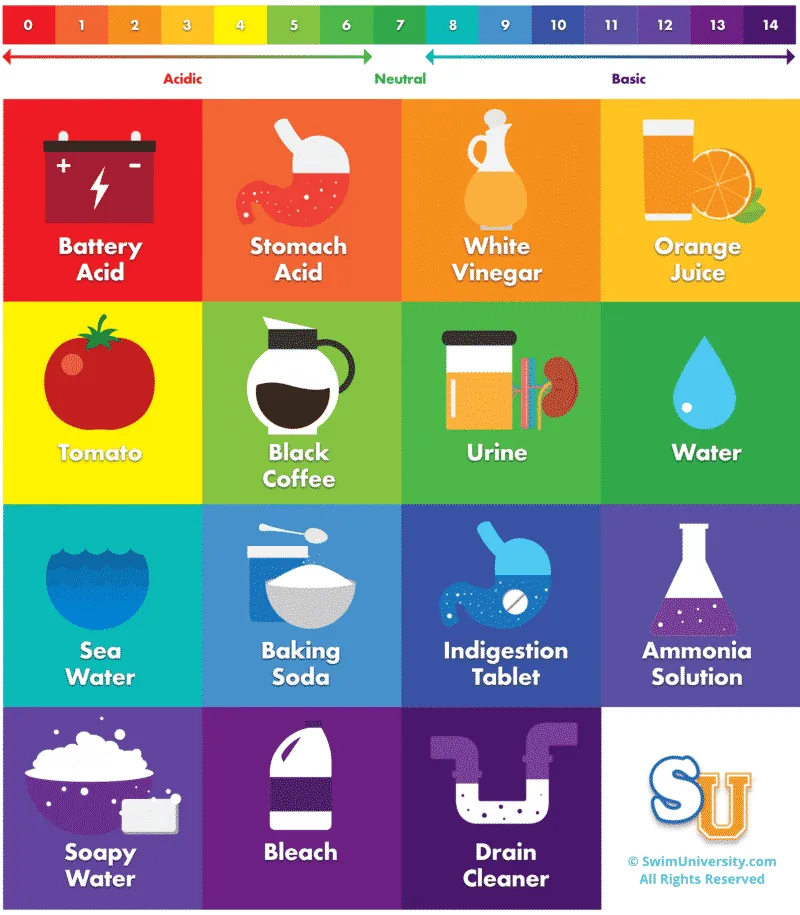
Sometimes adding chemicals won’t solve the problem because the root cause is something else. If your water is consistently hard to balance despite correct dosing, you may have a plumbing issue or a leak introducing outside water. Rainwater often has low alkalinity, and heavy storms can dilute your chemical levels significantly. In these cases, draining and refilling the tub is faster than fighting the chemistry.
Another situation where this method fails is when the water is heavily contaminated with oils, lotions, or sweat. These contaminants bind with chemicals and prevent them from working. If the water smells bad or looks oily even after shocking, a partial or full drain is necessary.
Trying to chemically clean severely dirty water often wastes product and time. A common mistake is assuming that doubling the shock dose will clear the film; instead, it creates a thick sludge that clogs filters and requires hours of manual scrubbing later.
Finally, if your pH stays high no matter how much acid you add, your test kit might be faulty. Old or exposed test strips can give false high readings. Switch to a digital tester or a professional lab test to confirm the real numbers before adding more chemicals.
Don’t keep adding muriatic acid based on strip results alone, as you risk dropping the pH too low and etching the acrylic shell permanently. If the digital reading shows normal levels while the strips show high, trust the digital device and stop dosing immediately. When in doubt, flush half the water and retest rather than guessing with expensive corrections.
Related guides
- 5 Best Inflatable Hot Tub for Winter Picks for Cold Weather in 2026
- 10 Best Space Heaters for Hot Yoga: Our Expert Picks
- 10 Best Propane Heaters for High Altitude: Expert Picks
Frequently asked questions
Can I use vinegar instead of acid?
No, vinegar isn’t strong enough to adjust the chemistry of a full hot tub effectively. You would need gallons of it to make a small change, which could overwhelm the water volume. Stick to muriatic acid or sodium bisulfate designed for pools and spas. These products are formulated to dissolve safely and predictably in water. Using household items often leads to inconsistent results and wasted effort.
Why does my pH go up so fast?
This happens because your total alkalinity is too low to act as a buffer. Without enough alkalinity, the pH swings wildly with every small addition of chemicals or bather waste. You must raise the alkalinity to at least 80 ppm to stabilize the pH. Until the buffer is restored, the pH will continue to climb rapidly after any adjustment.
How long does it take to fix the balance?
It usually takes 24 hours of circulation and testing to fully stabilize the water. You can see initial changes within an hour, but waiting ensures the chemicals are evenly distributed. Rushing the process often leads to over-correction and new imbalances. Allowing full circulation time between tests is necessary for accurate readings and lasting results.
Is it safe to swim right after adding acid?
No, you should wait at least four hours after adding acid before entering the tub. This allows the chemical to fully mix and the pH to settle into a safe range. Entering too soon can cause skin irritation or eye stinging due to localized high acidity. Always test the water again before swimming to confirm the pH is between 7.2 and 7.6.
What happens if I add too much acid?
Adding too much acid can drop the pH below 7.0, which corrodes metal parts and damages the liner. It can also irritate skin and eyes and make the water taste sour. To fix this, you must add an alkalinity increaser or pH booster to raise the levels back up. Always add chemicals in small doses and wait to test before adding more.
How often should I test my hot tub water?
Test your water at least twice a week to catch imbalances early. If you use the tub daily or have many guests, test every day. Regular testing helps you make small adjustments rather than large corrections later. Consistent monitoring keeps the water safe and comfortable for everyone who uses it.
Conclusion
Once your water feels balanced again, you won’t need to stress over cloudy or irritating soaks. Just keep a simple test kit near the tub and check it weekly before anyone hops in. That small habit saves you from bigger headaches down the road.