
The best way to keep your home safe is to avoid storing gas cans in garage spaces, as fuel vapors can easily ignite when they reach a pilot light or a spark. Keeping these containers outside in a detached, well-ventilated shed is the only recommended method to prevent fire hazards. Gasoline releases fumes even at cold temperatures, and these vapors are heavier than air, meaning they sink to the floor and travel across the room to reach hidden heat sources.
Best cans for storing gas in your garage
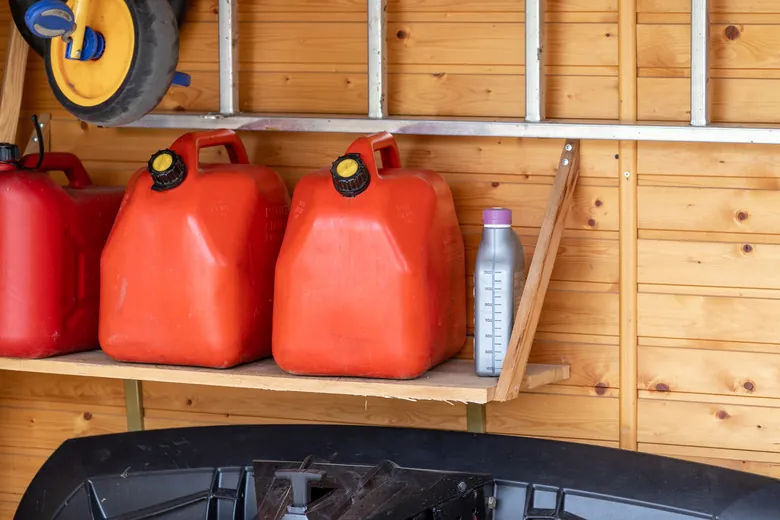
Choosing the right container is the first step toward minimizing risks. While you should prioritize outdoor storage, using a modern container reduces the chance of accidental spills and vapor leaks. Each type of container is built for specific fuel volumes and handling needs.
| Container type | Best use | Common example |
|---|---|---|
| Plastic jerry can | Small engine fuel | Red 5-gallon jug |
| Metal safety can | Workshop storage | Steel 2-gallon canister |
| Portable transfer tank | Large equipment | 15-gallon wheeled unit |
| Professional fuel caddy | Heavy machinery | 30-gallon steel tank |
Select plastic containers only if they bear the EPA and CARB certification stamps. These markings ensure the plastic resists degradation from ethanol blends, which can cause cheaper jugs to crack within two years.
If you store fuel in a garage or shed, switch to a metal safety can equipped with a spring-loaded lid. These cans automatically vent pressure during temperature spikes, preventing the container from rupturing. Never use glass or unapproved plastic jugs, as these fail to contain volatile vapors and invite static ignition. If your storage area exceeds 80 degrees Fahrenheit, keep containers on a concrete floor to dissipate heat.
Plastic jerry cans
Plastic jerry cans are the most common containers for small amounts of gasoline used in lawnmowers or power tools. They’re lightweight and affordable, making them easy to handle for most homeowners. You must check that the container is certified by the EPA and CARB to ensure it meets safety standards for vapor containment and structural integrity.
- They’re easy to carry and pour into small fuel tanks.
- The plastic material doesn’t rust when exposed to moisture.
- They feature self-venting spouts to reduce spills during use.
If you have a container that has been in use for a long time, you should replace it regardless of its appearance. Plastic degrades over time, becoming brittle and prone to hairline cracks that you can’t see. When filling these cans, always leave a small amount of empty space at the top to allow for fuel expansion. Using a funnel helps prevent spills, but always wipe away any drips before you move the container to your storage area.
Metal safety cans
Metal safety cans are designed for higher durability and fire resistance in workshops or garages. These containers feature a spring-loaded lid that seals automatically, which keeps vapors trapped inside when you aren’t actively pouring fuel. They’re built from heavy-duty steel to withstand accidental impacts that would puncture a standard plastic jug.
- To prevent static electricity buildup during dispensing, the metal container must be placed on the ground and kept in contact with the fuel nozzle.
- Automatic closing lids stop fuel from spilling if the can tips over.
- Integrated flame arrestors protect the fuel inside from external ignition sources.
These cans are heavier than plastic versions, so choose a size you can lift comfortably when full. A 2-gallon steel can weighs about 15 pounds, while a 5-gallon version can exceed 35 pounds. If you notice any rust inside the container, stop using it immediately, as flakes of rust can clog your engine’s carburetor. Metal cans are an investment in safety, but they require a dry environment to prevent exterior corrosion.
Portable transfer tanks
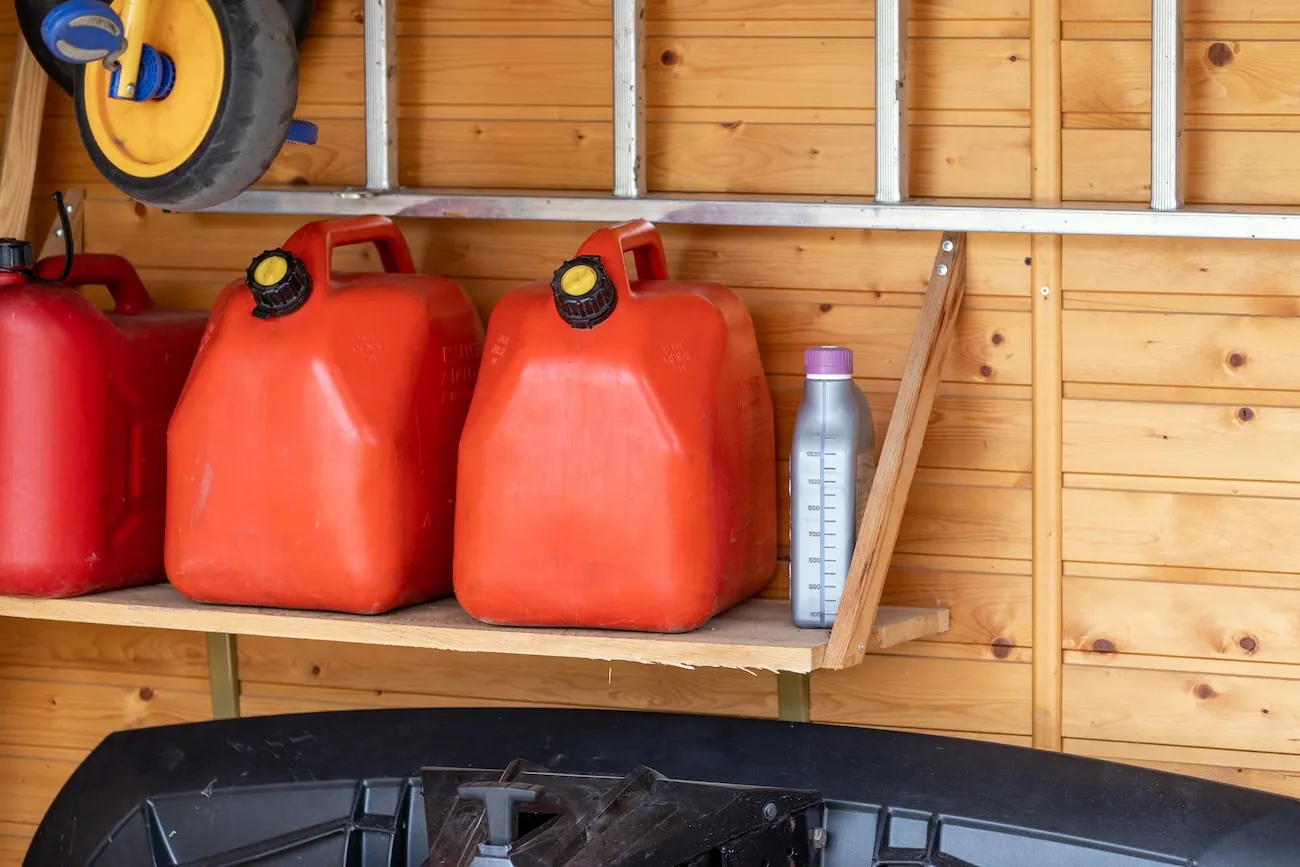
Portable transfer tanks are intended for people who need to manage large amounts of fuel for tractors or heavy equipment. These units often include wheels and a hand-pump system, which allows you to move fuel without lifting heavy, full cans. They’re usually made from high-density polyethylene or steel and are designed for frequent use.
- Wheeled designs allow for easy transport across uneven ground.
- Mechanical pumps provide a controlled flow to prevent messy overflows.
- They hold significantly more volume, reducing the number of trips to the gas station.
If you use this equipment, you must ensure the tank remains upright at all times. A common mistake is leaving the transfer hose pressurized after use, which can lead to leaks at the connection points. This equipment isn’t for everyone; if you only need fuel for a small weed whacker, a large transfer tank will be difficult to store and maintain. Only purchase these units if you have a genuine need to move more than 10 gallons of fuel regularly.
Professional fuel caddies
Professional fuel caddies are the most robust option for storing and transporting fuel safely. They’re typically used by professionals or owners of large fleets of landscaping equipment. These caddies often include professional-grade hoses, fuel gauges, and heavy-duty tires that handle heavy loads with ease.
- They offer the highest level of vapor containment available.
- They’re designed to be stable even when moved over rough surfaces.
A mistake many users make is failing to check the seals on the pump handle. Over time, these rubber seals dry out and begin to leak, which creates a fire hazard in your storage area. If you find a leak, replace the seal kit immediately rather than attempting a temporary fix with tape. This equipment is meant for people who maintain large properties and need a centralized, safe way to manage their fuel supply.
Other fuel storage options
Fuel stabilizers prevent gasoline from degrading into gum, which clogs carburetor jets and ruins fuel lines. Add these treatments immediately upon purchase, as ethanol-blended gas begins to oxidize in as little as 30 days. If you fail to treat the fuel, you risk expensive engine repairs that often exceed the cost of the equipment itself.
Secondary containment trays provide a critical buffer for your storage area. Place these plastic or metal pans under all containers to capture drips during pouring or slow leaks from degraded gaskets. If your floor is concrete, these trays prevent hazardous spills from seeping into porous surfaces.
Flame arrestor screens are essential for safety. If your older metal cans lack these, install universal replacement screens immediately. They act as a heat sink to prevent a flashback from igniting the fuel inside. If you store more than five gallons in a residential garage, verify that your containers meet current fire code standards.
Choosing the right fuel storage method
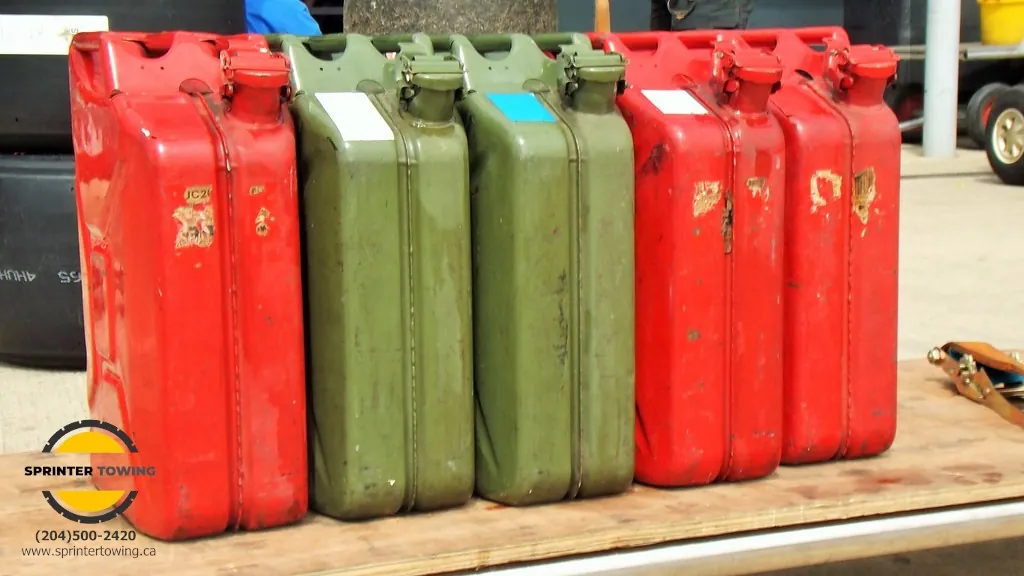
Your choice depends on how much fuel you use and where you can keep it. If you have a small lawn, a single 2-gallon plastic can is sufficient. If you manage a large property with multiple machines, a wheeled transfer tank is safer because it removes the risk of spills caused by lifting heavy cans.
If you have a detached shed, that’s your primary storage location. If you must use a garage, you should only keep the smallest amount of fuel possible and place it in a metal safety can. Never combine these methods; keep your fuel in one dedicated, well-ventilated spot. Picking one safe method is better than having multiple containers scattered around your property.
Most users make the mistake of storing fuel in direct sunlight, which causes rapid pressure buildup and evaporation. This degrades gasoline quality within thirty days. If your storage area reaches temperatures above 80 degrees, add a fuel stabilizer immediately. Use metal cans for indoor storage to contain vapors, but stick to high-density polyethylene for outdoor sheds to prevent rust.
Related guides
Frequently asked questions
Is it safe to keep gas in the garage?
It isn’t safe to keep gas in the garage because gasoline vapors are highly flammable and can travel across the floor to reach a water heater or furnace. These vapors can ignite from a small spark or pilot light, causing a fire. Always store fuel in a detached structure that has plenty of airflow to prevent the buildup of dangerous fumes.
How long can I store gasoline?
You can store gasoline for about 6 months if you use a high-quality fuel stabilizer. Without a stabilizer, gasoline begins to degrade after 30 days, which can cause starting issues in your engine. Always check the label on your specific brand of stabilizer, as some products may offer different protection times depending on the fuel blend and storage temperature.
How much gasoline can I store at home?
You should store no more than 25 gallons of gasoline at your home, according to the limits often set by local fire codes. Check with your local fire department or municipal building office to find the exact limit for your specific area. Keeping larger amounts of fuel significantly increases the risk to your property and makes a fire much harder to control.
Why does my gas can leak when it’s hot?
Gasoline expands when the temperature rises, which increases the pressure inside the container and forces fuel out through the spout. This is why you should never fill a container to the very top; leave at least 5% of the total capacity as empty space for expansion. Always store your fuel in the coolest, shaded area available to minimize this internal pressure.
Does it matter if my gas can is red?
Yes, the color red is the universal safety standard for gasoline containers. Using the correct color helps prevent mistakes, such as accidentally pouring gasoline into a diesel engine or a kerosene heater. Never use a container that’s missing its safety label, as you need to know exactly what is inside to prevent dangerous mixing of different fuel types.
Can I store gas in a glass container?
You should never store gasoline in a glass container, as it’s fragile and can shatter if dropped. Glass can’t withstand the pressure changes caused by gasoline vapors and temperature swings, which makes it a major safety risk. Always use containers specifically engineered for fuel, such as certified plastic jerry cans or steel safety cans, to ensure they can handle the chemical properties of gasoline.
How do I know if my container is safe?
You can confirm your container is safe by looking for EPA and CARB certification marks stamped on the side. If the container has cracks, rust, or a cap that doesn’t seal tightly, it’s no longer safe to use. When in doubt, replace the container, as the cost of a new can is small compared to the risk of a fuel fire.
Conclusion
Start by clearing a space in a detached shed or a well-ventilated outdoor cabinet for your fuel cans. You should expect to see no signs of rust or leaks if the containers are in good condition. If you notice a strong smell of gasoline in your storage area, this is the sign that your containers are leaking vapors and you must move them outside immediately and seek professional advice from your local fire department.
