
Your toilet just won’t flush, and you’re stuck. Don’t panic!
Before you call a plumber, there’s a simple trick you can try right now. In this guide, you’ll discover exactly how to manually flush your toilet, saving you time and money. It’s easier than you think, and you’ll be back to normal in no time.
Read on to learn this essential skill.

Credit: www.wikihow.com
When Manual Flushing Becomes Essential
Sometimes, your toilet just won’t flush. The handle moves. Nothing happens. This is when you need a backup plan. Manual flushing becomes essential. It saves you from an unpleasant situation. It’s a simple skill. Everyone should know it.
The Power Outage Problem
Lights are out. The house is dark. Your toilet won’t flush. This happens during power outages. The flush mechanism needs power. No power means no flush. You need to flush manually then. It’s a practical solution.
A Broken Flush Handle
The flush handle feels loose. It might be broken. The internal parts could be damaged. Water won’t go down. You can’t wait for repairs. Manual flushing is your answer. It gets the job done. You keep your bathroom usable.
Low Water Pressure Issues
Water pressure is too low. The tank does not fill. The flush won’t be strong. It may not clear the bowl. You need more water force. Manual flushing provides this. It pushes water into the bowl. This clears waste effectively.
A Clogged Toilet Emergency
The toilet is totally clogged. Water is rising fast. You need immediate action. A normal flush won’t work. Manual flushing can help. It uses a different water source. This can dislodge the clog. It prevents overflow disasters. Act quickly.
Credit: www.mrrooter.com
Gather Your Supplies
Gather everything you need. Have a bucket and water ready. This prepares you for the next steps.
You need a few things. Prepare them now. This makes the process easy.
The Bucket
A large bucket works best. It holds plenty of water. You will need it for flushing.
Hot Water
Warm water is helpful. It helps break down waste. Avoid boiling water. It can damage the toilet bowl.
Gloves
Wear rubber gloves. Protect your hands. This keeps things sanitary.
Old Towels Or Rags
These are for spills. Things can get messy. Have them ready.
Optional: Dish Soap
A little dish soap helps. It can loosen clogs. A small amount is fine.
The Bucket Method
The bucket method is a simple way to flush your toilet. You do not need a working flush system. This method uses a bucket of water. It mimics the tank’s action. It is useful during plumbing issues. You can also use it in emergencies.
Step 1: Prepare The Bowl
Remove any excess waste. This helps the flush. You can use a toilet brush. Scrub gently if needed. Clear the water surface.
Step 2: Add Water
Get a bucket of water. Fill it about halfway. A gallon is usually enough. You can use warm water. This can help break down waste. Avoid using too much water. It might overflow.
Step 3: The Flush Action
Pour the water quickly. Aim for the back of the bowl. Pour it directly into the bowl. This creates a strong current. The water will push waste down. It should mimic a normal flush. Watch the water level.
Step 4: Repeat As Needed
One flush may not be enough. You might need more water. Repeat steps two and three. Pour another bucket. Continue until the bowl is clear. Check the drain. Ensure it flows freely.
The Pot Method (alternative)
Sometimes, your toilet won’t flush. The water level might be too low. You need a quick fix. The pot method is your answer. It’s a simple, manual way to get things moving. You can do this without any special tools. It uses just a pot of water. This is a reliable backup plan. It works when your toilet is acting up.
Step 1: Fill The Pot
Get a large pot. A bucket works too. Fill it with clean water. Use your sink or bathtub. You need enough water. About two gallons is good. This is your flushing power.
Step 2: Pour With Purpose
Stand near the toilet. Hold the pot. Aim for the toilet bowl. Pour the water quickly. Do not splash too much. This starts the flushing action. It creates pressure.
Step 3: Mimic A Flush
Pour the water all at once. This mimics a real flush. The water pushes waste down. It should clear the bowl. You might need to repeat this. Try it a couple of times. It usually does the trick.
Tips For Effective Manual Flushing
Learn how to flush your toilet without water. Quick tips for manual flushing are here. This guide makes it simple.
Here are some tips. They help manual flushing work better. Follow these steps. You will get great results.
Water Temperature Matters
Cold water is best. It creates a stronger flush. Hot water can damage parts. It might warp the tank. Always use cool water.
Pouring Technique
Pour water into the bowl. Aim for the back of the bowl. This pushes waste down. Pour quickly and steadily. A slow pour is less effective.
Dealing With Clogs
Sometimes clogs happen. Manual flushing can help. Pour a bucket of water. This might push the clog. If it doesn’t work, try again. You might need a plunger. Or call a plumber.
Credit: www.housedigest.com
Troubleshooting Common Issues
Sometimes, even manual flushing hits a snag. Don’t worry. These common problems are usually simple fixes. We can get your toilet working again. Let’s tackle these issues head-on.
Incomplete Flush
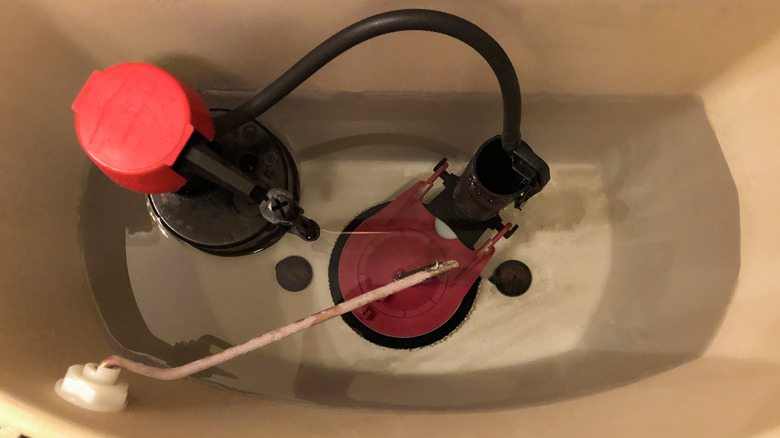
The water might not empty the bowl. This means the flush was not strong enough. You may need more water. Try lifting the flapper longer. This releases more water. Check the water level in the tank. Is it too low? A low water level means less flush power. Adjust the float. It should be at the fill line. The flapper might be worn out. A damaged flapper leaks water. This reduces flush volume. Replace a worn flapper. This ensures a full tank. A full tank means a good flush.
Water Level Problems
The tank might not fill correctly. This causes weak flushes. It can also lead to no flush. The fill valve could be the issue. It controls water entering the tank. Make sure it is working. The float arm might be stuck. It tells the fill valve when to stop. Adjust the float arm. It should move freely. The water level should reach the mark. This mark is on the tank. A low water level is bad. It means less water for flushing. Too much water is also a problem. Water can spill into the overflow tube. This wastes water. It also prevents the tank from filling. Check the overflow tube height. It should be about one inch below the fill valve. This keeps water in the tank.
Preventing Future Problems
Knowing how to manually flush a toilet is a great skill. It can save you in a pinch. But preventing clogs is even better. Simple steps keep your toilet working well. This avoids frustrating situations. You will save time and money. These tips help your plumbing last longer.
Regular Maintenance
Preventing future problems starts with care. Clean your toilet often. Use a toilet brush. This removes grime. Check the water level. It should be correct. A low level signals trouble. Listen for leaks. Quiet drips matter. Address them quickly. A running toilet wastes water. It can also damage parts. Keep the tank lid closed. This stops dust. It also stops accidental drops.
What Not To Flush
Some things should never go down. This is very important. Paper towels are a big no. They do not break down. Cotton balls cause issues. They absorb water. They get stuck. Wipes are also bad. Even “flushable” ones clog pipes. Dental floss is tricky. It can wrap around parts. Hair collects easily. It forms large masses. Grease and oil are harmful. They coat pipes. This builds up blockages. Small toys are a problem. They can lodge in the trap. Be mindful of what goes in. Educate your household. These simple rules help a lot.
Frequently Asked Questions
Why Flush Toilet Manually?
You might need to flush manually if the handle is broken. Or maybe the water supply is off. This is a simple fix.
What Do I Need To Flush Manually?
Gather a bucket of water. A large measuring cup also works. Ensure you have enough water ready.
How To Manually Flush A Toilet Tank?
Remove the tank lid carefully. Pour water directly into the bowl. This helps push waste down.
How Much Water Is Needed For Manual Flush?
Use about one to two gallons. A standard toilet tank holds this. It is usually enough for one flush.
Can I Flush Without A Bucket?
A large jug or pot works. Even a sealed plastic bag with water can help. Get creative with what you have.
What If Manual Flush Doesn’t Work?
Try pouring water faster. Aim for the back of the bowl. Sometimes a stronger flush is needed.
Is Manual Flushing Bad For Toilet?
No, it is generally safe. It is a temporary solution. Do not rely on it long-term.
Conclusion
You know how to flush a toilet now. Manual flushing is simple. It saves water too. Try it next time. You have the power. A quick fix. No problem at all. Easy for everyone. Be prepared. You can do it.