
PTFE tape, liquid thread sealant, and specialized anaerobic compounds are the most effective plumbing tapes and sealants for preventing leaks in threaded pipe joints. The best choice depends on the pipe material and the substance flowing through the system.
Comparing different plumbing tapes
| Product Type | Best For | Concrete Example |
|---|---|---|
| Standard PTFE Tape | General water lines | White density tape |
| High-Density PTFE | Gas and high pressure | Yellow gas tape |
| Liquid Thread Sealant | Complex, tight fittings | Paste-style pipe dope |
| Anaerobic Sealant | Heavy vibration areas | Hardening thread compound |
| PTFE Cord | Large, uneven threads | String-style sealant |
Standard white PTFE tape works for low-pressure water lines because it’s thin and stretches easily. However, never use it on gas lines. The thin material fails to fill the deeper voids in gas-rated fittings, leading to dangerous leaks. If you’re working with gas, always choose the thicker yellow tape rated for high pressure.
Liquid thread sealant excels where tape fails. Use it on complex, tight fittings where wrapping tape is physically impossible. Apply a thin, even coat to the first three threads of the male fitting. If you apply too much, the excess paste can clog downstream valves or filters.
Anaerobic sealants are the only choice for pumps or machinery subject to heavy vibration. These sealants cure into a solid plastic once deprived of oxygen inside the threads. Once set, they lock the joint in place. Be aware that these compounds often require heat or specialized tools to break the seal during future maintenance.
PTFE cord provides a superior seal for large or damaged threads. Unlike tape, which can shred when forced into deep grooves, the cord acts like a gasket. Wrap it randomly across the threads rather than in a neat, flat pattern. This creates a bulkier, more resilient seal that conforms to irregular gaps in older plumbing.
If you’re unsure which to pick, consider the vibration level of the pipe. For static, low-pressure water, white tape is sufficient. If the pipe experiences constant movement or high pressure, skip the tape and move immediately to an anaerobic sealant or a high-density cord. Choosing the wrong material here often results in a slow, persistent weep that rots the surrounding cabinetry over time.
Standard PTFE Tape
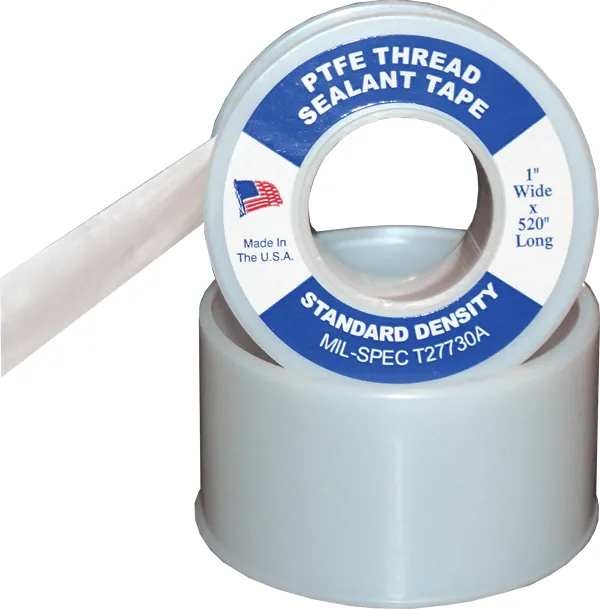
Standard PTFE tape is a thin, white film used to lubricate and seal tapered pipe threads in domestic water systems. It suits DIYers working on low-pressure copper or plastic connections where a simple, clean, and removable seal is required.
The tape acts as a lubricant, reducing friction so threads seat deeper into the fitting than they could dry. This extra travel ensures a mechanical seal that would otherwise be impossible to achieve by hand. It also prevents galling, the microscopic welding of metal threads that makes future disassembly a nightmare. By creating a physical barrier, it fills the microscopic gaps in the thread path to stop minor drips.
Always wrap the tape in the direction of the fitting’s rotation. If you wrap it counter-clockwise, the tape will unravel and bunch up as you tighten the joint, destroying the seal before you even finish. For a standard 1/2-inch pipe, apply three to four full wraps.
If you’re working with larger pipes, such as 3/4-inch or 1-inch lines, increase the count to five or six wraps to compensate for the deeper thread grooves. You can tell you have applied enough when the tape takes on the shape of the threads underneath, looking slightly translucent rather than opaque.
Avoid the common mistake of over-wrapping. If you force too many layers into the joint, the excess material creates outward pressure that can split a brass or plastic female fitting. If the connection feels unusually tight before the threads have fully engaged, stop immediately. You have likely used too much tape or the wrong thickness for the job.
If you’re working with high-pressure gas lines or oxygen systems, discard the white tape entirely. Use yellow or green PTFE tape instead, as these are specifically rated for volatile gases and thicker densities. White tape is strictly for water and low-pressure air.
High-Density PTFE Tape
High-density PTFE tape is a thicker, yellow-colored material specifically engineered for fuel gas systems and high-pressure lines. It suits professionals and serious home users who need a more robust seal that resists the chemical breakdown often caused by natural gas or propane.
Standard white tape is designed for water lines and lacks the density to prevent gas migration. If you use white tape on a gas line, you risk a slow, dangerous leak that may not trigger a pressure test failure for weeks. Always look for the yellow color, which serves as the industry-standard indicator that the material is rated for hydrocarbons.
You should apply this tape by wrapping it in the direction of the thread rotation. If you wrap against the threads, the tape will bunch up and create a leak path as you tighten the fitting.
For most gas fittings, two full wraps are sufficient. Because the tape is denser, adding more than three wraps often causes the threads to bind, which can crack a brass fitting or prevent a proper seal. If you find yourself needing more than three wraps to stop a leak, the threads on your pipe are likely damaged or mismatched.
This material offers greater tensile strength, meaning it’s less likely to tear during installation. When you pull the tape tight against the threads, it should conform to the shape of the metal without shredding. If the tape shreds or flakes while you’re applying it, the product has likely degraded from age or improper storage.
Check the packaging for the CSA or UL rating. A compliant tape will carry a specific certification code, usually printed on the spool or the box. This code confirms the tape has been tested for gas-line compatibility. If you don’t see a certification mark, don’t use the tape on any line carrying flammable fuel.
Treat this tape as a single-use sealant. If you loosen a fitting after it has been tightened, you must remove the old tape entirely and apply a fresh layer. Reusing compressed tape leaves microscopic voids that will allow gas to escape under pressure.
Liquid Thread Sealant
Liquid thread sealant, often called pipe dope, is a paste-like compound applied directly to the threads of a pipe before assembly. It suits complex, irregular, or large-diameter fittings where tape might bunch up or tear during the tightening process.
- Fills larger voids between threads that tape might fail to bridge completely.
- Acts as a lubricant during assembly but hardens to provide a permanent seal.
- Resists high temperatures that would melt or compromise standard plastic-based tapes.
Apply a thin, even coat of the sealant to the first three to five threads of the male pipe using the built-in brush. Don’t apply the sealant to the very first thread, as excess material could enter the pipe and clog your system. If you see the sealant bubbling out after assembly, wipe it away immediately with a clean rag to prevent it from hardening on the pipe exterior.
Anaerobic Thread Sealant
Anaerobic thread sealant is a specialized compound that cures into a solid plastic when it’s trapped between metal threads in the absence of oxygen. It suits high-vibration environments, such as pipes connected to pumps or machinery, where standard tape would eventually loosen.
Apply the sealant only to the first three threads of the male fitting. If you apply it further down, excess material will squeeze into the pipe interior, potentially clogging valves or sensitive downstream components.
- Locks threads in place to prevent them from vibrating loose over time.
- Creates a permanent, pressure-tight seal that’s resistant to most industrial chemicals.
- Eliminates the need for excessive tightening, which reduces stress on the pipe fittings.
Most professionals make the mistake of applying the sealant to every thread. This creates a mess and wastes product. You only need enough to fill the gaps between the male and female threads. If you can see a continuous bead around the circumference, you have used enough.
This sealant is generally not for use on plastic pipes, as some chemical formulas can cause the plastic to become brittle or crack. If you’re working with PVC or CPVC, use only PTFE tape specifically approved for plastic threads.
Distinguish between high-strength and medium-strength grades by the color of the bottle. Red or high-strength formulas are permanent and often require heat to disassemble. Use blue or medium-strength formulas if you anticipate needing to remove the fitting for maintenance.
Because this material hardens over time, you may need a pipe wrench to break the seal during future repairs.
If you notice the sealant remains liquid after twenty-four hours, the metal surfaces were likely contaminated with oil. Clean the threads with a solvent like acetone before reapplying to ensure a proper cure.
Other Common Sealing Options
PTFE cord is a thick, fibrous strand engineered for large or damaged threads. It excels where standard tape fails because it fills deep voids rather than merely coating the surface. Use this when you encounter stripped threads or oversized pipe fittings that remain loose even after multiple wraps of traditional tape.
If you can feel significant play in the connection before tightening, reach for the cord. It acts as a gasket, preventing leaks in aging plumbing that would otherwise require a full replacement of the fixture.
Silicone tape is a self-fusing material that creates a permanent, rubberized bond once wrapped. It doesn’t rely on adhesives, so it holds firm even on wet surfaces. Use this for emergency repairs on low-pressure hoses or pipes where you can’t disassemble the joint to apply thread-specific sealants. It’s strictly a temporary measure for leaks in non-critical drainage or low-flow systems.
A common mistake is stretching silicone tape too tightly during the initial wrap, which can cause the material to snap or lose its self-fusing properties. Aim for a 50 percent overlap with each turn to ensure a consistent, airtight seal.
If you’re working on a connection that will be exposed to direct sunlight or high heat, verify the tape’s temperature rating on the packaging. Standard varieties often degrade in extreme environments, leading to premature failure and costly water damage behind your walls.
Choosing the Right Sealant
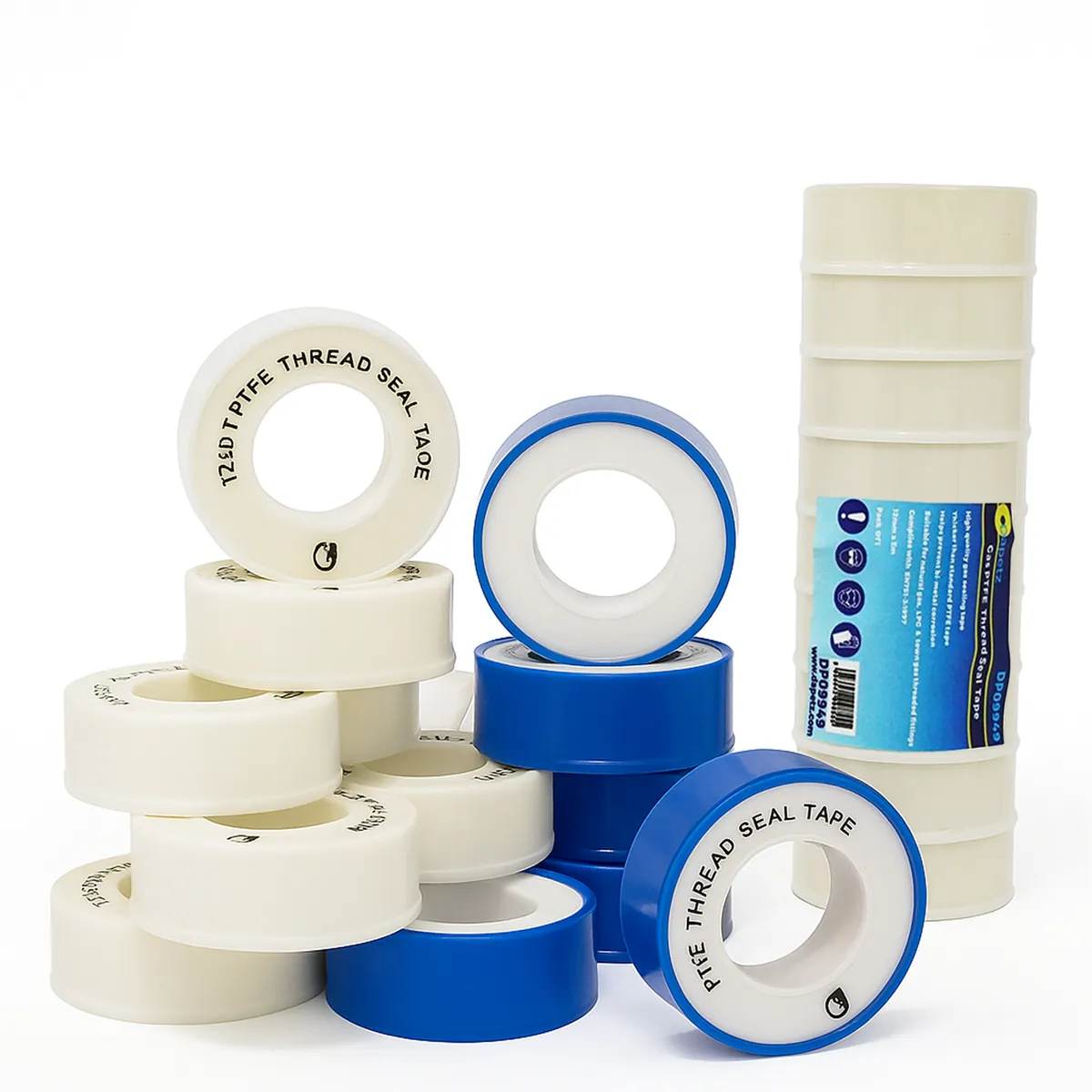
Deciding between these options depends on the material of your pipe and the environment the joint will face. If you’re working with plastic pipes, avoid anaerobic sealants, as the chemicals can damage the plastic; instead, use a high-quality liquid thread sealant or ptfe tape.
If you’re working on a gas line, you must use a tape or sealant that’s specifically certified for gas use, as standard water-grade materials may not be rated for the pressure or chemical exposure found in fuel systems. If you’re dealing with heavy vibration, such as a pipe connected directly to a motorized pump, choose an anaerobic sealant because it locks the threads to prevent loosening.
These materials can often be combined for extra protection, but this is usually unnecessary for most home plumbing tasks. Using a layer of ptfe tape followed by a thin coating of liquid sealant is a common professional practice for stubborn, leaking joints. However, for most standard installations, picking one high-quality product and applying it correctly is enough to ensure a long-lasting, leak-free connection.
Related guides
Frequently asked questions
Can I use plumbing tape on gas lines?
You must use yellow, high-density PTFE tape specifically rated for gas. Standard white tape can’t withstand the chemical exposure and pressures found in fuel systems. Always confirm the packaging explicitly states it’s rated for gas or fuel lines before use.
How many times should I wrap the tape?
Apply 3 to 4 wraps for standard 1/2-inch water pipes, though this varies by tape thickness and pipe size. If using high-density yellow gas tape, 2 wraps are usually sufficient. Avoid using so much tape that the fitting becomes too tight to turn by hand.
Is it safe to use tape on plastic pipes?
It’s safe to use PTFE tape on plastic pipes, provided you don’t overtighten the fittings. Plastic threads are prone to cracking if you apply too much force or create excessive bulk. Stop tightening as soon as the fitting feels secure to prevent damage.
What happens if I use too much tape?
Using too much tape creates excess bulk that can stress and crack the female fitting. This often results in hairline fractures that cause persistent leaks. Aim for a thin, even coverage that fills the threads without creating a large pile of material.
Do I need to remove old tape before adding new?
You must remove all remnants of old tape to ensure the new seal sits properly against the threads. Leaving old material creates an uneven surface that prevents an airtight barrier. Use a stiff wire brush to clean the threads thoroughly before applying fresh tape.
Is liquid sealant better than tape?
Liquid sealant is better for irregular or large threads, while tape is faster and cleaner for standard connections. Liquid sealants are superior in high-vibration areas because they fill gaps and harden. However, tape is easier to remove during future maintenance.
Conclusion
Start by identifying the pipe material and substance, as this dictates whether you need specialized gas-rated tape or standard water-grade sealant. Once you have the correct material, apply it to the clean, dry threads of the male pipe, ensuring you wrap in the direction of the tightening motion.