
Ever wondered how much that porcelain throne in your bathroom actually weighs? You might not think about it much, but knowing the weight of a toilet can be surprisingly useful.
Whether you’re planning a DIY bathroom renovation, need to arrange for moving services, or are just plain curious, this is the place to find your answers. We’re going to break down exactly how heavy a toilet is, and what factors influence its weight.
Read on to discover what’s behind that seemingly simple fixture!
Porcelain’s Weight
Porcelain is the main material. It gives toilets their heft. This material is strong. It is also very dense. Understanding porcelain’s weight is key. It explains much of a toilet’s total mass. Let’s explore this further.
The Density Of Porcelain
Porcelain is a ceramic. It bakes at high heat. This process makes it dense. Density means more mass. It packs a lot into a small space. This density is crucial. It makes toilets durable. It also adds significant weight.
Porcelain’s Composition
What makes porcelain heavy? It is made from clay. Kaolin clay is a primary ingredient. Feldspar and quartz are also used. These minerals are naturally dense. They fuse together when fired. This creates a strong, heavy material. The exact mix varies. Manufacturers adjust it. This affects the final weight. It also impacts durability.
Weight Variations In Porcelain
Not all porcelain is the same. Thickness matters greatly. A thicker toilet tank weighs more. The bowl’s design also adds weight. Some have more porcelain. Others have less. Even the glaze adds a bit. These small differences add up. They contribute to the overall heft.
Standard Toilet Weights
Standard toilet weights vary. Many factors influence this. We will explore common weights. Understanding this helps with installation. It also helps with replacement. Let’s dive into the numbers.
What’s A Typical Toilet Weight?
Most toilets are heavy. Expect a standard toilet to weigh 50 to 100 pounds. This is a common range. Ceramic is a dense material. Toilets use a lot of ceramic. The tank and bowl are solid. This adds significant heft.
Toilet design matters. One-piece toilets are heavier. They have no separate tank. The entire unit is molded. Two-piece toilets are lighter. They have a separate tank. This breaks up the weight. Toilet size also plays a role. Larger toilets use more material. They will weigh more.
Weight Of Different Toilet Types
Standard toilets are usually two-piece. These weigh around 60 to 80 pounds. One-piece toilets are more compact. They often weigh 70 to 100 pounds. Some high-end models are heavier. They might have extra features. Special materials can add weight. Always check product specifications.
Factors Affecting Toilet Weight
So, how heavy is a toilet? It’s not a simple answer. Many things change a toilet’s weight. Understanding these factors helps you choose wisely. It also explains why some toilets feel so solid.
Material Composition
Most toilets use ceramic. This is a strong, heavy material. Some toilets use porcelain. It is very similar to ceramic. These materials make toilets dense. They contribute a lot to the total weight. Cheaper plastics are lighter. They are not common for toilets. High-end toilets might use special glazes. This adds a little more weight. The quality of the material matters.
Size And Design
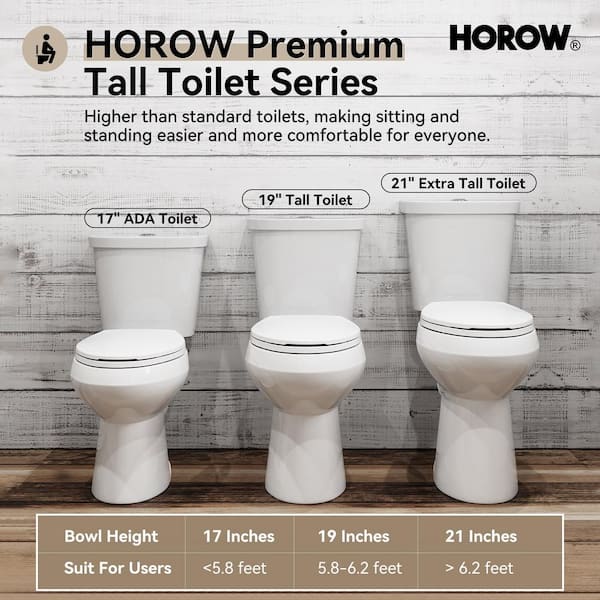
Bigger toilets weigh more. Larger bowls need more material. Taller toilets also add weight. The overall shape plays a role. Some designs have more curves. These curves use more ceramic. They create a more substantial feel. A compact toilet is lighter. It uses less material overall. The internal structure also counts. Some toilets have thicker walls. This increases their heft.
Tank Vs. Bowl
A toilet has two main parts. The bowl is the lower section. It holds the water. The tank sits on top. It stores water for flushing. The tank is usually heavier. It contains more ceramic material. It also has internal mechanisms. These add to its density. The bowl is substantial too. It must support your weight. Both parts contribute to the final weight. The connection between them matters. A sturdy connection adds stability.
Credit: www.homedepot.com
Specialty Toilet Types
Toilets come in many designs. These are specialty toilet types. They offer different looks and functions. Understanding these helps you choose wisely. Each type has unique weight considerations.
One-piece Toilets
One-piece toilets combine tank and bowl. This makes them a single unit. They are often lighter than two-piece models. Their construction is simpler. This can reduce overall weight. A typical one-piece toilet weighs around 70 pounds.
Two-piece Toilets
Two-piece toilets have separate tanks and bowls. You connect them during installation. This separation adds some weight. Assembly requires more steps. Each piece has its own weight. The tank might be 30 pounds. The bowl can be 40 pounds. Total weight is often 70 to 90 pounds.
Wall-mounted Toilets
Wall-mounted toilets attach to the wall. They create a floating look. The tank is hidden in the wall. This design saves floor space. They feel very modern. Their weight is distributed differently. The ceramic bowl is the main part. Expect the bowl to weigh about 40 to 60 pounds.
Bidet Toilets
Bidet toilets combine toilet and bidet functions. They offer advanced cleaning features. These can be one-piece or two-piece designs. The added electronics increase weight. Some models have heated seats. Others have water heaters. A bidet toilet can weigh more. It might be 80 pounds or even over 100 pounds.
Weight And Installation
Toilets weigh between 50 and 200 pounds. Installation requires lifting and securing the fixture. Heavy lifting is often needed.
The weight of a toilet matters. It affects how you install it. Let’s explore this.
What Is A Toilet’s Typical Weight?
Most toilets are heavy. They are made of ceramic. This material is dense. A standard toilet weighs about 50 pounds. Some larger models weigh more. One-piece toilets are often heavier. They have fewer parts. Two-piece toilets are lighter. They separate the tank and bowl. Expect 40 to 100 pounds. This weight is significant.
Why Toilet Weight Matters For Installation
Heavy toilets need careful handling. You cannot lift them alone. Many people need help. Proper lifting is crucial. You can injure yourself easily. The floor must support the weight. Most floors are strong enough. Older homes might have weaker floors. Check your floor’s condition. The toilet needs a stable base. A wobbly toilet is problematic.
How To Safely Install A Heavy Toilet
Always get help for lifting. Use a dolly or hand truck. This makes moving easier. Position the toilet carefully. Do not drop it on the flange. Align it correctly. Secure the toilet bolts tightly. This prevents movement. A heavy toilet stays put. It offers better stability. Proper installation ensures safety. It also prevents leaks.
Beyond The Porcelain
Curious about toilet weight? Most toilets weigh between 50 and 100 pounds. This porcelain throne is heavier than you might think.
The toilet’s weight is not just ceramic. Many parts contribute to its total mass. We explore these hidden components next. Understanding them gives a full picture.
Water Content
Water adds significant weight. A full tank weighs a lot. This water is essential for flushing. It contributes to the overall heft. Think of it as a hidden load.
Seat And Lid
The seat and lid also add weight. They are often plastic or wood. These materials have their own mass. Even small parts matter. They are part of the whole system.
Finding Your Toilet’s Weight
Toilets vary in weight. Most weigh between 50 and 100 pounds. Heavier models offer more stability.
Many people wonder about toilet weight. This information is useful. You might need it for moving. You might need it for installation. Knowing the weight helps with planning. It ensures safety.
Why Knowing Toilet Weight Matters
Toilet weight is important. It affects lifting. It affects transport. Heavy toilets need more help. You can avoid injury. You can prevent damage. This knowledge is practical.
Common Toilet Materials And Their Impact
Toilets are usually ceramic. Porcelain is very common. Ceramic is dense. It makes toilets heavy. Some toilets use plastic. Plastic is much lighter. Metal toilets exist too. They are also heavy. Material choice affects weight.
Estimating Your Toilet’s Weight
Most residential toilets weigh a lot. Expect around 50 to 100 pounds. Some can be heavier. Larger or older models gain weight. Tank and bowl add up. This is a good estimate.
Where To Find Manufacturer Specifications
Check the toilet box. The original packaging lists specs. Look for a manual. The manufacturer’s website has data. Search for your toilet model. This gives exact weight. It is the best source.
The Role Of Toilet Size And Design
Bigger toilets weigh more. One-piece toilets are often heavier. They have no separate tank. The design impacts density. More material means more weight. Simple shapes may be lighter. Complex designs add mass.

Credit: www.lowes.com

Credit: www.lowes.com
Frequently Asked Questions
How Much Does A Toilet Weigh?
A standard toilet can weigh between 50 to 100 pounds. This weight varies based on the toilet’s material and size. Porcelain toilets are heavier than plastic ones.
What Is The Average Toilet Weight?
The average toilet typically weighs around 75 pounds. This is a good estimate for most residential toilets. Many factors can influence this number.
Do Toilets Vary In Weight?
Yes, toilet weights can differ greatly. Older models might be heavier. Newer, more compact designs can be lighter.
What Makes A Toilet Heavy?
The main factor is the material. Porcelain and ceramic are dense. Some toilets have larger tanks, adding weight.
Can I Lift A Toilet Alone?
It’s not recommended to lift a toilet alone. Most toilets weigh over 50 pounds. It’s safer with a helper.
How Heavy Are One-piece Toilets?
One-piece toilets are often lighter. They usually weigh 50 to 75 pounds. The integrated design reduces material.
Are Two-piece Toilets Heavier?
Yes, two-piece toilets tend to be heavier. They can weigh 70 to 100 pounds or more. The separate tank and bowl add up.
Conclusion
Toilets vary in weight. Porcelain is a common material. Expect a range from 50 to 150 pounds. Consider the tank and bowl. Moving one takes effort. Always get help lifting. Know the weight before you buy. It’s a heavy fixture.